Laundry is one of those household routines that rarely gets much attention until something changes. Clothes begin taking longer to dry. The laundry room feels warmer than normal. The dryer seems to run without ever quite finishing the job. In many cases, the appliance isn’t failing. The vent hidden behind the wall has been quietly collecting lint and restricting airflow for months.
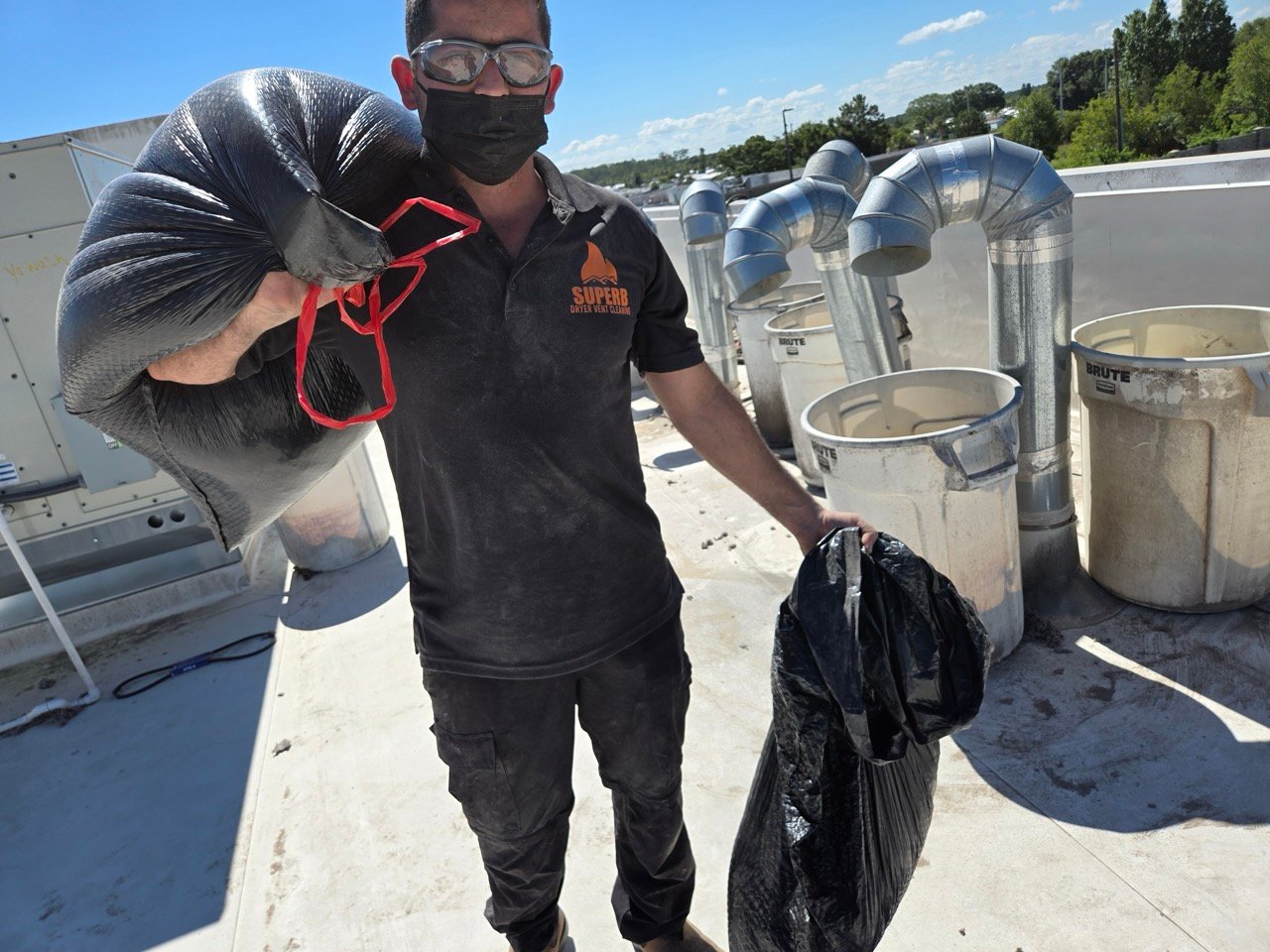
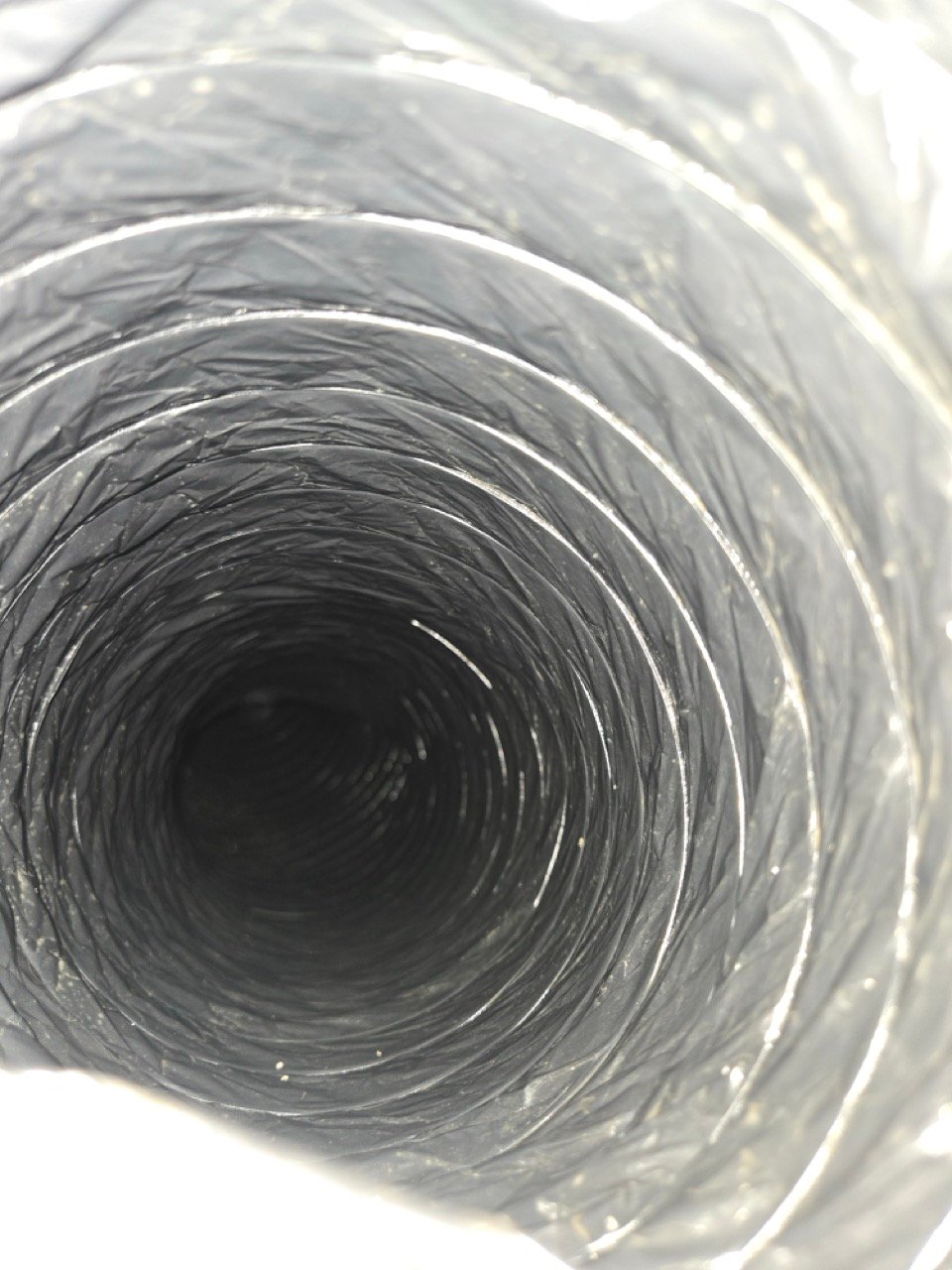
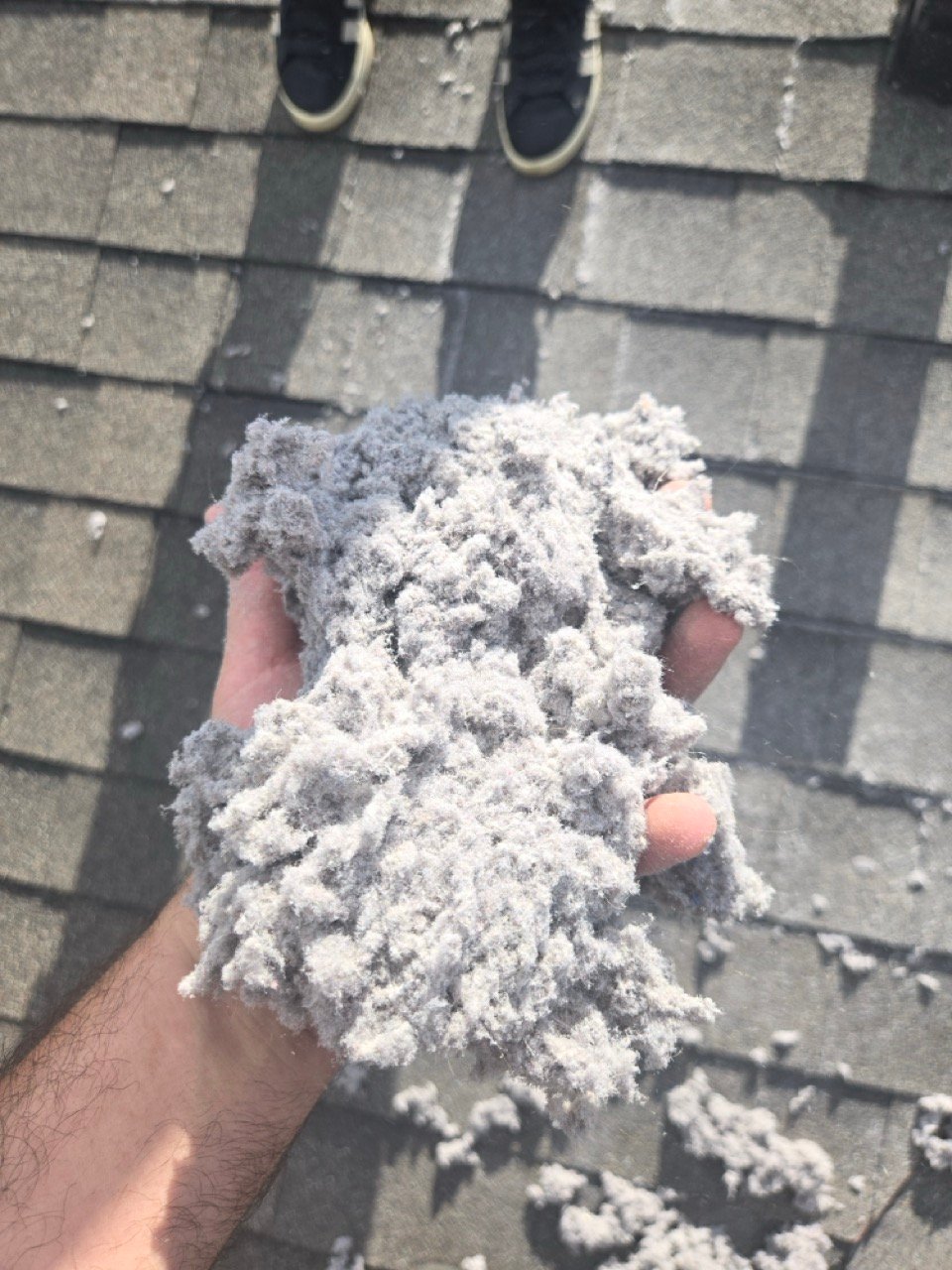
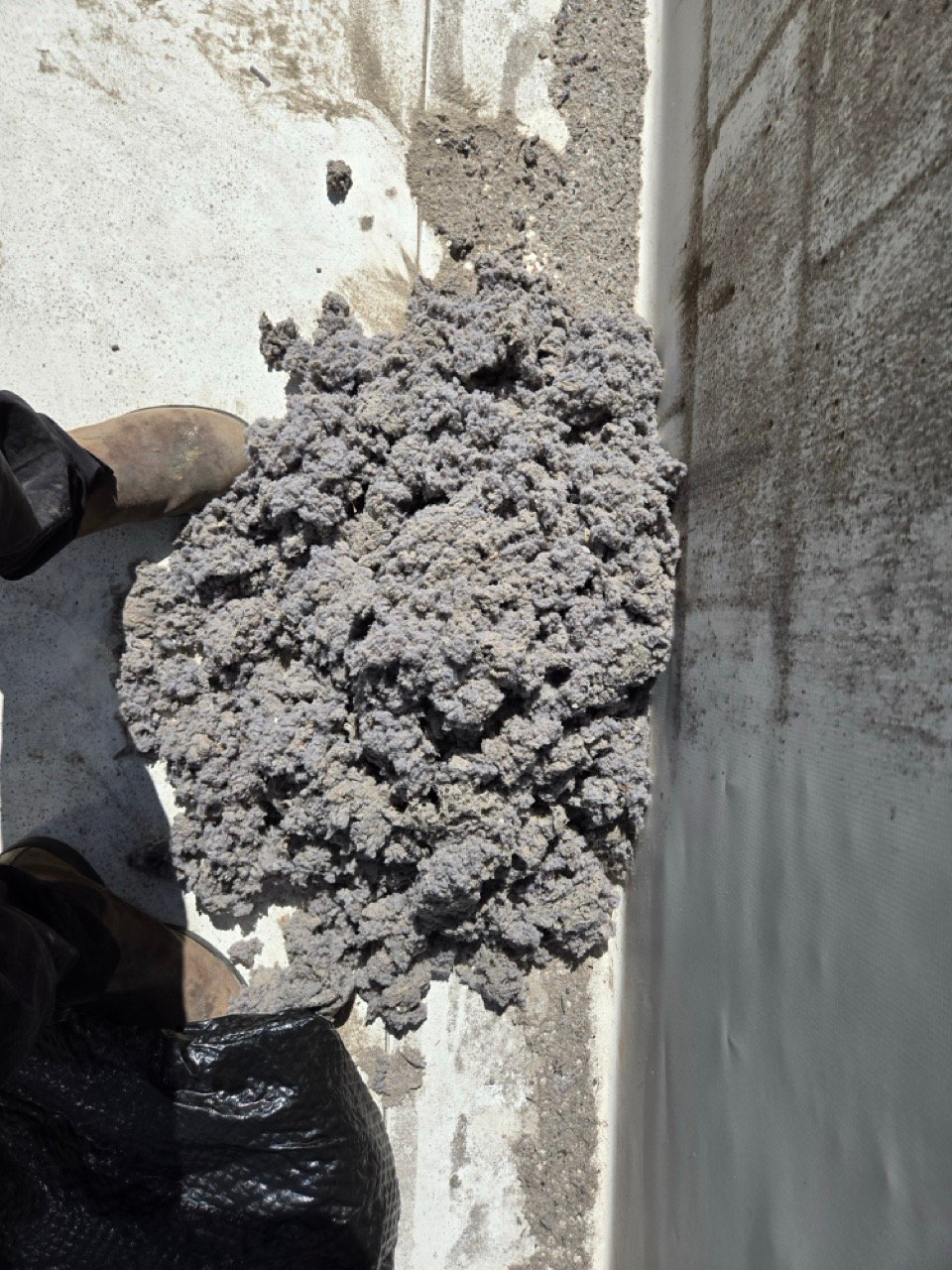
That became clear during an inspection at a two-story home in Wesley Chapel. The homeowner had recently purchased the property and assumed the older dryer was simply reaching the end of its life. Every load needed nearly two full cycles, even though the lint screen was cleaned after every use. Once the vent was disconnected, the real issue appeared. The duct contained a thick layer of lint mixed with dust that had gradually narrowed the passage. After the vent was professionally cleaned, drying times improved immediately without replacing a single appliance part.
Experiences like this show why Dryer Vent Cleaning Wesley Chapel isn’t just about removing lint. Local weather, modern housing designs, and everyday laundry habits all influence how quickly debris accumulates inside a vent system. Understanding those factors helps explain why homes in this area often benefit from professional attention sooner than many homeowners expect.
For anyone interested in how a complete residential service is performed, the company’s dryer vent service for homes page explains what is included during a professional visit.
Wesley Chapel’s Humidity Changes How Dryer Vents Perform
Florida’s climate is one of the biggest reasons local dryer vents deserve closer attention.
Warm temperatures remain common for much of the year, and humidity levels frequently stay elevated, especially during the summer rainy season. While dryers are designed to push warm, moist air outdoors, humid conditions can make it more difficult for moisture to move through a vent that already has partial lint buildup.
During inspections after extended periods of wet weather, it’s not unusual to find lint deposits that feel slightly damp instead of dry and fluffy. Damp lint tends to cling to the inside of metal ductwork, allowing new fibers to stick more easily with every drying cycle.
Instead of flowing completely outside, small amounts of lint remain behind, slowly creating thicker deposits over time.
The effect isn’t dramatic after one week or even one month. It develops gradually until airflow becomes noticeably restricted.
Larger Homes Often Mean Longer Vent Runs
Wesley Chapel has experienced tremendous residential growth over the past several years. Many neighborhoods feature newer construction with spacious floor plans that place laundry rooms farther from exterior walls.
That design creates a practical challenge.
The longer a dryer vent travels before reaching the outside, the more opportunities lint has to settle along the duct.
Each elbow, turn, and horizontal section slightly slows airflow. Those slower areas become natural collection points where lint gradually accumulates.
In one recently built home, the dryer itself worked perfectly. The problem was a vent route that extended through the garage ceiling before exiting near the roofline. The overall length wasn’t unusual for modern construction, but it required more consistent maintenance than the homeowner realized.
Longer vent systems don’t automatically create problems. They simply require professional inspections to ensure airflow remains efficient.
Everyday Laundry Habits Add Up Faster Than Most People Realize
Most families don’t notice lint building inside a vent because it happens one load at a time.
Think about a typical week.
Bath towels.
School uniforms.
Workout clothes.
Bed linens.
Pet blankets.
Every drying cycle releases thousands of tiny fabric fibers. Although the lint screen captures much of that material, smaller particles continue traveling into the vent.
Homes with children, larger households, or frequent visitors naturally produce more laundry throughout the week. More laundry means more lint entering the vent system.
That steady accumulation explains why two neighboring homes may require service at completely different intervals, even if they have similar dryers.
The condition of the vent depends less on the age of the home and more on how often the dryer operates.

Outdoor Conditions Affect the Vent Opening
The outside portion of the vent deserves just as much attention as the section hidden inside the walls.
Wesley Chapel experiences frequent afternoon storms, seasonal pollen, falling leaves, and active wildlife throughout much of the year. Those conditions can affect the exterior vent cover without the homeowner realizing it.
During routine inspections, technicians occasionally discover:
- Lint is collecting around the vent hood
- Flaps that no longer open fully
- Small insect nests begin near the opening
- Leaves are trapped around the termination point
- Debris reduces proper exhaust flow
These aren’t problems that develop overnight.
They slowly reduce airflow until drying performance begins to decline inside the house.
For many homeowners, checking the exterior vent once every few months can provide an early warning before larger restrictions develop.
Energy-Efficient Dryers Still Depend on a Clean Vent
Modern dryers include sensors that help prevent over-drying and improve energy efficiency. While these features are valuable, they can’t compensate for a restricted vent.
A sensor can only react to the conditions inside the drum. If warm, moist air struggles to leave the vent, the appliance often extends the drying cycle in an effort to finish the load. Over time, those longer cycles increase wear on components that weren’t designed to operate for extended periods every day.
During one inspection, a homeowner mentioned that their recently purchased dryer wasn’t performing much better than the older unit it replaced. The appliance was less than a year old, yet the towels still felt damp after a normal cycle. After checking the vent, the reason became obvious. The duct contained years of lint left behind by the previous owner. Once the vent was cleaned, the new dryer began operating as expected.
Replacing an appliance doesn’t remove debris that’s already inside the vent system.
Seasonal Weather Brings Different Maintenance Challenges
Unlike regions with four distinct seasons, Wesley Chapel experiences weather patterns that influence dryer vent performance throughout the year.
Summer often brings frequent afternoon storms and prolonged periods of high humidity. Moisture in the air can make lint cling more readily to the inside of the duct when airflow is already beginning to slow.
Spring introduces another challenge. Pollen, small leaves, and outdoor debris can collect around exterior vent covers, especially if landscaping has grown close to the exhaust point.
During the cooler months, many families wash heavier bedding, comforters, jackets, and blankets. These larger fabrics naturally produce more lint than lighter clothing, adding to the material already traveling through the vent.
Each season contributes in a different way, which is why professional inspections should focus on the entire vent system rather than simply removing visible lint.
Pet Owners Often Experience Faster Lint Accumulation
One detail that surprises many people is how much pet hair ends up inside a dryer vent.
Hair from dogs and cats doesn’t always stay on clothing. During drying cycles, loose hair combines with lint and fabric fibers, creating denser clumps than lint alone.
In homes with multiple pets, technicians frequently discover heavier accumulations near elbows and longer horizontal vent sections where airflow naturally slows.
This doesn’t mean pet owners have faulty dryers.
It simply means the vent system handles additional material every time laundry is done.
Keeping the lint screen clean remains important, but it cannot capture every strand of hair traveling toward the vent.
Small Restrictions Rarely Stay Small
One misconception heard during service visits is that minor lint buildup isn’t worth worrying about.
In reality, restrictions tend to grow rather than remain unchanged.
A thin layer of lint slightly narrows the vent.
That smaller opening slows airflow.
Slower airflow allows additional fibers to settle.
Those new fibers reduce airflow even further.
It’s a gradual cycle that often continues unnoticed for months.
By the time drying performance changes enough for someone to investigate, the buildup has usually been developing for quite some time.
Professional Dryer Vent Maintenance Wesley Chapel helps interrupt that cycle before airflow becomes significantly restricted.
Commercial Properties Face Even Greater Demands
The same conditions affecting residential properties apply to commercial buildings, but at a much faster pace.
Apartment communities, salons, spas, fitness centers, veterinary clinics, and hospitality businesses often operate dryers throughout the day.
Higher usage means lint accumulates more quickly inside vent systems.
Routine Commercial Dryer Vent Cleaning Wesley Chapel helps businesses maintain efficient operation while reducing unexpected interruptions caused by restricted vents.
Facilities with multiple dryers also benefit from scheduled inspections because one partially restricted vent can affect workflow long before complete blockage occurs.
Business owners interested in maintaining shared laundry equipment can explore the company’s commercial dryer vent solutions to better understand what’s involved in professional maintenance.

Professional Cleaning Includes More Than Removing Lint
Many people picture dryer vent cleaning as a simple vacuuming service.
A thorough inspection involves much more.
Experienced technicians evaluate:
- Overall airflow through the vent
- Interior lint accumulation
- Vent routing and connections
- Exterior vent termination
- Signs of moisture retention
- Damaged duct sections
- Areas where debris repeatedly collects
These observations help identify developing problems before they become expensive repairs.
The National Fire Protection Association (NFPA) recommends reducing lint accumulation because lint is a combustible material that can contribute to dryer-related fires when allowed to build up over time. Following recognized maintenance practices helps support both appliance performance and household safety.
The goal isn’t simply to leave the vent cleaner than before. It’s to restore proper airflow while confirming that the entire system continues operating as intended.
Conclusion
Dryer vents don’t become heavily restricted overnight. The process starts with tiny fibers that slip past the lint screen during every drying cycle. In Wesley Chapel, warm temperatures, frequent humidity, longer vent runs in newer homes, and busy family routines can all speed up that gradual buildup. Those local conditions make routine maintenance more important than many people realize.
One thing becomes clear after inspecting hundreds of vent systems. The homeowners who experience the fewest performance issues are usually the ones who address small changes early instead of waiting until the dryer struggles to keep up. A vent that allows air to move freely helps the appliance work as it was designed while reducing unnecessary wear caused by extended drying cycles.
Whether your home has a brand-new dryer or a unit that’s been reliable for years, periodic inspections provide an opportunity to catch developing issues before they become costly repairs. If an inspection confirms that Clogged Dryer Vent Cleaning Wesley Chapel is needed, addressing the buildup promptly can restore proper airflow and improve overall drying performance.
For residents looking for experienced local service, Superb Dryer Vent Cleaning Wesley Chapel provides professional inspections and cleaning tailored to the area’s homes and climate. You can also explore the company’s complete service area information to learn more about the communities they serve.
If your dryer has started showing signs of longer drying times or reduced airflow, scheduling a professional inspection is a practical next step.
Frequently Asked Questions
1. Why do homes in Wesley Chapel need dryer vent cleaning more often?
Wesley Chapel’s humid climate, frequent laundry use, and the longer vent systems found in many newer homes can cause lint to accumulate more quickly than homeowners expect.
2. How often should I schedule professional dryer vent cleaning?
Most households benefit from an annual inspection. Larger families, homes with pets, or properties where the dryer is used daily may require more frequent service depending on usage.
3. Does cleaning the lint screen eliminate the need for professional cleaning?
No. The lint screen captures much of the visible lint, but fine fibers continue through the vent where they gradually collect along the duct walls.
4. What are the signs that my dryer vent may be clogged?
Common warning signs include longer drying times, clothes feeling damp after one cycle, the dryer becoming unusually hot, increased humidity in the laundry area, and weak airflow from the outside vent.
5. Can Florida’s humidity affect my dryer vent?
Yes. Humid conditions can make lint retain moisture longer, allowing it to stick to the inside of the vent more easily, especially when airflow has already started to decrease.
6. Do newer homes require dryer vent maintenance, too?
Absolutely. Many newer homes have longer vent routes because laundry rooms are located farther from exterior walls. Longer ducts provide more places for lint to collect.
7. Are pet owners more likely to need dryer vent cleaning?
Yes. Pet hair often travels through the dryer along with fabric fibers, creating denser lint accumulations inside the vent system over time.
8. Is commercial dryer vent cleaning different from residential service?
The cleaning process is similar, but commercial properties usually require more frequent maintenance because dryers operate for longer periods and handle larger volumes of laundry.
9. Can a clogged dryer vent increase energy use?
Yes. Restricted airflow often causes drying cycles to run longer, which increases energy consumption while placing additional strain on the appliance.
10. Who should I contact for professional dryer vent cleaning in Wesley Chapel?
If you’re looking for experienced local service, you can contact Superb Dryer Vent Cleaning Wesley Chapel to schedule a professional inspection and discuss the condition of your dryer vent system.