Families that run several loads of laundry each week put their dryers through more operating cycles than households that use them occasionally. More cycles mean more clothing fibers passing through the dryer, more moisture moving through the exhaust system, and more opportunities for lint to accumulate beyond the lint screen.
Heavy laundry use does not automatically mean a dryer vent is clogged. The important issue is whether exhaust airflow remains adequate as the system is used over time. Longer drying cycles, unusually warm operation, damp clothes after a normal cycle, or weak airflow at an accessible exterior termination can provide useful warning signs.
Consider a Wesley Chapel household washing school clothes, towels, bedding, sports uniforms, and everyday clothing throughout the week. The lint screen is cleaned regularly, but towels gradually begin requiring a second cycle. The family might assume the dryer is simply getting older. In reality, restricted exhaust airflow is one possible explanation worth investigating.
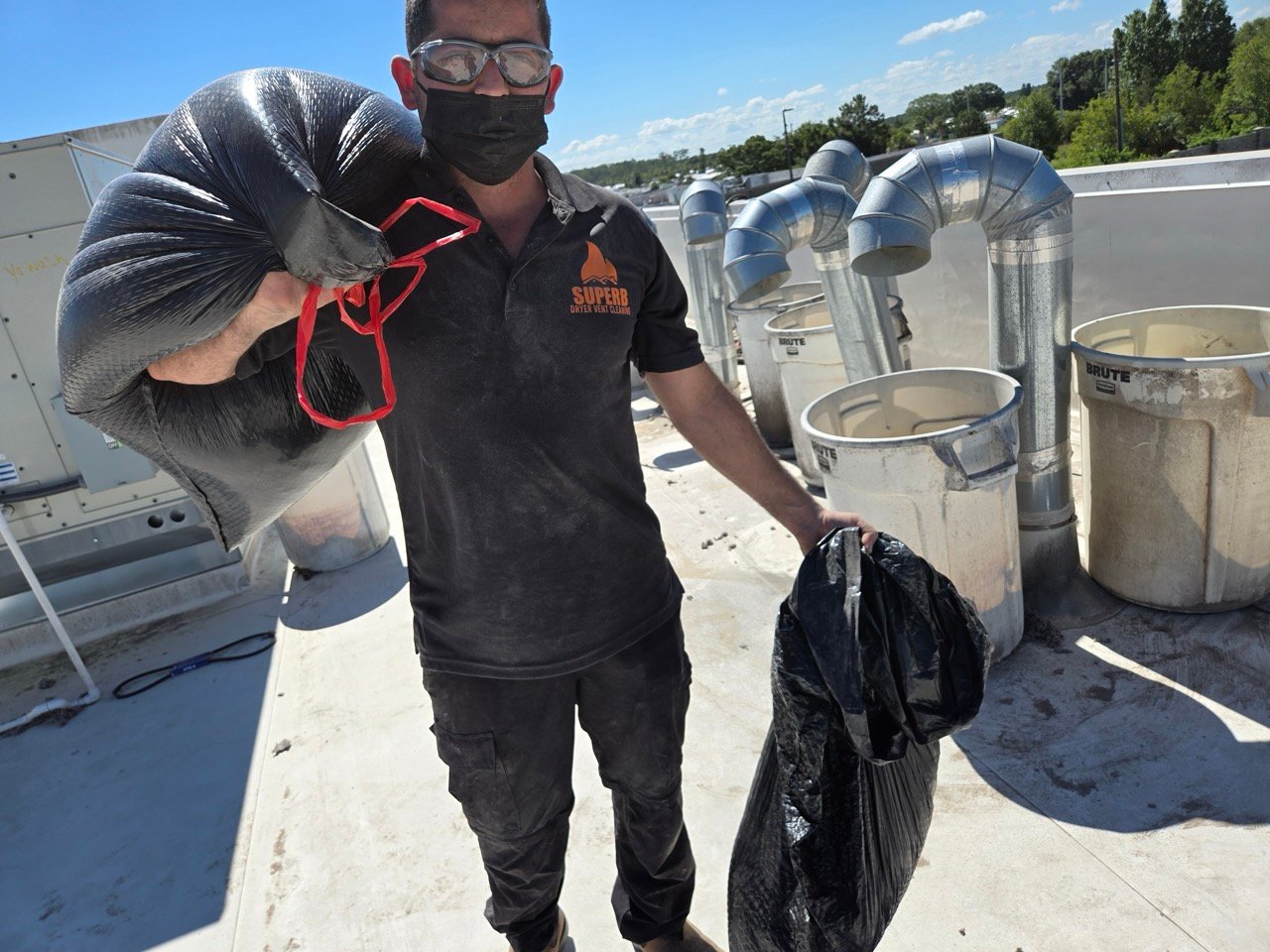
When performance changes suggest an airflow problem, professional residential dryer vent cleaning can remove accumulated lint from portions of the exhaust route that homeowners cannot reach through routine lint-screen cleaning.
Why Do Frequent Laundry Loads Matter for Dryer Vent Airflow?
Every drying cycle moves heated air through wet clothing and then sends that moisture-filled exhaust through the dryer vent. Clothing also releases fibers during the process. Although the lint filter captures a significant amount of this material, it does not mean the entire exhaust system remains permanently free of lint.
For a household running the dryer frequently, the system handles more total exhaust over time. That makes changes in airflow and drying performance particularly useful to watch.
The U.S. Fire Administration recommends cleaning the lint filter before and after each load and cleaning dryer vent ductwork annually. It also advises checking that venting is not damaged, crushed, or restricted.
These recommendations matter for busy households because routine lint-screen cleaning and dryer vent cleaning address different parts of the system. The lint screen is an everyday maintenance point, while the exhaust route extends beyond the appliance.
Families experiencing noticeable changes in drying performance can have the complete residential dryer exhaust route professionally cleaned and evaluated instead of assuming that a clean lint screen rules out a deeper restriction.
Does a Clean Lint Screen Mean the Dryer Vent Is Clear?
No. A clean lint screen is essential maintenance, but it does not confirm that the exhaust duct is completely clear.
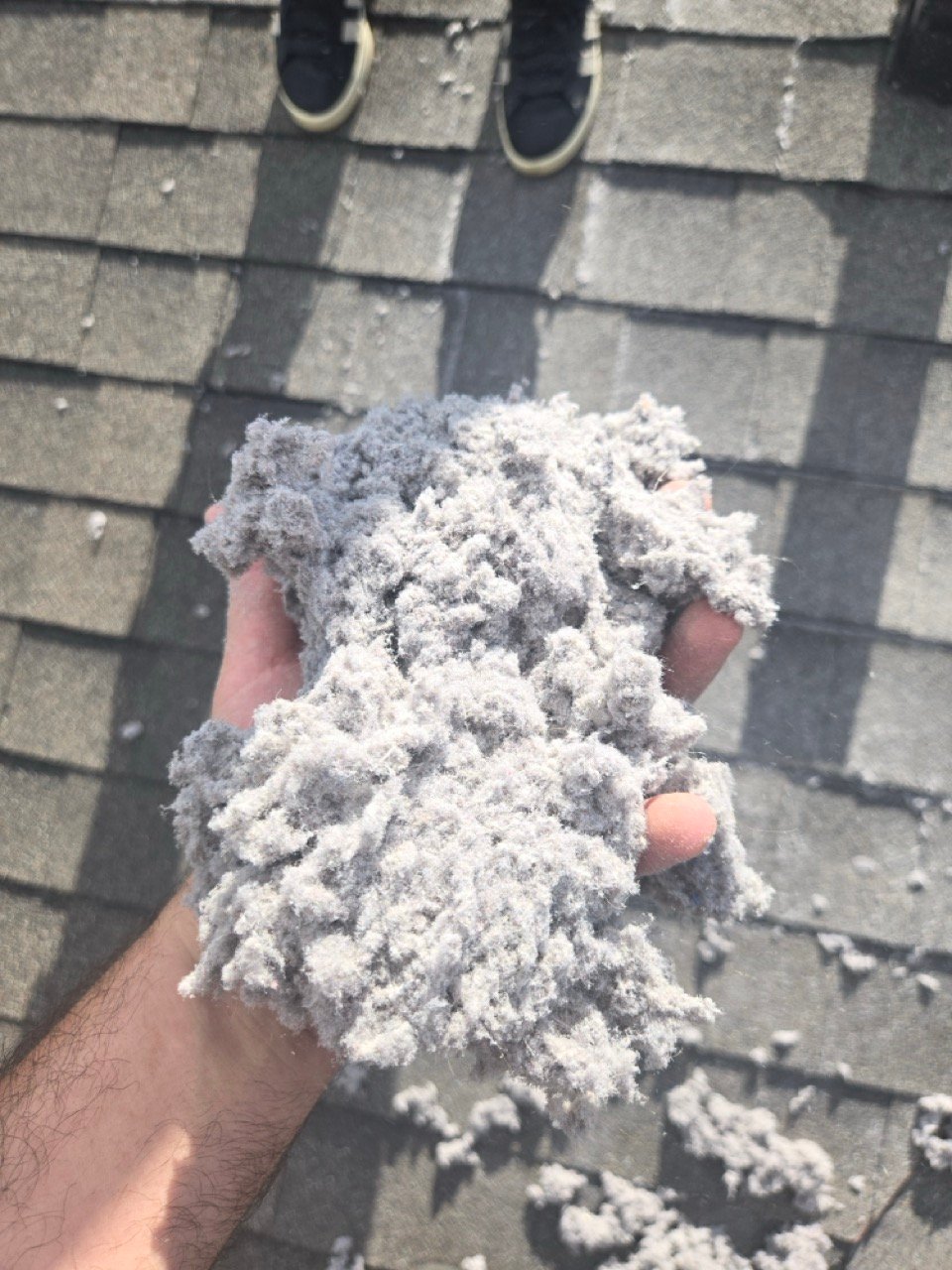
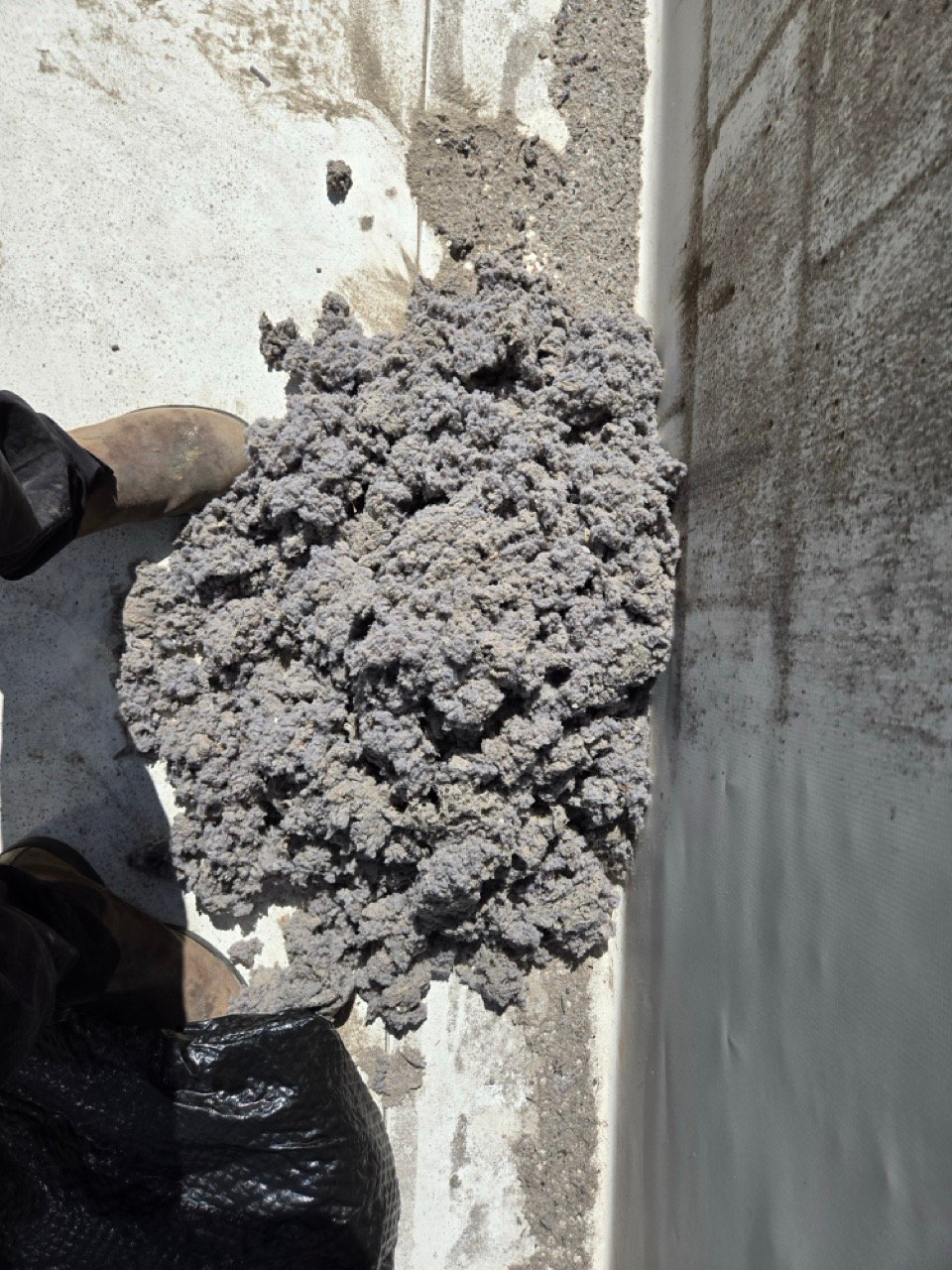
The screen is designed to capture lint before exhaust leaves the appliance. Some fine material can still move beyond that point and enter the exhaust system. Over time, accumulation can occur farther along the route where homeowners cannot see it during normal laundry use.
This distinction can be easy to miss in a busy home. A family may clean the lint filter after every cycle and reasonably believe the entire system is being maintained. Months later, drying time begins increasing even though the screen still looks clean.
That does not prove lint buildup is responsible. A crushed transition connection, obstructed exterior termination, appliance problem, incorrect settings, oversized loads, or poor washer spin performance can create similar symptoms.
If a clean lint screen is accompanied by persistent airflow or drying problems, exploring professional dryer vent services in Wesley Chapel can help determine whether the restriction is located farther along the exhaust route.
What Warning Signs Can Busy Families Watch For?
Changes in normal dryer performance are often more useful than trying to guess how much lint may be inside a hidden duct.
One important sign is gradually increasing drying time. If towels, bedding, or regular clothing that previously dried in one normal cycle begin requiring additional time, restricted exhaust airflow is one possible cause.
Other signs may include clothes remaining damp after a normal cycle, unusual heat around the dryer, weak airflow from an accessible exterior termination, or an exterior flap that does not open properly during operation. Some dryers may also display an airflow or vent warning when the appliance detects a potential restriction.
Whirlpool identifies long drying times, a dryer that becomes very warm, steam or moisture, and certain vent-related alerts as possible indicators of restricted household venting. These symptoms should still be evaluated in context because they can overlap with appliance and laundry-use problems.
For persistent symptoms that cannot be explained by settings or load size, requesting a professional dryer vent airflow evaluation can help identify whether the exhaust route needs attention.
Can Oversized Laundry Loads Look Like a Dryer Vent Problem?
Yes. Loading too much laundry into the dryer can reduce the space clothes need to tumble and can make drying less effective. That means a slow load does not automatically prove the vent is restricted.
This is particularly important for large families because it can be tempting to combine more clothing into fewer cycles. Bulky towels, bedding, blankets, and large clothing loads may behave differently from smaller everyday loads.
Imagine a household where normal clothing dries properly but an oversized load of towels remains damp. That pattern may point toward load size rather than a vent problem. If ordinary loads also begin taking significantly longer and exterior airflow seems weaker than before, the exhaust system becomes a more reasonable area to investigate.
A useful troubleshooting approach is to compare similar loads under similar settings rather than judging the vent based on one unusually large load. When poor performance continues across normal loads, professional residential dryer vent cleaning and airflow assessment can help determine whether lint accumulation is contributing.
The Superb Dryer Vent Cleaning Wesley Chapel business authority reference provides additional verification of the company’s local business presence and service information.
How Can Heavy Laundry Use Contribute to Lint Buildup Over Time?
Every load produces some lint as fabrics tumble and dry. The lint screen captures much of it, but small fibers can still move into the exhaust system. When a dryer operates frequently, the vent handles more exhaust and more opportunities for lint to travel beyond the filter.
This does not mean a household that runs several loads per day automatically has a clogged vent. Vent configuration, duct condition, laundry habits, appliance performance, and previous maintenance all influence how quickly restrictions may develop.
A busy family might notice that the dryer still works, but cycles are gradually getting longer. Because the change happens slowly, it can become easy to treat the extra drying time as normal. Comparing current performance with how the same dryer handled similar loads several months earlier can provide a useful clue.
When gradual performance changes occur despite regular lint-screen cleaning, professional cleaning of the residential dryer exhaust route can address lint buildup located farther inside the system.
Why Do Towels, Bedding, and Bulky Loads Deserve Extra Attention?
Towels, sheets, blankets, and other bulky items can hold substantial moisture after washing. The dryer must remove that moisture and move it through the exhaust system as the load dries.
A single slow bulky load is not enough to diagnose restricted airflow. Load size, fabric type, washer spin performance, and dryer settings can all influence drying time. However, repeated difficulty drying loads that previously finished normally can indicate that something has changed.
For example, a Wesley Chapel family may wash several loads of towels each weekend. Over time, they notice that the first load takes longer and the laundry room feels warmer during operation. Reducing the load size helps somewhat, but normal loads are also beginning to take longer. At that point, checking the exhaust system becomes more reasonable than continuing to add drying time.
If the problem persists across properly sized loads, residential dryer vent cleaning and airflow evaluation can help determine whether lint accumulation is interfering with exhaust performance.
Can the Washer Affect How Long the Dryer Runs?
Yes. Dryer performance starts before clothes enter the dryer.
If the washer does not remove enough water during its final spin, clothes enter the dryer wetter than usual. The dryer then needs additional time to remove that moisture, even when the exhaust vent is functioning normally.
This is an important distinction for households trying to diagnose longer drying cycles. If clothes suddenly feel unusually wet when they leave the washer, the washer’s cycle, load balance, spin setting, or mechanical condition may deserve attention.
Compare similar loads whenever possible. If laundry leaves the washer normally but drying time has increased across multiple load types, checking dryer airflow becomes more useful.
A vent restriction is only one possible cause, so professional dryer vent services for Wesley Chapel homes should be considered as part of accurate troubleshooting rather than as an automatic solution to every slow-drying problem.
How Can a Crushed Transition Duct Affect a Busy Laundry Routine?
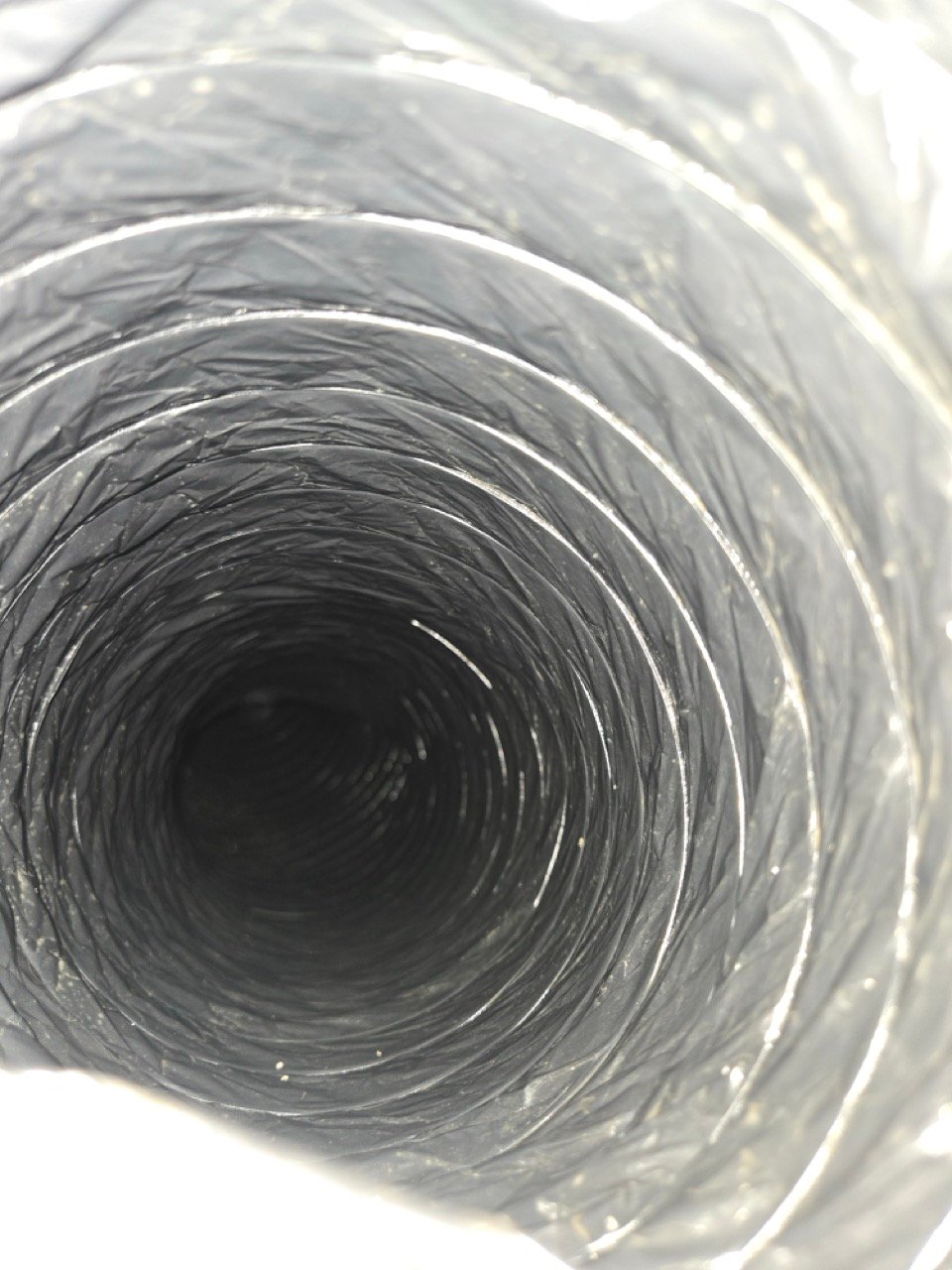
The transition duct connects the dryer to the home’s exhaust system. If this connection becomes crushed or sharply kinked behind the appliance, it can reduce the available path for exhaust air.
This can happen when the dryer is pushed too close to the wall or moved for cleaning, flooring work, appliance replacement, or laundry-room renovations. A busy household may notice the result quickly because the dryer operates so frequently.
The U.S. Fire Administration recommends making sure dryer venting is not damaged, crushed, or restricted. This is an important reminder because cleaning lint from the vent will not repair a physically damaged or compressed connection.
If the area is safely visible, homeowners can check for an obvious kink without disconnecting gas, electrical, or other utility connections. When the connection or hidden venting cannot be inspected safely, request a professional dryer vent evaluation rather than moving or dismantling the appliance unnecessarily.
Why Should Families Pay Attention to the Exterior Dryer Vent?
The exhaust route does not end behind the dryer. Warm, moisture-filled air must travel through the duct and leave through the exterior termination.
When safely accessible, observing that termination while the dryer operates can provide useful information. The U.S. Fire Administration recommends checking that the outdoor vent covering opens during operation.
A flap that barely moves, visible lint around the outlet, or noticeably weaker exhaust than usual can justify further investigation. These observations do not identify the exact location or cause of a restriction, but they can indicate that airflow deserves attention.
Avoid inserting objects into the termination or climbing onto a roof to perform an inspection. Roof-level or otherwise difficult-to-access outlets should be left to professionals.
For families noticing weak exhaust alongside longer drying cycles, professional residential dryer vent cleaning can address accumulated lint within the exhaust route and help determine whether another airflow issue remains.
Can Frequent Dryer Use Make Small Airflow Problems Easier to Notice?
Yes. When a dryer operates frequently, even a developing airflow restriction may become noticeable through changes in everyday performance. A household completing several loads each week has many opportunities to compare drying times, appliance temperature, and exterior exhaust with previous cycles.
The key is consistency. One slow load of heavy bedding does not establish a vent problem. But when ordinary loads that previously dried normally begin taking longer across several cycles, the pattern deserves attention.
Frequent use can also make it tempting to accept gradually longer cycles as the new normal. Keeping an eye on changes can help homeowners investigate the cause before repeatedly adding more drying time.
If drying performance has steadily declined, professional residential dryer vent cleaning and airflow evaluation can help determine whether accumulated lint is contributing or whether another issue should be investigated.
How Often Should a Busy Household Check Dryer Vent Performance?
There is no need to perform a technical inspection after every load. Instead, basic dryer maintenance and awareness can become part of the normal laundry routine.
The U.S. Fire Administration recommends cleaning the lint filter before and after each load and cleaning dryer vent ductwork every year. It also recommends making sure the vent is not damaged, crushed, or restricted and checking that the outdoor vent covering opens during operation.
Households with heavy laundry use can also watch for performance changes between scheduled maintenance. If normal loads suddenly take significantly longer, the dryer becomes unusually warm, or exterior exhaust appears weaker, those symptoms provide a reason to investigate sooner.
Cleaning frequency should not be based on family size alone. Actual dryer use, vent design, lint accumulation, and performance matter more. When maintenance is due or symptoms appear, explore professional dryer vent services for Wesley Chapel households to determine an appropriate next step.
What Can Families Safely Check Before Scheduling Service?
Start with the lint screen. Keeping it clean is one of the simplest steps homeowners can take as part of routine dryer maintenance.
Next, consider the load itself. If only oversized loads are slow, try a properly sized load using the appropriate dryer setting. Also notice whether clothes are unusually wet when they leave the washer because poor spin performance can increase drying time.
If safely visible, check the transition connection behind the dryer for an obvious kink or crushed section. An accessible exterior termination can also be observed while the dryer operates to see whether the flap opens normally.
Avoid disconnecting gas lines, opening electrical components, reaching deeply into hidden ductwork, or accessing a roof termination. If basic checks do not explain persistent performance changes, schedule a professional dryer vent evaluation instead of attempting unsafe troubleshooting.
When Is the Dryer Itself More Likely to Be the Problem?
A clear vent does not guarantee that every dryer will operate correctly. Heating components, temperature controls, sensors, motors, electrical systems, or other appliance parts can contribute to poor performance.
Settings and laundry habits matter as well. Overloading can prevent proper tumbling, while clothes entering the dryer excessively wet can extend cycle times even with good exhaust airflow.
This distinction becomes especially important after vent cleaning. If the exhaust route has been cleaned, adequate airflow has been confirmed, and normal loads still take unusually long to dry, repeatedly cleaning the vent is unlikely to solve the problem.
At that point, the appliance or another part of the laundry process may need further diagnosis. Professional residential dryer vent cleaning is intended to address exhaust-system buildup, not replace qualified appliance repair when the dryer itself is malfunctioning.
What Should Wesley Chapel Families Do When Dryer Airflow Seems Weaker?
Begin with the simplest variables: clean the lint screen, use a normal load size, confirm the appropriate settings, and notice how wet the laundry is coming from the washer. Then visually check the accessible transition connection and exterior termination when it can be done safely.
If normal loads continue taking longer or exterior airflow seems noticeably weaker, the exhaust route deserves closer attention. Professional residential dryer vent cleaning can remove accumulated lint when buildup is contributing to the restriction.
Families can also review available dryer vent services in Wesley Chapel to understand the local service options. If symptoms continue or the system cannot be safely evaluated from accessible areas, schedule a professional dryer vent assessment rather than attempting to dismantle the appliance or reach hidden ductwork.
Heavy laundry use is not proof of a clogged vent. It simply makes consistent maintenance and attention to changing performance more valuable. The goal is to keep exhaust moving effectively while recognizing when a dryer, washer, vent configuration, or another issue may be responsible.
The Superb Dryer Vent Cleaning Wesley Chapel business authority reference provides additional verification of the company’s local presence and service information.
Frequently Asked Questions
Can doing a lot of laundry clog a dryer vent faster?
Frequent dryer use means more loads, more fabric fibers, and more exhaust moving through the system over time. That can create more opportunities for lint to accumulate beyond the lint screen. However, heavy laundry use does not automatically mean the vent is clogged. Vent configuration, maintenance history, duct condition, and the types of loads being dried also matter. If normal loads gradually take longer despite regular lint-screen cleaning, professional residential dryer vent cleaning may be worth considering.
Why does my dryer take longer when drying towels?
Towels can retain considerable moisture, particularly when loads are large. They may naturally require more drying time than lightweight clothing. Check the load size and how wet the towels are after the washer’s final spin. If towels previously dried normally but now consistently require additional cycles, restricted exhaust airflow is one possible cause. Compare several similar loads before assuming the vent is responsible.
Does cleaning the lint screen keep the dryer vent clean?
No. Cleaning the lint screen is essential, but it does not clean the entire exhaust route. Some fibers can travel beyond the filter and accumulate farther inside the vent over time. The U.S. Fire Administration recommends cleaning the lint filter before and after each load and cleaning dryer vent ductwork annually. If airflow or drying performance declines, professional cleaning of the complete residential exhaust route can address buildup beyond normal homeowner access.
How can I tell if my dryer has poor airflow?
Possible warning signs include increasingly long drying cycles, clothes remaining damp, unusual heat around the dryer, weak exhaust at an accessible exterior outlet, or a vent flap that does not open normally while the dryer operates. Some dryer models may also display vent or airflow warnings. These signs can indicate restricted airflow, but they can overlap with appliance, load-size, or installation problems, so the exact cause may require further evaluation.
Can overloading my dryer cause the same symptoms as a clogged vent?
Yes. An overloaded dryer may not provide enough space for clothes to tumble effectively, which can increase drying time. Bulky items can make this particularly noticeable. Before assuming the exhaust vent is restricted, compare performance with a properly sized load and appropriate settings. If ordinary loads also take significantly longer than before, having the dryer vent airflow evaluated can help determine whether the exhaust system is contributing.
Can a washing machine make dryer cycles take longer?
Yes. If the washer does not remove enough water during its final spin, laundry enters the dryer wetter and requires more time to dry. This can resemble a dryer airflow problem. Check whether clothes feel unusually wet when transferring them from the washer. If washer performance appears normal but multiple types of properly sized loads are taking longer, the dryer and exhaust system deserve closer attention.
How often should a busy family clean the dryer vent?
The U.S. Fire Administration recommends cleaning dryer vent ductwork every year. Heavy laundry use may make it especially useful to watch for performance changes between routine maintenance intervals, but family size alone does not determine an exact cleaning schedule. Vent design, lint accumulation, dryer use, and airflow all matter. Longer drying times or weaker exhaust can justify earlier evaluation rather than simply waiting for a specific date.
Can a crushed dryer duct reduce airflow?
Yes. A crushed or sharply kinked transition duct behind the dryer can restrict exhaust airflow. This can happen when the appliance is pushed too close to a wall or moved and repositioned. The U.S. Fire Administration advises making sure dryer venting is not damaged, crushed, or restricted. If the connection is safely visible, check for obvious problems without disconnecting gas or electrical connections. Cleaning alone will not repair a physically damaged duct.
Should I check the outside dryer vent when drying performance changes?
If the exterior termination is safely accessible, observing it while the dryer operates can provide useful information. The vent covering should be able to open and allow exhaust to leave. Weak airflow, visible lint accumulation, or a flap that does not operate normally can justify further investigation. Do not climb onto a roof or enter unsafe areas to perform this check. Difficult-to-access terminations should be evaluated professionally.
What if my dryer still takes too long after vent cleaning?
If the exhaust system has been properly cleaned and airflow is adequate but normal loads still take unusually long, another issue may be responsible. Possible factors include oversized loads, poor washer spin performance, incorrect settings, heating-system problems, sensors, or other dryer components. Repeated vent cleaning will not repair an appliance malfunction. Once airflow restriction has been ruled out, qualified appliance diagnosis may be the appropriate next step.
For help evaluating weak airflow or lint buildup in a busy household, schedule professional residential dryer vent service in Wesley Chapel.
The Superb Dryer Vent Cleaning Wesley Chapel business authority reference provides additional verification of the local business presence and service information.