Older homes have a unique charm that many homeowners appreciate. Mature landscaping, established neighborhoods, and classic architectural details often make these properties feel warm and inviting. While these homes offer many advantages, some of the systems hidden behind the walls have been working for decades and deserve just as much attention as the features you see every day.
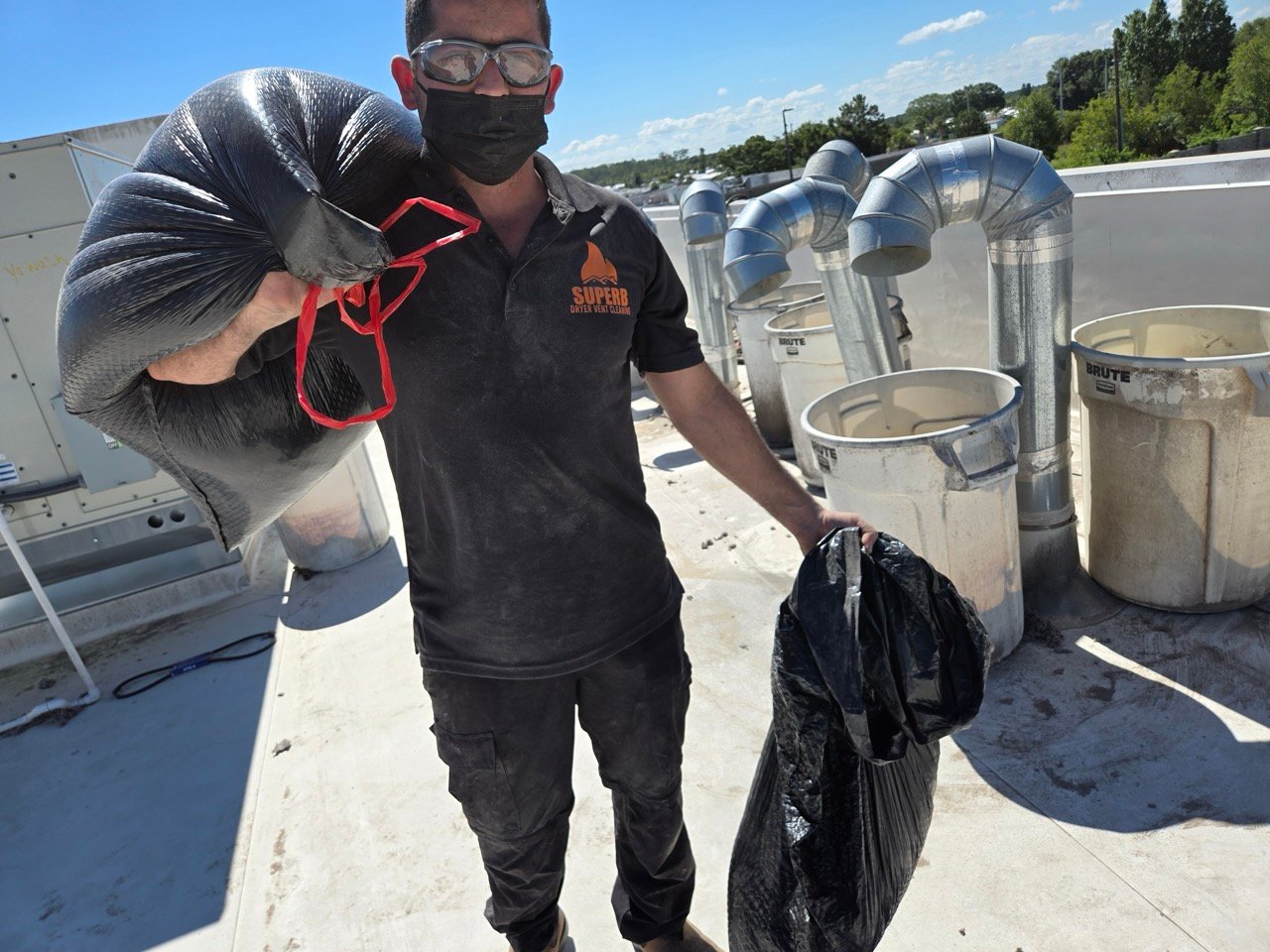
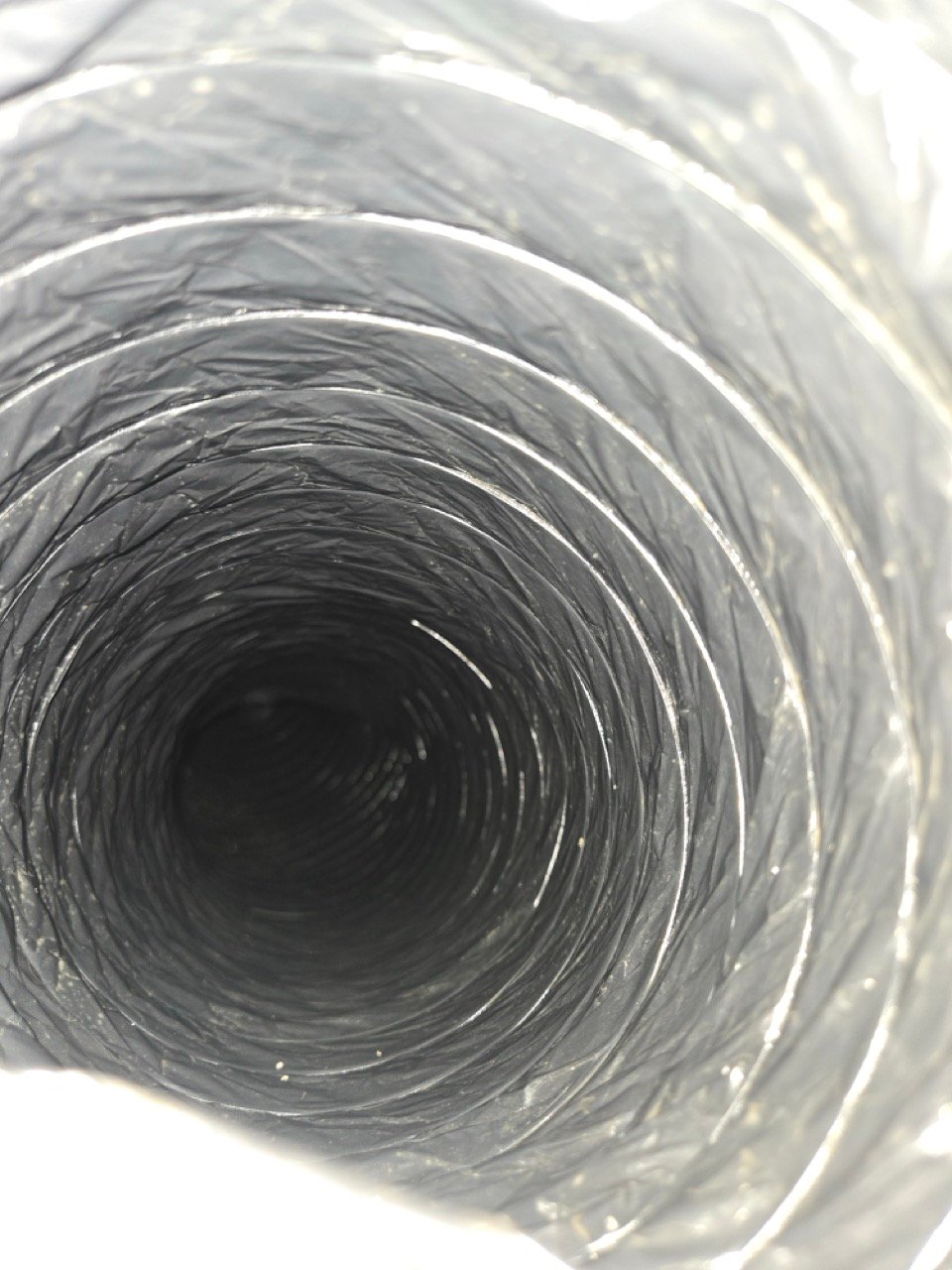
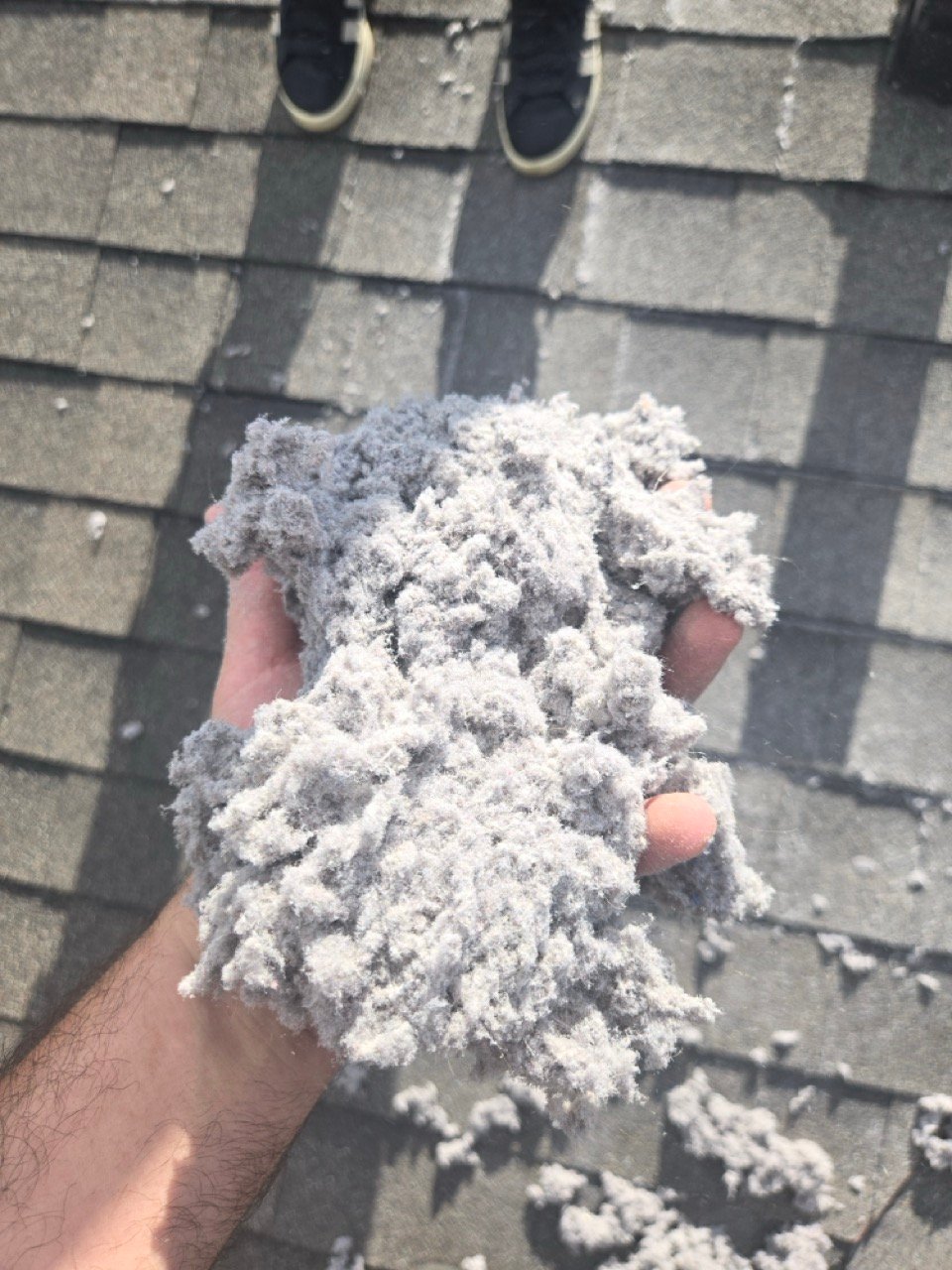
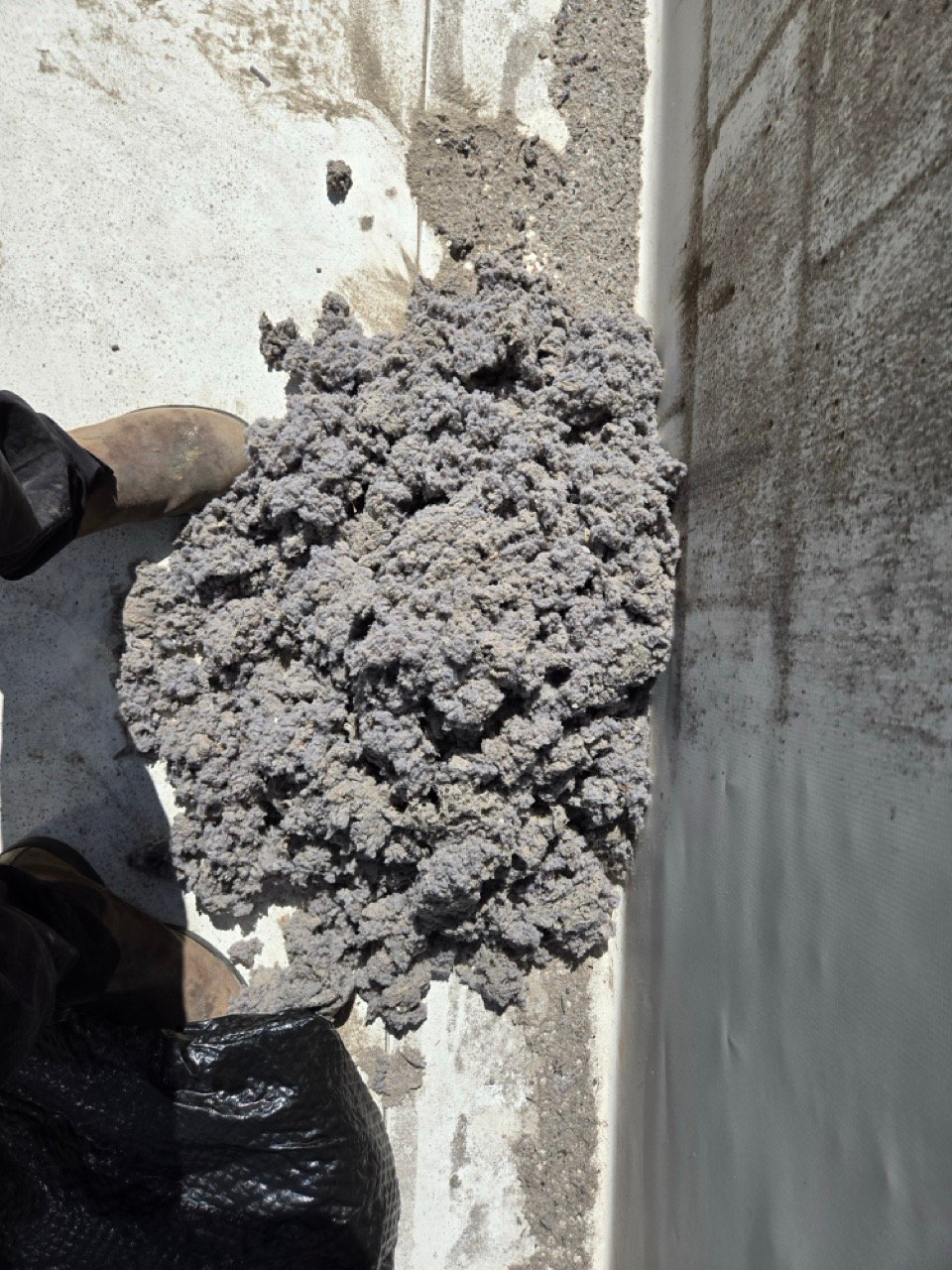
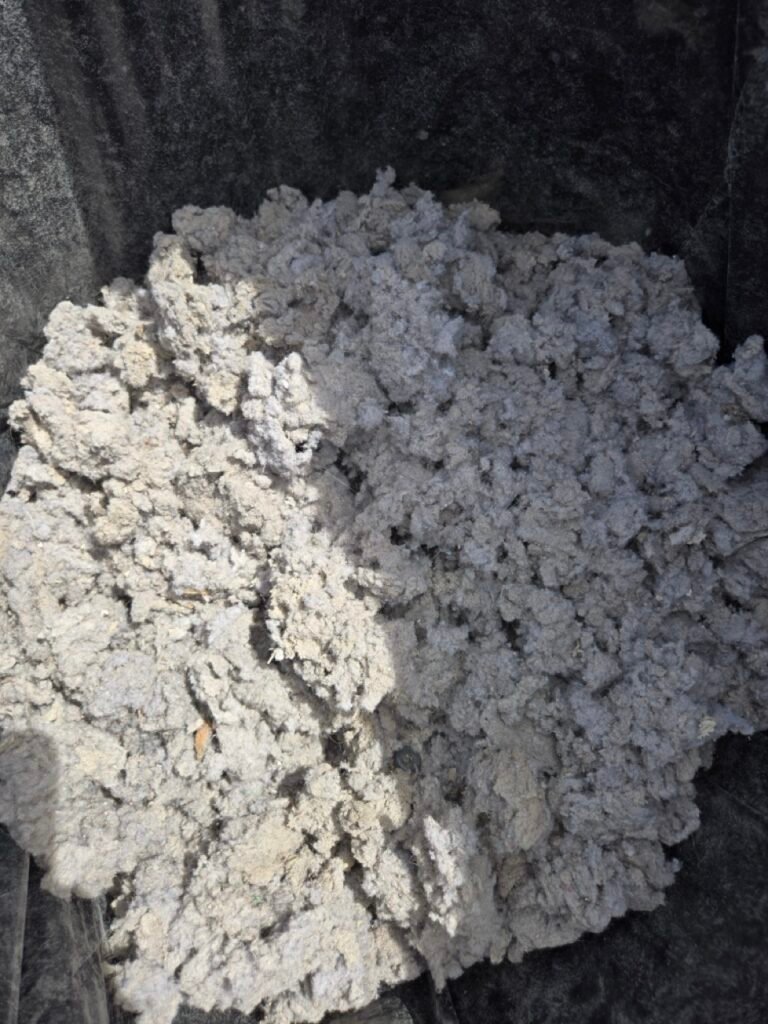
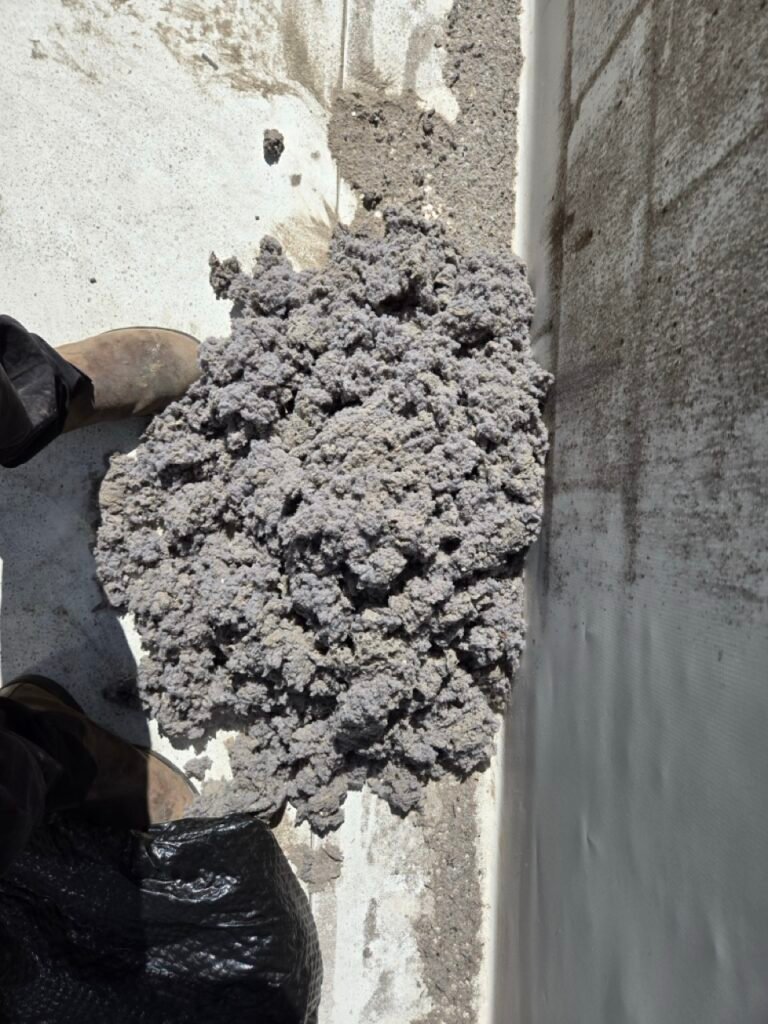
A homeowner in one of Wesley Chapel’s older neighborhoods recently scheduled an inspection after noticing the dryer was taking much longer to finish even small loads of laundry. The appliance itself appeared to be working normally, so replacing it seemed like the obvious solution. Instead, the inspection revealed that the dryer vent had accumulated years of lint inside an older, longer vent route that had never been professionally cleaned. Once the buildup was removed and airflow was restored, the dryer returned to normal operation without needing to be replaced.
Experiences like this remind homeowners that older properties often have maintenance needs that newer homes may not. While age alone doesn’t guarantee a clogged vent, older vent systems have simply had more years of use, more opportunities for lint to accumulate, and sometimes older installation methods that no longer provide ideal airflow. Understanding these factors helps homeowners make informed decisions about dryer vent cleaning before small restrictions become larger concerns.
If you’d like to better understand what technicians evaluate during a professional inspection, discover what a complete dryer vent inspection involves and learn how routine maintenance helps identify hidden issues before they affect everyday dryer performance.
Years of Everyday Laundry Gradually Add Up
One of the biggest differences between older and newer homes isn’t necessarily the design of the dryer vent. It’s simply the number of years the system has been in use.
Every load of laundry sends warm air and tiny lint particles through the exhaust vent. Even when the lint screen is cleaned after every cycle, a small amount of lint continues traveling through the vent system. Over many years, those particles gradually settle along the interior walls, especially around bends, longer vent runs, and connection points where airflow naturally slows.
Many homeowners are surprised during inspections because they’ve never experienced a complete blockage. Instead, they notice subtle changes such as clothes taking a little longer to dry or the dryer feeling warmer than it used to. These gradual changes often indicate that routine maintenance has simply been overlooked for a long period.
To better understand how preventative care supports long-term dryer performance, explore practical maintenance solutions designed for local homeowners and see why regular inspections remain valuable regardless of a home’s age.
Older Vent Materials May Not Perform Like Modern Systems
Many older homes were built using vent materials and installation practices that were common at the time but may not perform as efficiently as today’s recommended methods.
Some properties still have longer vent routes, additional bends, or older transition hoses that naturally collect lint more easily than newer, smoother vent systems. These conditions don’t automatically create problems, but they can make routine maintenance even more important.
During one inspection, a homeowner assumed the vent was relatively short because the laundry room sat near an exterior wall. After tracing the exhaust path, it became clear that the vent traveled through part of the attic before exiting the home. The longer route wasn’t visible during everyday use, yet it explained why lint had accumulated more than expected over the years.
If you’ve never had your dryer vent professionally evaluated, learn how regular inspections help identify hidden airflow restrictions before they begin affecting your dryer’s performance.
Renovations Can Change the Way a Dryer Vent Functions
Many older homes have been updated over the years. Kitchens are remodeled, laundry rooms are relocated, additions are built, and living spaces are redesigned to better suit growing families. While these improvements often enhance the home, they can also change the path a dryer vent takes without homeowners giving it much thought.
One inspection involved a home where the laundry room had been moved from the garage to an interior utility room during a renovation years earlier. The dryer worked every day without obvious problems, but the vent now traveled a much longer distance before reaching the outside. That additional length, combined with several bends, had created ideal places for lint to collect over time. The homeowners had no idea the vent route had become more complex because everything was hidden behind finished walls.
Longer vent runs don’t automatically require repairs, but they do benefit from routine inspections to ensure airflow remains unrestricted and the system continues operating efficiently.
If you’re unsure how your dryer vent is routed, find out what technicians evaluate during a complete dryer vent inspection and learn how hidden airflow restrictions are identified.
Years of Small Maintenance Delays Can Add Up
One of the most common discoveries during inspections isn’t a major blockage. Instead, it’s several small maintenance issues that have accumulated over many years.
A slightly bent transition hose, lint collecting around a ninety-degree elbow, an exterior vent hood partially covered by landscaping, and years without a professional inspection may not seem significant individually. Together, however, they can noticeably reduce airflow and make the dryer work harder during every cycle.
Older homes have simply had more time for these smaller issues to develop. Many homeowners have lived comfortably in the same house for years without realizing that gradual changes inside the vent system are affecting dryer performance.
Routine Dryer Vent Maintenance Wesley Chapel helps identify these concerns early, making it easier to restore proper airflow before larger problems develop.
If you’d like to stay ahead of hidden maintenance issues, explore practical dryer vent maintenance guidance for local homeowners and see how preventative care supports long-term performance.
Older Neighborhoods Often Have More Mature Landscaping
One advantage of older Wesley Chapel neighborhoods is the beautiful mature trees and established landscaping that give many properties their character. However, these features can also create additional maintenance considerations for exterior dryer vent openings.
Leaves, pine needles, grass clippings, seed pods, and other outdoor debris may gradually collect around the exterior vent hood throughout the year. Combined with Florida’s humidity and seasonal rain, these materials can partially restrict airflow if the outside vent isn’t checked periodically.
During one service visit, the vent inside the home was relatively clean, yet the exterior hood was partially blocked by leaves that had accumulated after several storms. Clearing the outside vent restored airflow immediately and helped the dryer perform much more efficiently.
Many of the maintenance recommendations discussed in this article are supported by trusted dryer vent safety guidance, which encourages homeowners to keep dryer exhaust systems clean and unobstructed as part of routine home maintenance.
If you’d like to better understand how technicians inspect both the interior vent and the exterior termination point, see how a complete dryer vent evaluation is performed before small issues become larger concerns.
Waiting for Dryer Problems Isn’t Always the Best Approach
Many homeowners don’t think about the dryer vent until clothes begin taking longer to dry or the appliance starts running hotter than usual. By that point, lint has often been accumulating for months or even years.
Preventative maintenance focuses on identifying developing restrictions before they affect daily routines. Regular inspections help confirm that the vent system is exhausting air properly, allowing the dryer to operate more efficiently while reducing unnecessary wear.
Older homes don’t require more attention because they are poorly built. They simply have a longer history of daily use, making routine inspections an important part of protecting the entire dryer vent system.
If you’re looking for practical ways to keep your dryer operating efficiently throughout the year, browse additional maintenance tips and local homeowner resources to learn more about preventative dryer vent care.
Protecting Older Homes Starts with Consistent Maintenance
Owning an older home comes with unique responsibilities. While these properties often have character, quality craftsmanship, and established neighborhoods that many people appreciate, some of the systems hidden behind the walls have simply been working longer than those in newer homes. The dryer vent is one of them.
Routine maintenance isn’t about assuming something is wrong because a home is older. It’s about recognizing that years of everyday laundry naturally allow small amounts of lint to accumulate inside the vent system. Regular inspections help confirm that airflow remains unrestricted, vent connections are secure, and the entire exhaust path continues operating as intended.
For homeowners, Residential Dryer Vent Cleaning Wesley Chapel provides an opportunity to remove accumulated lint while identifying developing concerns before they begin affecting dryer performance. Businesses, apartment communities, salons, and other properties with heavier laundry demands often benefit from Commercial Dryer Vent Cleaning Wesley Chapel, where maintenance is tailored to higher equipment usage and longer operating hours.
If your dryer has started taking longer to dry clothes, feels hotter than usual, or the vent hasn’t been professionally inspected in several years, schedule a professional dryer vent evaluation with our experienced local team before minor airflow restrictions become larger maintenance concerns.
A Little Preventative Care Can Go a Long Way
Older homes have stood the test of time because they’ve been cared for over the years, and the dryer vent deserves the same level of attention. Small habits like cleaning the lint screen after every load, checking the outside vent periodically, avoiding crushed vent hoses, and arranging regular inspections all contribute to better airflow and more consistent dryer performance.
The age of a home isn’t what causes dryer vent problems. It’s the years of normal use that gradually allow lint and debris to collect inside the system. Recognizing that difference helps homeowners focus on preventative maintenance instead of waiting for noticeable warning signs.
If you’d like to continue protecting your home’s dryer vent system, browse additional maintenance tips and practical homeowner resources to learn more about keeping airflow unrestricted throughout the year.
Superb Dryer Vent Cleaning Wesley Chapel proudly helps homeowners and businesses maintain cleaner, safer, and more efficient dryer vent systems with professional inspections and maintenance services tailored to each property’s needs.
If you’d like personalized recommendations for your home, schedule a convenient inspection with our local team.
Keep Your Dryer Vent Working Efficiently
Taking care of an older home’s dryer vent is easier when you have the right information and support. If you’re interested in learning more about keeping your system operating safely and efficiently, discover what technicians inspect during a complete residential dryer vent service and see how routine maintenance helps identify hidden airflow restrictions.
If you own or manage a business, apartment community, salon, or another property with frequent dryer use, explore professional maintenance solutions designed for commercial laundry environments to understand how scheduled service helps support consistent dryer performance.
For more seasonal advice, maintenance recommendations, and homeowner education, browse our collection of dryer vent care resources to stay informed about simple ways to reduce lint buildup and improve efficiency.
Many of the maintenance practices discussed throughout this article are supported by trusted dryer vent safety recommendations from recognized industry guidance, which provides additional information on proper dryer vent maintenance, airflow, and safe dryer operation.
Whenever you’re ready to have your system professionally evaluated, schedule a convenient appointment with our local specialists for personalized recommendations based on your property’s needs.
Frequently Asked Questions
1. Why do older homes often need more frequent dryer vent cleaning?
Older homes have simply had more years of everyday dryer use. Even if the lint trap has been cleaned regularly, small amounts of lint can gradually build up inside the vent over time, making periodic inspections and dryer vent cleaning an important part of routine home maintenance.
2. Can a newer dryer still have airflow problems in an older home?
Yes. The age of the dryer and the age of the vent system are two different things. A newer appliance connected to an older vent system can still experience reduced airflow if lint has accumulated or the vent route has hidden restrictions.
3. How do renovations affect older dryer vent systems?
Home additions or laundry room remodels sometimes change the length or direction of the vent. Longer vent runs and additional bends create more places where lint can collect, making routine inspections even more valuable.
4. Are older dryer vent materials different from modern installations?
Some older homes may have vent materials or layouts that were common when the home was built but don’t perform as efficiently as newer systems. A professional inspection can identify whether the vent is still operating properly or if improvements would be beneficial.
5. What are the first signs that an older dryer vent needs attention?
Longer drying times, clothes remaining damp after one cycle, a dryer that feels unusually hot, or noticeable heat in the laundry room are all common signs that airflow may be restricted.
6. Does mature landscaping around older homes affect dryer vents?
It can. Leaves, grass clippings, pollen, and small debris may collect around the outside vent hood, especially after storms or seasonal weather changes. Checking the exterior vent periodically helps keep airflow unrestricted.
7. How often should an older home’s dryer vent be inspected?
The ideal schedule depends on how frequently the dryer is used, the size of the household, pet ownership, and the vent’s layout. Homes with heavier laundry demands often benefit from more frequent inspections than homes with lighter usage.
8. Is professional dryer vent maintenance different for businesses?
Yes. Commercial Dryer Vent Cleaning Wesley Chapel is typically based on equipment usage rather than time. Businesses, apartment communities, salons, and other facilities with frequent dryer operation often require a more structured maintenance schedule than residential properties.
9. Can routine maintenance improve dryer efficiency?
Yes. Removing accumulated lint and confirming proper airflow helps the dryer operate more efficiently, often reducing drying times while minimizing unnecessary strain on the appliance.
10. When should I schedule a professional dryer vent inspection?
If you’ve noticed changes in drying performance, recently purchased an older home, completed a renovation, or simply can’t remember the last time the vent was inspected, scheduling Dryer Vent Maintenance Wesley Chapel is a practical way to help keep your dryer operating safely and efficiently.