When a dryer that used to finish a normal load in one cycle suddenly needs two, it is easy to blame the appliance. Sometimes that is exactly where the problem is. But in many service situations, the dryer can still produce plenty of heat while struggling to move moisture out through the exhaust vent.
A Wesley Chapel resident recently described the problem in a familiar way: regular clothes were mostly drying, but towels and bedding needed a second cycle every time. The dryer was heating, the drum was turning normally, and the lint screen was cleaned after each load. They were already considering replacing the appliance.
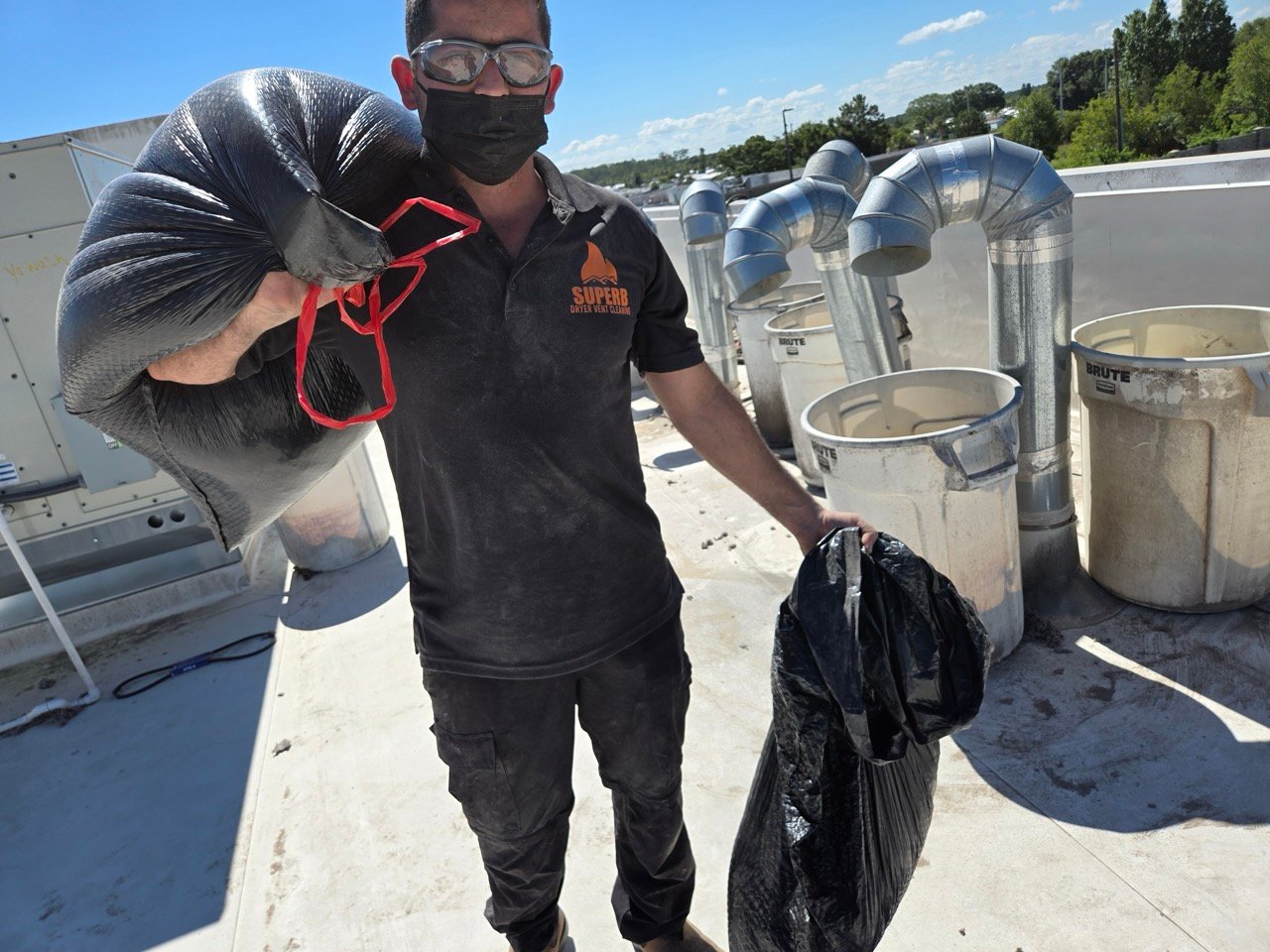
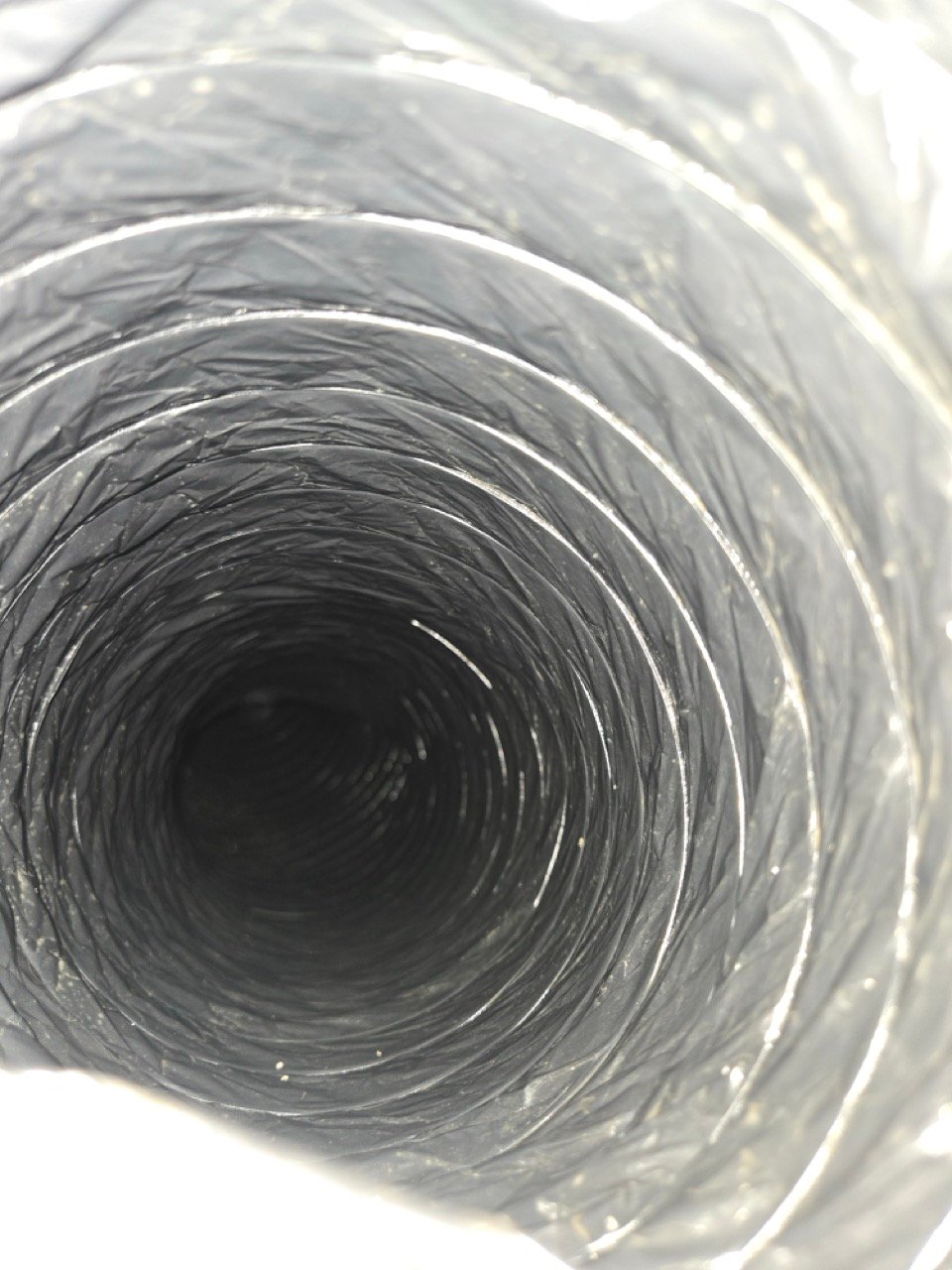
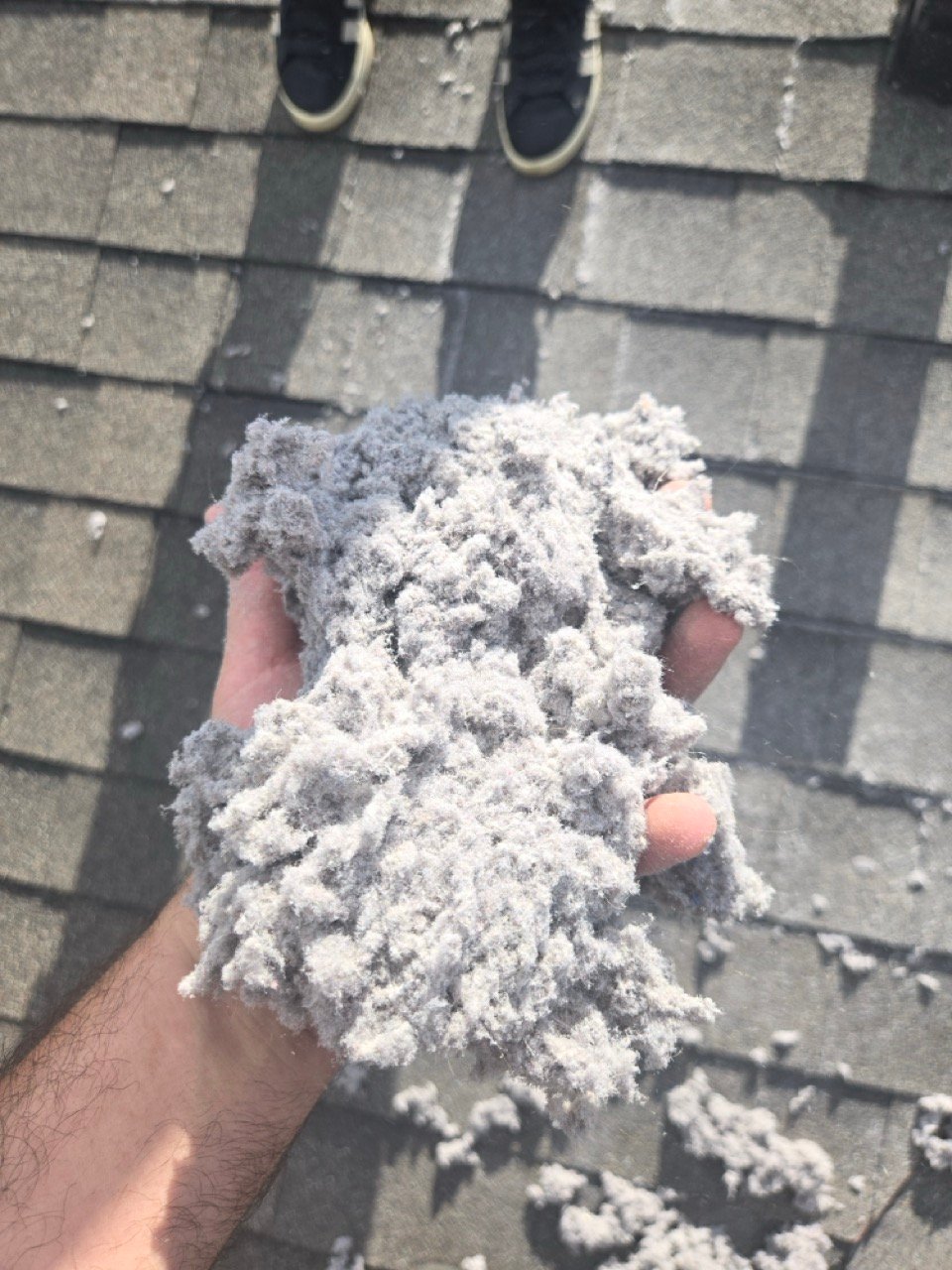
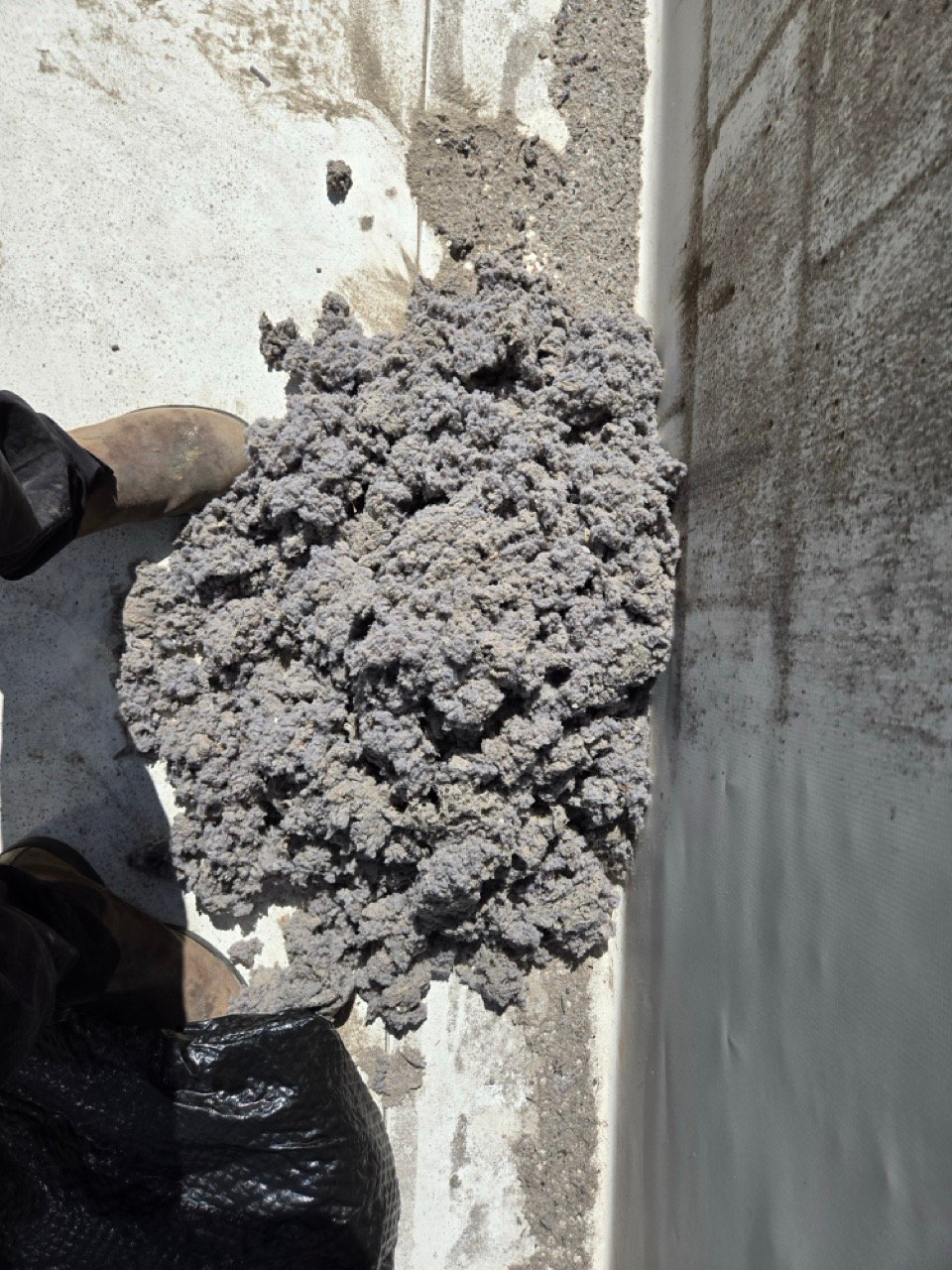
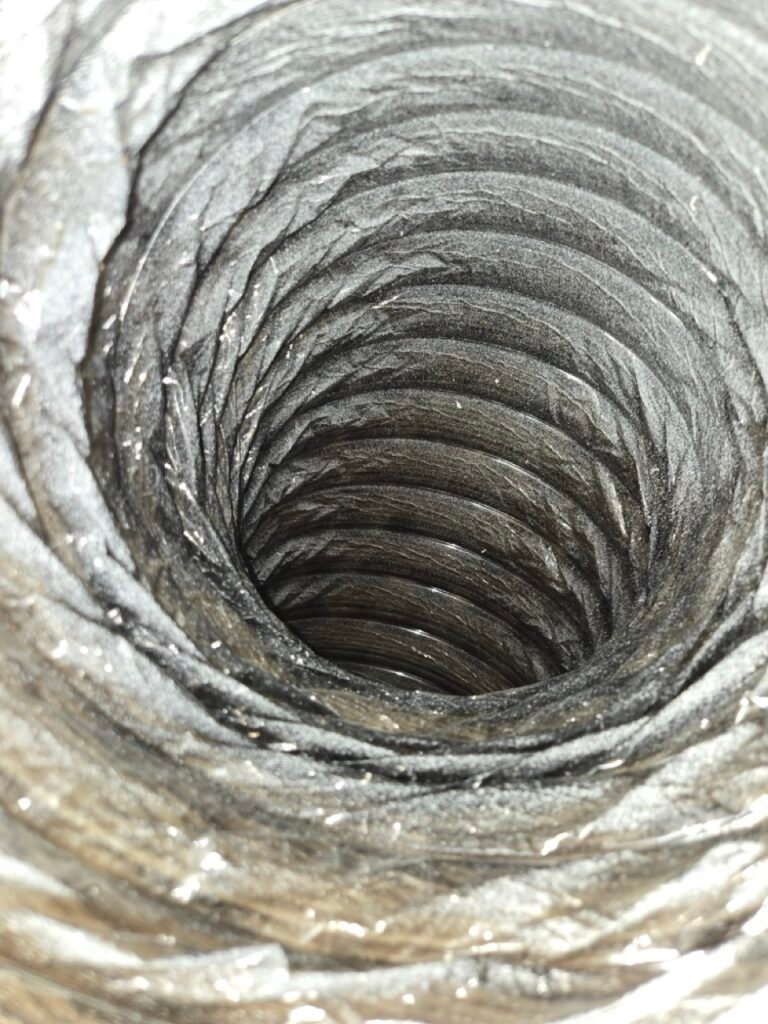
The exhaust system told a different story. Farther along the vent, lint accumulation had narrowed the path available for hot, moisture-laden air to escape. Exhaust at the exterior termination was noticeably weaker than expected. The machine was creating heat, but moisture was staying with the load longer. That meant more run time for the same laundry.
This is one of the most practical reasons to consider Dryer Vent Cleaning Wesley Chapel before assuming a slow dryer needs replacement. When the problem is related to the exhaust path, a complete residential dryer vent inspection and cleaning can address buildup that cannot be reached by simply cleaning the lint screen.
Why Restricted Exhaust Makes Clothes Take Longer to Dry
A dryer does more than heat wet clothing.
As the drum turns, warm air picks up moisture from the fabric. That moisture then needs to leave the appliance through the vent. Fresh heated air continues moving through the load while humid exhaust travels outside.
When the vent becomes restricted, that process slows down.
Think about trying to dry something in a warm but poorly ventilated room. Heat is present, but the moisture has nowhere to go efficiently. A dryer can experience a similar problem when lint reduces the exhaust pathway.
This explains why a clogged vent can be confusing. The machine may feel extremely hot, which makes it seem as though it should be drying better. More heat, however, does not compensate for poor exhaust.
A technician investigating two-cycle drying will therefore pay attention to both sides of the problem: Is the dryer producing heat, and is the system successfully exhausting moisture?
If your appliance heats normally but drying time has gradually increased, professional cleaning of the complete residential exhaust route can help determine whether lint restriction is part of the problem.
A Clogged Dryer Vent Is Common, but It Is Not the Only Cause
Slow drying should not automatically be diagnosed as a vent problem.
Several conditions can cause clothes to remain damp after a normal cycle. Looking at the entire situation helps avoid unnecessary work.
Common possibilities include:
- A lint screen that needs cleaning
- Too much clothing packed into the drum
- A cycle setting that does not match the load
- Heavy fabrics mixed with lightweight clothing
- A crushed or kinked transition duct behind the dryer
- Lint accumulation inside the exhaust vent
- A blocked or damaged exterior termination
- A heating or moisture-sensor problem
- Another mechanical issue inside the appliance
One useful clue is whether the problem appeared suddenly or gradually.
A vent restriction often becomes noticeable over time. Loads take slightly longer, then towels remain damp, and eventually a second cycle becomes routine. A sudden change immediately after moving the appliance may point toward a crushed connection. An abrupt loss of heat could suggest an appliance issue instead.
This is why good Dryer Vent Maintenance Wesley Chapel should involve observation rather than automatically scheduling cleaning whenever the dryer performs differently.
If the cause is unclear, requesting an evaluation of the dryer exhaust system can help determine whether the vent deserves attention before you replace parts or purchase a new appliance.
Check the Lint Screen Before Looking for a Bigger Problem
Start with the simplest possibility.
A heavily loaded lint screen can interfere with normal dryer performance. It should be cleaned after every load, not just when it looks completely covered.
Even households that follow this habit can run into another issue: the lint screen does not capture every fiber.
Fine lint continues past the screen and enters the exhaust route. Over hundreds of cycles, some of that material can settle along duct walls and around bends. This is why consistently cleaning the screen reduces buildup but does not eliminate the need for periodic Dryer Vent Cleaning.
I’ve spoken with residents who were genuinely surprised by the amount of material removed from a vent because they had never skipped cleaning the lint screen. Their maintenance was not wrong. The misunderstanding was expecting the screen to capture 100 percent of what the dryer produces.
The screen itself should also be checked for damage and make sure it sits properly in its housing. If it is coated with residue or visibly damaged, address that according to the dryer’s manufacturer instructions.
If basic lint-screen maintenance is already part of your routine but drying performance keeps declining, explore residential dryer vent cleaning for hard-to-reach buildup rather than assuming the visible lint trap represents the condition of the entire system.
Your Laundry Habits Can Make One Cycle Turn Into Two
Sometimes the dryer and vent are working correctly, but the load itself is creating the problem.
An overloaded drum does not give clothing enough room to tumble effectively. Mixing heavy towels with lightweight shirts can also produce uneven results because the materials release moisture at different rates.
Before assuming something is wrong, compare similar loads.
If an unusually large load needs more time, that may be expected. If the same amount of towels that dried comfortably in one cycle six months ago now consistently requires two, that change is much more useful diagnostically.
Frequent laundry also affects how quickly lint can accumulate. A household running the dryer once or twice a day moves far more material through the exhaust than someone using the appliance a few times each week.
The same principle becomes even more important in commercial settings. Equipment running repeated loads throughout the day should not follow the same maintenance assumptions as a residential machine. Businesses experiencing increasing cycle times can review commercial dryer exhaust cleaning for high-use equipment to determine whether the vent system is contributing to lost drying efficiency.
Check the Vent Connection Behind the Dryer
If the lint screen is clean and your usual load size has not changed, the next place worth checking is the short vent connection behind the appliance.
This section can become crushed when the dryer is pushed too close to the wall. It can also develop a sharp bend after the machine is moved for cleaning, flooring work, appliance replacement, or laundry room renovations. Even when the main duct is relatively clear, a restricted connection can reduce how effectively the dryer exhausts moisture.
One service call involved a dryer that began needing a second cycle shortly after the laundry room floor was replaced. The resident assumed construction dust had damaged the appliance. When the dryer was checked, it was heating normally. The more important discovery was behind it: the transition duct had been compressed when the machine was pushed back into position.
There was also some lint accumulation inside the exhaust route, but the crushed connection was making the performance problem worse. Correcting the connection and addressing the buildup restored a much better exhaust path.
The practical takeaway is simple. If drying performance changes soon after the dryer has been moved, inspect the connection before assuming the appliance needs replacement.
For systems where the visible connection looks normal but drying remains slow, a complete residential dryer vent evaluation beyond the appliance connection can identify restrictions farther along the route.

Long Dryer Vent Runs Can Increase Drying Time
Vent layout matters more than most people realize.
A dryer installed against an exterior wall may exhaust through a short, relatively direct route. Another appliance located near the center of the building might need to push exhaust through a much longer duct with several turns before reaching outside.
Those two systems do not operate under identical conditions.
Every turn adds resistance. As lint begins accumulating along the route, particularly around bends, the available pathway can become more restrictive. The dryer may still exhaust, but not as efficiently as it did when the duct was clear.
This is one reason a homeowner can look behind the dryer, see nothing obviously wrong, and still have a vent-related drying problem. The restriction may be 10, 15, or more feet away from the appliance.
A long route does not automatically mean something is wrong. Properly configured ducts can work effectively. It simply means the complete path deserves consideration when drying time starts increasing.
For Wesley Chapel properties with difficult-to-access or longer vent configurations, local dryer vent cleaning and maintenance options can help determine whether the exhaust route is contributing to repeated two-cycle drying.
Why Wesley Chapel’s Humidity Can Make Slow Drying More Noticeable
Florida humidity is not usually the sole reason a dryer suddenly needs two cycles, but local conditions can influence how a vent behaves.
Dryers already have to remove a significant amount of moisture from wet clothing. The exhaust system then carries that warm, moisture-laden air outside. When the vent is partially restricted, moisture remains in the system longer than it should.
In Wesley Chapel’s warm, humid environment, exterior vent components also spend much of the year exposed to moisture, frequent rainfall, vegetation, insects, and outdoor debris. If a termination flap becomes obstructed or cannot open fully, an existing exhaust restriction may become more noticeable.
Lint condition matters too. Loose, dry lint can behave differently from material that has become compacted or damp near an exterior termination.
A practical exterior check can reveal useful clues. While the dryer is running, observe whether the vent flap or louvers open normally. Weak movement does not prove the duct is clogged, but combined with longer drying time, it provides a good reason to investigate further.
When outdoor exhaust appears weak and loads repeatedly remain damp, schedule an inspection of the dryer vent and exterior termination instead of repeatedly adding more drying time.
Why a Hot Dryer Can Still Leave Clothes Damp
This seems contradictory at first. If the dryer is extremely hot, shouldn’t the clothes dry faster?
Not necessarily.
Heat is only part of the drying process. Moisture also has to leave.
When the exhaust route is restricted, the appliance may become hot while moisture removal becomes less efficient. Clothing can therefore feel very warm and still contain enough moisture to require another cycle.
This combination is one of the more useful warning patterns:
- The dryer feels hotter than usual.
- Clothes are hot but still damp.
- Drying cycles are getting longer.
- The laundry area feels warmer during operation.
- Exterior exhaust seems weaker.
A resident may respond by choosing a hotter setting or extending the cycle. That can mask the symptom temporarily without addressing why drying performance changed.
Clogged Dryer Vent Cleaning Wesley Chapel becomes relevant when lint accumulation is restricting the exhaust path, but a professional should still consider other causes. Excessive heat can also be related to an appliance malfunction, so it is better to evaluate the system than assume lint is responsible.
If heat and slow drying are occurring together, professional residential dryer exhaust cleaning and inspection can help determine whether poor ventilation is contributing to the problem.
Do Not Assume a New Dryer Will Fix Slow Drying
Replacing the dryer does not replace the vent.
This is an expensive misunderstanding that occasionally appears after someone has lived with slow drying for months. They assume the old appliance has lost efficiency, buy a new machine, connect it to the same exhaust system, and discover that towels still take too long.
A new dryer can only exhaust as effectively as the vent allows.
If the existing duct contains heavy lint buildup, has a crushed section, or terminates through an obstructed exterior outlet, connecting a newer appliance does not correct those conditions.
This is why checking the vent before replacing an otherwise functioning dryer can be worthwhile, particularly when the machine still tumbles and heats normally.
The same principle applies when installing a replacement appliance. The old exhaust route should not automatically be assumed clear simply because a new machine is being connected.
Consistent Dryer Vent Maintenance Wesley Chapel helps separate vent performance from appliance performance. Residents considering a replacement because of persistent two-cycle drying can first review professional dryer vent solutions available throughout Wesley Chapel and determine whether the exhaust system deserves inspection.
When Two-Cycle Drying Points to an Appliance Problem Instead
A clear dryer vent does not guarantee that the appliance itself is working correctly.
If exhaust at the exterior termination is strong, the vent has been checked, loads are properly sized, and clothes still need two cycles, it is reasonable to investigate the dryer itself.
Depending on the machine, possible causes can include a heating problem, temperature control issue, moisture sensor problem, or another internal component that is no longer working as intended.
One useful clue is the type of performance change.
If clothes remain cool and damp, the dryer may not be producing enough heat. If they become extremely hot but remain damp, restricted exhaust deserves more attention. Neither observation provides a complete diagnosis, but it can help point the troubleshooting process in the right direction.
I’ve encountered situations where the vent was blamed immediately because drying time had increased. After checking the exhaust route, however, movement outside was normal and there was no meaningful restriction. That finding saved the resident from paying for repeated vent cleaning that would not have solved the actual problem.
Professional Dryer Vent Cleaning should never be presented as a cure for every slow dryer. The purpose of evaluating the exhaust system is to confirm or rule out a ventilation problem.
If you are uncertain whether the issue starts with the appliance or its exhaust path, request an evaluation of the dryer vent system before making a larger repair or replacement decision.
How to Tell Whether Poor Exhaust Is the Likely Problem
You do not need to dismantle the system to collect useful information.
Start by drying a normal-sized load that you are familiar with. Avoid testing with an oversized load or mixing several heavy items with lightweight clothing because that makes comparison difficult.
While the dryer operates, pay attention to a few things:
- Is the cycle noticeably longer than it used to be?
- Do clothes come out very hot but still damp?
- Does the laundry area feel hotter during operation?
- Is the lint screen being cleaned after each load?
- Does the exterior vent flap open normally?
- Does exhaust outside seem weaker than you remember?
- Is the connection behind the appliance visibly crushed or kinked?
No single answer confirms a clogged vent. Several symptoms occurring together make an exhaust restriction more likely.
The exterior check is especially useful because it tells you whether exhaust is reaching the end of the system. Keep in mind that some exhaust coming outside does not prove the duct is completely clear. A partially restricted vent can still move air.
For a more complete assessment, residential dryer vent cleaning and inspection from the appliance to the exterior termination can identify buildup that cannot be evaluated from either end alone.
Why Repeatedly Running a Second Cycle Is Not a Good Fix
Once people get used to pressing the start button again, two-cycle drying can become part of the laundry routine.
That does not mean the underlying condition has stopped progressing.
If a normal load previously required one cycle and now consistently needs two, the dryer is operating longer to accomplish the same task. The sensible question is not how to make the second cycle more convenient. It is why the first cycle is no longer enough.
Sometimes the answer is simple, such as an overloaded drum. In other cases, lint accumulation, a damaged connection, or an appliance problem is responsible.
A service call may begin after months of second cycles, only for the resident to realize during troubleshooting that drying time had been increasing gradually for much longer. Because the change happened in small increments, it never felt urgent.
Tracking normal drying time after maintenance is surprisingly useful. You do not need a stopwatch. Just knowing that a familiar towel load normally finishes in one standard cycle gives you a baseline. If that same load begins needing substantially more time, investigate the change.
When lint buildup is responsible, professional cleaning for residential dryer exhaust systems addresses the restriction rather than compensating for it with additional run time.
Commercial Dryers Can Show the Same Problem Much Faster
Two-cycle drying is not limited to residential laundry rooms.
Commercial machines may operate repeatedly throughout the day, which makes even a modest increase in drying time more noticeable. If each load takes longer, delays can accumulate across the entire operating day.
A business may initially suspect aging equipment when cycle times begin creeping upward. But just as with residential dryers, the exhaust route should be considered before assuming replacement is necessary.
High-use systems can accumulate lint at a different rate because they process far more loads. Their maintenance schedule should reflect equipment usage, vent length, configuration, and previous inspection findings.
This is why Commercial Dryer Vent Cleaning Wesley Chapel should not simply copy a residential once-a-year schedule. A facility operating several dryers daily may need the system evaluated much more frequently.
For local businesses experiencing slower equipment performance, commercial dryer vent maintenance tailored to high-use laundry systems can help determine whether restricted exhaust is contributing to longer cycles.
How Regular Maintenance Helps Prevent Two-Cycle Drying
The best time to think about a dryer vent is before performance drops dramatically.
For many households, annual professional service is a reasonable starting point, but usage matters. A family running one or two loads almost every day can accumulate lint faster than a household using the dryer only a few times each week.
Long vent runs and multiple bends can also justify closer monitoring.
Between professional visits, basic Dryer Vent Maintenance Wesley Chapel is straightforward. Clean the lint screen after every load. Keep the area around the appliance free of excessive lint. Check that the visible transition duct is not crushed. Occasionally observe the exterior termination while the dryer runs.
Most importantly, notice changes.
If a familiar load starts taking substantially longer, do not automatically increase the timer and forget about it. That change is information.
Residents can explore dryer vent cleaning and maintenance options for Wesley Chapel properties when routine observations suggest the system is losing performance.
When slow drying persists despite basic maintenance, schedule a professional dryer exhaust evaluation to determine whether cleaning, a vent correction, or appliance service is the appropriate next step.
Fix the Cause Instead of Getting Used to a Second Cycle
A second drying cycle should not become the normal solution for a load that previously dried without one. The extra time is a symptom. The useful next step is figuring out what changed.
Start with the simple things. Clean the lint screen, make sure the drum is not overloaded, check the visible connection behind the appliance, and observe the exterior termination while the dryer is running. If those basic checks do not explain the problem, the rest of the exhaust route deserves attention.
For residential systems, professional cleaning of the full dryer exhaust path can address lint accumulation beyond the areas you can easily reach. Businesses dealing with repeated slow cycles can explore commercial dryer vent maintenance for high-use equipment because their inspection and cleaning intervals may need to be considerably shorter.
Wesley Chapel’s warm, humid climate also makes the exterior termination worth watching. Rain, moisture, vegetation, insects, and outdoor debris can affect an outlet over time, particularly when the exhaust system already has reduced performance. You can review dryer vent solutions available throughout Wesley Chapel when you are unsure whether the problem involves routine cleaning or another part of the vent system.
Superb Dryer Vent Cleaning Wesley Chapel focuses on evaluating the exhaust path rather than assuming every slow dryer has the same problem. For an independent point of reference when considering local service, view the company’s Google business presence and customer information.
The most useful takeaway is simple: if a familiar load has gone from one cycle to two, pay attention to the change. Dryer Vent Cleaning Wesley Chapel may solve the problem when lint is restricting exhaust, but cleaning should be based on what the system actually needs rather than guesswork.
Schedule a professional dryer vent evaluation if two-cycle drying continues.
Frequently Asked Questions
Why does my dryer take two cycles even though it still gets hot?
Heat alone does not dry clothing efficiently. The dryer also needs to remove moisture through the exhaust system. If the vent is restricted, clothes can become very warm while remaining damp enough to need another cycle.
Does taking two cycles mean my dryer vent is clogged?
Not necessarily. A clogged vent is one possible cause, but oversized loads, incorrect settings, a crushed vent connection, heating issues, moisture sensor problems, or other appliance faults can also increase drying time. Look at the complete pattern before deciding on the cause.
How can I check whether my dryer vent is restricting exhaust?
Clean the lint screen, inspect the visible connection behind the appliance, and observe the exterior termination while the dryer runs. Weak exterior exhaust combined with longer drying times can justify a more thorough inspection.
Why are towels taking longer to dry than my regular clothes?
Towels hold considerably more moisture than many lightweight fabrics, so declining dryer performance often becomes noticeable with towels and bedding first. If a familiar towel load used to dry in one cycle and now consistently needs two, investigate what has changed.
Will Dryer Vent Cleaning make my clothes dry faster?
Dryer Vent Cleaning can improve drying performance when lint buildup is restricting the exhaust route. It will not correct unrelated appliance problems, damaged ductwork, or improper laundry settings, so the actual cause should be identified first.
Can Florida humidity make my dryer take longer?
Humidity alone usually does not explain a sudden change from one cycle to two. However, Wesley Chapel’s humid conditions, rainfall, and outdoor moisture can affect exterior vent components and may contribute to problems when lint buildup or poor exhaust already exists.
How often should I schedule Dryer Vent Maintenance Wesley Chapel?
For many residential systems, annual professional attention is a reasonable starting point. Heavy laundry use, longer vent routes, multiple bends, and previous inspection findings may justify a shorter interval. Changes in performance should also influence the schedule.
Should I replace my dryer if it suddenly needs two cycles?
Not before checking the simpler possibilities. If the machine still tumbles and heats, inspect the lint screen, load size, visible connection, exterior exhaust, and vent condition first. Replacing the appliance will not fix an existing restriction in the exhaust duct.
When is Clogged Dryer Vent Cleaning Wesley Chapel worth considering?
Consider it when drying times have gradually increased, clothes remain damp despite becoming hot, exterior exhaust is weak, or basic maintenance does not restore normal performance. The complete exhaust path should be evaluated rather than cleaning only the area behind the dryer.
Do residential and commercial dryers need the same cleaning schedule?
No. Residential Dryer Vent Cleaning Wesley Chapel is generally scheduled according to household laundry volume, vent configuration, and previous buildup. Commercial Dryer Vent Cleaning Wesley Chapel needs to account for much heavier equipment use, operating hours, and the specific exhaust system.