A dryer vent usually stays out of sight, so it’s easy to assume everything is working as it should. That assumption changes quickly when clothes begin taking longer to dry, or the laundry room starts feeling warmer than usual. By the time those signs appear, a surprising amount has already happened inside the vent.
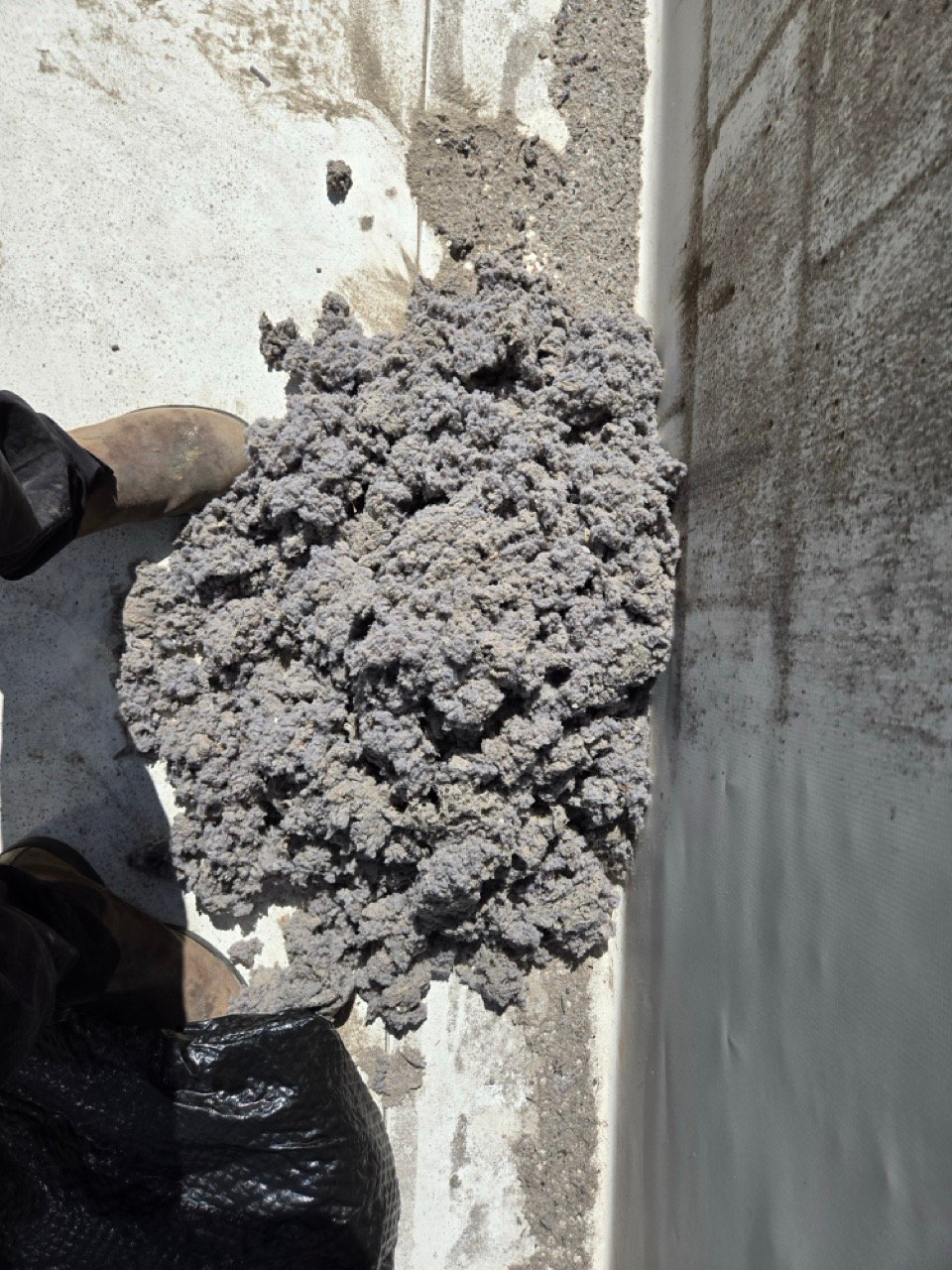
Not long ago, I inspected a system for a family who had recently moved into their house. Their dryer worked every day, but each load suddenly required two or three cycles. They assumed the appliance was wearing out. After disconnecting the vent, the reason became obvious. Years of compacted lint had narrowed the duct to a small opening, and damp lint had started sticking to the vent walls. The dryer itself wasn’t the problem. The vent had slowly become less efficient without anyone noticing.
Understanding what happens inside a dryer vent between appointments helps explain why routine Dryer Vent Cleaning is more than another household chore. Every load of laundry leaves behind small changes inside the vent, and those changes build over time.
If you’ve never looked inside a dryer vent, here’s what is actually happening behind the scenes.
Every Drying Cycle Leaves More Than Just Warm Air Behind
Most people know that the lint screen catches fibers from clothing, but it captures only part of them. Tiny particles continue traveling with the warm, moist air produced during every drying cycle.
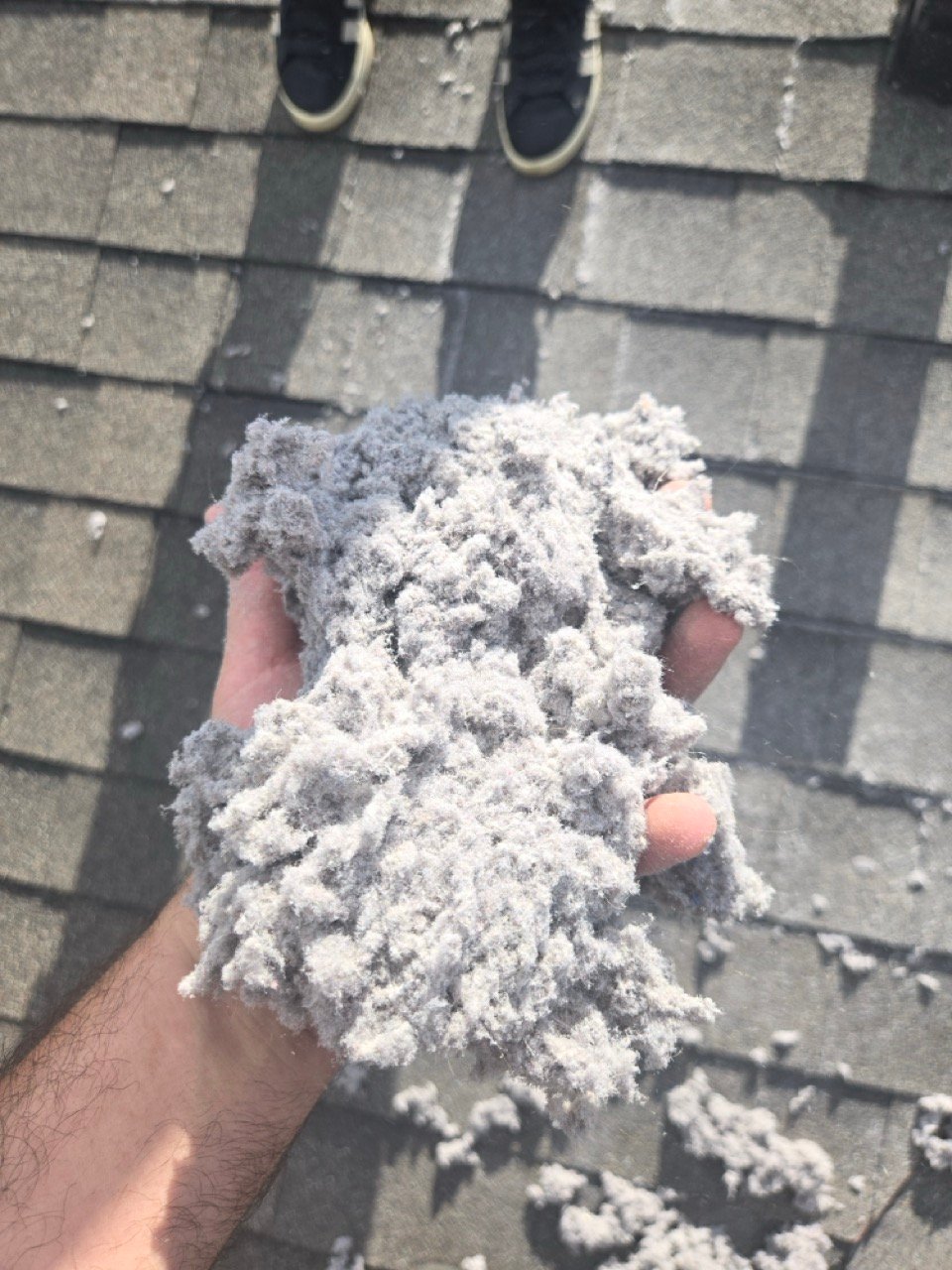
As the air moves through the vent, some of those fibers settle against the inside walls. At first, the layer is so thin that it has little effect on airflow. After dozens of laundry loads, the buildup becomes noticeable. Eventually, lint begins collecting in bends, elbows, and longer horizontal sections where airflow naturally slows.
This gradual accumulation rarely causes an immediate problem. Instead, performance slowly declines until the difference becomes impossible to ignore.
For families with children or larger households, daily laundry accelerates this process because more clothing means more fibers entering the vent system.
For readers interested in how professional service addresses these issues, the company’s residential dryer vent cleaning page explains the cleaning process in greater detail.
Moisture Creates Conditions Lint Likes to Stay In
Freshly washed clothing releases a significant amount of moisture while drying. That moisture travels through the vent with the heated air.
In Wesley Chapel, humidity often remains elevated for much of the year. Although the dryer generates enough heat to move moisture outdoors, humid conditions can slow evaporation inside certain vent sections, especially if airflow has already been reduced by lint accumulation.
During inspections, it’s common to find lint that feels surprisingly damp instead of dry. Damp lint clings more easily to metal surfaces and gradually forms thicker deposits that become increasingly difficult to remove without specialized equipment.
Instead of blowing completely outside, some fibers simply stay behind.
Small Obstructions Grow Into Larger Restrictions
One handful of lint rarely blocks an entire vent.
The bigger concern is how small accumulations create places where additional debris can collect.
A vent with slight buildup develops rougher interior surfaces. Those rough spots trap even more fibers during future drying cycles. Over several months, what started as a thin coating turns into larger pockets of compacted lint.
The same pattern appears in many service visits. A dryer that operated perfectly a year earlier begins taking noticeably longer because airflow has gradually become more restricted rather than suddenly blocked.
Many owners assume their appliance is failing when the vent has quietly become the limiting factor.
Everyday Items Often Find Their Way Into Dryer Vents
Lint isn’t always the only material discovered inside.
Several inspections have uncovered:
- Pet hair is packed into the vent of the elbows
- Insulation fibers near the attic vent run
- Bird nesting materials close to exterior vent caps
- Leaves entering through damaged vent covers
- Dust mixed with household debris
One memorable inspection involved a vent that repeatedly clogged despite regular lint screen cleaning. After tracing the duct to its exterior termination, the issue became clear. A damaged vent cap allowed birds to carry nesting materials inside during the spring. Every drying cycle pushed loose twigs farther into the vent until airflow became severely restricted.
Replacing the damaged exterior cover solved the recurring problem before another obstruction developed.
Situations like this demonstrate why professional inspections involve far more than simply removing lint.
Airflow Changes Long Before Most People Notice
Dryers rely on unrestricted airflow to move heat and moisture efficiently.
When airflow begins decreasing, several subtle changes occur.
Clothing may still dry, but cycles become slightly longer.
The dryer cabinet often feels warmer.
Humidity inside the laundry area gradually increases.
Some loads finish completely dry, while heavier items remain damp.
These symptoms usually appear weeks or even months before someone realizes the vent needs attention.
Professional technicians frequently recognize these warning signs during routine inspections because they appear consistently across many different brands and dryer models.
Heat Begins Working Harder Than Necessary
A dryer is designed to move a steady stream of warm air through the drum and out of the vent. When that path narrows, the appliance has to work longer to remove the same amount of moisture.
Another inspection comes to mind involving a homeowner who had replaced the heating element twice within three years. The replacement parts weren’t defective. The real issue was a vent that had accumulated a thick layer of lint inside a long horizontal run through the attic. Once the blockage was removed, drying times dropped noticeably, and the dryer operated much more consistently.
Situations like this highlight an important point. Replacing appliance parts doesn’t solve a ventilation problem.
The Exterior Vent Cap Tells Part of the Story
Many people clean the lint screen after every load, but rarely look outside where the vent exits the building.
The exterior vent cap often provides valuable clues about what’s happening inside the system.
Signs worth paying attention to include:
- Weak airflow while the dryer is running
- Lint is collecting around the outside vent opening
- Vent flaps that barely open
- Flaps that remain open after the dryer shuts off
- Visible debris around the termination point
These observations don’t always confirm a blockage, but they often indicate that airflow has changed enough to justify a closer inspection.
Different Vent Materials Collect Lint Differently
Not every dryer vent ages the same way.
Rigid metal ducts generally allow lint to pass through more efficiently because the interior surface is smooth.
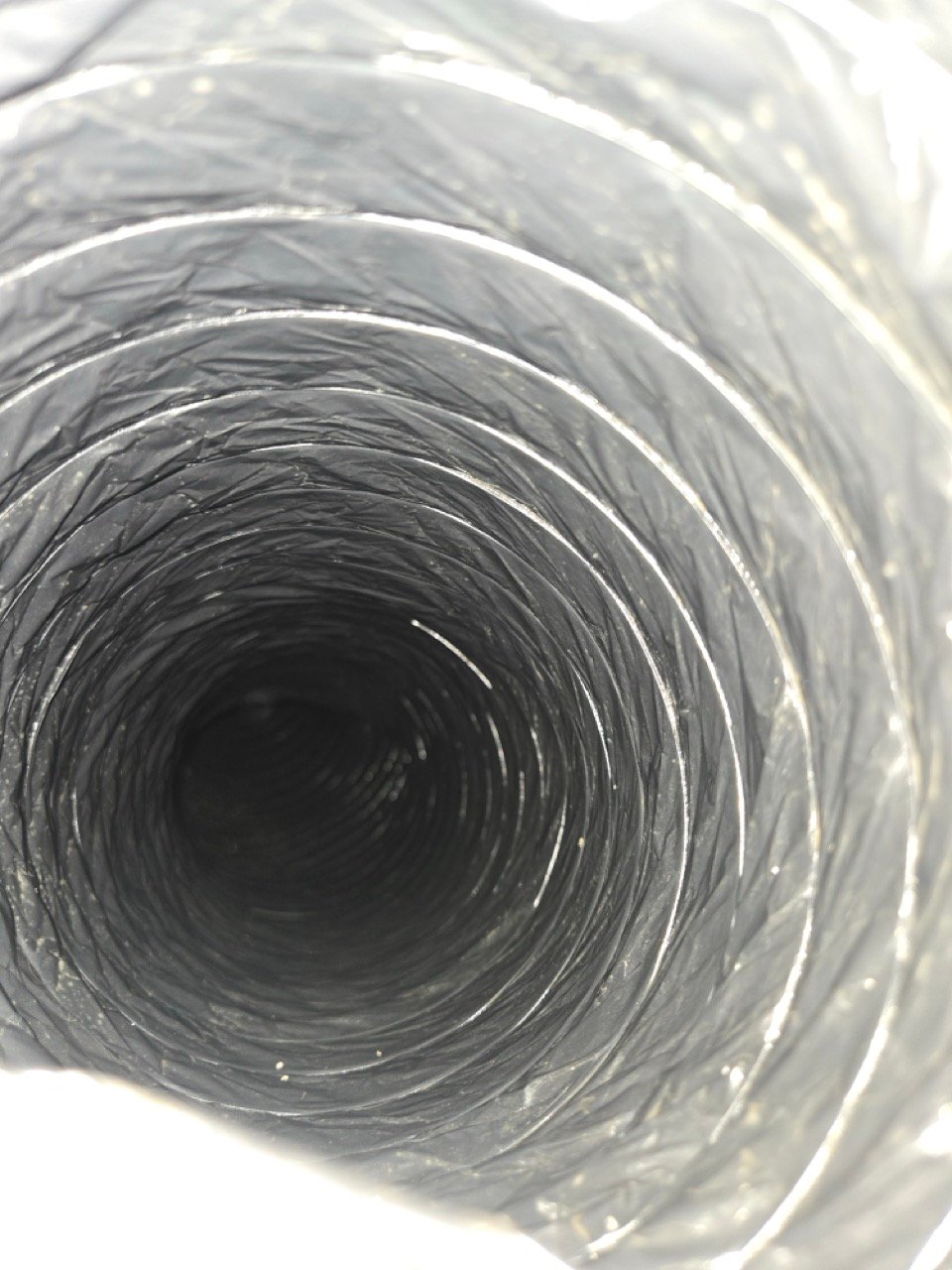
Flexible foil and plastic-style ducts create more ridges where fibers can become trapped. Over time, those ridges collect increasingly larger amounts of lint.
During older home inspections, it’s not unusual to discover vent materials that no longer meet today’s recommended installation practices. Replacing outdated sections often improves airflow even before the vent receives a full cleaning.
Whether the property needs Residential Dryer Vent Cleaning Wesley Chapel or Commercial Dryer Vent Cleaning Wesley Chapel, the condition of the vent material plays a significant role in long-term performance.
Businesses with shared laundry facilities often experience faster lint accumulation simply because dryers operate more frequently throughout the day.
Readers responsible for commercial properties can better understand those services by visiting the company’s commercial dryer vent cleaning page.
Wesley Chapel’s Climate Adds Another Layer
Living in Wesley Chapel means dealing with long periods of warm temperatures and seasonal humidity.
Those conditions don’t create lint, but they can influence how moisture behaves inside the vent system.
After extended rainy periods, inspections sometimes reveal lint deposits that feel heavier because they have retained moisture longer than expected. Although properly installed vents are designed to exhaust outside, restricted airflow combined with humid weather can allow damp lint to remain inside instead of drying quickly.
This is one reason local maintenance schedules may differ from recommendations made for drier parts of the country.
The service area information explains why local conditions matter when evaluating dryer vent performance.
Professional Cleaning Removes More Than Visible Lint
Many people picture professional cleaning as simply vacuuming out loose lint.
In reality, a thorough service involves evaluating the entire vent path.
An experienced technician typically checks:
- Interior lint accumulation
- Airflow performance
- Vent routing
- Exterior termination condition
- Signs of moisture retention
- Loose or damaged connections
- Areas where debris repeatedly collects
Organizations such as the National Fire Protection Association (NFPA) emphasize the importance of reducing lint accumulation because it is a combustible material that can increase fire risk when allowed to build up.
The goal isn’t simply to make the vent look cleaner. It’s restoring proper airflow while identifying developing issues before they become larger repairs.
Knowing When It’s Time to Schedule Service
A dryer vent doesn’t suddenly become clogged overnight.
Most systems provide subtle warning signs first.
Watch for changes like:
- Clothes are taking longer than usual to dry
- The dryer is becoming unusually hot
- Excess humidity in the laundry room
- A musty smell after drying
- The outside vent is producing very little airflow
- Lint is appearing around the dryer connection
These symptoms don’t always indicate a complete blockage, but they do suggest the system deserves attention before performance continues to decline.
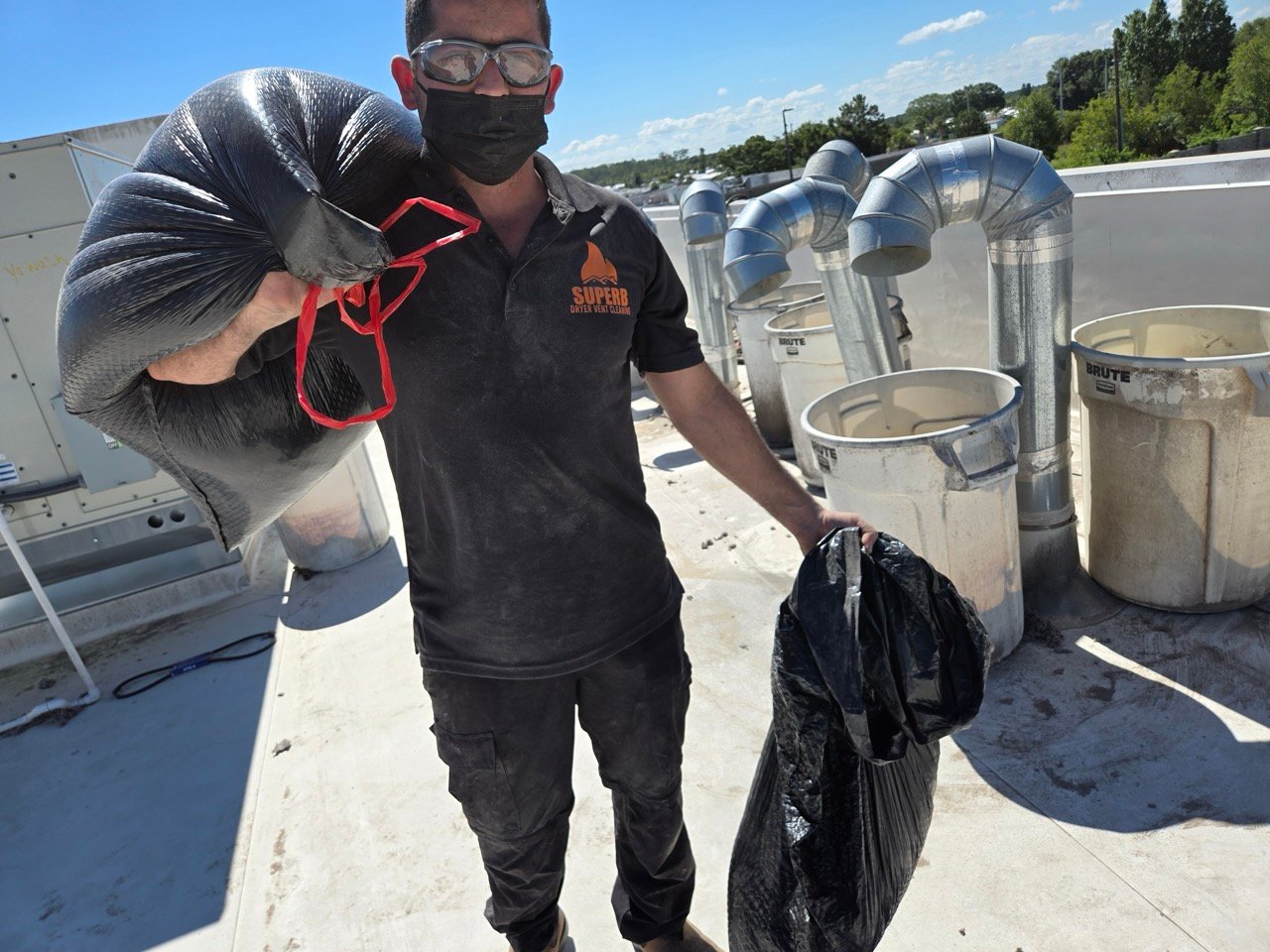
Toward the end of the process, working with an experienced local company like Superb Dryer Vent Cleaning Wesley Chapel can help determine whether the issue is routine lint buildup or something more significant within the vent system.
If you’d like to discuss your vent’s condition or schedule an inspection, the contact page provides several ways to get in touch.
Conclusion
Most of the changes happening inside a dryer vent occur gradually. A thin layer of lint becomes a thicker deposit. Slight airflow restriction slowly extends drying times. Moisture lingers longer, and small debris finds places to collect. Because these changes happen little by little, they’re easy to overlook until the dryer begins showing noticeable symptoms.
Understanding what happens between professional cleanings helps explain why routine maintenance is less about reacting to problems and more about preventing them from developing in the first place.
If your dryer has started behaving differently, a professional vent inspection is a practical next step.
Frequently Asked Questions
1. What builds up inside a dryer vent between cleanings?
Lint is the most common material, but technicians also find pet hair, dust, insulation fibers, leaves, and occasionally nesting materials near the exterior vent opening.
2. How can I tell if my dryer vent is becoming restricted?
Longer drying times, increased heat around the dryer, higher humidity in the laundry room, and weak airflow outside are common warning signs.
3. Does cleaning the lint screen prevent vent buildup?
No. The lint screen captures a large portion of fibers, but smaller particles continue traveling through the vent and gradually collect along the duct walls.
4. How does Wesley Chapel’s humidity affect dryer vents?
Higher humidity can allow damp lint to cling more easily inside restricted vents, making buildup accumulate faster in some situations.
5. Is professional dryer vent cleaning different from cleaning the lint trap?
Yes. Professional service focuses on the entire vent system, including areas that can’t be reached from inside the laundry room.
6. Can commercial buildings need more frequent vent cleaning?
Often they do. Facilities with shared laundry equipment usually produce much more lint because dryers operate throughout the day.
7. Why does my dryer still seem slow after cleaning the lint screen?
The restriction may be further inside the vent where lint has accumulated over months or years.
8. How often should a dryer vent be professionally inspected?
Most households benefit from an annual inspection, although larger families or properties with frequent laundry use may require service more often.
9. Can a damaged exterior vent cap cause problems?
Yes. A broken or stuck vent cap can allow debris, pests, or moisture to enter the vent and reduce proper airflow.
10. Is professional dryer vent cleaning worthwhile even if the dryer still works?
Yes. Many vent-related issues develop gradually. Addressing buildup before performance declines helps keep the system operating more efficiently and safely.