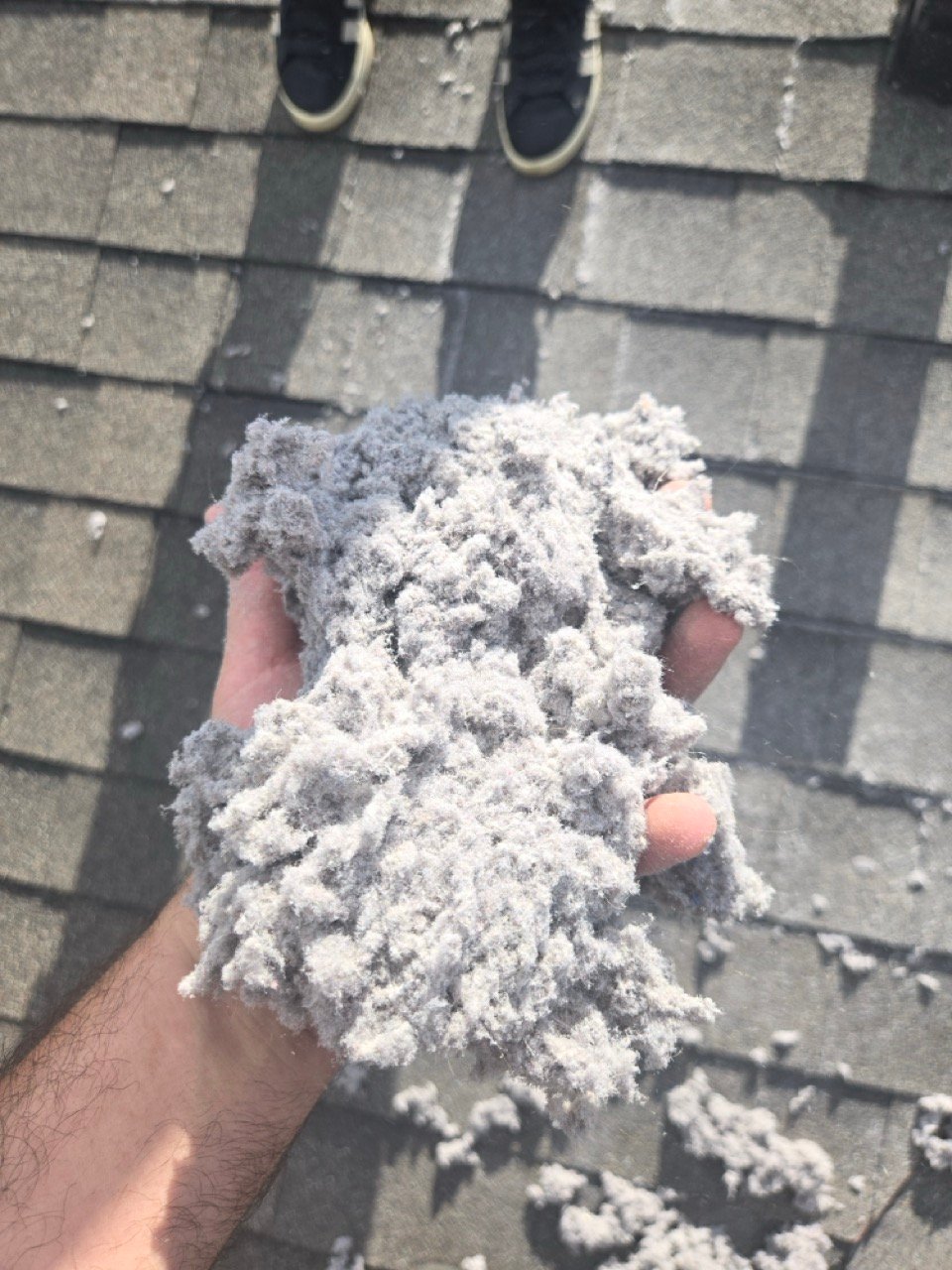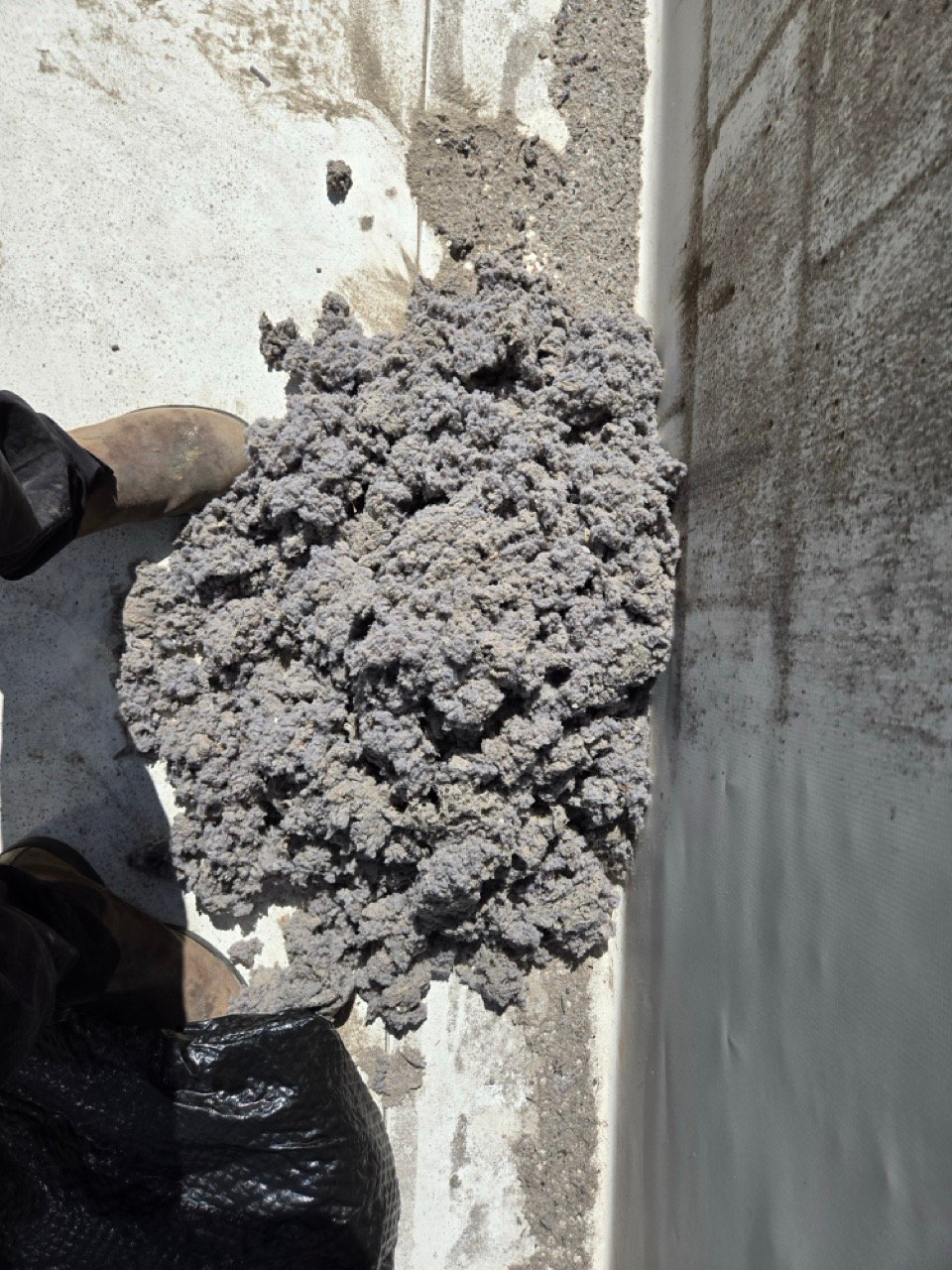
Most homeowners don’t think about their dryer vent until something changes. Clothes take longer to dry, the laundry room feels unusually warm, or the dryer seems to run longer than it once did. By then, lint has usually been building up inside the vent for quite some time.
Fortunately, a few simple habits can help reduce lint accumulation between professional appointments. These everyday practices won’t replace Dryer Vent Cleaning Wesley Chapel, but they can help keep the vent operating more efficiently while making it easier to spot developing problems early.
A recent service call highlighted just how much difference small habits can make. A homeowner scheduled an inspection because towels suddenly required two drying cycles. They expected to hear that years of neglect had caused the issue. Instead, the vent contained only moderate lint buildup. The larger problem was that the lint screen had developed a nearly invisible layer of fabric softener residue, reducing airflow every time the dryer was used. After cleaning the screen properly and servicing the vent, drying performance improved immediately.
Experiences like this remind homeowners that keeping a dryer vent cleaner often starts with small routines rather than complicated maintenance.
If you’d like to see what a complete professional service includes, the company’s residential dryer vent cleaning service explains the inspection and cleaning process in greater detail.
Clean the Lint Screen the Right Way
Everyone knows the lint screen should be cleaned after every load.
What many people don’t realize is that simply removing the visible lint isn’t always enough.
Over time, dryer sheets and liquid fabric softeners can leave behind a thin residue that blocks the tiny openings in the screen. Even when the screen appears clean, airflow may already be reduced.
A simple rinse with warm water and a soft brush every few weeks removes this invisible buildup and helps the dryer move air more efficiently.
This quick habit takes only a few minutes but supports better dryer performance between professional maintenance visits.
Avoid Overloading the Dryer
Large laundry loads save time, but they also create more lint during each drying cycle.
Heavy loads prevent clothing from tumbling freely inside the drum. As fabrics rub together, they release additional fibers that eventually travel into the vent system.
Instead of filling the dryer to its maximum capacity every time, slightly smaller loads allow warm air to circulate more effectively while reducing unnecessary lint production.
This is especially helpful when drying bulky items such as comforters, blankets, or large towels.

Give Heavy Fabrics Their Own Drying Cycle
Not every fabric produces the same amount of lint.
Bath towels, fleece blankets, sweatshirts, pet bedding, and flannel sheets naturally release more fibers than lightweight clothing.
Mixing heavy items with everyday laundry often increases lint production throughout the load.
Separating bulky fabrics into their own drying cycle helps improve drying performance while reducing the amount of loose lint moving through the vent.
This simple adjustment also helps clothing dry more evenly.
Check the Outside Vent Every Month
One of the easiest maintenance habits requires stepping outside for less than a minute.
While the dryer is running, look at the exterior vent.
The vent flap should open fully as warm air exits the system.
If the flap barely moves or remains closed during operation, airflow may already be restricted.
It’s also worth checking for:
- Leaves around the vent hood
- Grass clippings after yard work
- Bird nesting materials
- Small insect activity
- Visible lint collecting outside the vent
These observations don’t replace a professional inspection, but they often provide early clues that the vent deserves closer attention.
Leave Enough Space Behind the Dryer
Moving a dryer too close to the wall is more common than many homeowners realize.
During appliance replacements or laundry room cleaning, the dryer sometimes gets pushed back farther than intended.
That pressure can compress the flexible transition hose connecting the dryer to the wall.
Even a partial restriction reduces airflow throughout the entire vent system.
Whenever possible, leave enough space behind the appliance to prevent unnecessary stress on the vent connection.
A quick visual check after moving the dryer can help avoid months of restricted airflow.
Vacuum Around the Dryer Regularly
Lint doesn’t stay inside the dryer.
Tiny fibers often settle behind and underneath the appliance during normal use. While that lint may not immediately enter the vent, allowing it to build up creates a dusty environment where additional debris can collect around the vent connection.
During one service appointment, a homeowner mentioned seeing lint on the laundry room floor every few days. They assumed it was normal. After pulling the dryer away from the wall, the reason became clear. Years of dust and loose lint had collected behind the appliance, and the transition hose had developed a small separation at one connection point.
Cleaning the area thoroughly and reconnecting the vent properly solved the issue without replacing any equipment.
Vacuuming behind the dryer every few months also gives you an opportunity to check that the vent connection hasn’t shifted.
Pay Attention to Changes Instead of Waiting for Major Problems
One of the best maintenance habits doesn’t involve cleaning anything.
It involves noticing changes.
Most dryer vent problems develop gradually, which means the appliance often provides small clues before performance noticeably declines.
Watch for changes such as:
- Drying cycles are becoming longer
- Clothes feel warmer but still damp
- Extra heat in the laundry room
- Reduced airflow at the outside vent
- New noises while the dryer is operating
These signs don’t automatically mean the vent needs cleaning, but they do indicate that something has changed.
Scheduling an inspection early often prevents a simple maintenance issue from becoming a larger repair.
Be Extra Careful During Wesley Chapel’s Rainy Season
Weather influences more than outdoor maintenance.
Throughout Wesley Chapel, periods of high humidity and frequent afternoon storms can affect how moisture moves through a dryer vent.
After heavy rain, it’s worth taking a quick look at the exterior vent cover to confirm it opens and closes properly and that no leaves or storm debris have collected around the opening.
Homes surrounded by mature landscaping may also experience increased pollen and small plant debris during certain times of the year.
These conditions don’t replace the need for Dryer Vent Maintenance Wesley Chapel, but regular visual checks help identify developing problems before they affect dryer performance.
Don’t Rely on DIY Vent Cleaning Kits Alone
Hardware stores offer a variety of brushes and flexible cleaning tools designed for dryer vents.
These products can remove loose lint near the beginning of the duct, but they often can’t reach the entire vent system.
Long horizontal runs, roof exits, multiple elbows, and concealed duct sections require specialized equipment and experience.
During inspections, technicians occasionally find vents that appear clean near the dryer while substantial lint remains deeper inside the system.
This creates a false sense of confidence because only part of the restriction has been removed.
DIY maintenance has its place, but it shouldn’t replace periodic professional inspections.
Professional Cleaning Looks Beyond Lint
Many homeowners assume professional service focuses only on removing accumulated lint.
A complete inspection evaluates much more than that.
Experienced technicians typically examine:
- Overall airflow performance
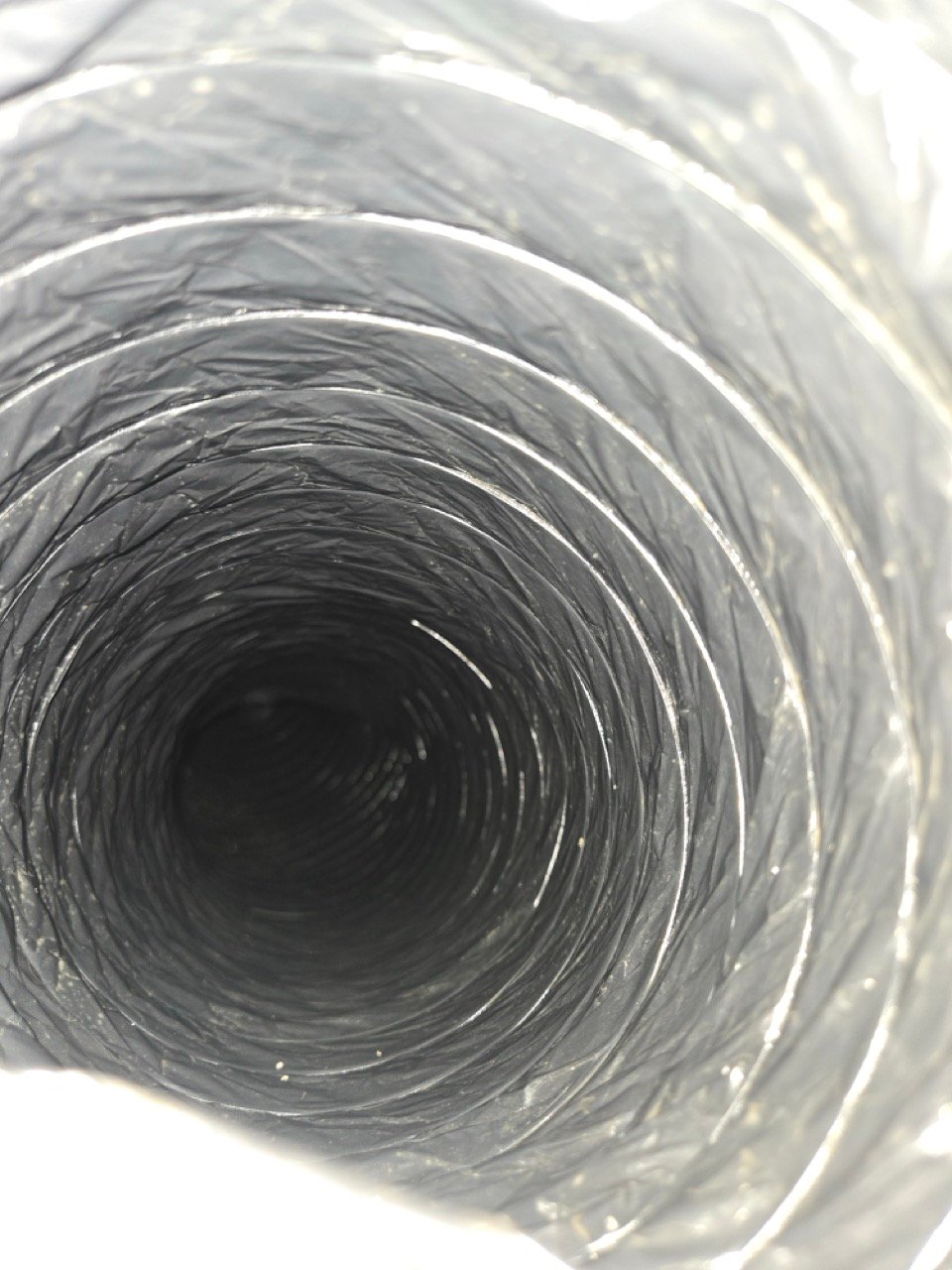
- Interior vent condition
- Transition hose connections
- Exterior vent termination
- Signs of moisture retention
- Loose or damaged duct sections
- Areas where lint repeatedly accumulates
These observations help identify issues that routine household maintenance simply cannot reveal.
Organizations such as the National Fire Protection Association (NFPA) recommend reducing lint accumulation because lint is a combustible material that can contribute to dryer-related fires when allowed to build up over time.
Professional service focuses on restoring efficient airflow while helping ensure the entire vent system continues operating as intended.
Small Habits Work Best When Combined
No single maintenance tip keeps a dryer vent perfectly clean.
Instead, it’s the combination of consistent habits that makes the biggest difference.
Cleaning the lint screen correctly, avoiding overloaded loads, checking the exterior vent, keeping the area behind the dryer clean, and paying attention to performance changes all work together.
Each habit removes one small opportunity for lint and debris to create larger restrictions.
When combined with routine professional maintenance, these simple practices help keep the vent performing more efficiently throughout the year.
Conclusion
Keeping a dryer vent cleaner between professional service visits doesn’t require complicated tools or hours of extra work. Most of the habits that make the biggest difference take only a few minutes. Cleaning the lint screen correctly, avoiding overloaded loads, checking the outside vent, and paying attention to changes in drying performance all help reduce unnecessary lint buildup.
After inspecting dryer vents throughout Wesley Chapel, one pattern stands out. Homes that follow these simple maintenance habits often experience fewer performance issues between scheduled cleanings. These routines won’t eliminate the need for professional service, but they can help slow lint accumulation while making it easier to recognize when something isn’t working as it should.
If an inspection shows that Clogged Dryer Vent Cleaning Wesley Chapel is necessary, addressing the issue promptly helps restore proper airflow before minor restrictions become larger problems. Preventive maintenance is always easier than correcting years of accumulated buildup.
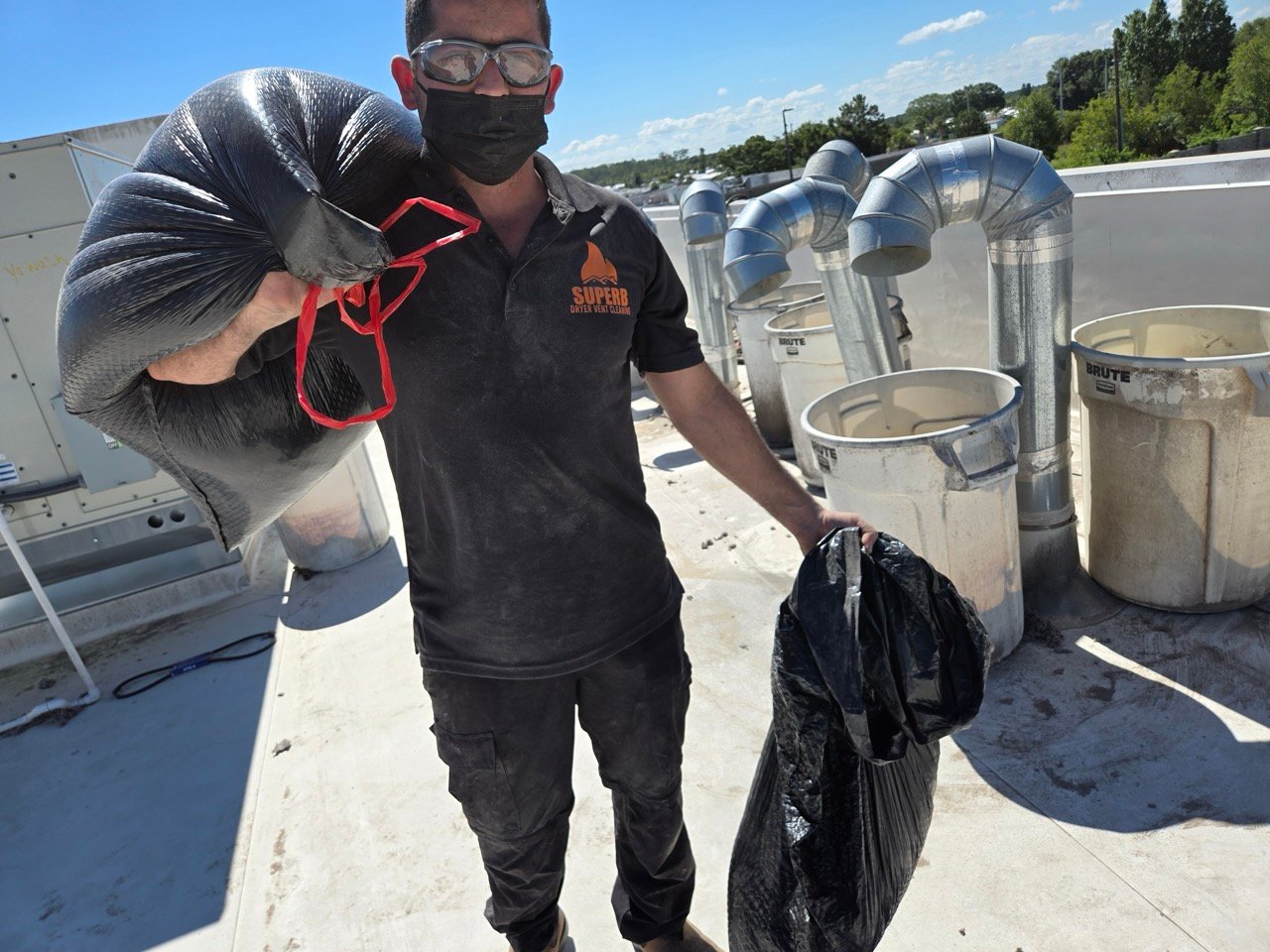
For homeowners looking for experienced local service, Superb Dryer Vent Cleaning Wesley Chapel provides professional inspections and cleaning designed for the area’s homes and climate. You can also explore the company’s complete service area information to learn more about the communities they serve.
If your dryer has started taking longer to dry clothes or you’ve noticed changes in airflow, scheduling a professional inspection is a practical next step.
Frequently Asked Questions
1. What is the easiest way to keep my dryer vent cleaner between professional visits?
The simplest habit is cleaning the lint screen after every load and washing it periodically to remove fabric softener residue that can reduce airflow.
2. Does running smaller laundry loads really help?
Yes. Smaller loads allow clothing to tumble more freely, improving airflow and reducing the amount of lint produced during each drying cycle.
3. How often should I check the outside dryer vent?
A quick visual inspection once a month is usually enough to make sure the vent flap opens properly and that leaves or debris aren’t blocking the opening.
4. Can pet hair make my dryer vent get dirty faster?
Yes. Pet hair mixes with fabric fibers during drying and can contribute to faster lint accumulation inside the vent system.
5. Should I move my dryer away from the wall occasionally?
If it’s safe to do so, checking behind the dryer every few months can help ensure the transition hose hasn’t been crushed or disconnected.
6. Are DIY dryer vent cleaning kits enough?
They can remove loose lint near the dryer, but they usually can’t reach the entire vent system, especially long ducts or vents with multiple turns.
7. Why does my dryer seem slower even though I clean the lint trap?
Fine lint still travels into the vent after passing through the lint screen. Over time, that buildup can reduce airflow and extend drying times.
8. Does Wesley Chapel’s climate affect dryer vent maintenance?
Yes. High humidity, seasonal storms, and outdoor debris can all influence how moisture and lint behave inside the vent system.
9. How often should professional dryer vent cleaning be scheduled?
Most households benefit from an annual inspection. Larger families, pet owners, and homes with frequent dryer use may need service more often based on usage.
10. Who can professionally inspect and clean my dryer vent in Wesley Chapel?
If you’ve noticed longer drying times, reduced airflow, or other changes in dryer performance, you can contact Superb Dryer Vent Cleaning Wesley Chapel to schedule a professional inspection and discuss the condition of your dryer vent system.