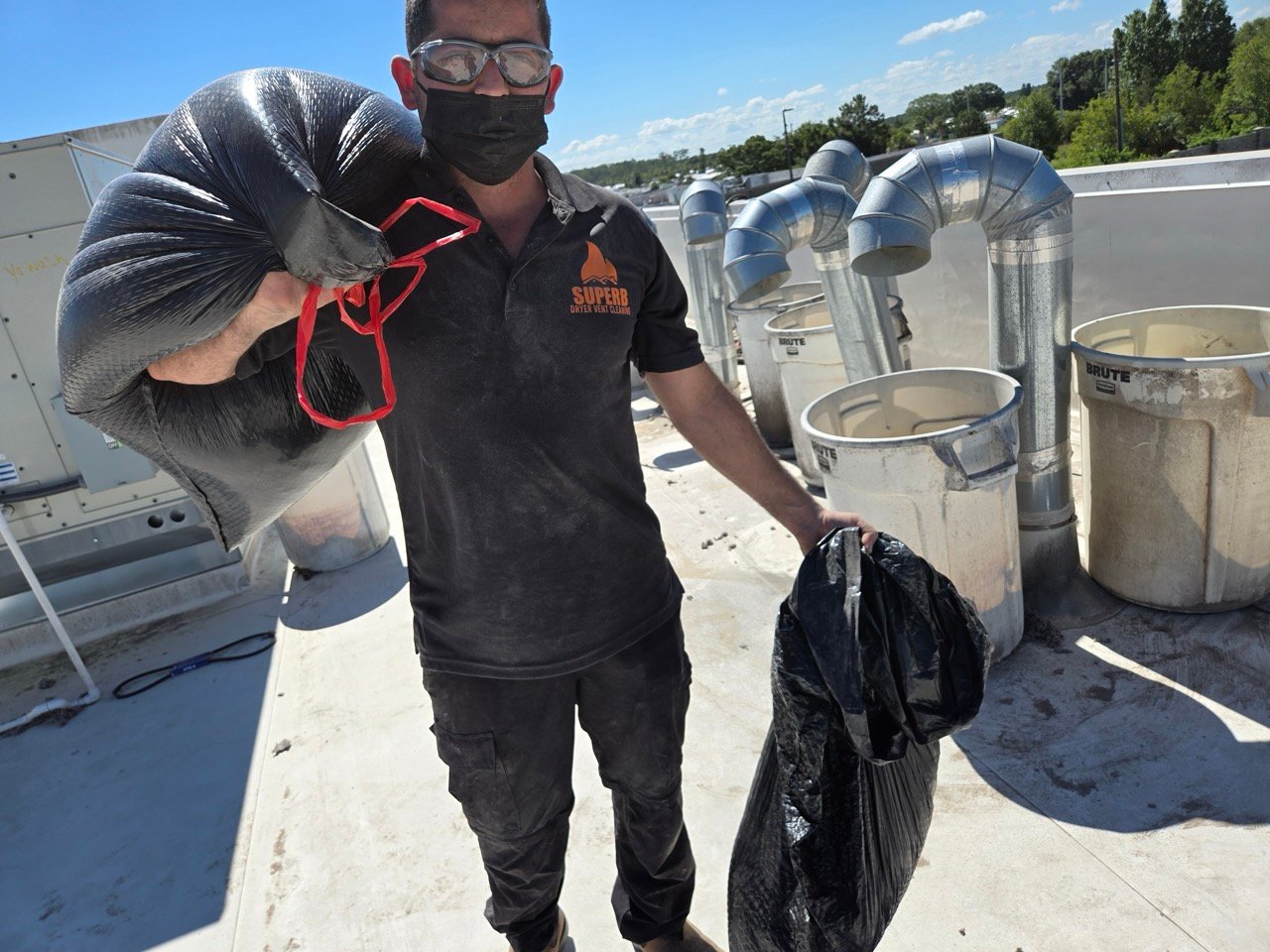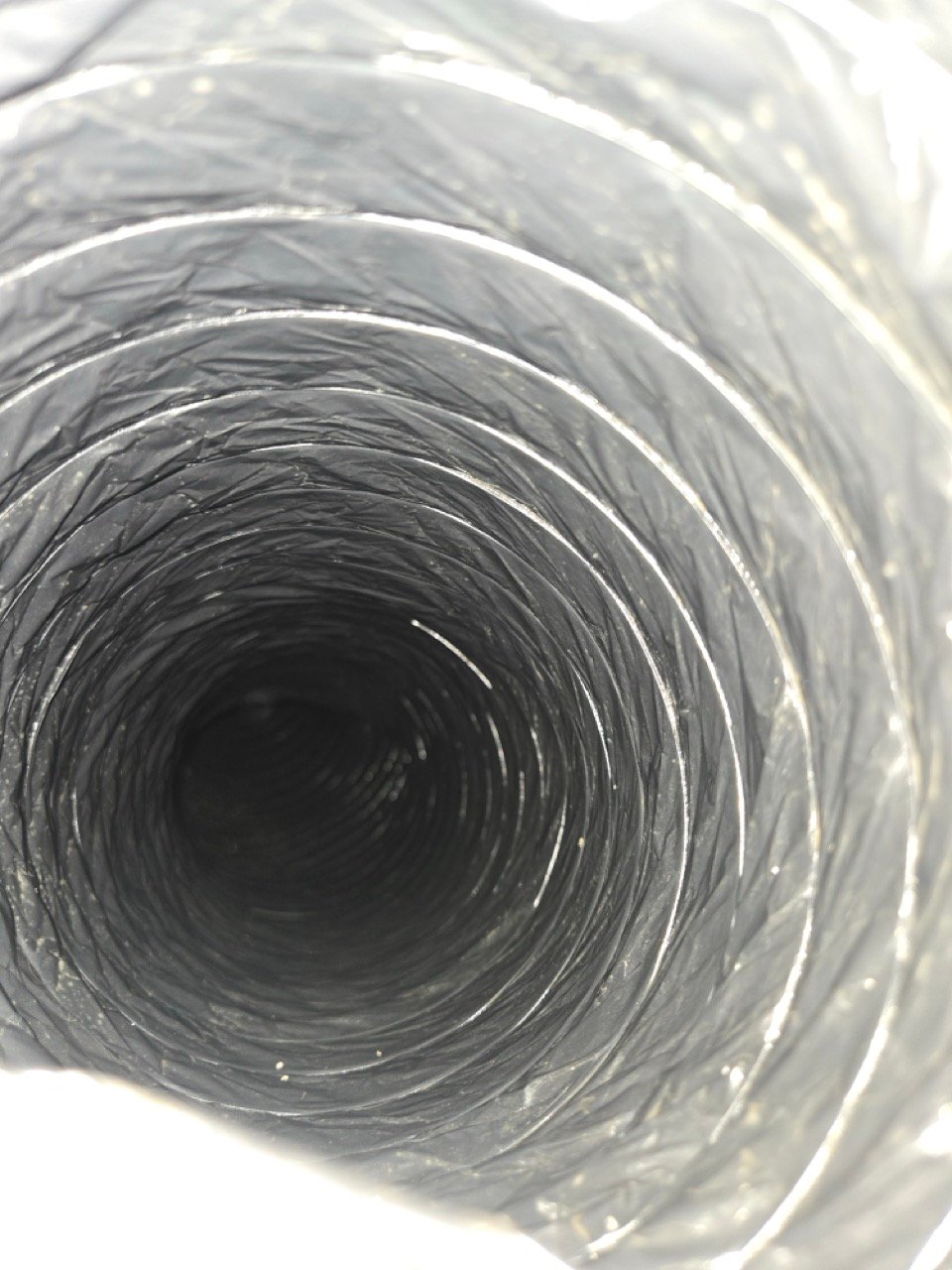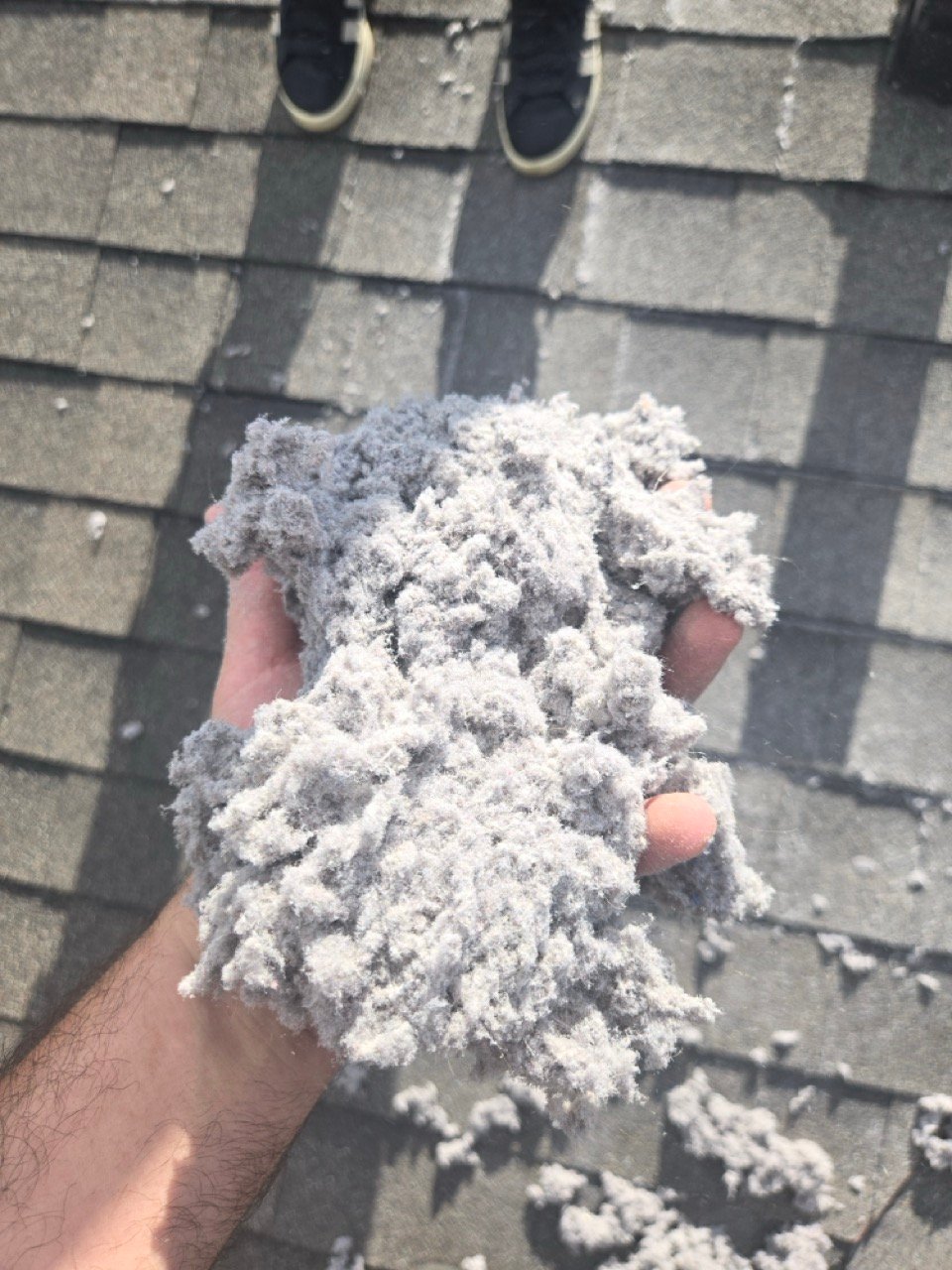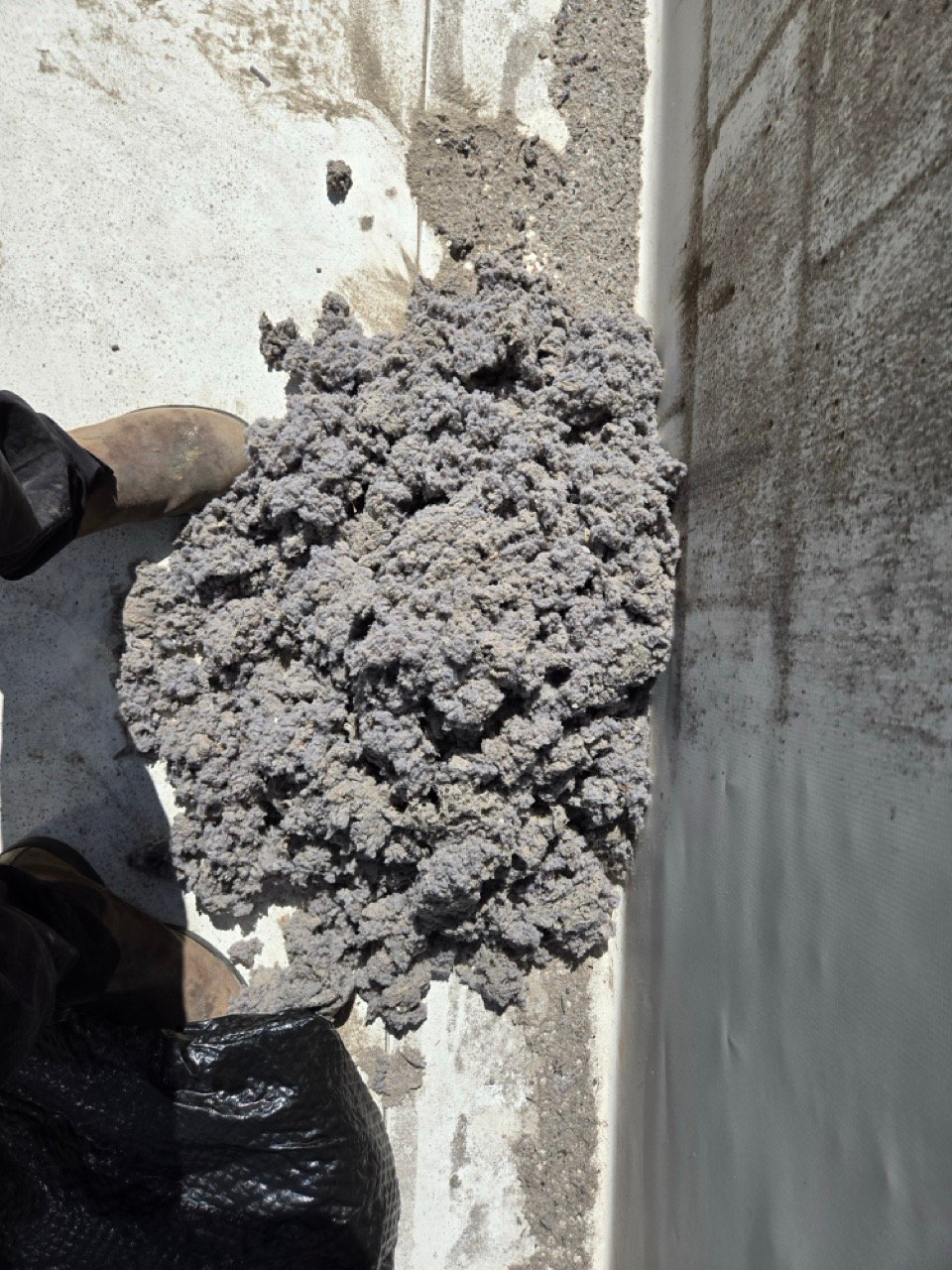
Most people think about dryer vent cleaning only after clothes begin taking longer to dry. Performance is usually the first thing they notice, but it isn’t always the most important reason to have the vent inspected. Hidden behind walls, above ceilings, or inside attics, a dryer vent can gradually develop problems that aren’t visible during everyday laundry routines.
One inspection in Wesley Chapel began with what sounded like a simple complaint. The homeowner mentioned that the laundry room felt unusually warm every time the dryer was running. The dryer still completed each load, so there was no urgency. After inspecting the vent, the reason quickly became clear. A section of the transition hose behind the appliance had been partially crushed while the dryer was pushed back against the wall months earlier. Air was still moving through the system, but not nearly as efficiently as it should have been. Correcting the connection and professionally cleaning the vent restored normal airflow without requiring any appliance repairs.
Situations like this demonstrate that Dryer Vent Cleaning Wesley Chapel involves much more than removing lint. A professional inspection evaluates the entire vent system, helping identify hidden issues that could gradually affect safety, efficiency, and the long-term performance of the dryer.
For homeowners interested in what a complete residential service includes, the company’s professional dryer vent cleaning for homes page explains the inspection and cleaning process in more detail.
Professional Inspections Reveal Problems Hidden Behind Walls
Most of a dryer vent system isn’t visible during normal use.
Once the dryer is installed, the vent disappears behind the appliance, inside walls, through attics, or beneath floors, depending on the home’s design.
Because these areas remain hidden, problems often develop without attracting attention.
During inspections, technicians regularly identify issues such as:
- Gradual lint accumulation
- Loose duct connections
- Crushed transition hoses
- Damaged vent sections
- Moisture collects inside portions of the duct
- Exterior vent covers that no longer operate correctly
Many of these conditions don’t immediately prevent the dryer from working.
Instead, they slowly reduce airflow while placing additional strain on the entire system.
Professional inspections help identify these developing issues before they become much larger maintenance concerns.
Better Airflow Helps the Dryer Operate as Designed
Every dryer depends on one simple principle.
Warm, moist air must leave the appliance efficiently.
When airflow remains unrestricted, the dryer removes moisture from clothing while maintaining normal operating temperatures.
As lint gradually narrows the vent, the appliance works harder to move the same amount of air.
Longer drying cycles often become the first noticeable symptom.
Over time, additional strain may affect components that weren’t designed to operate for extended periods during every load.
Professional Dryer Vent Cleaning restores airflow by removing accumulated lint throughout the vent instead of only cleaning the easily accessible areas near the dryer.
Wesley Chapel’s Climate Creates Unique Maintenance Challenges
Local weather influences how dryer vents perform throughout the year.
Wesley Chapel experiences extended periods of warmth, seasonal humidity, and frequent afternoon thunderstorms.
Humidity doesn’t create lint.
However, it can affect how lint behaves inside a vent that already has restricted airflow.
During inspections following particularly humid weeks, technicians occasionally find lint deposits that retain moisture longer than expected. Damp lint tends to cling more firmly to the interior of the vent, allowing additional fibers to collect over time.
Storms can also introduce debris around exterior vent openings, especially if nearby trees drop leaves or small branches.
These local conditions help explain why routine inspections remain valuable even when a dryer appears to be operating normally.
Small Installation Issues Can Affect Safety
Not every dryer vent problem develops because of poor maintenance.
Some begin during installation.
One homeowner scheduled an inspection after noticing a slight vibration each time the dryer started. They assumed the appliance needed repair.
Instead, the inspection found that the transition hose had been installed with an unnecessarily sharp bend immediately behind the dryer. That bend restricted airflow while placing extra stress on the vent connection.
Correcting the installation improved airflow immediately and reduced unnecessary strain on the appliance.
Small installation details often remain unnoticed for years unless the vent receives a professional evaluation.
Exterior Vent Covers Need Attention Too
The outside vent opening is an important part of the entire system.
When functioning properly, the vent flap opens while the dryer operates and closes afterward.
During inspections throughout Wesley Chapel neighborhoods, technicians sometimes discover:
- Broken vent flaps
- Exterior covers damaged by storms
- Leaves are collecting around the vent
- Insect activity near the opening
- Bird nesting materials are restricting airflow
These issues rarely stop the dryer from working immediately.
Instead, they gradually reduce vent performance while allowing additional debris to enter the system.
Regular inspections include evaluating these exterior components because they influence the performance of the entire vent.
Moisture Control Helps Protect the Entire Laundry Area
A dryer removes moisture from clothing by pushing warm, damp air through the vent and outside the home. When airflow becomes restricted, that moisture doesn’t always leave the system as efficiently as it should.
During inspections, technicians occasionally notice laundry rooms that feel unusually humid after several drying cycles. While homeowners often assume Florida’s weather is responsible, restricted vent airflow can also contribute to excess moisture remaining around the appliance.
Over time, unnecessary moisture can affect nearby walls, flooring, and cabinetry, especially when drying loads are frequent.
Professional Dryer Vent Maintenance Wesley Chapel helps confirm that moisture is moving outdoors instead of lingering inside the home.
Proper Vent Materials Make a Difference
Not every dryer vent is built the same way.
Throughout Wesley Chapel, inspections occasionally uncover vent systems that include older flexible foil ducts, damaged transition hoses, or sections that have become loose over time.
Modern rigid metal ductwork generally provides smoother airflow because there are fewer places for lint to collect.
When older materials begin showing signs of wear, technicians can identify those concerns during an inspection before they create larger performance issues.
Improving the condition of the vent is just as important as removing accumulated lint.
Professional Equipment Reaches Areas Homeowners Can’t
Many homeowners purchase dryer vent brushes or vacuum attachments, hoping to clean the vent themselves.
These tools can remove loose lint near the dryer connection, but most vent systems extend much farther than people realize.
Long horizontal runs.
Multiple elbows.
Second-story vent routes.
Roof exits.
Hidden sections inside walls.
These areas often require specialized equipment designed to clean the entire vent path without damaging the duct.
During one inspection, a homeowner proudly explained they had cleaned the vent themselves every year. Near the dryer, the duct looked excellent. Deeper inside the system, however, compacted lint had accumulated around two elbows where household tools simply couldn’t reach.
After a complete professional cleaning, airflow measurements improved immediately.
Situations like this don’t suggest DIY maintenance is unhelpful.
Instead, they demonstrate that routine household care and professional service work best together.
Small Problems Are Easier to Correct Than Large Ones
One consistent observation from years of inspections is that minor issues rarely stay minor.
A loose connection may allow lint to escape into hidden spaces.
A damaged vent flap may invite debris or pests.
A partially crushed transition hose gradually reduces airflow.
Each issue begins as a small maintenance concern.
Addressing it early is usually faster, simpler, and less disruptive than waiting until several problems develop at once.
That’s why routine inspections focus on identifying developing conditions instead of waiting for obvious failures.
Commercial Properties Need the Same Attention
The safety principles that apply to homes also apply to businesses.
Apartment communities, hotels, salons, assisted living facilities, veterinary clinics, and fitness centers often operate dryers throughout the day.
Higher usage means more lint moving through the vent system and more opportunities for restrictions to develop.
Routine Commercial Dryer Vent Cleaning Wesley Chapel helps property managers identify hidden airflow issues before they interfere with daily operations or increase maintenance costs.
Property owners responsible for shared laundry equipment can review the company’s commercial dryer vent cleaning services to better understand how professional inspections support long-term system performance.
Professional Inspections Follow Industry Best Practices
A professional inspection involves much more than removing visible lint.
Technicians evaluate:
- Airflow throughout the vent system
- Interior lint accumulation
- Transition hose condition
- Vent routing
- Exterior vent termination
- Loose or damaged duct connections
- Moisture retention inside the vent
Organizations such as the National Fire Protection Association (NFPA) recognize that lint is a combustible material and recommend reducing accumulation through regular maintenance. Following recognized best practices helps support both dryer performance and overall household safety.
A complete inspection provides homeowners with a clearer understanding of how the entire vent system is functioning rather than focusing on only one section.
Conclusion
Professional dryer vent cleaning does far more than remove visible lint. It provides an opportunity to evaluate the entire vent system, identify hidden issues, and correct small problems before they affect dryer performance or require more extensive repairs. Whether the concern is a crushed transition hose, a damaged exterior vent cover, gradual lint accumulation, or restricted airflow, early attention helps keep the system operating as intended.
After inspecting dryer vents throughout Wesley Chapel, one pattern continues to stand out. Many of the most significant discoveries aren’t obvious from the laundry room. They’re hidden inside walls, attics, crawl spaces, or behind the dryer, where most homeowners rarely have an opportunity to look. Regular inspections help uncover those conditions before they become larger maintenance concerns.
If an inspection shows that Clogged Dryer Vent Cleaning Wesley Chapel is needed, addressing the buildup promptly helps restore proper airflow while supporting the long-term performance of the dryer and vent system.
For homeowners seeking experienced local service, Superb Dryer Vent Cleaning Wesley Chapel provides professional inspections and cleaning tailored to the area’s homes and climate. You can also explore the company’s service area information to learn more about the communities they serve.
If you’ve noticed longer drying times, excess heat, or reduced airflow, scheduling a professional dryer vent inspection is a practical next step.
Frequently Asked Questions
1. How does professional dryer vent cleaning improve home safety?
Professional cleaning removes lint buildup while allowing technicians to identify hidden issues such as damaged ducts, loose connections, crushed transition hoses, and restricted airflow that may affect the dryer system.
2. Can my dryer appear to work normally even if the vent has problems?
Yes. Many vent issues develop gradually. A dryer may continue operating while airflow slowly becomes restricted, making the changes easy to overlook at first.
3. Why is airflow so important in a dryer vent?
Proper airflow allows warm, moist air to leave the dryer efficiently. When airflow becomes restricted, drying times often increase, and the appliance must work harder to remove moisture.
4. Does Wesley Chapel’s climate affect dryer vent maintenance?
Yes. High humidity, seasonal rainfall, and outdoor debris can influence how lint behaves inside the vent and may contribute to faster accumulation under certain conditions.
5. Should I replace my dryer if clothes are taking longer to dry?
Not necessarily. Longer drying times are often related to restricted airflow rather than appliance failure. A professional vent inspection can help determine the actual cause.
6. What does a professional dryer vent inspection include?
A typical inspection evaluates airflow, checks the vent route, examines the transition hose, inspects the exterior vent cover, identifies lint accumulation, and looks for damaged or disconnected duct sections.
7. Can I clean my dryer vent myself?
Basic maintenance, such as cleaning the lint screen and checking the exterior vent, is helpful. However, many vent systems contain long or concealed sections that require professional equipment to clean thoroughly.
8. Why do technicians inspect the outside vent cover?
The exterior vent cover helps exhaust air while preventing debris and pests from entering the system. Damage or blockages at this location can reduce overall vent performance.
9. How often should dryer vents be professionally cleaned?
Most homes benefit from an annual inspection. Larger households, homes with pets, or properties with frequent dryer use may require more frequent maintenance depending on usage.
10. Who can professionally inspect my dryer vent in Wesley Chapel?
If you’ve noticed changes in drying performance or simply want to confirm your vent is operating efficiently, you can contact Superb Dryer Vent Cleaning Wesley Chapel to schedule a professional inspection and discuss your dryer vent system.