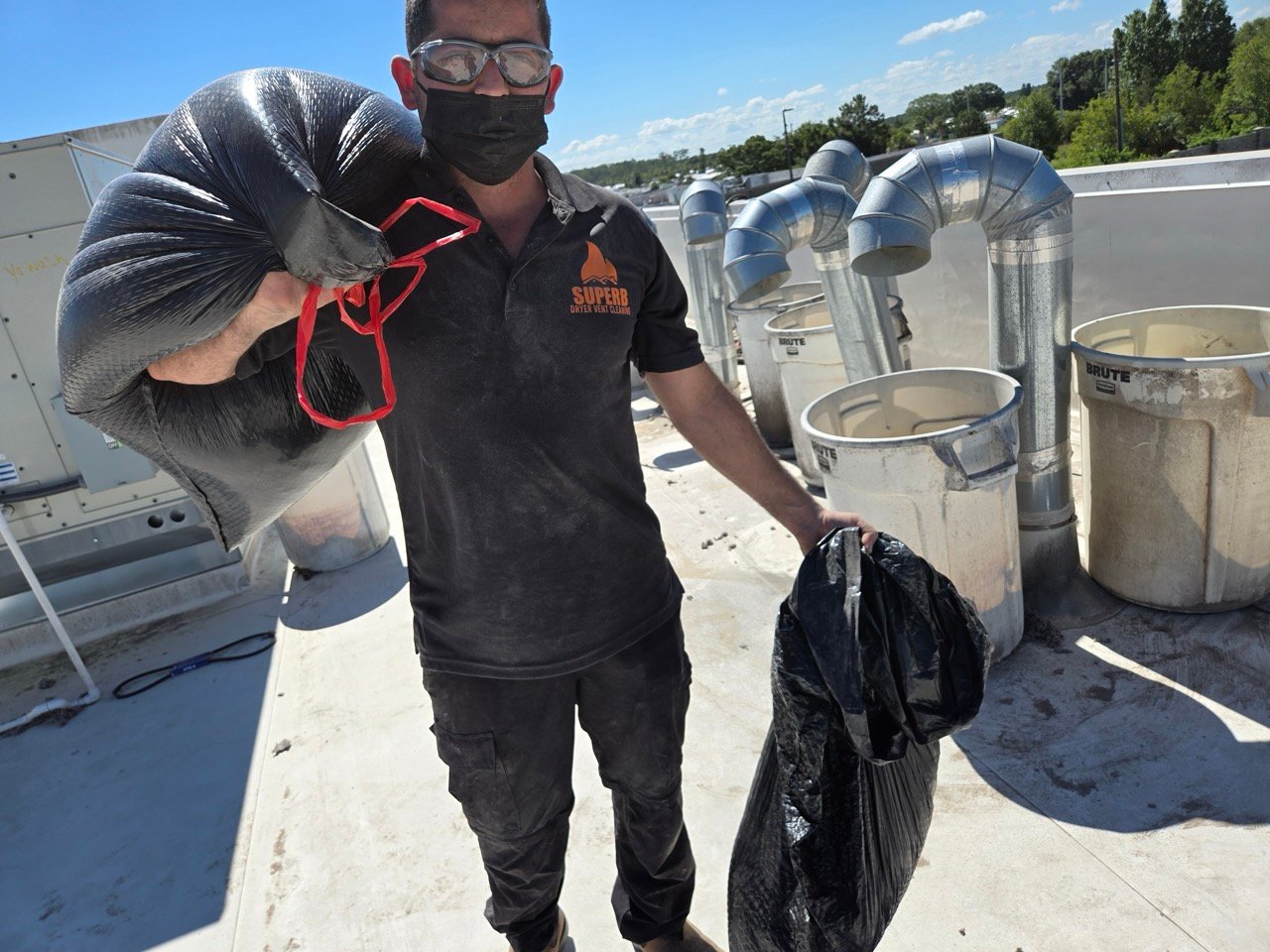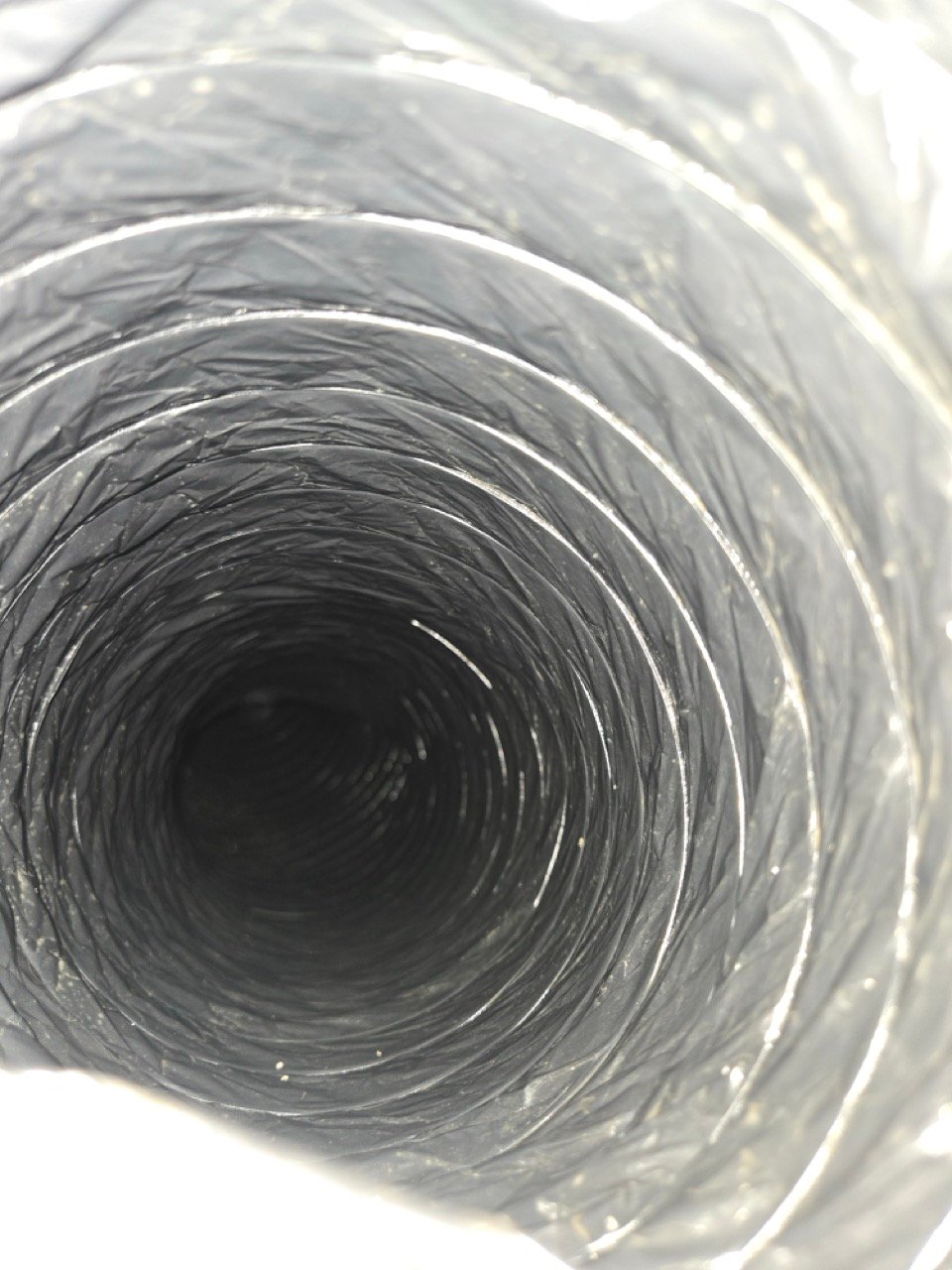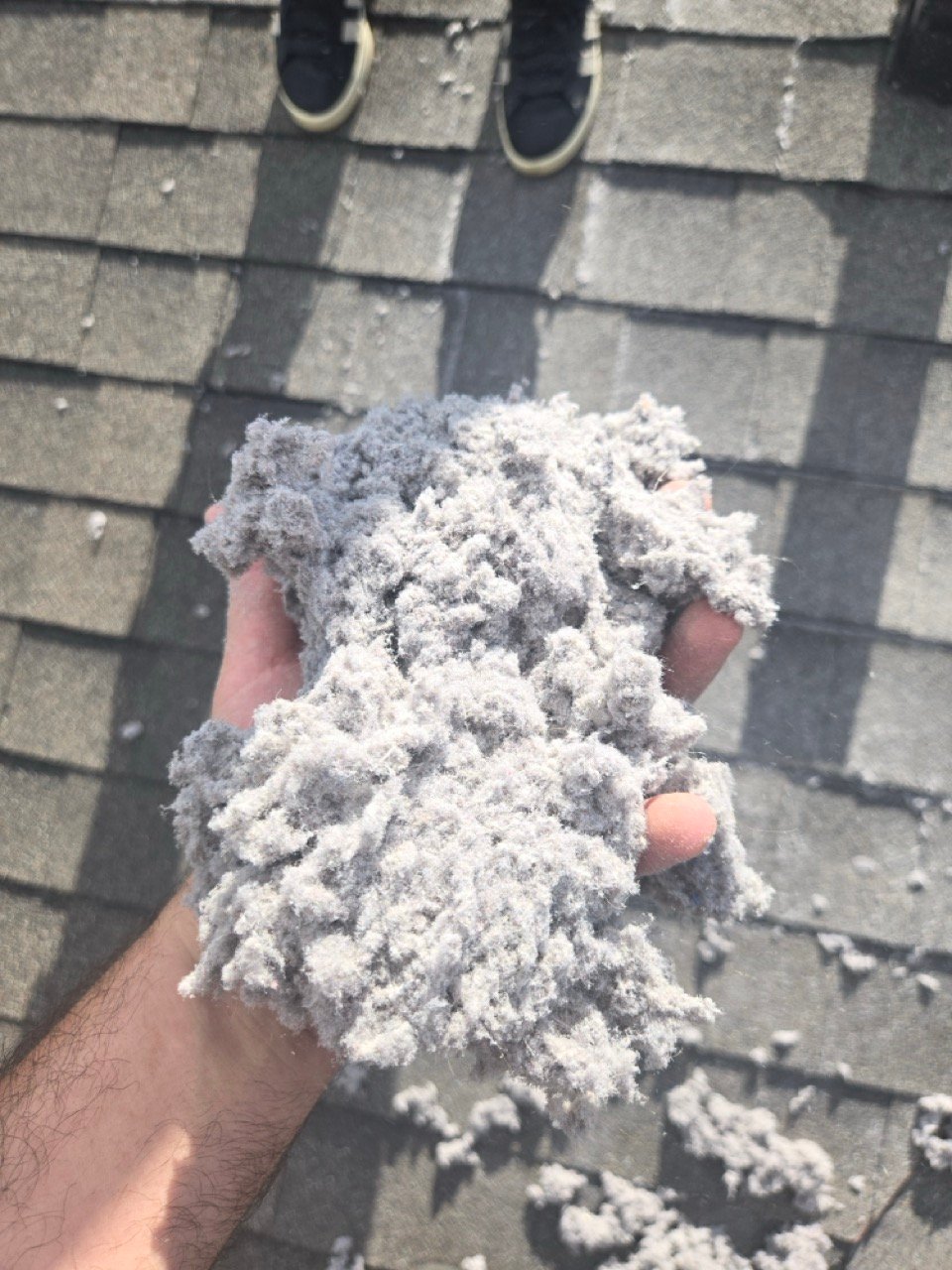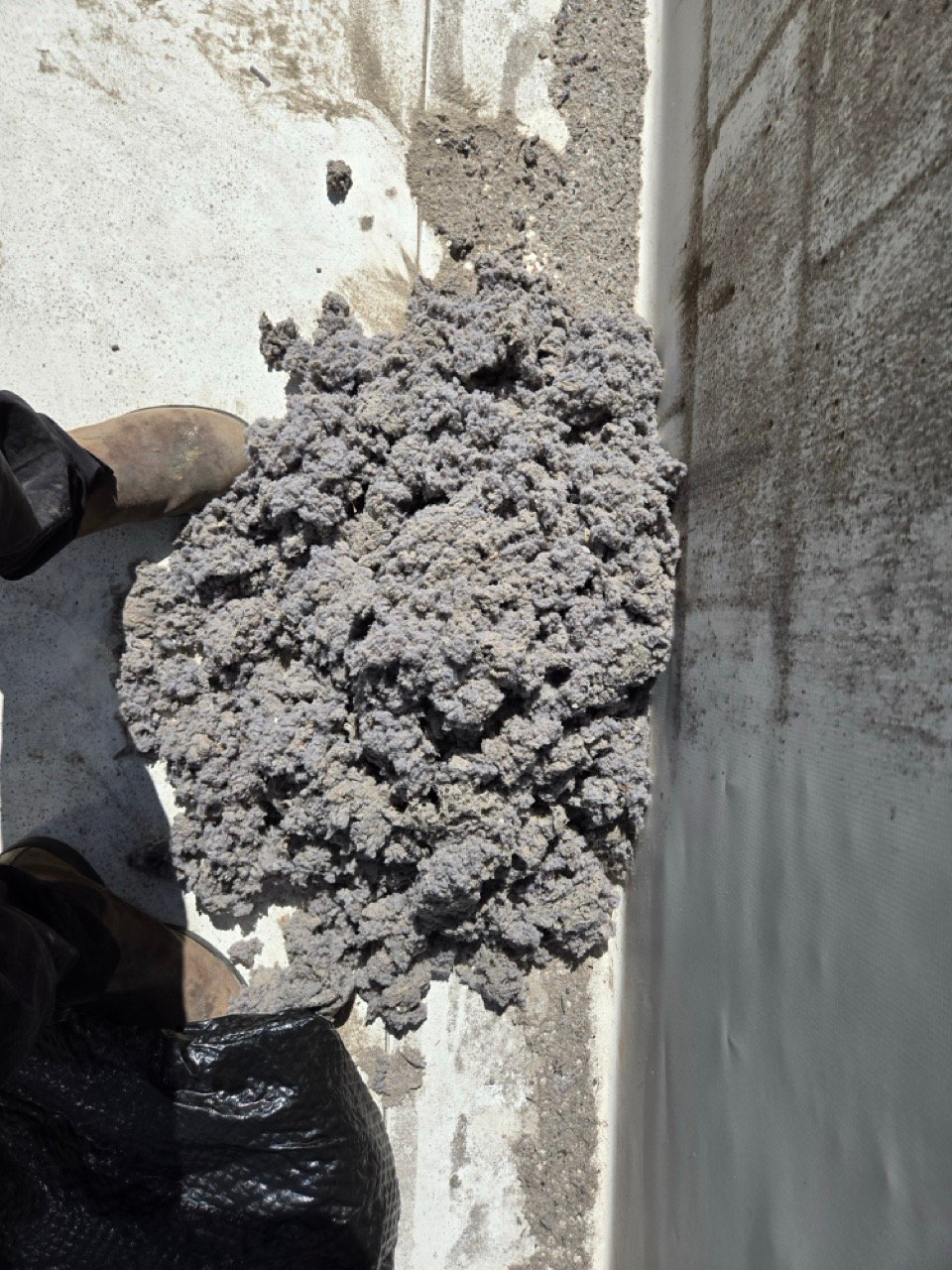
For most households, having the dryer vent professionally cleaned about once a year is a practical starting point. But that schedule is not right for every family. How much laundry you do, the length and layout of the vent, pets, dryer location, and how quickly lint accumulates can all shorten the time between cleanings.
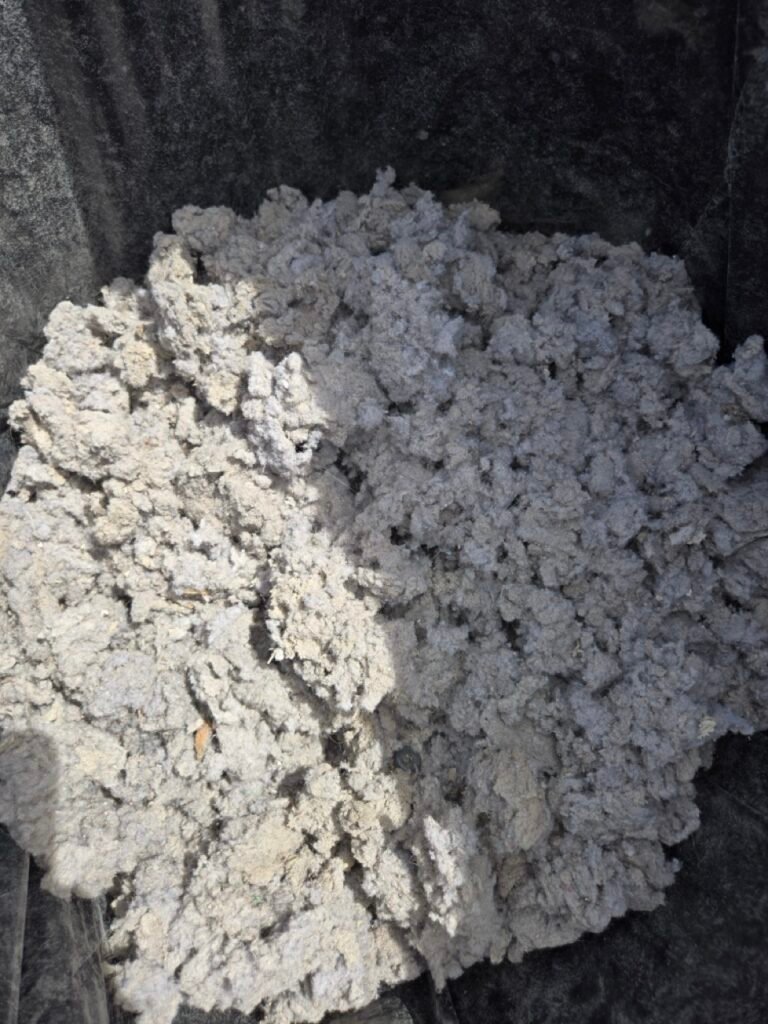
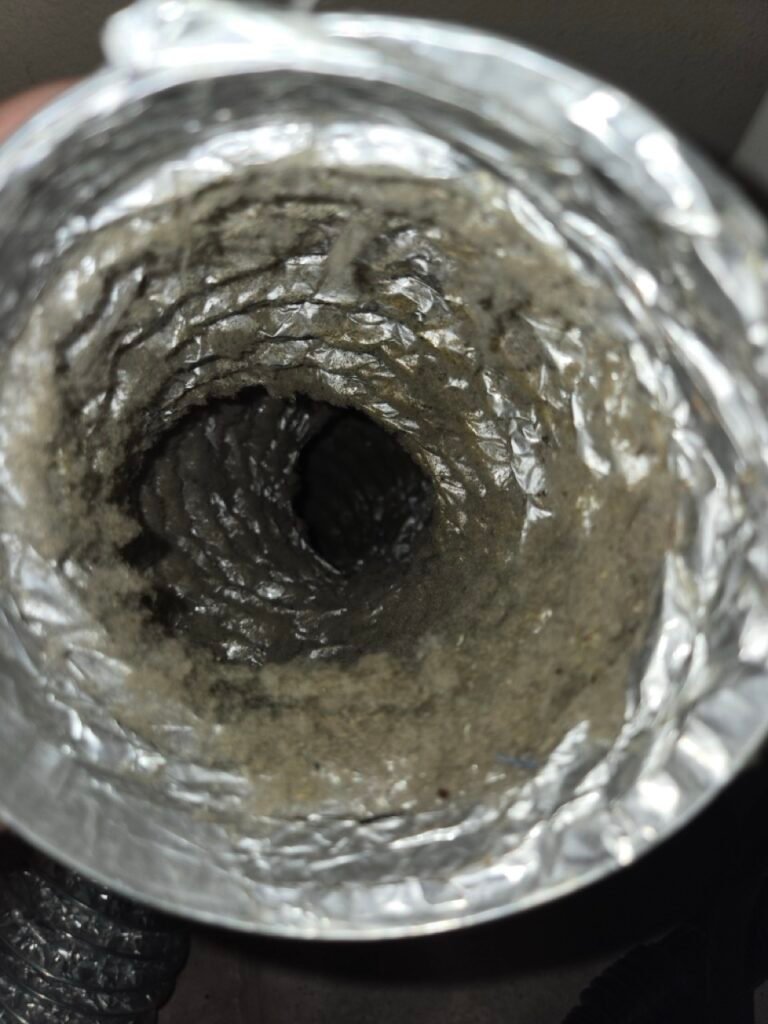
A recent type of service call illustrates why the calendar alone cannot tell the whole story. A family was running the dryer almost every day and noticed that towels that once dried in one cycle were beginning to need a second. The dryer itself was not particularly old, so they initially suspected an appliance problem. Inspection of the exhaust path showed a significant layer of lint restricting the vent, especially farther along the run where the homeowner could not see it. The exterior exhaust was also weaker than expected. The important part was not how many months had passed since the previous cleaning. Their laundry volume and vent configuration had caused buildup faster than they expected.
That is why the best schedule for Dryer Vent Cleaning Wesley Chapel should be based on how the system actually performs, not simply a date marked on the calendar.
If your dryer has already started taking longer to finish loads, it makes sense to have the complete exhaust path evaluated rather than waiting for the next annual reminder. Professional residential dryer vent cleaning designed to clear the full exhaust path can address buildup that cannot be reached by cleaning the lint screen or vacuuming behind the appliance.
How Often Is Dryer Vent Cleaning Really Needed?
Once every 12 months works well as a general maintenance interval for many households. Think of that as a baseline, not a hard rule.
Some systems can develop substantial lint accumulation sooner. Others may remain relatively clear for longer. What matters is how quickly the vent collects material and whether the dryer can still exhaust properly.
In the field, one of the first questions worth asking is not, “When was this cleaned?” It is, “How is the dryer performing compared with six months ago?” A gradual increase in drying time can tell you more about the condition of the vent than the age of the appliance.
Consider a household doing three or four loads each week compared with a family doing two loads almost every day. Those dryers may have identical vent systems, but they are not moving the same amount of lint through them.
A reasonable starting schedule looks like this:
- Typical household use: Inspect and consider professional cleaning annually.
- Large families or frequent laundry: The vent may need attention every 6 to 9 months.
- Homes with pets: Check performance more closely because additional hair and fibers can contribute to debris around the laundry system.
- Long or complicated vent runs: More frequent inspection may be worthwhile.
- Commercial laundry use: Cleaning frequency should be based on equipment use and the specific exhaust configuration rather than a residential schedule.
Businesses operating dryers throughout the day face a completely different maintenance situation. Laundromats, salons, hospitality facilities, and other high-use operations should consider a commercial vent maintenance approach based on equipment workload instead of assuming an annual residential schedule is sufficient.
Why Some Wesley Chapel Dryer Vents Need Attention Sooner
Wesley Chapel’s climate deserves consideration because this is not a dry part of the country. Warm, humid conditions are a normal part of life in Central Florida, particularly during the long summer season.
Humidity does not automatically mean your dryer vent will clog. The bigger concern is what happens when lint, moisture, and restricted exhaust occur together. Dry lint is light and relatively easy for a properly operating exhaust stream to move. Once material becomes damp or packed against the duct wall, buildup can become more stubborn.
I’ve encountered vents where the opening behind the dryer looked fairly normal, yet performance was poor. Farther down the line, lint had accumulated around bends and near the termination point. This is one reason simply disconnecting the dryer and vacuuming the first few feet does not necessarily tell you what is happening through the rest of the run.
Local homes can also have very different vent configurations. Some dryers exhaust through a short wall connection. Others have longer routes with turns before reaching an exterior wall or roof. The longer and more complicated the path, the more opportunities there are for lint to settle when exhaust performance begins to decline.
For Wesley Chapel residents trying to determine whether their current schedule is appropriate, the local dryer vent services available throughout the Wesley Chapel area provide useful context for the types of residential and commercial ventilation systems serviced locally.
A Long Vent Run Can Change the Maintenance Schedule
Vent length matters more than many people realize.
Picture two laundry rooms. In the first, the dryer sits against an exterior wall and vents almost directly outside. In the second, the laundry room is near the center of the building and the exhaust must travel a much greater distance with several changes in direction.
Those systems should not automatically be treated the same.
Every additional foot and turn creates more resistance. If lint begins coating the inside of the duct, that resistance can increase. Eventually, the dryer may have to operate longer to remove the same amount of moisture from clothing.
This is where Dryer Vent Maintenance Wesley Chapel should become condition-based rather than calendar-based. If the vent has a difficult route, checking performance throughout the year can catch developing restrictions before drying time becomes noticeably frustrating.
If you are unsure how your vent is routed or whether its design is contributing to repeated buildup, requesting a professional evaluation of the vent configuration can help establish a maintenance interval based on the actual system rather than guesswork.
Signs You May Need Cleaning Before the One-Year Mark
A yearly schedule is useful, but the dryer itself can give you earlier warnings. Changes usually happen gradually, which is why they are easy to overlook. A load takes an extra 15 minutes one month, then a little longer the next. Eventually, running a second cycle starts to feel normal.
That change should not be ignored.
Some of the most useful warning signs include:
- Clothes taking noticeably longer to dry
- Towels or heavier items remaining damp after a normal cycle
- The dryer becoming hotter than it used to
- The laundry room feeling unusually warm during operation
- Weak exhaust coming from the exterior vent
- Lint collecting around the exterior termination
- A noticeable amount of lint behind or around the appliance
- The dryer shutting off before a load is completely dry
These symptoms do not automatically prove that the vent is clogged. A heating element, moisture sensor, damaged duct, or other appliance problem can produce similar complaints. That is why checking the exhaust system is often a sensible first diagnostic step.
If performance has changed between scheduled cleanings, professional residential vent cleaning and inspection can determine whether accumulated lint is restricting the exhaust path.
What Frequent Laundry Does to Your Cleaning Schedule
Laundry volume is one of the biggest reasons two neighboring households may need completely different cleaning schedules.
A couple doing a few loads per week does not put the same demand on a dryer vent as a family washing clothes, bedding, towels, sports uniforms, and other items almost every day. More cycles mean more opportunities for lint to enter the exhaust system.
The lint screen catches a large amount of material, but it does not capture everything. Fine fibers still travel into the vent each time the dryer operates.
One service situation involved a busy household that had previously been told to think about vent cleaning once a year. Several months before that anniversary, drying performance had already dropped noticeably. The family assumed the relatively recent cleaning meant the vent could not be the issue.
Once the exhaust path was checked, buildup was concentrated around bends farther from the appliance. Their high laundry volume, combined with the vent layout, meant lint was accumulating faster than a simple annual schedule accounted for.
After the restriction was addressed, the practical takeaway was straightforward: maintenance frequency should follow usage and system performance, not an arbitrary 12-month rule.
This same principle matters even more for businesses. Equipment that handles repeated loads throughout the day needs a maintenance plan based on operating hours and vent conditions. Facilities with high laundry volume can review commercial dryer exhaust cleaning for frequently used equipment rather than applying residential intervals to commercial machines.
Does Cleaning the Lint Trap Reduce How Often the Vent Needs Cleaning?
Yes, cleaning the lint screen helps. No, it does not replace vent cleaning.
This is one of the most common misunderstandings surrounding Dryer Vent Cleaning.
The lint screen is the first line of defense. Cleaning it after each load helps maintain proper movement through the dryer and reduces the amount of material entering the exhaust system. Even a well-maintained screen, however, allows some fine lint and fibers to pass.
That material can settle inside the duct over hundreds of drying cycles.
Another issue is the area below and around the lint screen. Depending on the dryer design, material can collect where it is difficult to reach during normal household cleaning. Behind the appliance, a crushed or sharply bent transition duct can create another point where exhaust performance suffers.
A good routine includes cleaning the lint screen after every load, periodically checking behind the appliance, and paying attention to the exterior exhaust while the dryer is operating.
If the exterior flap barely opens, exhaust feels unusually weak, or lint is collecting around the outlet, the system deserves closer attention.
Residents who want to understand what professional cleaning covers can review the complete residential dryer vent cleaning process before deciding whether the vent needs service.
Why the Exterior Dryer Vent Deserves a Regular Check
You can learn quite a bit about a dryer vent without taking anything apart.
While the dryer is operating, look at the exterior termination. Depending on its design, the flap or louvers should open as exhaust leaves the building. There should be a noticeable discharge rather than barely detectable movement.
The exterior outlet can develop problems of its own. Lint may collect behind a flap, debris can interfere with movement, and damaged components can restrict the opening.
Florida weather adds another practical reason to check this area periodically. Heavy rain, wind-driven debris, vegetation growth, insects, and prolonged moisture exposure can affect exterior components over time. These conditions do not necessarily create a clogged vent by themselves, but they can make an existing exhaust problem worse.
One mistake is assuming that visible exhaust means the entire duct is clear. A partially restricted system can still push some air outside. The question is whether it is moving enough exhaust to let the dryer operate efficiently.
If the exterior termination looks damaged or exhaust performance has noticeably changed, local Wesley Chapel dryer vent support for residential and commercial systems can help determine whether cleaning, maintenance, or another correction is appropriate.
When a Clogged Vent Needs More Than Routine Maintenance
There is an important difference between preventive Dryer Vent Maintenance Wesley Chapel and dealing with a vent that is already significantly restricted.
Preventive maintenance is intended to remove accumulating material before it creates major performance problems. Once clothing consistently needs multiple cycles, the dryer becomes unusually hot, or exterior exhaust becomes very weak, it makes more sense to investigate the cause rather than simply wait for the next scheduled service.
With Clogged Dryer Vent Cleaning Wesley Chapel, the goal should be to address the complete exhaust path. Clearing only the connection immediately behind the dryer may leave restrictions farther along the duct untouched.
The condition of the duct should also be considered. Cleaning cannot correct every problem. Crushed transition material, disconnected sections, damaged exterior terminations, or poorly configured runs may require repair rather than repeated cleaning.
Safety is another reason not to ignore persistent symptoms. Lint is combustible, and restricting the dryer’s ability to exhaust heat is not something worth treating casually. For local consumers checking the business and its presence in the community, the Superb Dryer Vent Cleaning Wesley Chapel Google business reference provides an additional independent point of reference.
When you are unsure whether the problem is ordinary buildup or something more complicated, schedule an inspection of the complete dryer exhaust path so the maintenance decision can be based on the vent’s actual condition.
Residential and Commercial Dryers Need Different Maintenance Plans
A maintenance schedule that works for a typical family should not automatically be applied to a commercial dryer.
For Residential Dryer Vent Cleaning Wesley Chapel, the right interval depends heavily on household size, laundry habits, vent length, and how the dryer performs between cleanings. An annual cleaning may be appropriate for a moderately used system, while a large family running the dryer daily may need an inspection sooner.
Commercial equipment is different. A dryer serving a salon, veterinary facility, cleaning business, apartment laundry room, or another high-use operation may run repeatedly throughout the day. More operating hours mean more material moving through the exhaust system and less time for a developing restriction to go unnoticed.
A commercial service call can begin with a simple complaint such as, “The dryers still work, but loads are taking longer.” When several machines share similar usage patterns, small changes in drying time can add up to significant operating delays. Inspection may reveal heavy lint accumulation, restrictions near termination points, or vent configurations that need more frequent attention than the operator expected.
For this reason, Commercial Dryer Vent Cleaning Wesley Chapel should be planned around equipment use and inspection findings rather than a fixed residential timetable. Businesses with frequently operated dryers can review professional commercial dryer exhaust maintenance options to determine a schedule that fits their actual workload.
Should You Clean the Dryer Vent Yourself?
There are several useful maintenance tasks you can handle without professional equipment.
Clean the lint screen after each load. Keep the floor and area behind the appliance free of lint and dust. Check that the transition duct behind the dryer is not crushed. Look at the exterior termination occasionally while the dryer is operating.
Those simple habits matter.
The limitation comes when trying to clean a long or complicated duct from one end. A brush may remove material near the opening without confirming what remains farther inside. Long runs, multiple bends, roof terminations, and difficult-to-access sections make it harder to determine whether the complete pathway has actually been cleared.
I’ve inspected systems where a homeowner had already removed a surprising amount of lint with a DIY kit. They understandably assumed the job was finished. The dryer still needed too long to dry towels, though. Farther into the vent, material remained packed around a turn that the cleaning tool had not effectively reached.
The lesson is not that DIY maintenance has no value. It does. The problem is assuming that removing some lint proves the entire exhaust route is clear.
If basic maintenance does not restore normal performance, having the full residential exhaust system professionally evaluated can help identify restrictions that are not accessible from the laundry room.
How to Build a Practical Dryer Vent Maintenance Routine
The easiest maintenance plan is one you can actually remember and follow.
Start with the lint screen. Clean it after every drying cycle. Every few months, take a quick look behind the appliance and at the exterior termination. Pay attention to changes rather than waiting for a complete blockage.
Your clothes are useful indicators too. If similar loads suddenly need more time than they did earlier in the year, make a note of it. Towels, bedding, and heavier fabrics tend to make declining dryer performance especially noticeable.
For a typical Wesley Chapel household, a practical routine might look like this:
- Clean the lint screen after every load.
- Watch for gradual increases in drying time.
- Periodically inspect the flexible connection behind the appliance.
- Check that the exterior termination opens properly during operation.
- Keep vegetation and visible debris away from the outside vent.
- Consider a professional inspection or cleaning around once a year.
- Shorten that interval when usage is heavy or the vent has a difficult route.
- Have unexplained performance changes investigated instead of repeatedly extending drying cycles.
This approach makes Dryer Vent Maintenance Wesley Chapel more useful than simply scheduling a service every 12 months and forgetting about the system in between.
Residents can explore dryer vent solutions available throughout Wesley Chapel when deciding whether routine cleaning or a closer inspection better matches the condition of their system.
What Should You Expect From Professional Dryer Vent Cleaning?
A proper cleaning should address more than the small section immediately behind the appliance.
The technician should first consider how the system is performing and how the exhaust is routed. The transition connection, accessible ductwork, exterior termination, and signs of restriction all provide useful information.
Cleaning methods vary depending on the vent design, but the goal is the same: remove accumulated lint and debris from the exhaust path so the dryer can discharge heated, moisture-laden air effectively.
A good service visit can also reveal conditions that cleaning alone cannot correct. The flexible connection may be crushed behind the appliance. A section of duct may be damaged. The exterior termination may not open correctly. A poorly configured run may have unnecessary turns that encourage repeated buildup.
This matters because repeatedly cleaning a vent without addressing a physical problem can lead to the same symptoms returning sooner than expected.
After cleaning, the technician should be able to explain what was found in plain language. You should understand whether the buildup looked consistent with normal use, whether anything about the vent configuration deserves attention, and what maintenance interval makes sense going forward.
For residents considering Dryer Vent Cleaning Wesley Chapel, reviewing what is included with professional residential dryer vent service can help set realistic expectations before scheduling an appointment.
When Should You Schedule the Next Cleaning?
The best time to decide on your next cleaning is shortly after the current system has been evaluated.
If the vent had moderate buildup after approximately 12 months and the dryer had been performing normally, another annual interval may make sense. If substantial lint accumulated in only six or eight months, waiting a full year next time would be difficult to justify.
The same applies when circumstances change.
A household may start doing significantly more laundry after a family member moves in. A new baby can dramatically increase the number of weekly loads. Replacing a dryer does not reset the condition of an existing vent either. A brand-new appliance connected to a restricted exhaust path can still have trouble moving moisture efficiently.
Commercial operators should make the same adjustment based on workload. If equipment use increases, the inspection schedule should reflect it. Businesses can evaluate commercial dryer vent cleaning based on operating frequency rather than relying on a maintenance interval established when usage was lower.
When there is no previous service history, or you simply do not know when the vent was last cleaned, request a dryer vent evaluation in Wesley Chapel and use the findings to establish a sensible starting schedule.
A Practical Cleaning Schedule for Wesley Chapel Properties
There is no benefit in cleaning a dryer vent more frequently than its condition requires, but waiting until the dryer struggles through every load is not a good maintenance strategy either. The useful middle ground is to establish a baseline and adjust it according to what happens between services.
For many households, starting with an annual professional inspection and cleaning is reasonable. A six-to-nine-month interval may make more sense when the dryer runs nearly every day, the exhaust route is long or has several turns, or previous service has shown that lint accumulates quickly. Commercial systems should follow a schedule based primarily on operating volume and actual inspection findings.
The most valuable information often comes from comparison. Remember roughly how long an ordinary load takes after the vent has been cleaned. If similar loads begin taking noticeably longer several months later, investigate the change instead of automatically assuming the appliance is wearing out.
Florida’s warm, humid conditions also make it worthwhile to keep an eye on the exterior termination. Rain, vegetation, insects, debris, and moisture around an already restricted outlet can contribute to poor exhaust performance. A quick exterior check throughout the year can identify an obvious problem well before the next scheduled cleaning.
If you want to understand what a complete cleaning involves, review the residential dryer vent cleaning process for Wesley Chapel properties. Businesses operating dryers frequently can instead explore maintenance options for commercial dryer exhaust systems. You can also view the full range of local dryer vent solutions available in Wesley Chapel when the problem involves more than routine lint buildup.
The practical rule is simple: use 12 months as a starting point, then let usage, vent design, previous inspection findings, and changes in drying performance determine whether that interval should be shorter. That approach makes Dryer Vent Cleaning Wesley Chapel preventive maintenance rather than something you think about only after the dryer stops performing normally.
Superb Dryer Vent Cleaning Wesley Chapel can evaluate the exhaust path and explain whether the system needs cleaning now or whether a different maintenance interval would be more appropriate. When performance has already changed, schedule a professional dryer vent evaluation rather than guessing at the cause.
Frequently Asked Questions
How often should I have my dryer vent cleaned in Wesley Chapel?
For many households, once a year is a reasonable starting point. Homes doing frequent laundry or using long, complicated vent runs may benefit from inspection and cleaning every six to nine months. Your previous inspection findings and changes in dryer performance are better guides than the calendar alone.
How do I know if my dryer vent needs cleaning before a year has passed?
Watch for longer drying times, damp clothing after a normal cycle, excessive heat around the dryer, weak exhaust outside, or visible lint around the exterior outlet. These symptoms can have other causes, but they are good reasons to have the vent checked.
Can I wait until my dryer takes two cycles before cleaning the vent?
It is better to investigate when drying time first begins increasing. Repeatedly adding another cycle addresses the symptom without determining why the dryer is taking longer. A restriction in the exhaust path is one possible cause.
Does a large family need dryer vent cleaning more often?
Possibly. A dryer handling daily loads moves considerably more lint through its exhaust system than one used only a few times each week. Large families should base their cleaning schedule on usage, vent configuration, and how quickly performance changes.
Does Florida humidity affect how often a dryer vent should be cleaned?
Humidity alone does not determine the cleaning schedule. However, Wesley Chapel’s warm, humid weather can matter when moisture combines with lint buildup, poor exhaust performance, or problems around the exterior termination. Periodic exterior checks are especially worthwhile in Florida conditions.
Is cleaning the lint screen enough to keep the dryer vent clear?
No. Cleaning the lint screen after every load is excellent routine maintenance, but some fine lint still passes into the exhaust system. Over time, that material can accumulate inside areas you cannot reach from the lint screen.
How often do commercial dryer vents need professional cleaning?
There is no single interval that fits every business. Commercial Dryer Vent Cleaning Wesley Chapel should be scheduled according to operating hours, laundry volume, equipment type, vent layout, and previous inspection findings. Equipment running throughout the day may require much more frequent attention than a residential dryer.
Can I clean my dryer vent myself?
You can handle basic tasks such as cleaning the lint screen, checking behind the appliance, and inspecting the exterior outlet. DIY cleaning tools may also remove some buildup. Long runs, multiple bends, roof terminations, or persistent drying problems can make professional inspection more useful because the entire exhaust route needs to be evaluated.
Will Dryer Vent Cleaning fix a dryer that takes too long to dry?
It can help when restricted exhaust caused by lint buildup is responsible for the problem. However, longer drying times can also result from appliance issues, damaged ducts, crushed connections, or other conditions. Clogged Dryer Vent Cleaning Wesley Chapel should address the exhaust restriction, but unrelated mechanical problems may still require separate attention.
What is the best schedule for Dryer Vent Cleaning Wesley Chapel?
Start with approximately once a year for an average household, then adjust based on laundry frequency, vent length, previous buildup, and changes in drying performance. Consistent Dryer Vent Cleaning and sensible Dryer Vent Maintenance Wesley Chapel are more effective when the schedule reflects how the system is actually being used rather than following the same interval for every property.