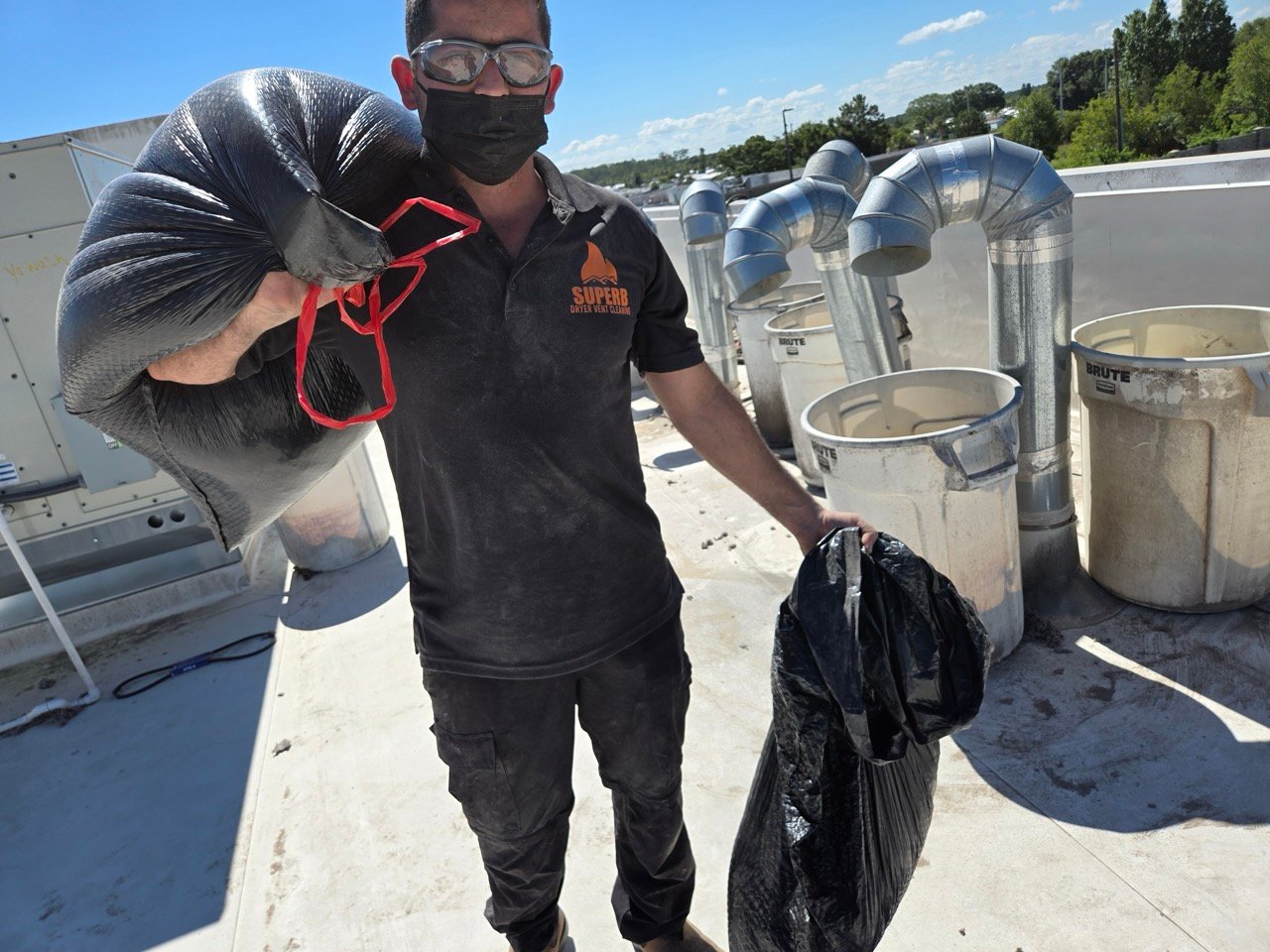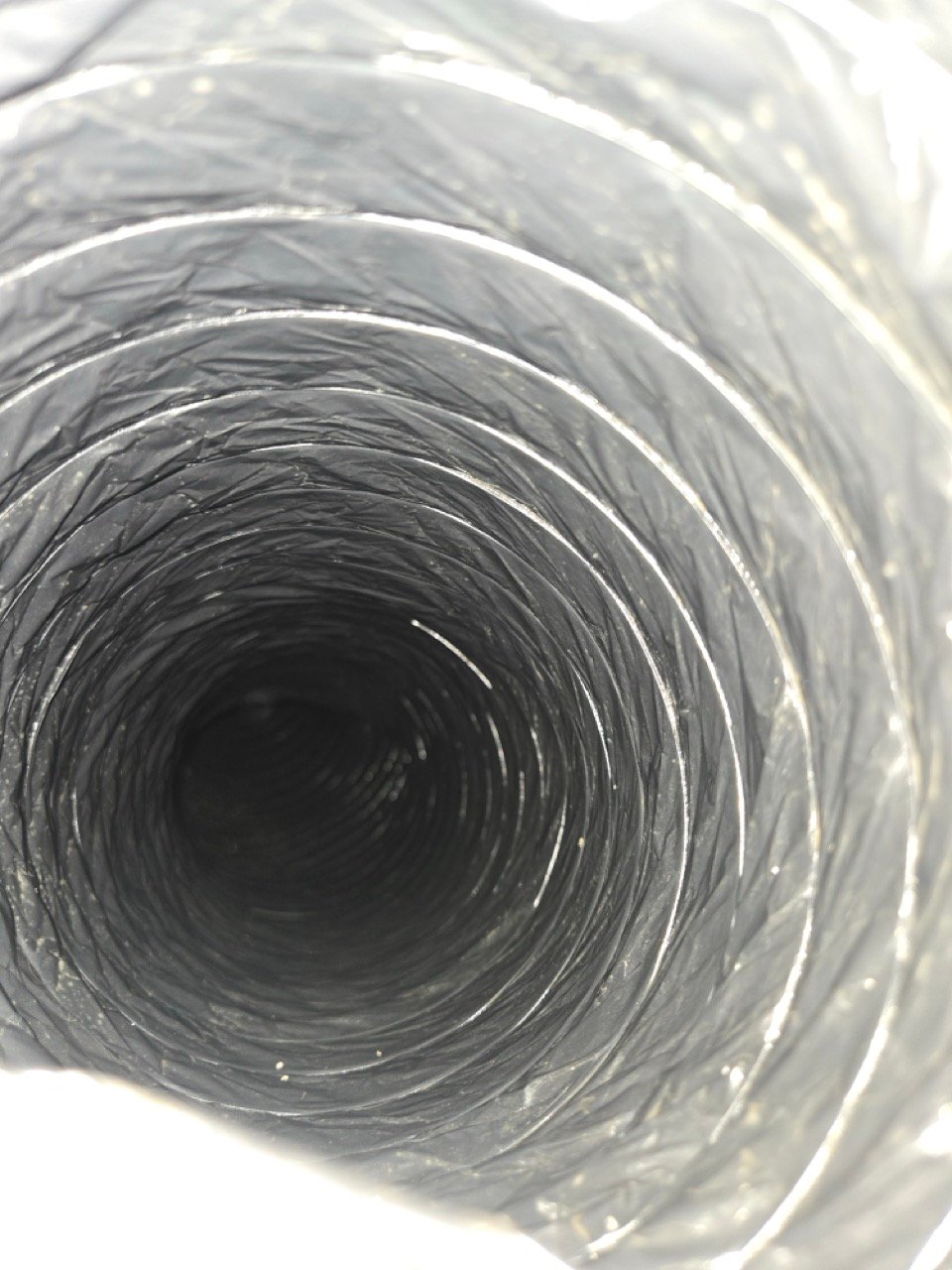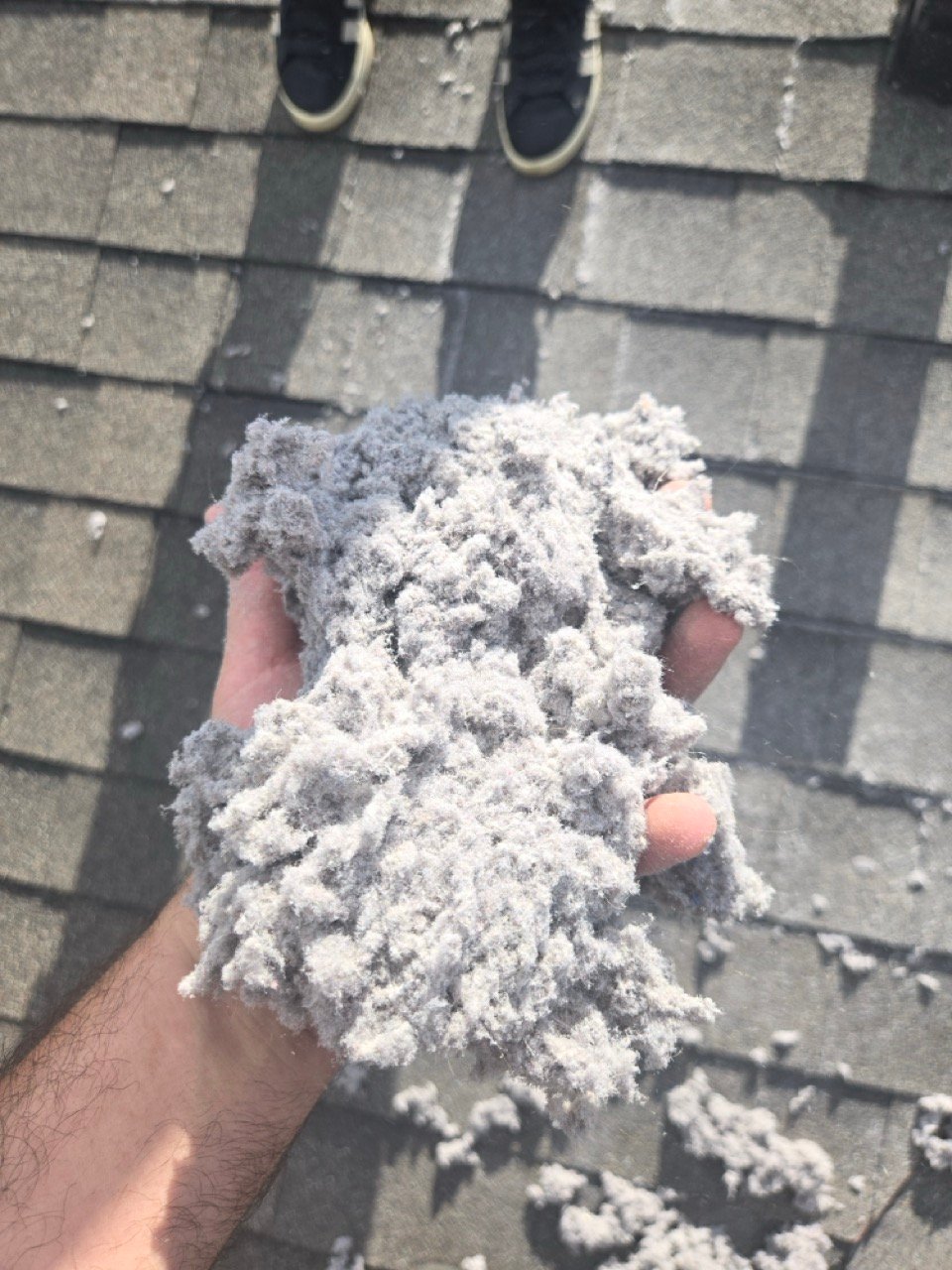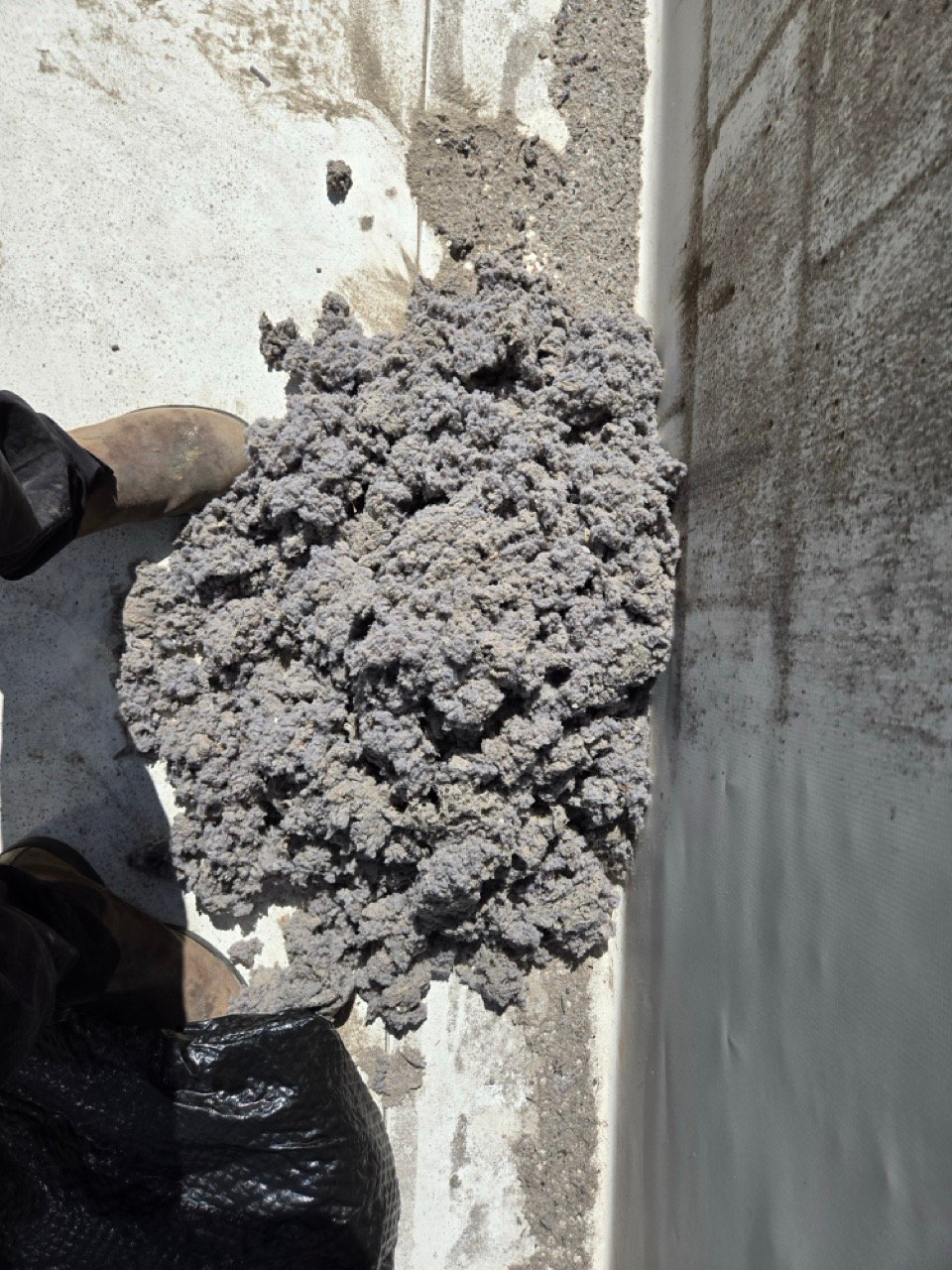
A dryer that becomes unusually hot or shuts down before finishing a cycle may be struggling with restricted exhaust airflow. As lint and debris accumulate inside the exhaust path, the dryer can have more difficulty moving warm, moisture-filled air outdoors. That restriction can contribute to higher operating temperatures, longer drying cycles, and poor drying performance. Professional residential dryer vent cleaning can remove accumulated lint and debris when buildup is contributing to the restriction.
A clogged vent is not the only possible explanation, however. Heating components, temperature sensors, motors, dryer settings, overloading, or other mechanical problems can produce similar symptoms. The goal is to recognize the clues, check the accessible parts of the exhaust system safely, and determine whether restricted airflow or the appliance itself needs attention.
Consider a household where the dryer becomes very warm, and clothes remain damp after a normal cycle. It is easy to assume the appliance is failing. An inspection might instead find significant lint accumulation farther along the exhaust route or an exterior termination that is not opening properly. In that situation, restoring airflow addresses a condition the homeowner cannot solve simply by cleaning the lint screen.
Why Can Restricted Dryer Airflow Lead to Overheating?
A dryer needs to do more than generate heat. It must continuously move heated air through the load, collect moisture from the clothes, and exhaust that warm, moist air outside. If the exhaust route becomes restricted, that process becomes less efficient.
Lint buildup is one possible restriction, but it is not the only one. A crushed transition connection behind the appliance, debris at the exterior termination, damaged ductwork, or another obstruction can also reduce airflow. The U.S. Fire Administration recommends making sure dryer venting is not damaged, crushed, or restricted and checking that the outdoor vent cover opens while the dryer is operating.
When lint accumulation is the problem, professional cleaning of the residential dryer exhaust system can clear material from areas that are difficult to reach through routine lint-screen maintenance. Cleaning cannot repair a crushed duct, correct poor routing, or fix an appliance component, which is why the entire situation matters when overheating persists.
What Are the Warning Signs of Restricted Dryer Exhaust?
Long drying times are often one of the first noticeable clues. Clothes may require another cycle even though the dryer itself feels hot. A homeowner might also notice weak exhaust at an accessible exterior termination, an exterior flap that does not open normally, excessive warmth around the appliance, or a vent-related warning on dryers equipped with airflow monitoring.
Whirlpool explains that its Check Vent indicator signals restricted airflow and notes that dryers require good airflow to the outside for proper drying performance. The manufacturer also recommends checking behind the dryer for crushed venting.
These signs do not prove that lint is responsible. They indicate that the exhaust system deserves attention. Someone experiencing repeated performance changes can explore professional dryer vent cleaning solutions in Wesley Chapel while also considering whether the dryer itself may require appliance diagnosis.
Why Might a Dryer Shut Off Unexpectedly?
A dryer stopping in the middle of a cycle can be frustrating because the symptom does not identify one specific problem. Restricted exhaust may contribute to excessive operating temperatures, but an overheating motor, faulty temperature-related component, heating-system problem, control issue, or other appliance fault may also cause shutdown behavior. Diagnostic information for overheating dryers similarly identifies restricted venting as one possibility among several mechanical and electrical causes.
Imagine a dryer that runs normally for part of a cycle, stops, and then operates again after it has had time to cool. The homeowner may immediately assume the vent needs cleaning. A technician evaluating that situation might first look for obvious airflow restrictions, inspect the accessible exhaust path and termination, and consider the appliance symptoms. If airflow is adequate, repeatedly cleaning the vent would not address a failing dryer component.
That distinction is important. Professional dryer vent cleaning for Wesley Chapel homes is useful when lint and debris are restricting the exhaust path, but continuing shutdowns after airflow has been restored can indicate that appliance service or further diagnosis is appropriate.
How Does Dryer Vent Cleaning Improve Exhaust Airflow?
Cleaning helps when accumulated lint and debris are narrowing the exhaust path and making it harder for the dryer to move warm, moisture-filled air outdoors. Removing that buildup can restore a clearer route for exhaust air, which may improve drying performance and reduce unnecessary heat buildup caused by restricted airflow.
The lint screen catches a large amount of material, but it does not capture everything. Small fibers can travel beyond the screen and settle along the exhaust duct over time. How quickly buildup develops can vary based on laundry volume, vent configuration, dryer use, and the condition of the exhaust system. For buildup beyond normal homeowner access, professional residential dryer vent cleaning can address lint deeper within the exhaust route.
Cleaning also provides an opportunity to identify situations that lint removal alone may not correct. A crushed transition connection, damaged exhaust duct, blocked termination, or installation problem can continue restricting airflow after loose lint has been removed. This is why the goal is not simply to clean a duct, but to understand whether the exhaust route can move air effectively.
Can Long Vent Runs and Multiple Bends Affect Dryer Performance?
The route between the dryer and the outdoors matters. Warm, moist exhaust must travel through the entire duct before leaving the building. A longer route or one containing several changes in direction can create more resistance than a short, direct exhaust path. It also creates more duct surface where lint may accumulate.
The International Residential Code addresses dryer exhaust duct length and requires the maximum allowable length to follow the dryer manufacturer’s installation instructions when that information is available. This reflects an important principle: vent configuration affects how effectively a dryer can exhaust air.
Consider a laundry room located away from an exterior wall. The homeowner notices that loads are taking progressively longer to dry and assumes the aging dryer is losing performance. An inspection might find that the appliance is working, but the longer exhaust route has accumulated material at bends farther from the dryer. Cleaning the accessible lint screen would not address that restriction. In this type of situation, professional evaluation and cleaning of the complete dryer exhaust route can help determine whether buildup is interfering with airflow.
A long route does not automatically mean a vent is clogged, and replacing the dryer will not correct a restriction elsewhere in the exhaust system. Looking at both the appliance and the vent route helps avoid treating the wrong problem.
Can the Exterior Dryer Vent Cause Airflow Problems?
The exhaust system does not end at the wall behind the dryer. The exterior termination must also allow exhaust air to leave the building. If the opening is obstructed or its damper cannot operate properly, airflow may remain restricted even when the duct closer to the appliance appears clear.
The U.S. Fire Administration advises checking that the outdoor dryer vent covering opens while the dryer is running and making sure the exhaust vent is not restricted. This is one of the simpler observations a homeowner can make when the termination is safely accessible.
Lint around the termination, debris, or another obstruction deserves attention, but weak airflow outside does not reveal exactly where the restriction is located. The problem could be near the termination, farther inside the duct, behind the dryer, or related to the appliance itself. Homeowners experiencing persistent airflow problems can review local dryer vent cleaning and maintenance options rather than assuming the visible opening is the only area that needs attention.
Roof terminations require extra caution. A homeowner should not climb onto a roof simply to investigate a dryer problem. When the termination is difficult or unsafe to access, professional inspection is the safer approach.
What Can You Safely Check Before Requesting Professional Service?
A few simple observations can provide useful information without dismantling the dryer or exhaust system. Start with the lint screen. Clean it before or after each load and look for any obvious damage or unusual buildup around the accessible lint-screen area.
Next, consider how the dryer is being used. An overloaded drum can reduce the space clothes need to tumble and can contribute to poor drying performance. Confirm that the selected cycle is appropriate for the load before assuming the vent is responsible.
If there is enough safe access behind the dryer, look for an obviously crushed or sharply kinked transition connection. Do not disconnect gas lines, open electrical components, reach into powered equipment, or attempt repairs that require moving connections you are not qualified to handle. Whirlpool’s dryer guidance similarly recommends checking for crushed venting when investigating airflow restrictions.
If the exterior termination can be observed safely from ground level, watch it while the dryer is operating. A flap that barely moves or noticeably weak exhaust can support the need for further evaluation, although neither observation identifies the exact cause by itself.
If these basic checks do not explain persistent overheating, slow drying, or shutdowns, requesting a professional dryer vent evaluation can help determine whether the exhaust path needs cleaning or whether another issue should be investigated.
When Is the Dryer Itself More Likely to Be the Problem?
Restoring exhaust airflow can help when lint buildup or another vent restriction is contributing to excessive heat, but cleaning cannot repair a malfunction inside the appliance. If the exhaust path has been evaluated and airflow appears normal, repeated overheating or shutdowns deserve a closer look at the dryer itself.
Possible appliance-related causes can include temperature-control components, moisture or temperature sensors, heating-system problems, motor issues, electrical faults, or controls. The exact possibilities depend on the dryer model and the symptoms involved. Manufacturer troubleshooting information should be used for the specific appliance rather than assuming one component is responsible.
Dryer settings and laundry habits can also create symptoms that resemble an exhaust problem. For example, an overloaded drum may leave clothes damp after a normal cycle. Poor washer spin performance can send unusually wet clothes into the dryer, increasing the time needed to remove that moisture. These situations are different from an airflow restriction.
A useful troubleshooting approach is to evaluate both sides of the system. Professional cleaning for residential dryer exhaust systems can address lint and debris within the vent, while persistent problems after adequate airflow has been confirmed may indicate that an appliance repair professional should evaluate the dryer.
How Can Regular Vent Maintenance Reduce Recurring Airflow Restrictions?
Preventive maintenance starts with the lint screen, but it should not end there. The U.S. Fire Administration recommends cleaning the lint filter before and after each load and cleaning the dryer vent ductwork every year. It also advises checking that the outdoor vent cover opens while the dryer operates.
Actual maintenance needs can vary. A household doing several loads each day places different demands on its laundry system than a household using the dryer only a few times each week. Vent length, changes in direction, dryer performance, and the condition of the exhaust route can also affect how quickly restrictions become noticeable.
Changes in performance are often more useful than waiting for a dramatic failure. If loads that once dried normally begin taking substantially longer, the dryer feels unusually hot, or exterior airflow appears weaker, those changes provide a reason to investigate. The site’s residential dryer vent cleaning options for Wesley Chapel properties provide a professional route for addressing buildup that extends beyond routine lint-screen maintenance.
Regular attention also makes it easier to identify problems that cleaning alone cannot solve. If a transition connection repeatedly becomes crushed behind the appliance or an exterior termination does not operate properly, correcting the underlying issue may be necessary to keep airflow from becoming restricted again.
Does Wesley Chapel’s Climate Change Dryer Vent Maintenance Needs?
Wesley Chapel has a warm, humid Florida climate, which makes moisture management an important part of normal household operation. A clothes dryer already has the job of moving warm, moisture-laden air outdoors, so an exhaust system needs a clear route to discharge that air effectively.
Humidity itself does not prove that a dryer vent is clogged, and living in Wesley Chapel does not automatically mean a vent needs cleaning more frequently. The actual system matters more. Laundry volume, duct configuration, the condition of the exterior termination, and changes in drying performance provide more useful maintenance clues than location alone.
Exterior conditions can still matter. Terminations exposed to weather and outdoor debris should remain unobstructed and able to operate as intended. Pest activity can also create an obstruction in some situations. If the outlet is on a roof or another difficult-to-reach location, homeowners should avoid unsafe access attempts and have the system evaluated professionally.
For local properties experiencing slow drying, unusual heat, or weak exhaust, exploring dryer vent services available in Wesley Chapel can help determine whether the exhaust route needs attention rather than relying on climate alone as a reason to clean it.
What Should You Do If Your Dryer Keeps Overheating or Shutting Down?
Start with what you can observe safely. Clean the lint screen, make sure the dryer is not overloaded, confirm the appropriate cycle is being used, and look for an obviously crushed transition connection if the area behind the appliance is safely accessible. If the exterior termination can be viewed from ground level, check whether its flap opens while the dryer runs.
If drying times remain unusually long, the appliance continues getting excessively hot, or shutdowns continue, the next step is determining whether exhaust airflow is actually restricted. Homeowners can explore professional residential dryer vent cleaning when lint accumulation within the exhaust route is suspected. For a broader view of available local ventilation solutions, review dryer vent services provided in Wesley Chapel.
Cleaning is only one part of proper diagnosis. If the vent is clear but the same symptoms continue, the dryer may require appliance-specific troubleshooting or repair. This distinction helps avoid repeatedly treating the exhaust system when the underlying problem is elsewhere.
Persistent symptoms should not be ignored or diagnosed solely from how hot the appliance feels. A professional inspection can clarify whether lint buildup, vent configuration, an exterior obstruction, damaged ductwork, or another condition is interfering with exhaust performance. When an evaluation is appropriate, you can request help with a dryer vent airflow concern from Superb Dryer Vent Cleaning Wesley Chapel.
Frequently Asked Questions
Can a clogged dryer vent cause a dryer to overheat?
Yes, restricted exhaust airflow can contribute to excessive heat. A dryer needs to move warm, moisture-filled air through the exhaust system and outdoors. If lint or debris significantly restricts that path, heat and moisture may not escape as effectively. Overheating can also have appliance-related causes, so the symptom alone does not confirm a clogged vent. If airflow restriction is suspected, professional residential dryer vent cleaning can address accumulated lint and debris within the exhaust route.
Why does my dryer get hot and then shut off?
Restricted airflow is one possible explanation, but it is not the only one. A blocked exhaust route may contribute to excessive operating temperatures, while motor problems, temperature-control components, heating-system faults, sensors, or other appliance issues can produce similar symptoms. Check simple factors such as the lint screen, load size, settings, and accessible vent connections first. If the problem continues, requesting an evaluation of the dryer exhaust system can help determine whether restricted airflow needs attention.
Can dryer vent cleaning stop my dryer from overheating?
It can help when accumulated lint and debris are restricting exhaust airflow and contributing to the overheating problem. Cleaning removes that buildup so the dryer can exhaust air more effectively. It will not repair a faulty dryer component, crushed duct, damaged exhaust system, or other mechanical problem. If overheating continues after the exhaust route has been cleaned and adequate airflow has been confirmed, the dryer itself may need professional appliance diagnosis.
How can I tell if my dryer vent has restricted airflow?
Possible clues include longer drying times, clothes remaining damp after a normal cycle, unusual heat around the dryer, weak exhaust at an accessible exterior termination, or an exterior flap that does not open properly while the dryer operates. Some dryers also provide vent or airflow warnings. These are clues rather than a diagnosis because appliance problems can cause similar performance changes. Professional dryer vent services in Wesley Chapel can help evaluate persistent exhaust concerns.
Why are my clothes still damp even though the dryer feels very hot?
Heat alone does not dry clothes efficiently. Moisture also needs to be carried away through the exhaust system. Restricted airflow can leave the dryer hot while moisture removal becomes less effective. However, overloading, an inappropriate cycle, unusually wet laundry caused by poor washer spin performance, or a dryer malfunction can also leave clothes damp. Checking both the dryer and its exhaust path provides a more reliable answer than assuming lint buildup is automatically responsible.
Can a crushed dryer vent connection cause overheating?
A crushed or sharply kinked transition connection can restrict the amount of exhaust air leaving the dryer. The U.S. Fire Administration recommends making sure dryer venting is not damaged, crushed, or restricted. If the connection behind the dryer is safely visible, you can look for an obvious problem without disconnecting gas, electrical, or other appliance connections. If the restriction extends farther into the system, professional cleaning and evaluation of the dryer exhaust route may be appropriate.
How often should a dryer vent be cleaned?
The U.S. Fire Administration recommends cleaning dryer vent ductwork every year. Actual conditions can vary based on laundry volume, exhaust configuration, dryer use, and how quickly lint accumulates. Changes such as longer drying times or weaker exterior exhaust should not simply be ignored until the next planned maintenance date. Cleaning the lint filter before and after each load and paying attention to changes in performance can help identify developing problems earlier.
Can a long dryer vent make overheating problems worse?
A longer exhaust route, particularly one with several bends, can make it more difficult for a dryer to move exhaust air efficiently. It can also provide more internal surface area where lint may accumulate. A long route does not automatically mean the vent is clogged, but its configuration should be considered when troubleshooting repeated airflow problems. If buildup develops inside a difficult-to-access route, residential dryer vent cleaning for Wesley Chapel properties can address areas routine lint-screen cleaning cannot reach.
What if my dryer still overheats after the vent has been cleaned?
If the exhaust route is clear and airflow has been verified but overheating continues, the dryer itself may need further diagnosis. Possible appliance-related issues vary by model and may involve the heating system, motor, sensors, temperature controls, or other components. Cleaning the vent repeatedly will not repair a malfunction inside the appliance. Follow the manufacturer’s troubleshooting guidance for your model and consider qualified appliance service when the symptoms continue.
Is it safe to keep using a dryer that repeatedly overheats or shuts down?
Repeated overheating or unexplained shutdowns should be investigated rather than treated as normal operation. Stop using the appliance if you notice smoke, burning odors, visible damage, sparking, or another immediate safety concern. For less obvious performance problems, check the lint screen, accessible vent connection, load size, and exterior airflow safely. Do not open electrical components, disconnect gas connections, or climb onto a roof to inspect a termination. A qualified professional can evaluate areas that are not safely accessible.
For help evaluating or cleaning a residential dryer vent in Wesley Chapel, schedule a professional dryer vent evaluation with Superb Dryer Vent Cleaning Wesley Chapel.