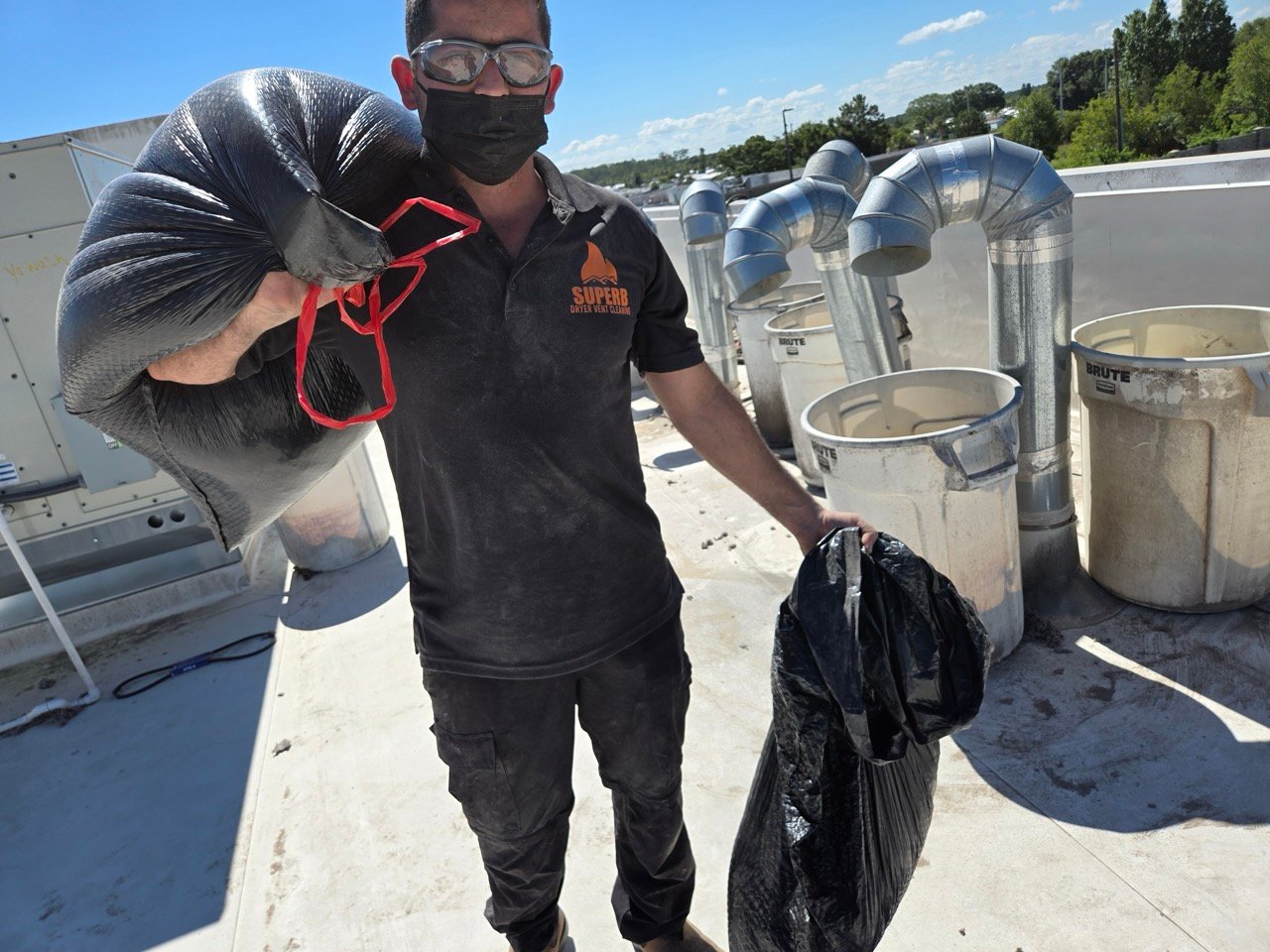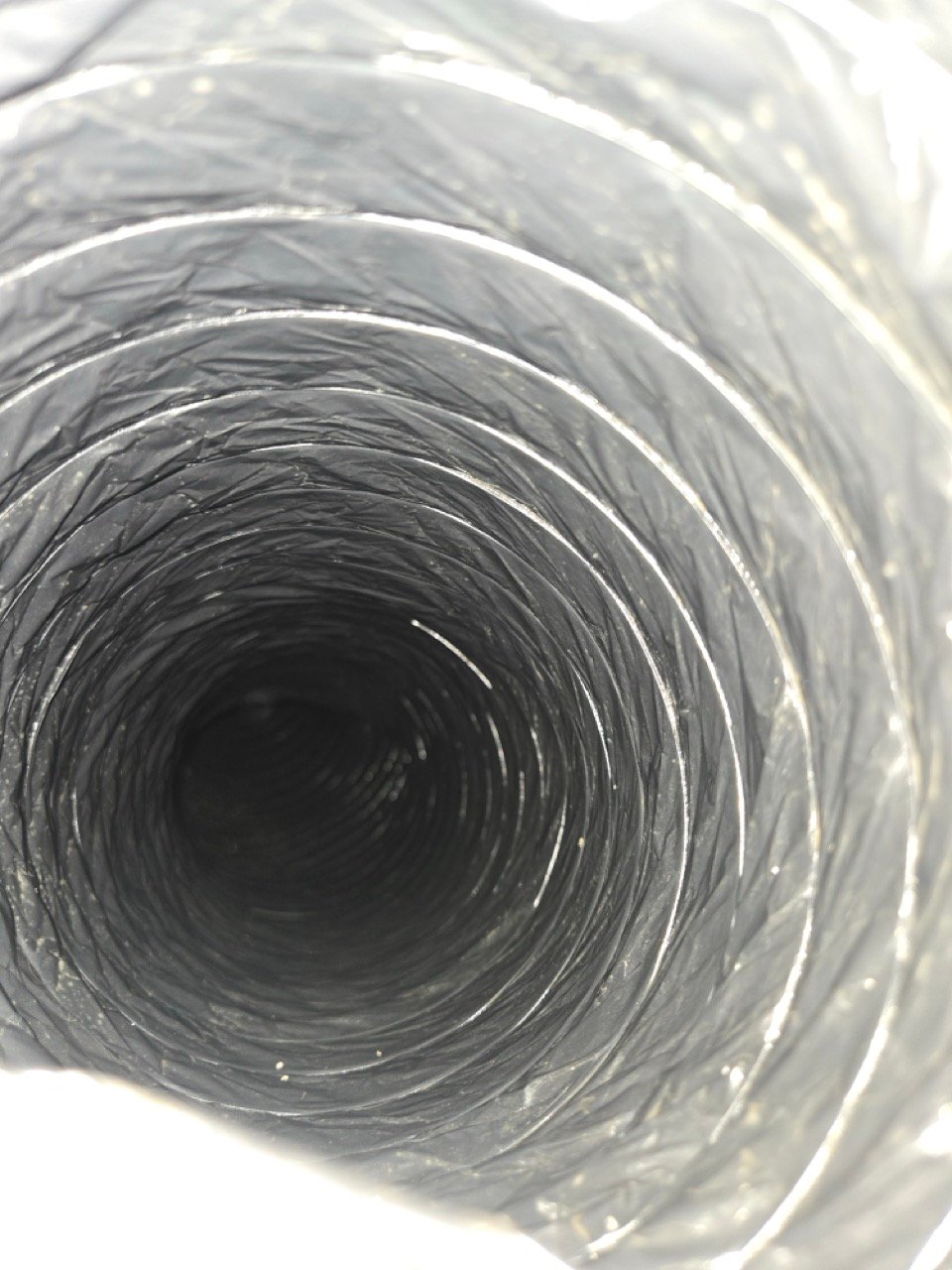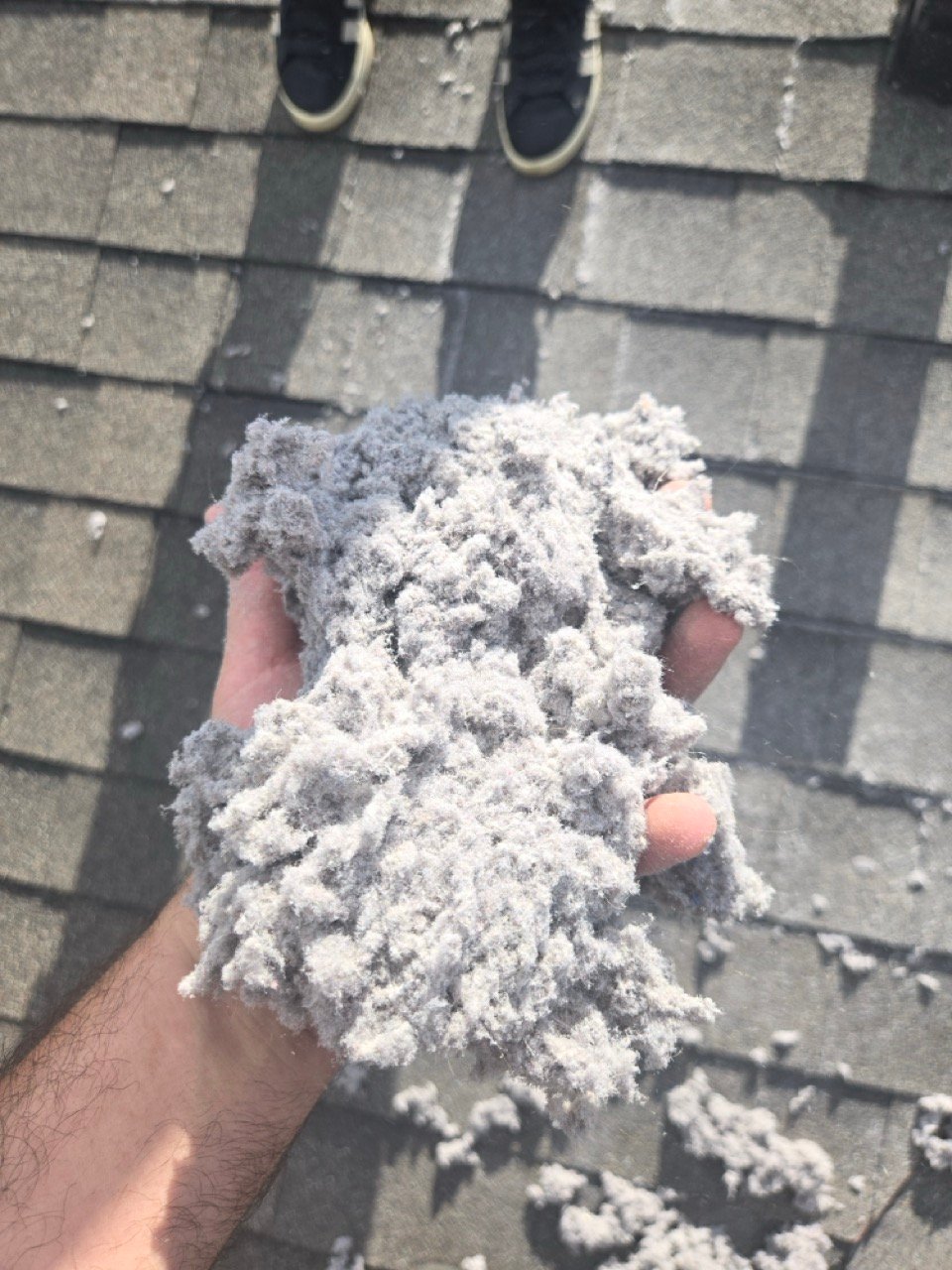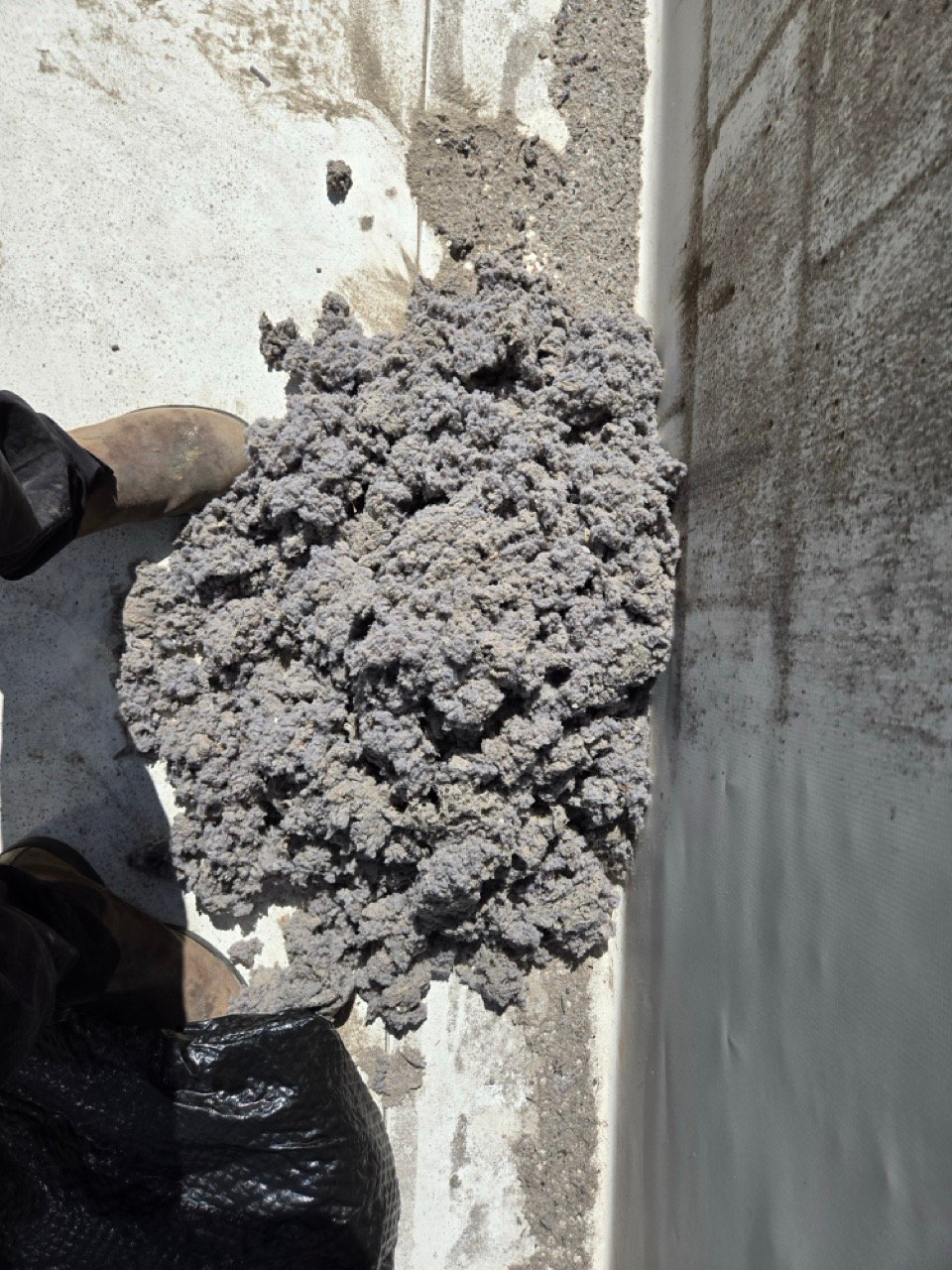
A homeowner in Wesley Chapel recently reached out after noticing that drying a normal load of towels suddenly required two full cycles. Since the dryer was only a few years old, they assumed the appliance itself was beginning to fail. After inspecting the vent system, the real problem became clear. The dryer was working exactly as it should, but years of lint had gradually collected inside the vent because of everyday habits that never seemed like a concern. Running several loads back-to-back, drying pet bedding every week, and overlooking the outside vent opening had slowly restricted airflow until the dryer could no longer perform efficiently.
Situations like this happen more often than most people expect because clogged dryer vents rarely develop overnight. Most restrictions build little by little with every load of laundry. Small amounts of lint that escape the lint screen settle inside the vent over time, eventually making the dryer work harder than necessary. Understanding these hidden household habits can help you avoid unnecessary wear on your appliance while making dryer vent cleaning part of a sensible home maintenance routine instead of an unexpected repair.
If you’re wondering what technicians look for during a professional inspection, discover what a complete dryer vent inspection involves to understand how small issues are identified before they become expensive problems.
Everyday Laundry Habits Can Slowly Restrict Your Dryer Vent
Many people believe dryer vent clogs happen because someone forgot to clean the lint trap. While that certainly contributes, the reality is usually much different. Most blockages are the result of ordinary routines repeated over months or even years.
Every drying cycle sends fine lint particles through the exhaust vent. Although the lint screen captures much of the debris, tiny fibers continue traveling through the vent system. As they pass through elbows, longer vent runs, and connection points, some begin sticking to the interior walls. The buildup is so gradual that most homeowners never notice it until clothes begin taking longer to dry or the appliance starts feeling unusually hot after a cycle.
Families with children, active households, and anyone who runs multiple loads each week naturally create more lint than they often realize. More laundry simply means more opportunities for lint to accumulate inside the vent.
To better understand how preventative maintenance helps keep vents operating efficiently, explore practical solutions designed for local households and learn why routine inspections often prevent larger problems.
Running Multiple Dryer Loads Without Giving the System Time to Cool
Laundry often piles up throughout the week, making weekends the perfect time to catch up. It isn’t unusual to dry towels, bedding, sports uniforms, and everyday clothing one load after another. While this saves time, continuous operation also keeps the vent warm and humid for extended periods.
Warm air carrying moisture makes it easier for fine lint to cling to the inside of the vent instead of flowing completely outdoors. Over time, those thin layers slowly become thicker deposits that reduce airflow and force the dryer to work harder.
One inspection involved a family preparing for holiday guests. They had spent most of the afternoon washing bedding, blankets, and towels. The dryer wasn’t broken, but years of similar weekend laundry routines had allowed enough lint to build up inside the vent that drying times nearly doubled. Once the vent was cleaned, the appliance returned to normal performance without requiring any repairs.
If your household regularly handles several loads in a single day, learn how regular maintenance supports better dryer performance before small airflow restrictions develop into larger issues.
Certain Laundry Items Produce More Lint Than Most People Realize
Not every fabric leaves behind the same amount of lint. Some materials naturally release far more fibers than others, increasing the amount of debris that travels through the vent.
Items that commonly produce heavier lint include:
- Thick bath towels
- Fleece blankets
- Pet bedding
- Flannel sheets
- New cotton clothing
- Washable rugs and floor mats
While drying these items doesn’t create an immediate blockage, repeated loads gradually increase lint accumulation inside the vent. Homes with pets often experience even faster buildup because pet hair combines with lint, creating heavier clumps that settle more easily where airflow naturally slows.
Cleaning the lint screen after every load remains one of the best habits you can develop, but it cannot stop every fiber from entering the vent system. That’s one reason periodic dryer vent maintenance in Wesley Chapel remains an important part of protecting both dryer performance and long-term efficiency.
If you’d like to reduce hidden lint buildup before it affects your dryer, see how preventative dryer vent care helps maintain proper airflow.
Small Airflow Restrictions Rarely Stay Small
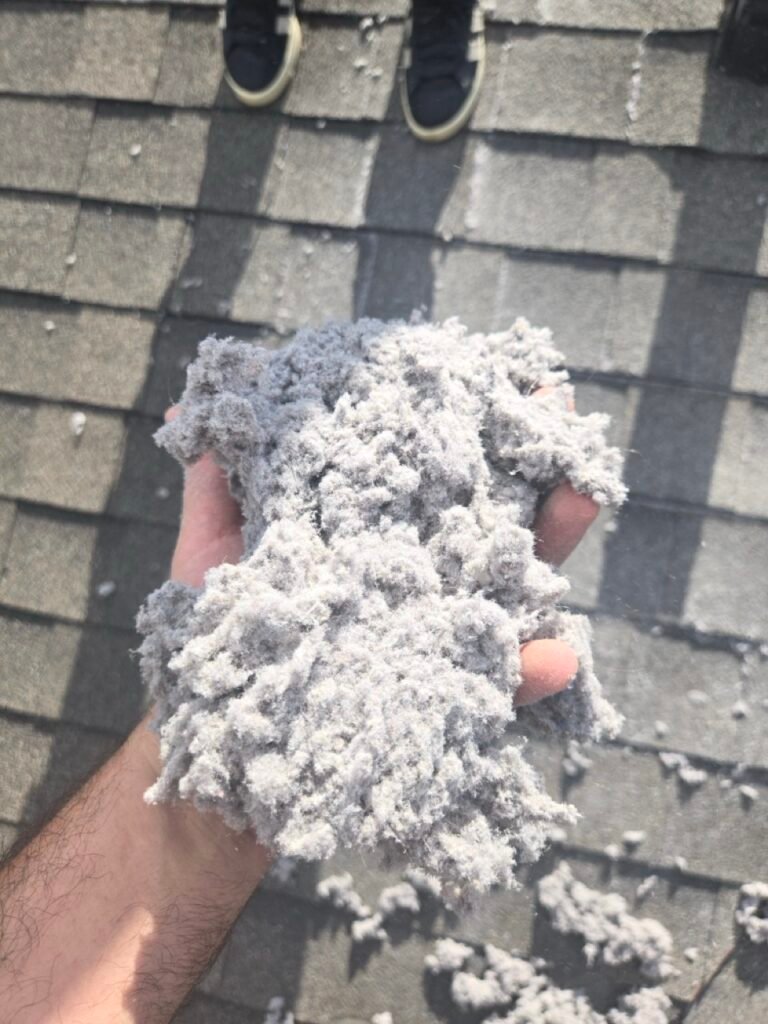
Most dryer vent problems don’t begin with a complete blockage. Instead, several small issues gradually combine until the dryer starts showing signs that something isn’t right.
One inspection involved a homeowner who couldn’t understand why some loads dried perfectly while others stayed damp. The dryer seemed inconsistent, and there wasn’t an obvious explanation. After tracing the entire vent route, the cause became clear. The flexible transition hose behind the dryer had been pushed slightly against the wall during a recent cleaning. Outside, leaves and grass clippings had collected around the vent hood. Inside the vent, a layer of lint had built up near a ninety-degree bend. None of those issues alone would have caused major concern, but together they significantly reduced airflow.
Situations like this remind people that dryer vent performance depends on the entire exhaust system, not just the appliance itself. Addressing small restrictions early often prevents larger repairs and helps the dryer operate more efficiently.
If your dryer has started taking longer to finish a normal load, it may be time to schedule a professional evaluation with our local team before the restriction becomes more severe.
Pet Hair Can Fill a Dryer Vent Faster Than You Think
Pet owners already know how quickly fur collects throughout the house, but many don’t realize how much eventually ends up inside the dryer vent.
Hair behaves differently than ordinary lint. As it mixes with moisture and fabric fibers, it creates denser clumps that don’t travel through the vent as easily. Those clumps are more likely to settle in longer vent runs or around elbows where airflow naturally slows.
A homeowner with two large dogs mentioned that they cleaned the lint screen after every load, yet drying times continued getting longer. During the inspection, the lint trap was almost spotless, but several feet inside the vent there was a thick layer of pet hair mixed with lint that had gradually reduced airflow. Cleaning the lint screen was still an excellent habit, but it couldn’t prevent buildup deeper inside the vent.
Homes with pets, especially those that frequently wash pet blankets, beds, and towels, often benefit from routine Dryer Vent Maintenance Wesley Chapel because the vent system handles a much heavier volume of fibers throughout the year.
To better understand how regular maintenance supports long-term performance, discover practical maintenance recommendations from experienced local specialists before hidden buildup begins affecting your dryer.
Wesley Chapel’s Climate Can Create Additional Dryer Vent Challenges
Living in Florida brings unique weather conditions that influence many parts of a home, including the dryer vent.
High humidity, frequent afternoon rainstorms, and long periods of warm weather can leave moisture lingering around exterior vent openings. While moisture doesn’t create lint, it can cause lint and outdoor debris to stick together more easily near the vent termination. Grass clippings, leaves, pollen, and even small nesting materials may collect around the exterior hood if it isn’t checked regularly.
During routine maintenance visits, technicians occasionally find that the inside of the vent remains relatively clear while the outside vent opening has become partially restricted by debris. Homeowners are often surprised because the dryer still runs, even though airflow has already started decreasing.
The U.S. Fire Administration recommends regularly cleaning dryer vents and ensuring the entire exhaust path remains unobstructed as part of routine household maintenance. These recommendations support better dryer performance while reducing unnecessary strain on the appliance.
If you’d like to understand how professionals inspect the complete vent system from the dryer to the exterior vent hood, see how experienced technicians perform a comprehensive dryer vent inspection.
Laundry Room Storage Can Quietly Affect Dryer Performance
Laundry rooms often become convenient places to store extra supplies, seasonal decorations, and cleaning products. While that may seem harmless, it can unintentionally affect the dryer vent.
Moving boxes behind the dryer, stacking storage bins against the wall, or pushing the appliance back after cleaning can place pressure on the flexible transition hose. Even a slight bend or partial collapse reduces airflow and creates another location where lint can settle.
One homeowner had recently remodeled their laundry room and couldn’t understand why drying times gradually increased afterward. The inspection showed the new shelving had encouraged the dryer to be pushed several inches farther back than before, compressing the vent hose just enough to restrict airflow. Straightening the connection restored much of the system’s efficiency without replacing any equipment.
Simple habits like leaving enough clearance behind the dryer and checking the vent connection after moving the appliance can help prevent avoidable airflow restrictions.
If you’re looking for additional ways to improve long-term dryer performance, explore practical solutions that help keep dryer vents operating efficiently.
Routine Professional Maintenance Helps Prevent Unexpected Problems
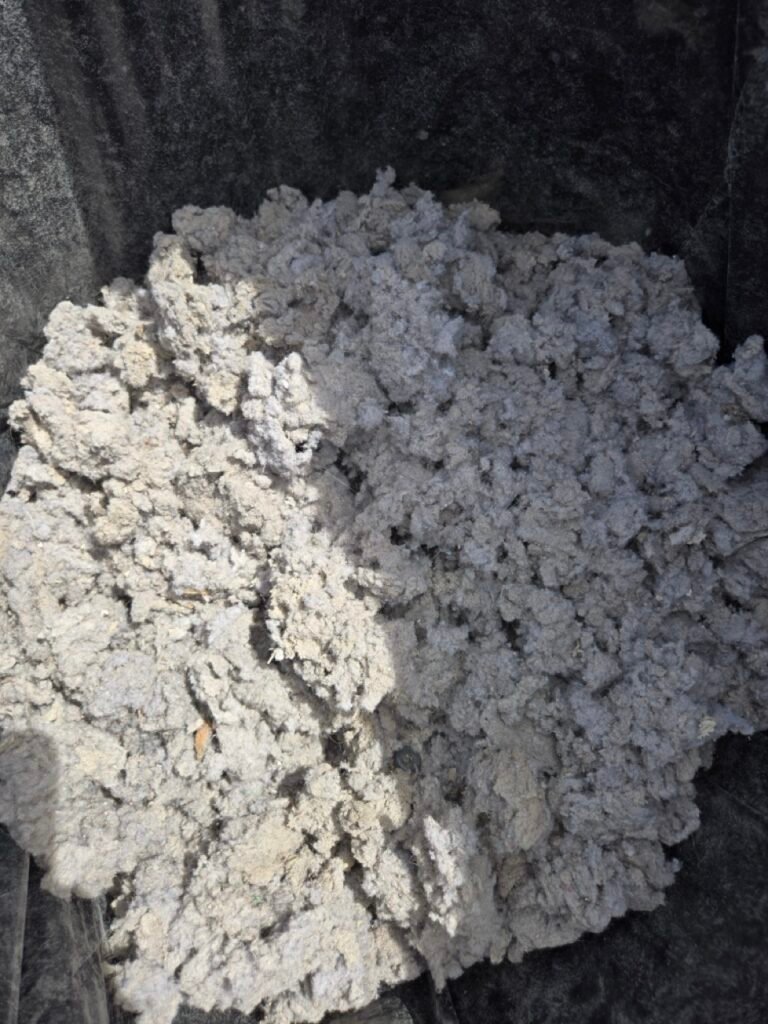
Even the most careful laundry habits cannot stop every bit of lint from entering the dryer vent. Over time, some accumulation is simply part of normal use. The difference is whether that buildup is discovered before it begins affecting performance.
Professional inspections focus on much more than removing lint. The entire exhaust path is evaluated, including airflow, vent connections, transition hoses, vent length, exterior vent operation, and any developing restrictions that might not yet be causing noticeable symptoms. Catching these smaller issues early often prevents unnecessary repairs and helps the dryer continue operating efficiently.
The maintenance needs of every property are different. A family with several children may use the dryer every day, while a salon, apartment building, or laundromat may run multiple dryers almost continuously. That’s why Residential Dryer Vent Cleaning Wesley Chapel and Commercial Dryer Vent Cleaning Wesley Chapel are approached differently, with service recommendations based on the amount of dryer use rather than a one-size-fits-all schedule.
If your business depends on dryers operating efficiently, explore maintenance solutions designed for high-use laundry environments to better understand how routine inspections help reduce unexpected interruptions.
If you’ve noticed longer drying times, excess heat, or reduced airflow at home, schedule a convenient inspection with our local specialists to identify potential issues before they become more difficult to correct.
Small Changes Today Can Make a Big Difference Tomorrow
Most dryer vent blockages don’t begin with one major mistake. They develop from everyday routines that seem perfectly harmless at the time. Running several loads without a break, washing lint-heavy fabrics every week, overlooking the outdoor vent, or accidentally bending the transition hose during cleaning can all contribute to gradual airflow restrictions.
The good news is that small changes often have a lasting impact. Cleaning the lint screen after every load, giving the dryer time to cool during large laundry sessions, checking the outside vent periodically, and scheduling routine inspections all help reduce unnecessary buildup over time.
Preventative care isn’t about expecting something to go wrong. It’s about recognizing that dryer vents receive constant use and perform better when small issues are addressed before they affect daily life.
For additional guidance on keeping your dryer vent operating efficiently throughout the year, browse more dryer vent care tips and local service information.
Keep Your Dryer Vent Working Its Best
Most dryer vent problems don’t begin with one major mistake. They usually develop through small everyday habits that seem harmless at the time. Running several loads without a break, drying lint-heavy fabrics regularly, overlooking the exterior vent opening, or accidentally bending the transition hose can all contribute to gradual airflow restrictions. The encouraging news is that simple preventative habits can make a noticeable difference. Cleaning the lint screen after every load, checking the outside vent periodically, allowing the dryer to cool during heavy laundry sessions, and scheduling routine inspections all help reduce unnecessary buildup and keep the entire vent system operating efficiently. If you’d like to better understand what technicians evaluate during a service visit, discover what a complete dryer vent inspection involves and learn how preventative maintenance helps identify small issues before they become larger problems.
Businesses and property managers with higher laundry demands can also explore maintenance solutions designed for commercial facilities to help keep dryers operating efficiently in high-use environments. For additional homeowner tips, seasonal maintenance advice, and local service information, browse our collection of dryer vent resources to continue learning how proper maintenance supports long-term dryer performance. Many of the recommendations discussed in this article are also supported by recognized dryer vent safety guidance, which offers additional information about proper maintenance and safe dryer operation. If you have questions about your own dryer vent or would like personalized recommendations, schedule a convenient inspection with our local team.
Frequently Asked Questions
1. How do I know if my dryer vent is starting to become clogged?
Longer drying times are often the first warning sign. You may also notice the dryer feels hotter than usual, clothes remain damp after one cycle, or the laundry room becomes warmer during operation. These changes usually indicate that airflow should be inspected.
2. Is cleaning the lint screen enough to keep the dryer vent clean?
No. The lint screen captures much of the lint, but fine fibers continue moving through the vent every time the dryer operates. Over time, those particles gradually collect inside the vent and may eventually require professional dryer vent cleaning.
3. Why do pet owners usually need more frequent dryer vent maintenance?
Pet hair mixes with fabric lint and moisture, creating heavier clumps that settle inside the vent more easily. Homes with multiple pets or frequent washing of pet bedding often experience faster buildup than households without pets.
4. Can running several loads of laundry in one day clog the dryer vent?
Running multiple loads occasionally isn’t a problem by itself. However, frequent back-to-back drying sessions create more heat and moisture inside the vent, allowing lint to accumulate more quickly over time.
5. What household items produce the most lint?
Bath towels, fleece blankets, flannel sheets, pet bedding, new cotton clothing, and washable rugs generally release more lint than lightweight everyday clothing.
6. How often should a dryer vent be professionally inspected?
The ideal schedule depends on how often the dryer is used. Larger families, pet owners, rental properties, and businesses with frequent laundry typically benefit from more regular inspections than households with lighter laundry demands.
7. Does Florida’s climate affect dryer vent performance?
Yes. Wesley Chapel’s warm temperatures, humidity, and seasonal rain can contribute to debris collecting around exterior vent openings. Regular inspections help ensure the vent continues exhausting air properly throughout the year.
8. What happens during a professional dryer vent inspection?
A technician evaluates the entire exhaust system, including airflow, vent connections, transition hoses, lint accumulation, vent routing, and the outside vent hood to identify any developing restrictions or maintenance concerns.
9. Is commercial dryer vent maintenance different from residential service?
Yes. Businesses often operate dryers much more frequently than households, creating greater lint accumulation. Commercial Dryer Vent Cleaning Wesley Chapel is typically scheduled based on equipment usage and the type of business.
10. When should I schedule professional dryer vent maintenance?
If drying times have increased, the dryer feels unusually hot, clothes remain damp after a normal cycle, or it has been a long time since the vent was inspected, scheduling Dryer Vent Maintenance Wesley Chapel is a practical way to restore proper airflow and maintain efficient operation.