No two dryer vent systems are exactly alike, even when homes sit on the same street.
After inspecting dryer vents throughout Wesley Chapel, one pattern becomes obvious. The problems may look different from one neighborhood to another, but they often develop for similar reasons. Some homes have long vent runs that slowly collect lint. Others have damaged exterior vent covers after Florida storms. In older neighborhoods, outdated vent materials still appear during inspections, while newer communities sometimes reveal installation shortcuts that limit airflow from the very beginning.
One inspection involved a family who had lived in their home for only eight months. They assumed the dryer was defective because every load required extra drying time. After pulling the appliance away from the wall, the issue became clear. The flexible transition hose had been crushed during installation, restricting airflow before the dryer was ever used regularly. Once the vent was properly connected and professionally cleaned, drying performance improved immediately.
Situations like this explain why Dryer Vent Cleaning Wesley Chapel involves much more than removing lint. Every neighborhood presents slightly different challenges, and understanding those common issues helps homeowners recognize problems before they become expensive repairs.
If you’re curious about what a complete residential service includes, the company’s professional dryer vent cleaning for homes page explains the inspection and cleaning process in more detail.
Long Vent Runs Are Common in Newer Neighborhoods
Many of Wesley Chapel’s newer communities feature spacious floor plans with centrally located laundry rooms.
While these layouts provide convenience inside the home, they often require the dryer vent to travel a much longer distance before reaching an exterior wall.
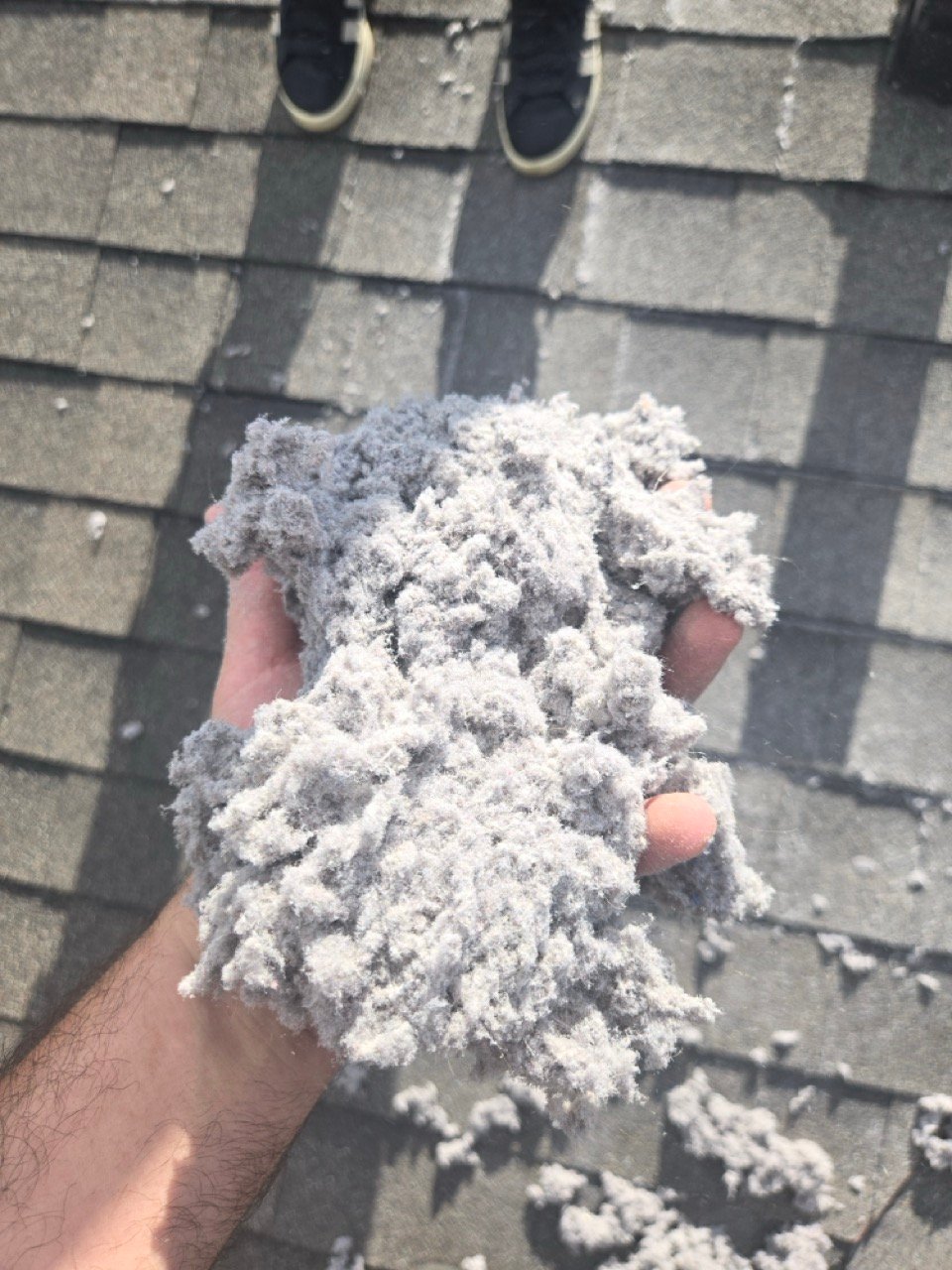
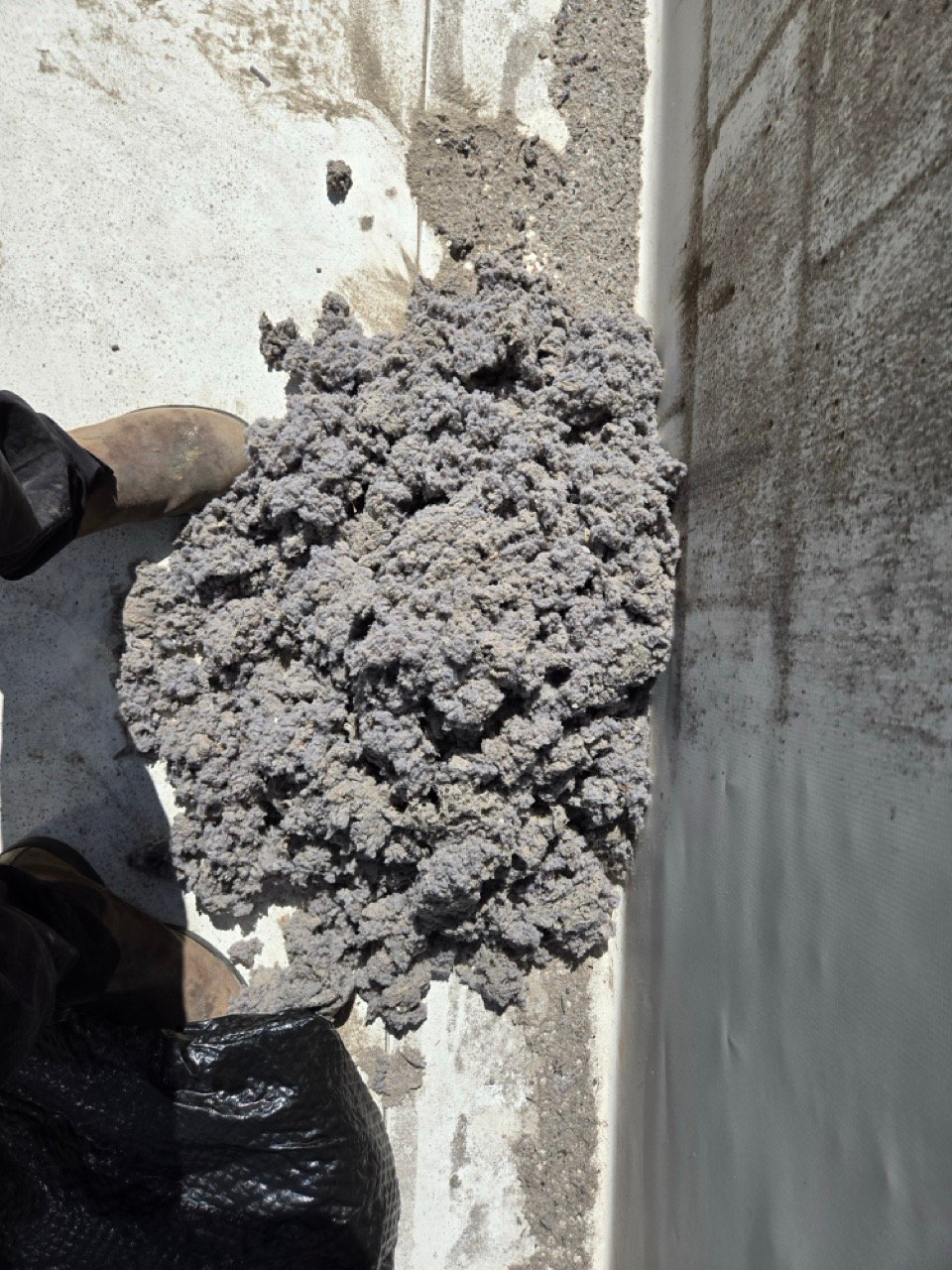
Every additional foot of duct creates another opportunity for lint to settle.
Elbows, horizontal sections, and roof exits naturally reduce airflow compared to shorter, straighter vent paths.
One recently completed home had a vent extending through the garage ceiling before exiting near the roofline. The installation met building requirements, but the longer route required more regular maintenance than the homeowner expected.
Longer vent systems aren’t defective.
They simply require greater attention to keep airflow moving efficiently.
Crushed Transition Hoses Create Hidden Restrictions
The short section connecting the dryer to the wall often receives very little attention.
Unfortunately, it’s also one of the most common locations where problems develop.
During appliance installation, the dryer may be pushed too close to the wall.
That pressure can flatten the flexible transition hose.
From the outside, everything appears normal.
Behind the dryer, however, airflow has already been reduced.
This type of restriction often develops on move-in day and remains hidden until drying times begin increasing months later.
Professional inspections always include evaluating this connection because it affects the performance of the entire vent system.
Florida Storms Can Damage Exterior Vent Covers
Living in Wesley Chapel means preparing for strong thunderstorms throughout much of the year.
While most homeowners think about roofs and gutters after severe weather, exterior dryer vent covers rarely receive the same attention.
High winds, flying debris, and heavy rain can damage vent flaps or loosen exterior components.
Once that happens, several problems may develop.
Technicians occasionally find:
- Vent flaps that no longer close properly
- Broken exterior covers
- Rainwater entering damaged vents
- Leaves are collecting around the opening
- Small insects are beginning to nest near the outlet
These issues rarely stop the dryer immediately.
Instead, they slowly reduce airflow while allowing additional debris to enter the vent system.
Regular inspections after major storm seasons help identify damage before it affects drying performance.
Older Homes Sometimes Still Have Outdated Vent Materials
While Wesley Chapel continues to grow, many established neighborhoods contain homes built under older construction standards.
During inspections, technicians occasionally discover vent materials that are no longer considered ideal for modern dryers.
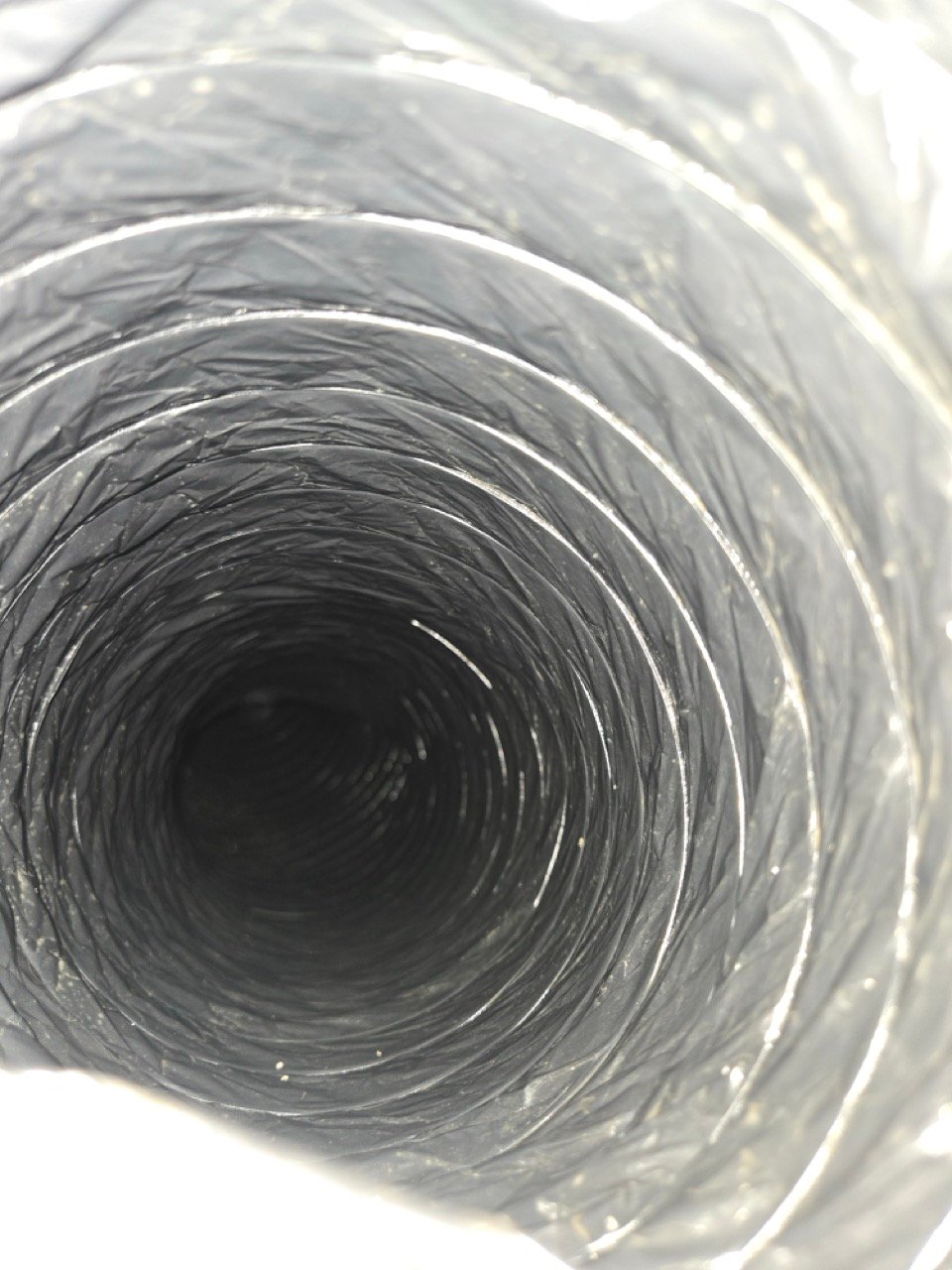
Flexible plastic ducts, older foil-style vents, or poorly supported sections may allow lint to accumulate more quickly than rigid metal ductwork.
Replacing outdated materials often improves airflow while making future maintenance easier. The condition of the vent matters just as much as its cleanliness.
Bird and Insect Activity Can Restrict Vent Performance
The outside vent opening is designed to let warm, moist air escape while helping keep unwanted visitors out. When the exterior vent cover becomes damaged or doesn’t close properly, it creates an opportunity for birds, insects, and other small pests to move closer to the vent.
One inspection in a Wesley Chapel neighborhood began with a complaint that the dryer worked well one week and struggled the next. The homeowner had already cleaned the lint screen and checked behind the dryer but couldn’t find the cause. The issue was discovered outside, where a damaged vent flap allowed nesting material to collect near the vent opening. Air could still escape, but the obstruction reduced airflow enough to increase drying times.
Situations like this aren’t unusual after nesting season. Removing the debris solved the immediate problem, but replacing the damaged vent cover helped prevent the issue from returning.
Humidity Makes Lint Stick More Easily
Florida’s climate influences dryer vent systems in ways many people don’t realize.
Wesley Chapel experiences extended periods of warm temperatures and high humidity. Although the dryer produces enough heat to move moisture outdoors, humid air can affect how lint behaves inside a vent that already has restricted airflow.
Instead of remaining light and dry, lint may retain moisture and cling more firmly to the inside of the duct.
Over time, those damp deposits collect additional fibers, creating thicker accumulations than would normally develop in drier climates.
This doesn’t mean every home requires constant cleaning. It simply explains why local weather should be considered when evaluating dryer vent maintenance schedules.
Home Renovations Sometimes Create Unexpected Vent Problems
Renovating a laundry room often focuses on new cabinets, flooring, or appliances.
The dryer vent rarely receives the same attention.
After remodeling projects, technicians occasionally discover vent sections that were accidentally disconnected, compressed behind new cabinetry, or rerouted with unnecessary bends to accommodate the updated layout.
Everything may appear finished from inside the room.
Behind the walls, however, airflow may have been reduced without anyone realizing it.
Whenever major renovations involve the laundry area, inspecting the vent afterward helps confirm that the system still operates efficiently.
Small Installation Mistakes Can Become Bigger Problems
Not every dryer vent issue develops over time.
Some begin the day the system is installed.
Examples include:
- Loose duct connections
- Excessively long flexible transition hoses
- Sharp bends immediately behind the dryer
- Unsupported horizontal vent sections
- Poorly sealed joints
Each issue may seem minor individually.
Together, they create conditions where lint accumulates more quickly than expected.
Professional Dryer Vent Maintenance Wesley Chapel often identifies these installation details before they contribute to larger performance problems.
Commercial Properties Face Similar Challenges
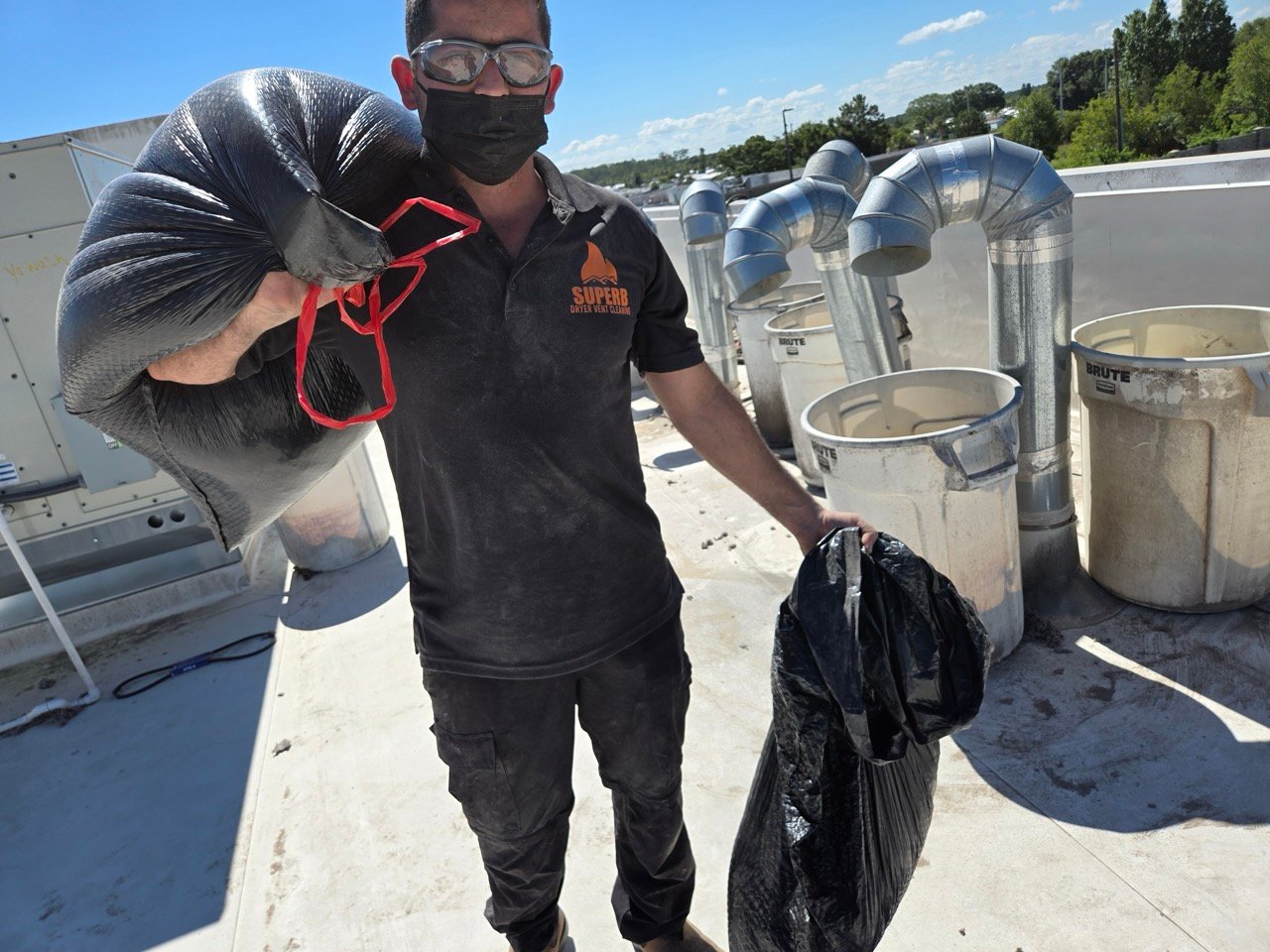
The same issues affecting residential neighborhoods appear in commercial buildings, but higher dryer usage usually causes them to develop more quickly.
Apartment communities, assisted living facilities, salons, hotels, and fitness centers often operate dryers throughout the day.
Long vent runs, exterior debris, and gradual lint accumulation can affect daily operations if inspections are delayed.
Routine Commercial Dryer Vent Cleaning Wesley Chapel helps property managers identify developing restrictions before they interrupt business or increase maintenance costs.
Property owners responsible for multiple dryers can learn more by reviewing the company’s commercial dryer vent cleaning services.
A Professional Inspection Looks Beyond What You Can See
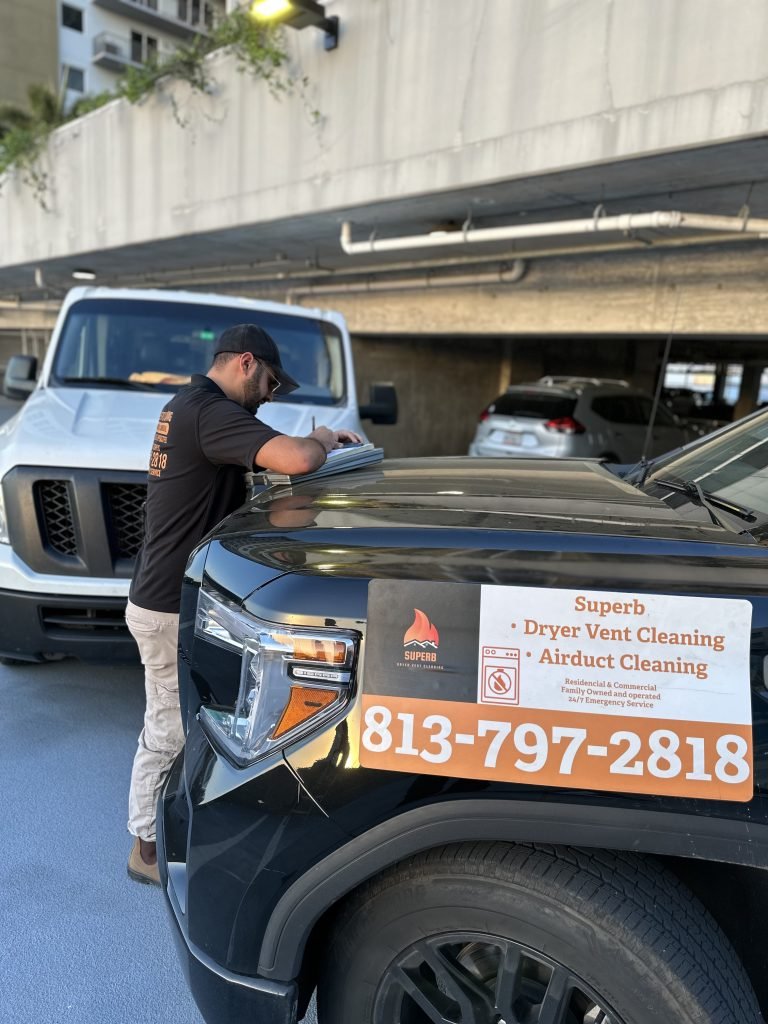
Many dryer vent issues remain hidden until the vent is professionally evaluated.
A thorough inspection typically includes:
- Measuring airflow performance
- Checking the complete vent route
- Inspecting the transition hose
- Examining the exterior vent termination
- Identifying damaged duct sections
- Looking for moisture retention
- Evaluating lint accumulation throughout the system
Organizations such as the National Fire Protection Association (NFPA) recommend reducing lint buildup because it is a combustible material that can contribute to dryer-related fires if allowed to accumulate.
The goal isn’t simply removing lint.
It’s confirming that the entire vent system continues operating safely and efficiently.
Conclusion
Every neighborhood in Wesley Chapel has its own characteristics, but one thing remains consistent. Dryer vent problems usually begin long before homeowners notice a serious change in performance. A crushed transition hose, a damaged exterior vent cover, an outdated duct, or gradual lint accumulation can quietly reduce airflow with every load of laundry.
After inspecting hundreds of dryer vent systems, one lesson stands out. Homes that receive routine inspections often avoid the larger problems that develop when small issues are left unnoticed. Addressing a restricted vent early is usually far simpler than waiting until drying times double or appliance components begin showing unnecessary wear.
If an inspection reveals the need for Clogged Dryer Vent Cleaning Wesley Chapel, resolving the issue promptly can help restore proper airflow while supporting the long-term performance of the entire vent system.
For local homeowners looking for experienced service, Superb Dryer Vent Cleaning Wesley Chapel provides professional inspections and cleaning designed for the area’s homes, neighborhoods, and climate. You can also explore the company’s complete service area information to learn more about the communities they serve.
If you’ve noticed changes in your dryer’s performance, scheduling a professional vent inspection is a practical next step.
Frequently Asked Questions
1. What is the most common dryer vent issue found in Wesley Chapel homes?
The most common issue is gradual lint accumulation that restricts airflow. Longer vent runs in many newer homes can allow lint to build up faster than homeowners realize.
2. Why do newer homes sometimes experience dryer vent problems?
Many newer homes have centrally located laundry rooms, which often require longer vent systems with multiple turns. These layouts create additional places where lint can collect.
3. Can Florida storms damage my dryer vent?
Yes. Strong winds and heavy rain can damage exterior vent covers, loosen vent flaps, or allow debris to collect around the vent opening.
4. How do I know if my transition hose is crushed?
Signs include longer drying times, increased heat around the dryer, or discovering the dryer has been pushed tightly against the wall. A professional inspection can confirm whether airflow has been restricted.
5. Does Wesley Chapel’s humidity affect dryer vents?
Yes. High humidity can cause lint to retain moisture, making it easier for fibers to stick to the inside of the vent and gradually reduce airflow.
6. Can birds or insects create dryer vent problems?
They can. Damaged exterior vent covers sometimes allow nesting materials or insects to collect near the vent opening, reducing proper exhaust flow.
7. Are older vent materials still found in some homes?
Yes. Some older properties still contain flexible plastic or foil ducts that can collect lint more readily than rigid metal venting.
8. Should I have my dryer vent inspected after remodeling my laundry room?
Yes. Renovations can unintentionally compress, disconnect, or reroute the vent, affecting airflow even if the new laundry room appears to function normally.
9. How often should dryer vents be professionally inspected?
For most households, an annual inspection is a good starting point. Larger families, homes with pets, and properties with frequent dryer use may benefit from more frequent maintenance.
10. Who can inspect dryer vent problems in Wesley Chapel?
If you’ve noticed longer drying times, reduced airflow, or other performance changes, you can contact Superb Dryer Vent Cleaning Wesley Chapel to schedule a professional dryer vent inspection tailored to your home’s needs.