Yes, a clogged dryer vent can contribute to a fire risk. Lint is combustible, dryers generate heat, and a restricted exhaust path can interfere with the dryer’s ability to move heated air and moisture outside. That does not mean every dirty vent is about to catch fire, but significant lint accumulation and overheating should never be treated as normal operating conditions.
A Wesley Chapel service situation shows why the issue deserves practical attention rather than panic. A resident called because the dryer had started taking longer with towels, and the laundry room seemed noticeably hotter during operation. There had been no smoke or fire, and the appliance still appeared to work.
Inspection found lint accumulation farther along the exhaust route and weak exhaust at the exterior termination. The resident had been cleaning the lint screen consistently, but fine material had still collected inside the vent over time. The combination of reduced exhaust, additional dryer runtime, and accumulated lint was enough to justify correcting the problem rather than continuing to run extra cycles.
That is the right way to think about dryer fire prevention. Do not assume disaster is imminent, but do not ignore developing restrictions either.
For residents concerned about buildup, professional cleaning of the complete residential dryer exhaust route can remove lint from areas that routine lint-screen cleaning cannot reach.
How Can a Clogged Dryer Vent Contribute to a Fire?
A dryer needs to move heated, moisture-laden air away from the appliance.
As clothing tumbles, the dryer produces heat and pushes exhaust through the vent toward the exterior termination. Lint from fabrics is captured primarily by the lint screen, but some fine fibers can continue into the exhaust system.
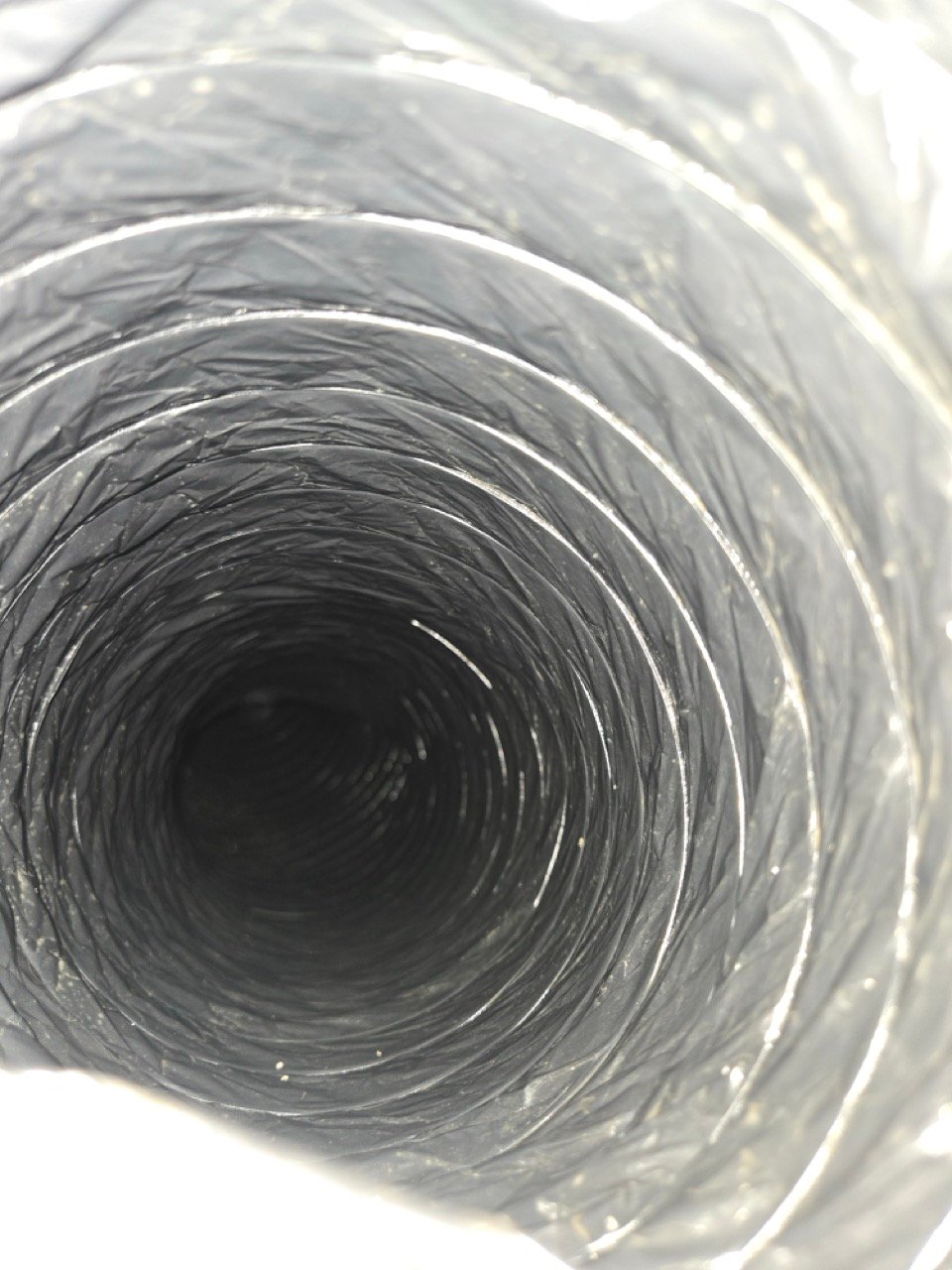
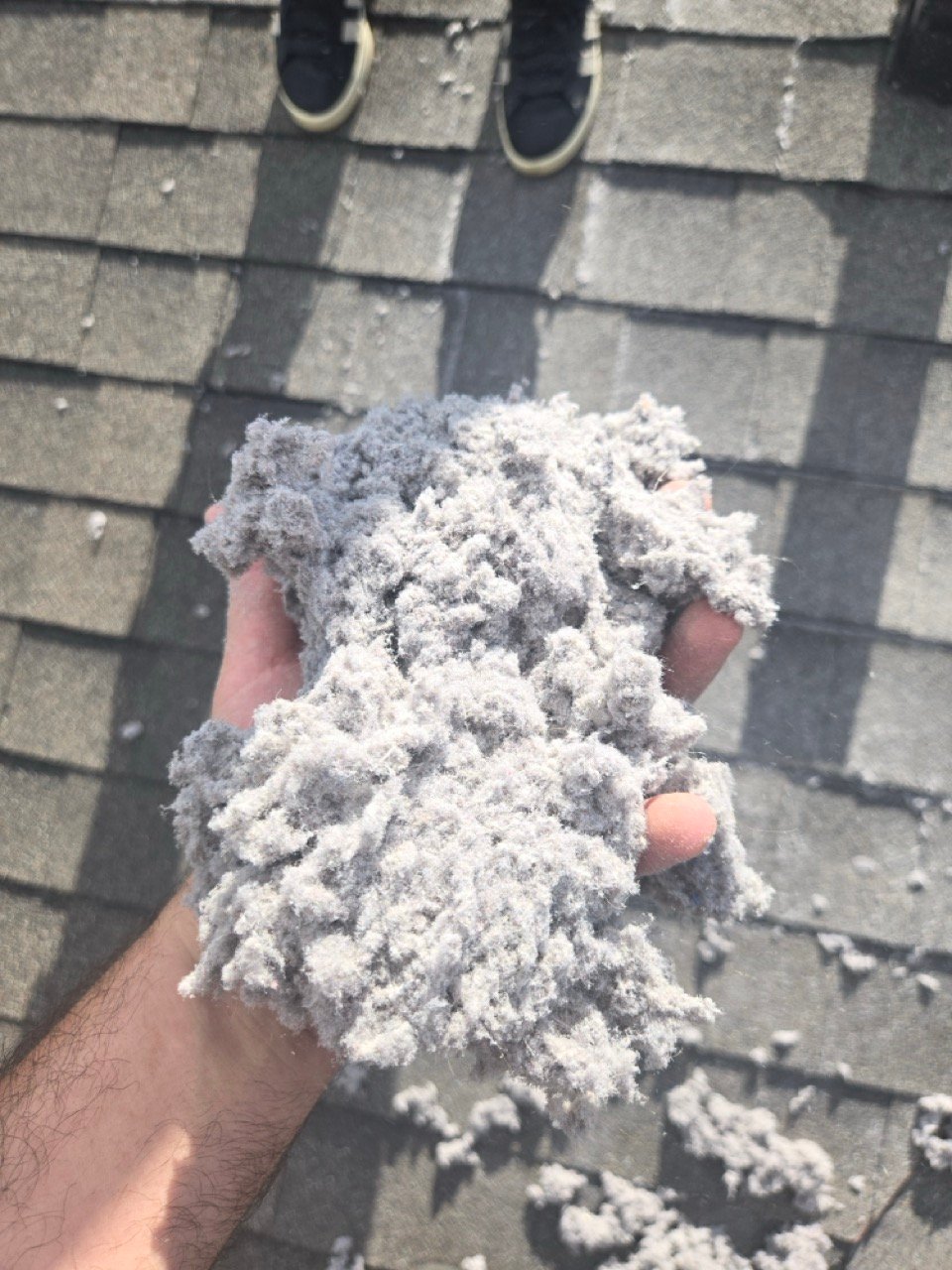
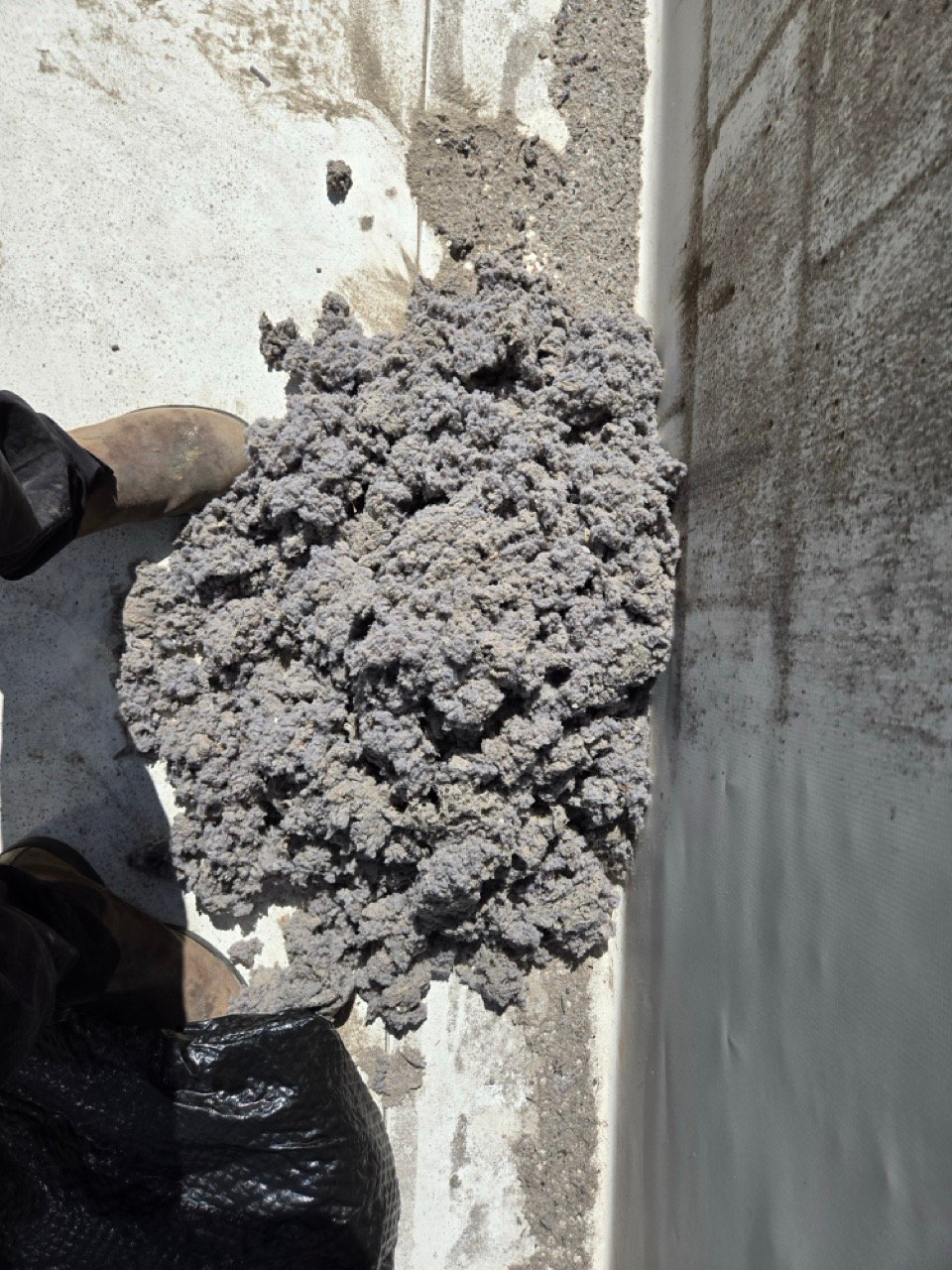
Over time, those fibers may accumulate along the duct walls, around bends, and near the exterior outlet.
When the pathway becomes restricted, the dryer may have more difficulty exhausting efficiently. Drying cycles can become longer, the appliance may operate hotter, and lint can remain inside an environment where heat is being generated.
The important point is not that lint automatically ignites when it enters a dryer vent. The concern is allowing combustible material to accumulate while normal exhaust performance deteriorates.
This is one reason Dryer Vent Cleaning Wesley Chapel should be treated as routine maintenance rather than something considered only after the dryer stops working.
If drying time and operating temperature have both increased, a residential dryer vent inspection focused on lint buildup and exhaust performance can help identify whether a restriction is contributing to the problem.
Lint Is More Than a Laundry Room Nuisance
Anyone who cleans a lint screen knows how quickly fibers can accumulate.
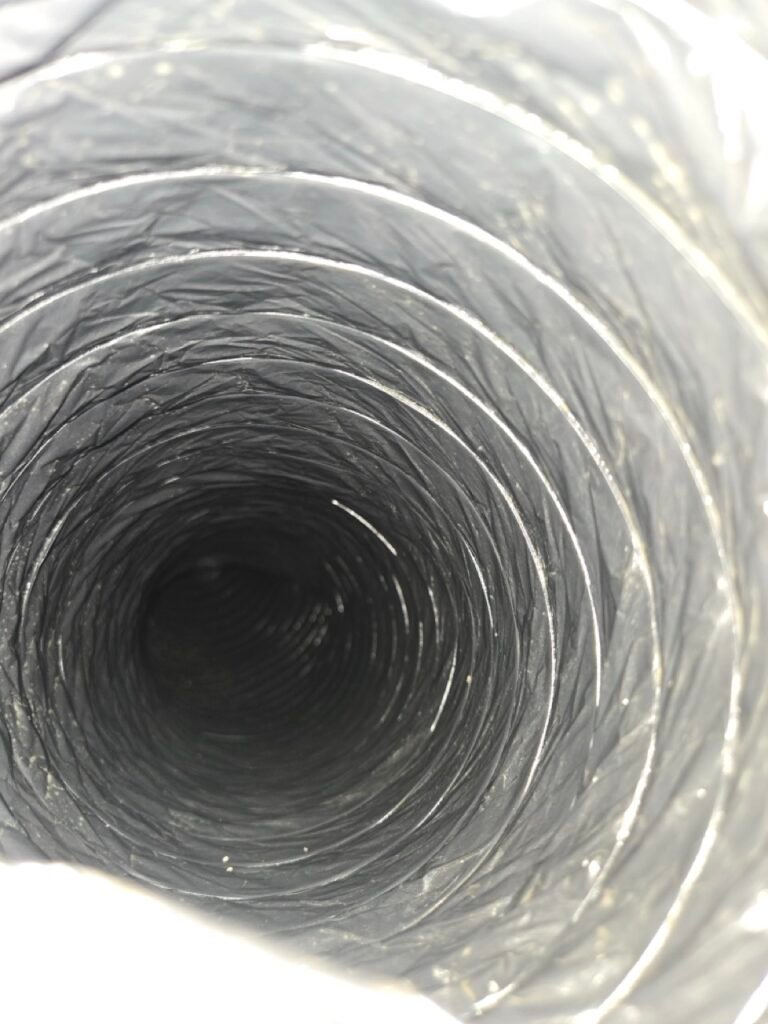
The material is lightweight and often feels harmless because you remove it from the screen every day. Inside the vent, however, lint can build up where you cannot easily see or reach it.
A common misconception is that an empty lint screen means the exhaust duct must also be clean. The screen is extremely important, but it does not capture every particle.
I’ve opened systems where the resident was meticulous about cleaning the screen after every cycle, yet substantial material had accumulated farther downstream. Their routine maintenance had reduced the amount entering the duct, but it had not eliminated buildup.
Vent configuration can make the situation more complicated. Long exhaust routes and multiple bends create more surface area and more locations where lint can settle. A crushed transition connection behind the appliance can reduce exhaust even before the air reaches the main duct.
Good Dryer Vent Maintenance Wesley Chapel therefore includes both daily lint-screen care and periodic attention to the exhaust route.
Residents can explore local dryer vent cleaning and maintenance options throughout Wesley Chapel when they are unsure whether their vent configuration needs professional attention.
What Warning Signs Should You Take Seriously?
A developing restriction often changes dryer performance before it creates an obvious emergency.
Pay attention to changes such as:
- Normal loads suddenly taking much longer to dry
- Towels or bedding requiring a second cycle
- Clothes coming out unusually hot
- The dryer cabinet becoming hotter than it used to
- The laundry area heating up significantly during operation
- Weak exhaust at the exterior termination
- Lint accumulating around the outside vent
- A hot or unusual burning odor during operation
- The dryer repeatedly stopping before clothes are dry
None of these symptoms proves that a fire is about to occur.
They also do not prove the vent is responsible. Mechanical or electrical problems inside the appliance can create some of the same warning signs.
A burning odor deserves particular attention. If you smell something that seems like burning or overheating, stop using the dryer until the source has been identified. Continuing to operate it simply to see whether the smell disappears is not a sensible troubleshooting method.
When several warning signs appear together, schedule an evaluation of the dryer vent and accessible exhaust components rather than repeatedly extending drying time.
Why Longer Drying Time Matters
Slow drying can seem like an inconvenience rather than a safety issue.
From a technician’s perspective, the important question is why the cycle became longer.
Suppose a familiar towel load used to finish in 45 or 50 minutes but now takes 80 minutes or requires a second cycle. If the cause is restricted exhaust, the appliance is operating substantially longer to accomplish the same task.
A second service situation involved a family that had gradually become accustomed to running towels twice. Because the dryer still heated, they assumed it was simply getting older. The exterior flap was moving, so the vent also appeared to be working.
A closer check found that exhaust was making it outside but at a reduced level. Lint was concentrated around bends farther into the route. The exterior flap opening slightly had given the impression that everything was clear.
The practical takeaway was that some exhaust movement does not prove the vent is unrestricted.
After buildup was addressed, the family had a useful baseline for future maintenance: if the same familiar loads began taking substantially longer again, they would investigate the change instead of immediately adding another cycle.
When slow drying appears alongside weak exhaust or unusual heat, professional cleaning for residential dryer vent restrictions can address the exhaust system before longer cycles simply become part of the routine.
How Dryer Vent Restrictions Can Lead to Excessive Heat
A dryer naturally gets warm during operation. The concern begins when heat is no longer leaving the system as effectively as intended.
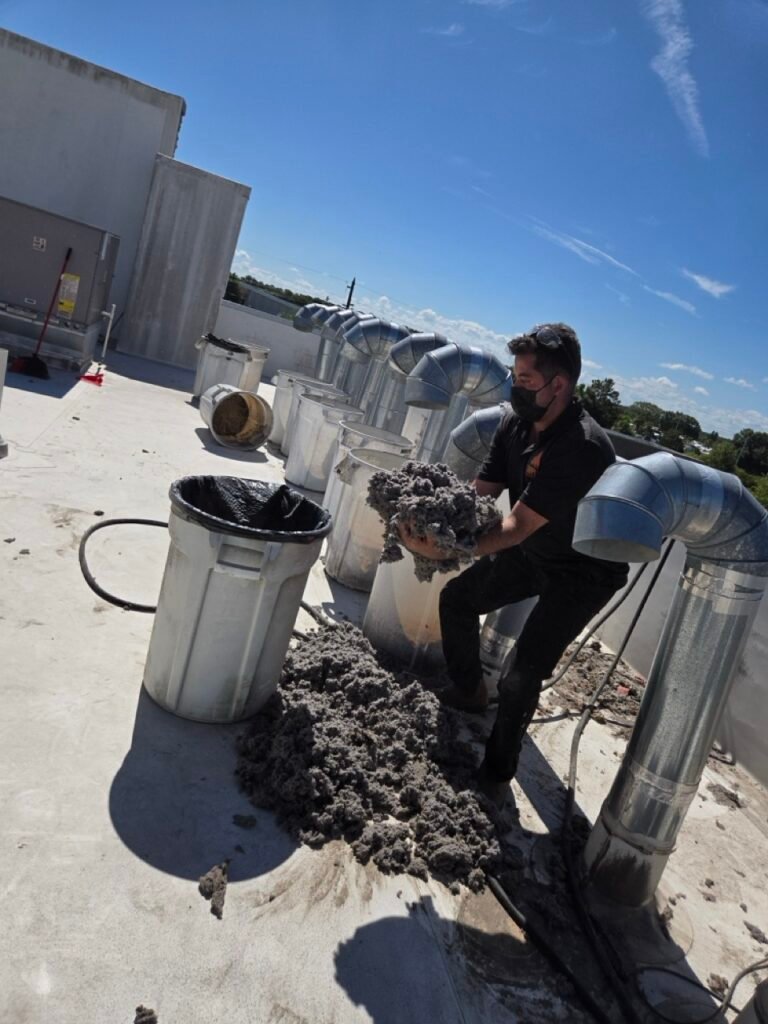
The exhaust vent carries more than lint. It carries warm air and moisture removed from clothing. When the pathway narrows because of buildup, a crushed connection, or another obstruction, the dryer may have to operate longer to finish the load.
This is why excessive heat and slow drying often appear together.
During an inspection, the dryer itself may feel unusually hot while the exterior exhaust seems surprisingly weak. That combination suggests that the system is producing heat but struggling to move exhaust through the complete route.
It is important not to oversimplify this. A hot dryer does not automatically mean the vent is clogged. Internal appliance problems can also cause abnormal temperatures. The useful approach is to consider heat alongside drying time, exhaust strength, visible lint, and other symptoms.
When these changes begin appearing, residential dryer vent cleaning that addresses the complete exhaust pathway can determine whether lint accumulation is contributing to restricted exhaust.
Why the Vent Behind the Dryer Deserves Attention
Sometimes the problem is not deep inside the duct. It is directly behind the appliance.
The transition connection can become compressed when a dryer is pushed too close to the wall. Flexible material may also develop a sharp bend that reduces the space available for exhaust to pass.
This can happen after moving the dryer to clean the floor, installing a new appliance, remodeling the laundry room, or simply pushing the machine back farther than before.
One service call began after a resident noticed that the laundry room had become much warmer following the installation of a replacement dryer. Because the appliance was new, they initially questioned whether it had been installed incorrectly.
The dryer was producing heat normally. Behind it, however, the transition connection had been squeezed into a tight position. There was also lint accumulation farther along the vent. Cleaning the buildup without correcting the connection would have left part of the restriction in place.
The practical lesson was that Clogged Dryer Vent Cleaning Wesley Chapel should not mean blindly removing lint. The complete exhaust path and its visible connections need to make sense.
If the dryer has recently been moved or replaced and performance has changed, request an evaluation of the dryer vent configuration and exhaust path before assuming the new appliance is responsible.
Does Florida’s Humidity Increase Dryer Vent Fire Risk?
Humidity needs a balanced explanation.
Wesley Chapel’s humid climate does not mean dryer vents automatically become dangerous, and Florida weather should not be used as a scare tactic. The more practical concern is how local outdoor conditions interact with a vent that already has lint accumulation or reduced exhaust.
The exterior termination is exposed throughout the year to high humidity, heavy rain, vegetation, insects, and wind-driven debris. If the flap or louvers cannot open correctly, the dryer has another restriction to work against.
Moisture can also affect lint near an exterior outlet. Material that becomes damp and compacted may behave differently from loose, dry lint and can be more stubborn around a termination.
During Florida’s wetter months, occasionally checking the outside outlet is a sensible maintenance habit. While the dryer is operating, the termination should be able to open and discharge exhaust.
Do not assume that visible movement means everything is clear, though. A partially restricted system can still move some air.
For residents dealing with recurring exterior vent issues, local dryer vent cleaning and maintenance services for Wesley Chapel properties can help determine whether outdoor conditions, lint accumulation, vent configuration, or a combination of factors is affecting performance.
Can Cleaning the Lint Screen Prevent a Dryer Fire?
Cleaning the lint screen after every load is one of the simplest and most valuable dryer maintenance habits.
It reduces the amount of lint available to enter the exhaust system and helps the appliance move air as intended. But it does not eliminate the need to pay attention to the vent.
Fine fibers can pass beyond the screen.
Over months and years of use, some of those fibers can accumulate inside the duct. Towels, blankets, cotton fabrics, pet bedding, and other lint-producing materials can contribute substantial material over repeated cycles.
The area around the lint screen should also be kept clean according to the appliance manufacturer’s instructions. A damaged or improperly positioned screen deserves attention as well.
What you should avoid is assuming, “I clean the lint trap every time, so my vent cannot be clogged.”
In real service situations, that assumption has delayed investigation of slow drying because the resident believed good lint-screen habits ruled out an exhaust restriction.
They do not.
Consistent screen cleaning combined with periodic Dryer Vent Maintenance Wesley Chapel provides a more complete approach. When buildup beyond the lint screen is suspected, professional cleaning of hard-to-reach residential dryer vent sections can address areas that normal household maintenance cannot reach.
Commercial Dryers Need Even Closer Attention
The basic principles of dryer exhaust safety apply to both residential and commercial equipment, but the workload can be very different.
A residential dryer might operate several times each week. A commercial machine may run repeatedly throughout the day.
More cycles mean more fabric fibers moving through the equipment and more opportunities for lint to accumulate. A small decline in exhaust performance can also become noticeable sooner because the machine is used so frequently.
This is why Commercial Dryer Vent Cleaning Wesley Chapel should follow the actual operating conditions of the business rather than a generic residential schedule.
For example, if a commercial dryer that previously handled loads consistently begins requiring additional runtime throughout the day, the operator should not simply adjust the schedule around slower equipment. The exhaust route should be included in the investigation.
Inspection findings are useful for establishing future maintenance. If significant buildup develops within a certain period, the next inspection can be scheduled before performance deteriorates to the same level.
Businesses with frequently operated dryers can explore commercial dryer exhaust cleaning based on equipment usage and vent conditions rather than waiting for obvious signs of severe restriction.
How Often Should You Clean a Dryer Vent for Safer Operation?
For many residential dryers, professional cleaning around once a year is a reasonable starting point. It is not a universal schedule.
A household running the dryer almost every day may accumulate lint faster than someone doing only a few loads each week. Vent length matters too. A short, direct route through an exterior wall may behave differently from a longer duct with several turns.
Previous cleaning results can provide some of the best guidance. If substantial buildup is removed after eight months, waiting 12 months every time simply because annual cleaning is common may not suit that particular system.
Between professional visits, basic maintenance still matters. Clean the lint screen after every load, keep the area around the appliance reasonably free of lint, check the visible transition connection, and occasionally observe the exterior termination while the dryer operates.
A technician may also recommend a shorter interval when previous inspections repeatedly show rapid accumulation. That recommendation should be based on actual conditions, not fear.
Good Dryer Vent Maintenance Wesley Chapel is preventive. The objective is to keep the exhaust system operating properly rather than waiting for a serious restriction to develop.
For residents establishing a maintenance schedule, professional residential dryer vent cleaning based on actual vent conditions can provide a useful baseline for future service.
What Should You Do If You Smell Something Burning?
Stop the dryer.
A burning or unusually hot odor is not something to troubleshoot by running another cycle to see whether it disappears.
The source may not be the vent. Electrical components, a belt, an object caught inside the appliance, or another mechanical problem can produce an unusual smell. Lint accumulation and poor exhaust conditions are also possibilities.
Because several different problems can produce similar symptoms, avoid assuming that cleaning the vent alone will make the appliance safe to operate.
A field conversation in this situation usually begins with questions. When did the smell start? Does it happen with every load? Has drying time increased? Is the appliance unusually hot? Has the dryer recently been moved or serviced?
Those details help determine where investigation should begin.
If the odor is accompanied by visible smoke or fire, leave the area and follow appropriate emergency procedures rather than attempting routine dryer troubleshooting.
When there is no active emergency but an unexplained overheating or burning odor has occurred, schedule an evaluation of the dryer exhaust system before resuming normal use and arrange appliance service as appropriate if the vent is not the source.
Why DIY Cleaning Does Not Always Reach the Entire Vent
There is nothing wrong with handling appropriate maintenance yourself.
Cleaning the lint screen, removing accessible lint around the appliance, and checking the exterior outlet are useful habits. Consumer vent-cleaning tools may also remove buildup from some straightforward systems.
The difficulty is knowing whether you reached everything.
A brush can pull out a large amount of lint from the first section while material remains around a bend farther downstream. Long exhaust routes and roof terminations make complete access even more challenging.
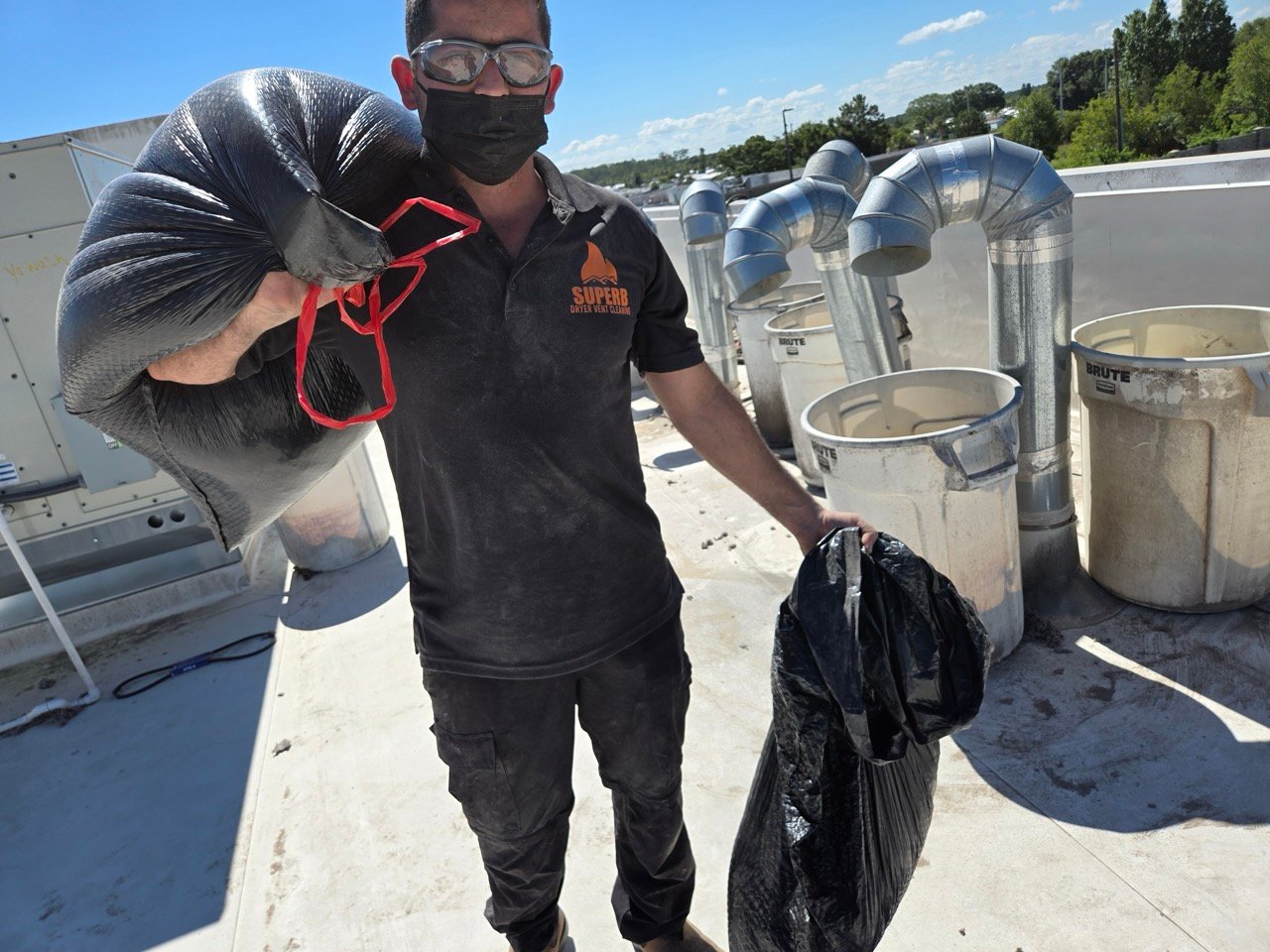
I’ve inspected a vent after a resident had already removed enough lint with a DIY tool to fill a small bag. They expected exhaust performance to be back to normal, but the exterior flow remained weak. Additional accumulation was later discovered farther along the route.
The DIY work was not pointless. It had removed part of the restriction. The mistake would have been assuming the amount of lint removed proved the entire duct was clear.
For Clogged Dryer Vent Cleaning Wesley Chapel, the goal should be an unobstructed exhaust path, not simply removing whatever material is easiest to reach.
When a long or complicated vent continues showing poor performance after basic cleaning, professional residential exhaust cleaning for difficult-to-reach vent sections can provide a more complete approach.
Dryer Vent Cleaning Is Only One Part of Fire Prevention
A clean vent matters, but it should not be treated as the only dryer safety measure.
Start with everyday use. Clean the lint screen after each load. Do not routinely overload the drum. Follow the dryer’s manufacturer instructions for operation and maintenance. Keep combustible clutter away from the appliance and avoid ignoring changes in performance.
The vent connection deserves attention as well. If the transition duct is crushed, damaged, disconnected, or improperly positioned, removing lint from the main duct does not correct that physical problem.
The exterior termination should remain able to open properly and should not be obstructed by vegetation or visible debris.
It is also important to recognize the limits of Dryer Vent Cleaning. Cleaning does not repair an electrical fault or another mechanical problem inside the appliance. If unusual heat, odors, shutdowns, or other symptoms continue after the exhaust route has been addressed, the dryer itself may require professional diagnosis.
Residents looking at the full exhaust system rather than just visible lint can explore dryer vent cleaning and maintenance solutions available throughout Wesley Chapel.
When Professional Dryer Vent Service Makes Sense
Professional service becomes especially useful when symptoms suggest a restriction that cannot be easily inspected from the laundry room.
Longer drying times, weak exterior exhaust, repeated overheating, visible lint around the termination, or a history of rapid buildup are all reasonable reasons to look more closely.
The service should also provide information.
After cleaning or inspection, you should understand where material was concentrated, whether the vent configuration contributed to the problem, whether any visible components need correction, and what maintenance interval is reasonable.
Be cautious with anyone who treats every dryer complaint as proof of a dangerous clog. Responsible service should distinguish between actual findings and possibilities.
Residents evaluating local providers can use the Google business information for Superb Dryer Vent Cleaning Wesley Chapel as one independent point of reference alongside the company’s service information.
For households, review residential dryer vent cleaning for complete exhaust-path maintenance before deciding what level of service is appropriate. Businesses with frequent dryer operation should instead consider commercial vent cleaning based on equipment workload, since high-use systems can require a different maintenance schedule.
Treat Dryer Vent Cleaning as Preventive Maintenance, Not an Emergency Fix
The safest approach is not to wait until a dryer produces smoke, a strong burning smell, or stops performing normally. Pay attention to smaller changes while the appliance is still working.
If towels suddenly need another cycle, the dryer feels hotter than it used to, or exterior exhaust becomes noticeably weaker, investigate why. Those symptoms do not prove that a fire is about to occur, but they can indicate that the exhaust system is no longer performing as it should.
For residential systems, professional cleaning of the complete dryer exhaust route can address accumulated lint beyond the areas reached during routine household maintenance. Businesses operating dryers frequently should follow a workload-based maintenance schedule and can explore commercial dryer vent cleaning for high-use equipment.
Between professional services, clean the lint screen after every load, avoid routinely overloading the dryer, inspect the visible connection when it is safely accessible, and occasionally check the exterior termination. Wesley Chapel’s humid weather, frequent rain, vegetation, and insects make that exterior check particularly worthwhile. You can explore the complete range of local dryer vent solutions in Wesley Chapel if the problem appears to involve more than ordinary lint accumulation.
Superb Dryer Vent Cleaning Wesley Chapel can evaluate the exhaust route when performance changes or you are unsure how much buildup is present. For an additional local reference, review the company’s Google business profile and customer information.
The practical takeaway from Dryer Vent Cleaning Wesley Chapel is not to be frightened every time you find lint. Lint accumulation is expected in dryer systems, but allowing significant buildup, restricted exhaust, unusual heat, or other warning signs to go unaddressed is unnecessary. Routine maintenance and attention to changing performance are the sensible response.
Frequently Asked Questions
Can a clogged dryer vent really cause a house fire?
Yes. Lint is combustible, and a restricted dryer exhaust system can contribute to conditions involving excess heat and accumulated lint. This does not mean every clogged vent will cause a fire, but significant restrictions should be corrected rather than ignored.
What are the biggest warning signs of a clogged dryer vent?
Longer drying times, unusually hot clothing, excessive heat around the appliance, weak exterior exhaust, visible lint near the outside termination, and unusual hot or burning odors are important signs. Several symptoms occurring together make an exhaust restriction more likely.
Should I stop using my dryer if I smell something burning?
Yes. Stop operating the dryer until the source of the odor has been identified. A burning smell can come from lint and overheating, but electrical or mechanical appliance problems can cause similar symptoms.
Does cleaning the lint trap prevent dryer vent fires?
Cleaning the lint screen after every load is an important preventive habit, but it does not capture every fine fiber. Some lint continues into the exhaust duct, which is why periodic Dryer Vent Cleaning can still be necessary.
How often should I have my dryer vent cleaned?
For many households, approximately once a year is a reasonable starting point. Daily laundry, long vent routes, multiple bends, and previous heavy buildup may justify more frequent Dryer Vent Maintenance Wesley Chapel.
Can I tell whether my dryer vent is clogged from outside?
The exterior termination can provide useful clues. While the dryer runs, the flap or louvers should be able to open and exhaust should be noticeable. Weak movement or lint collecting around the outlet can suggest a problem, but some exhaust coming outside does not guarantee that the complete duct is clear.
Is it safe to clean a clogged dryer vent myself?
Basic maintenance and cleaning of easily accessible areas can be useful. The limitation is determining whether a DIY tool has reached the entire vent. Long ducts, multiple bends, inaccessible sections, and roof terminations can make complete Clogged Dryer Vent Cleaning Wesley Chapel more difficult.
Does Florida humidity make dryer vent fires more likely?
Humidity alone does not mean a dryer vent will become dangerous. In Wesley Chapel, moisture, heavy rain, insects, vegetation, and debris can affect exterior vent components. These factors matter most when they contribute to an exhaust system that is already restricted.
Are commercial dryer vents a greater maintenance concern?
Commercial equipment can run many more cycles than a typical residential dryer, so maintenance should reflect actual operating volume. Commercial Dryer Vent Cleaning Wesley Chapel may need to be performed more frequently depending on equipment usage, vent configuration, and inspection findings.
When should I schedule Dryer Vent Cleaning Wesley Chapel?
Consider professional service when drying time increases, exterior exhaust weakens, excessive heat develops, lint repeatedly collects around the termination, or the vent has not been inspected for an extended period. Residential Dryer Vent Cleaning Wesley Chapel should address the full exhaust path and identify visible vent conditions that cleaning alone may not correct.