Living in a homeowners association (HOA) community often comes with shared maintenance standards, neighborhood guidelines, and rules governing certain exterior improvements. These arrangements can help maintain a consistent appearance throughout the neighborhood, but they can also create questions about routine home maintenance.
One area homeowners may overlook is the dryer exhaust system.
A dryer vent carries warm, moisture-filled air from the appliance to an exterior termination. Although the dryer is typically located inside the home, portions of its exhaust system may pass through concealed spaces or terminate on an exterior surface subject to community rules.
For Wesley Chapel homeowners, this raises practical questions: Who is responsible for dryer vent cleaning? Does the HOA need to approve exterior access? What happens if the vent termination is located near a shared area?
Dryer vent cleaning in Wesley Chapel HOA communities generally requires homeowners to understand both their exhaust system’s maintenance needs and any community rules that apply to exterior access or contractor work. The exact responsibilities depend on the property’s ownership arrangement and governing documents.
For example, a homeowner may notice that ordinary laundry loads are taking longer to dry. The dryer vent terminates on an exterior wall facing a landscaped area maintained by the association.
The homeowner wants to schedule cleaning but is unsure whether the contractor can access that area without approval.
In this situation, understanding the community’s access requirements can help avoid unnecessary scheduling problems.
For residents considering professional residential dryer vent cleaning in Wesley Chapel, reviewing relevant HOA requirements before the appointment can make the process easier.
Who Is Responsible for Dryer Vent Cleaning in an HOA Community?
Responsibility for dryer vent cleaning depends on the community’s governing documents and the type of property involved.
In many detached single-family homes, homeowners are responsible for maintaining their appliances and associated exhaust systems. However, homeowners should not assume that every HOA community follows the same arrangement.
Townhome, condominium, and other attached residential communities may have different maintenance responsibilities, particularly when exhaust components pass through or terminate in areas maintained by an association.
The distinction between individual property components and common elements can influence who arranges or pays for maintenance.
For example, a homeowner may own the dryer and its interior connection while the association maintains certain exterior building surfaces.
That arrangement does not automatically establish who is responsible for the exhaust duct or termination.
The answer should come from the community’s declaration, maintenance provisions, or written guidance from property management.
Before scheduling service, homeowners may want to determine:
- Whether the dryer exhaust system is considered an individual homeowner responsibility.
- Whether exterior termination components fall under association maintenance rules.
- Whether the HOA provides or coordinates any dryer vent maintenance.
- Whether contractor access requires advance approval.
- Whether maintenance records or proof of service must be submitted.
These questions are particularly useful when the exhaust route crosses areas with different maintenance responsibilities.
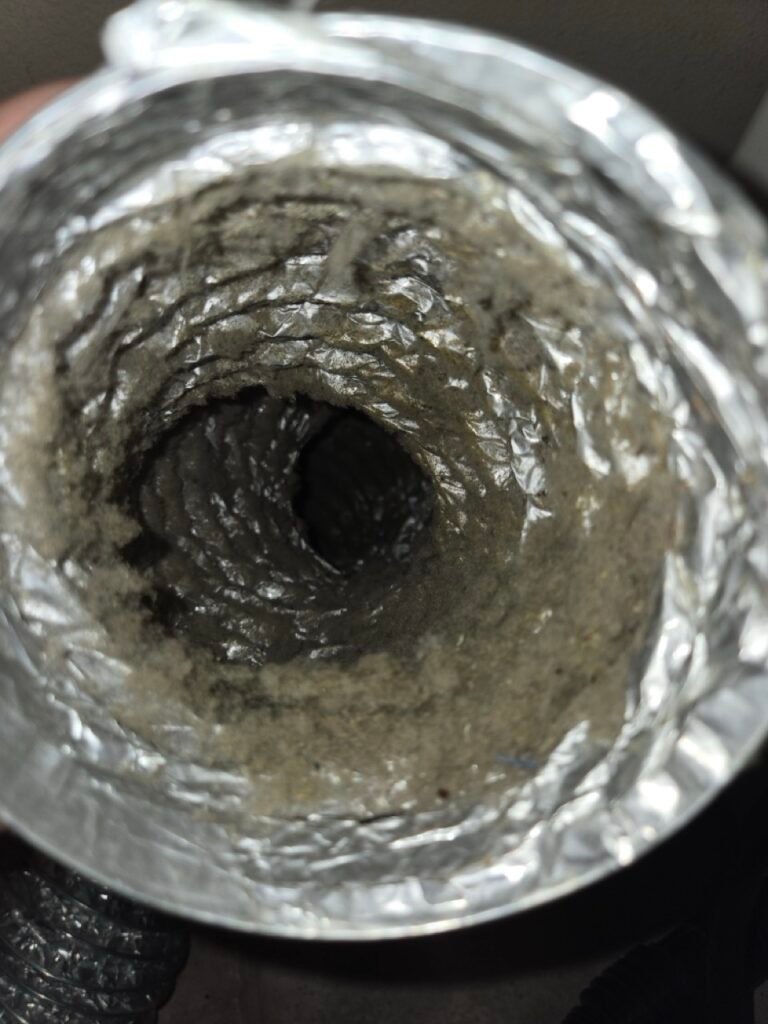
For homeowners who are responsible for their own system, residential dryer vent cleaning services in Wesley Chapel can help address accumulated lint and related airflow concerns.
Does an HOA Usually Require Permission for Dryer Vent Cleaning?
Not necessarily. Whether permission is required depends on the community’s rules and the work being performed.
Routine cleaning that can be completed entirely within an individually owned property may not involve the same approval requirements as work requiring access to shared landscaping, exterior walls, rooftops, or other association-controlled areas.
For example, a homeowner in a detached house may have a dryer vent termination that is easily accessible from their own yard.
Another homeowner may live in an attached property where the termination is located on an elevated exterior wall above a shared walkway.
These situations may require different access arrangements.
Some associations establish contractor registration, parking, equipment placement, or advance-notice requirements. Others may have few restrictions for routine maintenance.
Homeowners should avoid assuming that HOA approval is always required or never necessary.
A practical approach is to check the community’s rules or contact property management when the service involves common areas or exterior access.
It is also important to distinguish routine cleaning from modifications. Replacing, relocating, or altering an exterior termination may be subject to different requirements than removing lint from an existing duct.
Before scheduling an appointment involving shared property, homeowners can contact a local dryer vent cleaning provider to discuss the likely access needs and confirm what information to provide to their association.
Why Does Exterior Dryer Vent Access Matter in HOA Neighborhoods?
The exterior dryer vent termination is an important part of the exhaust system because it allows moisture-filled air to leave the building.
Its condition can affect dryer performance, even when the visible connection behind the appliance appears clean.
In HOA communities, exterior terminations may be located on individual exterior walls, elevated building surfaces, or areas near community-maintained landscaping.
Depending on the location, cleaning or inspecting the termination may involve access considerations beyond the homeowner’s laundry room.
For example, a dryer vent outlet could face a narrow side yard or a landscaped area where the association controls maintenance activities.
A contractor may need to confirm that the work area is accessible and that any required permission has been obtained.
The U.S. Fire Administration’s clothes dryer safety guidance recommends checking that outdoor dryer exhaust openings are not blocked and that their coverings open when the dryer operates.
Homeowners can visually check a termination that is safely accessible from ground level.
However, they should not climb onto roofs, use unsafe ladders, or enter restricted areas to reach elevated outlets.
If an exterior component is damaged or inaccessible, the appropriate next step may involve professional evaluation and coordination with the association.
Homeowners can explore professional dryer vent cleaning in Wesley Chapel when lint accumulation or restricted airflow is suspected.
Can HOA Landscaping and Exterior Maintenance Affect Dryer Vent Airflow?
Yes. Landscaping and exterior maintenance activities can sometimes affect a dryer vent termination if materials or vegetation obstruct the exhaust opening.
This does not mean HOA landscaping routinely causes dryer vent problems.
However, homeowners should be aware of the termination’s location and whether nearby plants, mulch, debris, or exterior fixtures interfere with its operation.
For example, a homeowner may have a dryer exhaust outlet positioned near a landscaped area maintained by the community.
Over time, vegetation could grow close to the opening, or landscaping materials might accumulate nearby.
If the termination becomes obstructed, the dryer may have difficulty releasing exhaust air effectively.
Exterior painting or building maintenance can also affect a vent if temporary coverings are left in place or components become damaged.
Homeowners should not attempt to modify association-maintained landscaping or exterior structures without checking applicable rules.
Instead, they can report potential obstructions to property management and arrange appropriate maintenance.
It is also important to remember that poor drying performance may result from lint buildup, appliance problems, or damaged ductwork rather than exterior landscaping alone.
If restricted airflow continues after an accessible exterior obstruction has been addressed, professional residential dryer vent cleaning and evaluation may be appropriate.
For local business information and customer feedback, homeowners can view the Superb Dryer Vent Cleaning Wesley Chapel Google Business reference.
Do Some HOA Communities Coordinate Dryer Vent Cleaning for Residents?
Some homeowners associations or property management companies may coordinate dryer vent maintenance, particularly in communities where multiple homes have similar exhaust configurations or where exterior access is controlled by the association.
However, HOA-coordinated dryer vent cleaning is not a universal service, and homeowners should not assume it is included in their association fees.
Maintenance arrangements depend on the community’s governing documents, property type, and management policies.
For example, an attached residential community may organize contractor access to elevated exterior terminations on a scheduled maintenance day.
This arrangement could make it easier for residents to coordinate cleaning without arranging separate access to common areas.
In another neighborhood, each homeowner may be responsible for scheduling and paying for their own dryer vent cleaning.
Even when the HOA coordinates exterior maintenance, that does not necessarily mean it maintains the entire dryer exhaust system.
Homeowners should ask whether any community program includes cleaning the complete individual exhaust duct or only inspecting accessible exterior components.
Questions worth confirming include:
- Does the HOA arrange periodic dryer vent maintenance?
- Which portions of the exhaust system are included?
- Are residents required to schedule individual appointments?
- Is the service covered by association fees or billed separately?
- Does the association provide documentation after maintenance?
Clear answers help homeowners avoid assuming that a community service covers more than it actually does.
If individual service is required, homeowners can explore residential dryer vent cleaning in Wesley Chapel and coordinate any necessary exterior access with their association.
How Can Homeowners Schedule Dryer Vent Cleaning Without Violating HOA Rules?
Scheduling dryer vent cleaning in an HOA community is often straightforward when homeowners confirm relevant access requirements before the appointment.
The first step is determining whether the work will take place entirely within the homeowner’s property or whether the technician may need to access an association-controlled area.
For example, a dryer located near an exterior wall may connect to a termination accessible from the homeowner’s yard.
In that situation, routine cleaning may not require special arrangements.
However, a termination located above a shared walkway or within a restricted landscaped area could involve additional coordination.
Before scheduling, homeowners should review applicable community rules or ask property management about contractor access.
It may be helpful to confirm:
- Whether advance notice is required.
- Whether contractors must provide insurance documentation.
- Whether service vehicles have designated parking areas.
- Whether ladders or other access equipment are restricted.
- Whether exterior work requires permission.
- Whether the HOA has approved maintenance hours.
Not every community has these requirements, and homeowners should avoid assuming they apply without checking.
Once any necessary arrangements are confirmed, the homeowner can explain the property’s layout and access conditions to the service provider.
This helps reduce the possibility of delays or an incomplete appointment.
For scheduling questions, contacting a Wesley Chapel dryer vent cleaning provider before the appointment can help homeowners discuss the exhaust route and any community restrictions.
What If the HOA and Homeowner Disagree About Dryer Vent Maintenance Responsibilities?
Disagreements can occur when an exhaust system includes components located in both individually owned and association-maintained areas.
For example, a homeowner may believe that the HOA is responsible for an exterior dryer vent termination because it is attached to a community-maintained building surface.
The association may consider the termination part of the homeowner’s individual appliance exhaust system.
Neither assumption should be treated as correct without reviewing the applicable documents.
The community’s declaration, maintenance provisions, and any written policies may help establish responsibility.
Homeowners can begin by requesting clarification from property management and identifying the specific component involved.
It is useful to distinguish between cleaning the exhaust duct, repairing a damaged termination, and modifying exterior building materials.
These activities may fall under different maintenance provisions.
If the documents are unclear, homeowners may need guidance from the association’s management, board, or an appropriately qualified professional familiar with the property’s governing documents.
A dryer vent cleaning contractor can discuss the physical system and service requirements but should not be expected to determine legal responsibility under HOA documents.
While responsibilities are being clarified, homeowners should avoid using a dryer with known serious exhaust defects or signs of overheating.
Once access and maintenance responsibilities are established, professional residential dryer vent cleaning may be arranged when lint accumulation or other service needs are identified.
Should HOA Homeowners Keep Records of Dryer Vent Cleaning?
Keeping maintenance records is useful for homeowners regardless of whether their property belongs to an HOA.
A record of previous dryer vent cleaning can help establish when the system was last serviced and provide information for future maintenance decisions.
In communities with specific maintenance requirements, documentation may also help homeowners demonstrate that required service has been completed.
However, not every HOA requires residents to submit dryer vent cleaning records.
Homeowners should confirm whether their association has a formal documentation policy rather than assuming one exists.
Useful records may include:
- The date of the cleaning appointment.
- The service provider’s name.
- The work described on the invoice or service report.
- Any airflow or access concerns identified.
- Recommendations for further inspection or repairs.
- The date of any follow-up corrective work.
For example, a Wesley Chapel homeowner may schedule cleaning after noticing longer drying times.
During the appointment, the technician removes accumulated lint but identifies a damaged exterior termination that requires separate attention.
Keeping a record of the cleaning and the remaining issue can help the homeowner explain the situation to property management if the exterior component falls under association oversight.
Maintenance records are also useful when selling a home or transferring information to a new owner.
Homeowners arranging dryer vent cleaning services in Wesley Chapel can ask what service documentation is available after the appointment.
Can HOA Exterior Rules Affect Dryer Vent Repairs or Replacement?
Yes. HOA rules may affect modifications to exterior dryer vent components, particularly when the work changes the building’s appearance or involves association-maintained surfaces.
Routine cleaning and physical modifications are not necessarily treated the same way.
For example, removing accumulated lint from an existing exhaust duct may be considered ordinary maintenance.
Relocating an exterior termination, cutting a new opening, or changing visible exterior components may require additional approval.
The exact requirements depend on the community’s governing documents and applicable building regulations.
Homeowners should not assume that HOA approval replaces the need to follow dryer manufacturer instructions or applicable installation requirements.
Likewise, a properly designed exhaust modification may still require community approval when it affects controlled exterior property.
If a technician identifies damaged ductwork or an unsuitable termination, the homeowner should determine what corrective work is necessary and whether the association must be involved.
A qualified installation or repair professional should handle modifications that go beyond routine cleaning.
For homeowners uncertain whether their exhaust system needs cleaning or additional work, contacting Superb Dryer Vent Cleaning Wesley Chapel can help begin the discussion about the system’s condition and appropriate next steps.
How Often Should Dryer Vents Be Cleaned in Wesley Chapel HOA Communities?
Living in an HOA community does not automatically change how frequently a residential dryer vent needs cleaning.
The appropriate maintenance schedule depends on the dryer manufacturer’s instructions, the exhaust system’s condition, laundry habits, and any applicable community requirements.
The U.S. Fire Administration recommends annual dryer vent duct cleaning as part of routine clothes dryer safety.
However, homeowners should not assume that their HOA automatically arranges this service.
Some communities may coordinate maintenance for certain building components, while others leave dryer vent cleaning entirely to individual property owners.
For example, a Wesley Chapel homeowner may live in a community where the association handles landscaping, exterior painting, and shared-area maintenance.
Those services do not necessarily include the home’s dryer exhaust duct.
The homeowner should review the association’s maintenance provisions and confirm whether dryer vent cleaning is included.
Laundry usage also matters. A household that operates the dryer several times daily may need to monitor drying performance more closely than one with lighter laundry demands.
Homeowners should consider scheduling an earlier evaluation when they notice persistent drying problems, unusual heat, or signs of restricted airflow.
Keeping a maintenance record can help residents track previous appointments and avoid confusion about when service was last performed.
For homeowners responsible for their own exhaust systems, professional residential dryer vent cleaning in Wesley Chapel can be included in a regular home maintenance routine.
What Dryer Vent Warning Signs Should HOA Homeowners Watch For?
Homeowners should pay attention to changes in dryer performance, regardless of whether their property is part of an HOA community.
A dryer exhaust system can develop airflow restrictions from accumulated lint, damaged connections, obstructed exterior terminations, or other installation problems.
One common warning sign is a gradual increase in drying time.
For example, a homeowner may notice that ordinary clothing loads that previously dried during one cycle now require additional time.
This change may indicate restricted airflow, but it does not automatically confirm that the dryer vent is clogged.
Other warning signs include:
- Clothes remaining damp after an appropriate drying cycle.
- The dryer or surrounding laundry area becoming unusually hot.
- Weak airflow at a safely accessible exterior exhaust opening.
- A visible transition duct that appears crushed or sharply bent.
- An exterior vent covering that does not function normally.
- Unusual odors or other changes in appliance operation.
Some symptoms may result from appliance problems, oversized loads, incorrect settings, or excessively wet clothing rather than lint accumulation.
If the dryer produces a burning smell, smoke, or signs of serious overheating, stop using it and arrange appropriate professional evaluation before operating it again.
When symptoms are less urgent, homeowners can begin by checking the lint screen, laundry load size, and selected drying settings.
If the problem continues, the appliance and exhaust system may require further evaluation.
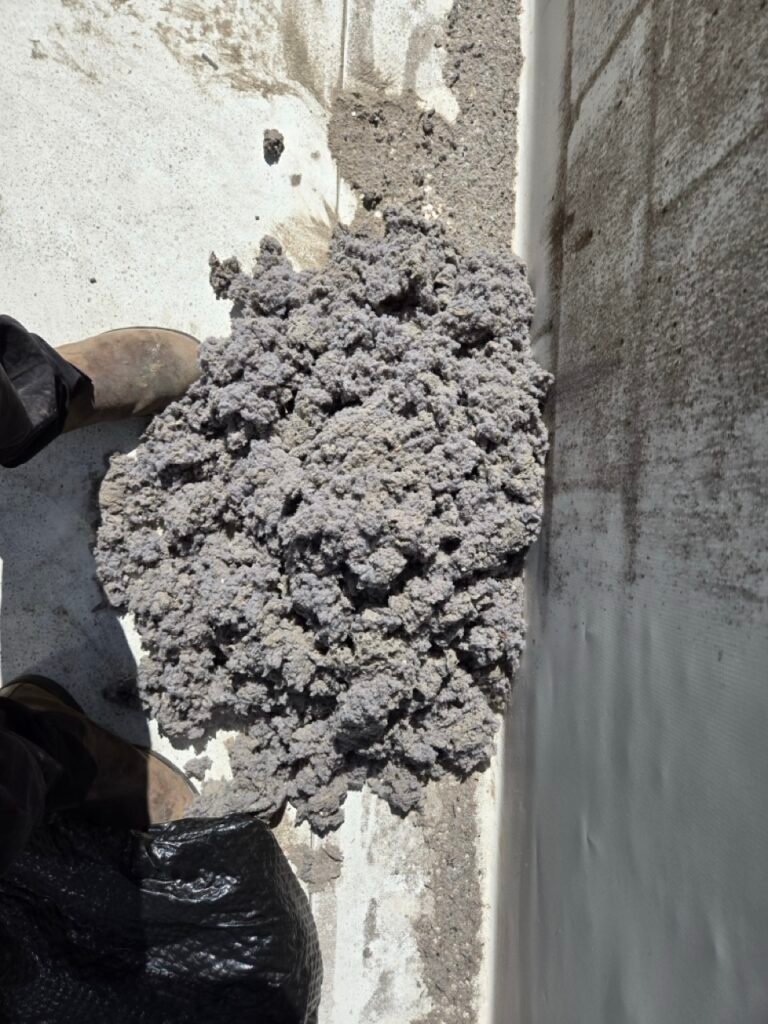
For persistent airflow concerns, residential dryer vent cleaning services in Wesley Chapel can help address accumulated lint when it is contributing to the restriction.
What Can HOA Residents Safely Check Between Professional Dryer Vent Cleanings?
Homeowners can perform basic dryer maintenance without modifying exterior building components or accessing association-controlled areas.
The most important routine task is cleaning the lint screen before or after each laundry load.
A clean lint screen helps maintain airflow through the appliance, but it does not establish that the entire exhaust duct is clear.
Residents can also monitor normal drying times and pay attention to unusual heat, odors, or changes in appliance performance.
If the transition connection behind the dryer is safely visible, check for obvious crushing, sharp bends, or damage.
Avoid forcing heavy appliances out of confined spaces or disconnecting gas and electrical connections without appropriate precautions and qualifications.
If the exterior termination is located on the homeowner’s property and can be safely observed from ground level, look for visible obstructions or damage.
However, homeowners should not climb onto roofs, use unsafe ladders, or enter restricted community areas to inspect an elevated termination.
In HOA communities, residents should also avoid modifying association-maintained landscaping or exterior building materials without confirming applicable rules.
If vegetation or exterior maintenance materials appear to obstruct the dryer exhaust outlet, report the issue to property management when appropriate.
These simple checks can help identify potential problems, but they cannot replace evaluation of concealed or inaccessible ductwork.
Homeowners who notice persistent symptoms can contact a Wesley Chapel dryer vent cleaning professional to discuss whether additional service is appropriate.
Can HOA Maintenance Programs Replace Individual Dryer Vent Cleaning?
Not necessarily. An HOA maintenance program may cover certain exterior building components without including the complete dryer exhaust system inside each residence.
The scope of association maintenance varies between communities.
For example, an HOA may arrange periodic inspections of exterior building surfaces and shared areas.
That does not automatically mean technicians inspect or clean the dryer exhaust ducts connected to individual appliances.
Similarly, a community maintenance program might address exterior termination access without removing accumulated lint throughout the concealed ductwork.
Homeowners should confirm exactly what a scheduled service includes.
Useful questions include:
- Does the program cover individual dryer exhaust ducts?
- Is cleaning performed from the appliance connection, exterior termination, or both?
- Are inaccessible sections evaluated?
- Does the program include only exterior inspection or actual lint removal?
- Will homeowners receive documentation of the completed service?
- Who is responsible for any repairs identified?
These questions help distinguish routine community maintenance from comprehensive dryer vent cleaning.
If the HOA does not include individual exhaust duct cleaning, homeowners may need to arrange their own service.
Even when an association provides periodic cleaning, residents should continue maintaining lint screens and monitoring appliance performance between appointments.
For homeowners who need individual service, professional dryer vent cleaning in Wesley Chapel can help address accumulated lint within the residential exhaust system.
What Should Wesley Chapel HOA Homeowners Do Before Scheduling Dryer Vent Cleaning?
Before scheduling dryer vent cleaning, homeowners should confirm whether their community has any rules affecting contractor access, exterior maintenance, or service documentation.
This preparation can help avoid delays and make the appointment more productive.
Start by reviewing the property’s maintenance responsibilities.
If the dryer vent terminates on an exterior wall or in an area maintained by the association, determine whether permission or coordination is necessary.
Homeowners should also identify any known access limitations.
For example, an elevated termination, narrow side yard, or shared landscaped area may require additional planning.
When contacting a service provider, explain the home’s layout and any restrictions that could affect the appointment.
It is also helpful to mention existing symptoms, such as longer drying times, weak exhaust airflow, or unusual appliance heat.
Before the appointment, consider the following:
- Confirm whether the homeowner or HOA is responsible for arranging service.
- Check whether exterior access requires advance approval.
- Ask whether contractor documentation is required.
- Identify the dryer location and any known exterior termination.
- Explain any persistent drying or airflow problems.
- Confirm which portions of the exhaust system the service includes.
- Ask whether a cleaning record or service report will be available.
Homeowners should not assume that cleaning will resolve every exhaust problem.
If the system has damaged ductwork, an unsuitable configuration, or an appliance malfunction, additional work by a qualified professional may be necessary.
The most effective approach combines routine dryer maintenance with a clear understanding of HOA responsibilities and access requirements.
For Wesley Chapel residents, Superb Dryer Vent Cleaning Wesley Chapel provides information about local dryer vent maintenance.
Homeowners can explore residential dryer vent cleaning services or contact the company to discuss their property’s exhaust configuration and scheduling needs.
By understanding their community’s requirements, monitoring dryer performance, and arranging appropriate maintenance, HOA homeowners can make informed decisions about keeping their dryer exhaust systems in good condition.
Frequently Asked Questions About Dryer Vent Cleaning in Wesley Chapel HOA Communities
Who is responsible for dryer vent cleaning in a Wesley Chapel HOA community?
Responsibility depends on the community’s governing documents and the property’s ownership arrangement. In many detached homes, owners maintain their individual dryer exhaust systems. However, townhome and condominium communities may have different provisions for exterior components, shared areas, or concealed ductwork. Homeowners should review their HOA declaration and maintenance policies or request written clarification from property management before assuming who must arrange or pay for cleaning.
Does an HOA cover the cost of professional dryer vent cleaning?
Some associations may coordinate or fund certain dryer vent maintenance services, but this is not a universal HOA benefit. Coverage depends on the community’s maintenance responsibilities, approved services, and governing documents. Even when an HOA maintains exterior building components, individual exhaust duct cleaning may remain the homeowner’s responsibility. Residents should confirm whether cleaning is included in association fees, billed separately, or arranged independently before scheduling an appointment.
Do I need HOA approval before scheduling dryer vent cleaning?
Not always. Routine cleaning that can be completed within an individually owned property may not require special permission. However, approval or coordination may be necessary when technicians need access to shared landscaping, elevated exterior walls, rooftops, or other association-controlled areas. Some communities also establish contractor insurance, parking, or advance-notice requirements. Homeowners should check their specific rules rather than assuming that every dryer vent cleaning appointment requires HOA authorization.
How often should dryer vents be cleaned in HOA communities?
The U.S. Fire Administration recommends annual dryer vent duct cleaning. Homeowners should also consider manufacturer guidance, laundry usage, previous maintenance, and changes in dryer performance. Living in an HOA community does not automatically require more frequent cleaning. However, an association may have its own maintenance or documentation requirements. Residents should confirm whether community-coordinated service includes their individual exhaust duct and arrange earlier evaluation if airflow problems develop.
Can HOA landscaping block a dryer vent?
Yes. Vegetation, mulch, or other landscaping materials can sometimes obstruct an exterior dryer exhaust opening, particularly when the termination is located close to a landscaped area. However, landscaping does not automatically cause dryer vent problems. Homeowners should visually check safely accessible outlets for obvious obstructions. If the affected landscaping is maintained by the HOA, contact property management before making changes. Persistent airflow restrictions may require additional evaluation of the exhaust system.
Can I hire my own dryer vent cleaning company if I live in an HOA?
Often, homeowners can arrange their own maintenance services when they are responsible for the dryer exhaust system. However, community rules may affect contractor access, parking, exterior equipment, or work involving shared property. Before hiring a provider, confirm any applicable requirements and explain the property’s layout. Homeowners can explore residential dryer vent cleaning in Wesley Chapel and discuss access limitations before scheduling service.
What if my HOA says the dryer vent is my responsibility?
Ask the association to identify the relevant maintenance provision if the responsibility is unclear. Review whether the requirement applies to the entire exhaust system or only certain components. If the homeowner is responsible for cleaning, arrange appropriate service and keep a record of the completed work. If a technician identifies damage involving association-maintained exterior materials, additional coordination may be necessary. A cleaning provider can explain the physical condition of the system but cannot determine legal responsibility under HOA documents.
Should I keep proof of dryer vent cleaning for my HOA?
Keeping records is a good maintenance practice, even when the HOA does not require documentation. An invoice or service report can help establish when the exhaust duct was last cleaned and whether additional concerns were identified. Some associations may request proof of maintenance, but requirements vary. Homeowners should confirm their community’s policy and retain relevant records for future appointments, property management discussions, or transfer of information when selling the home.
What should I do if my dryer vent is located in an HOA-controlled area?
Contact property management to determine whether access permission or scheduling coordination is required. Explain the location of the termination and ask whether contractors can enter the area or use necessary equipment. Do not climb onto roofs, access restricted spaces, or modify association-maintained exterior components without authorization. When arranging service, contact a Wesley Chapel dryer vent cleaning provider and describe the access conditions so the provider can determine whether the location can be serviced safely.
What are the warning signs that my HOA home’s dryer vent needs professional attention?
Warning signs include normal loads consistently taking longer to dry, clothing remaining damp, unusual heat around the dryer, weak exterior exhaust airflow, or a visibly damaged transition connection. These symptoms can indicate restricted airflow but may also result from appliance problems or laundry habits. If the dryer produces smoke, a burning smell, or signs of serious overheating, stop using it and arrange appropriate evaluation. Otherwise, begin with safe basic checks and seek professional assistance if the problem persists.
Keep Your Dryer Vent Maintained While Following HOA Guidelines
Understanding your HOA’s maintenance responsibilities and exterior access requirements can make dryer vent cleaning easier to arrange. Regular maintenance, attention to dryer performance, and clear communication with property management can help prevent unnecessary delays.
For questions about residential dryer vent maintenance in your community, contact Superb Dryer Vent Cleaning Wesley Chapel to discuss your exhaust system and service needs.