Home renovations can improve the appearance, comfort, and functionality of a property. However, construction work may also affect important household systems that are not immediately visible, including the dryer exhaust duct.
Whether homeowners are remodeling a laundry room, replacing cabinets, finishing an interior space, or relocating appliances, changes around the dryer can influence how effectively moisture-filled air travels outdoors.
In Wesley Chapel homes, dryer exhaust systems may run through walls, ceilings, or other concealed areas. Renovation activities near these routes can sometimes disturb connections, introduce debris, or alter the space available for proper duct installation.
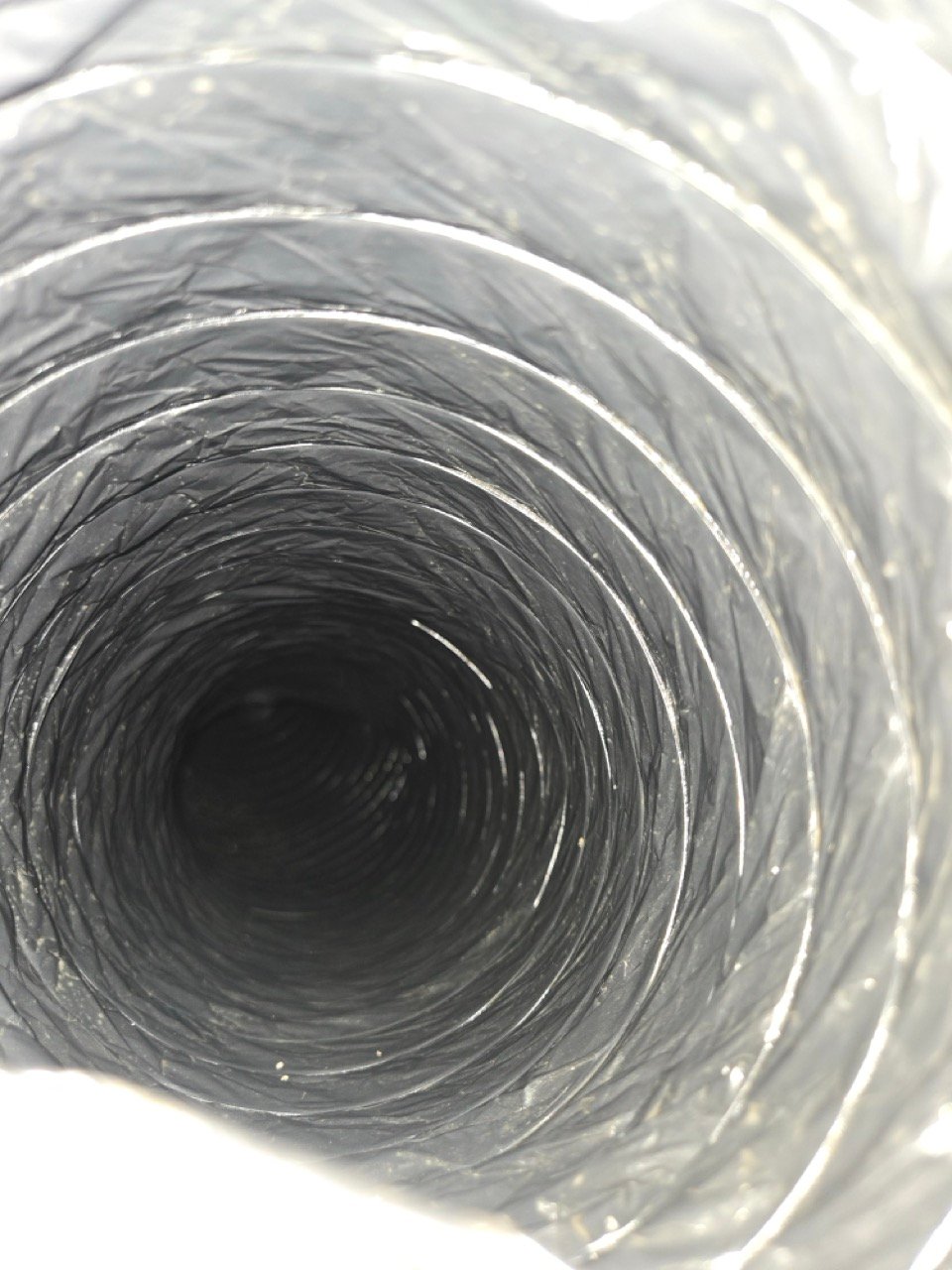
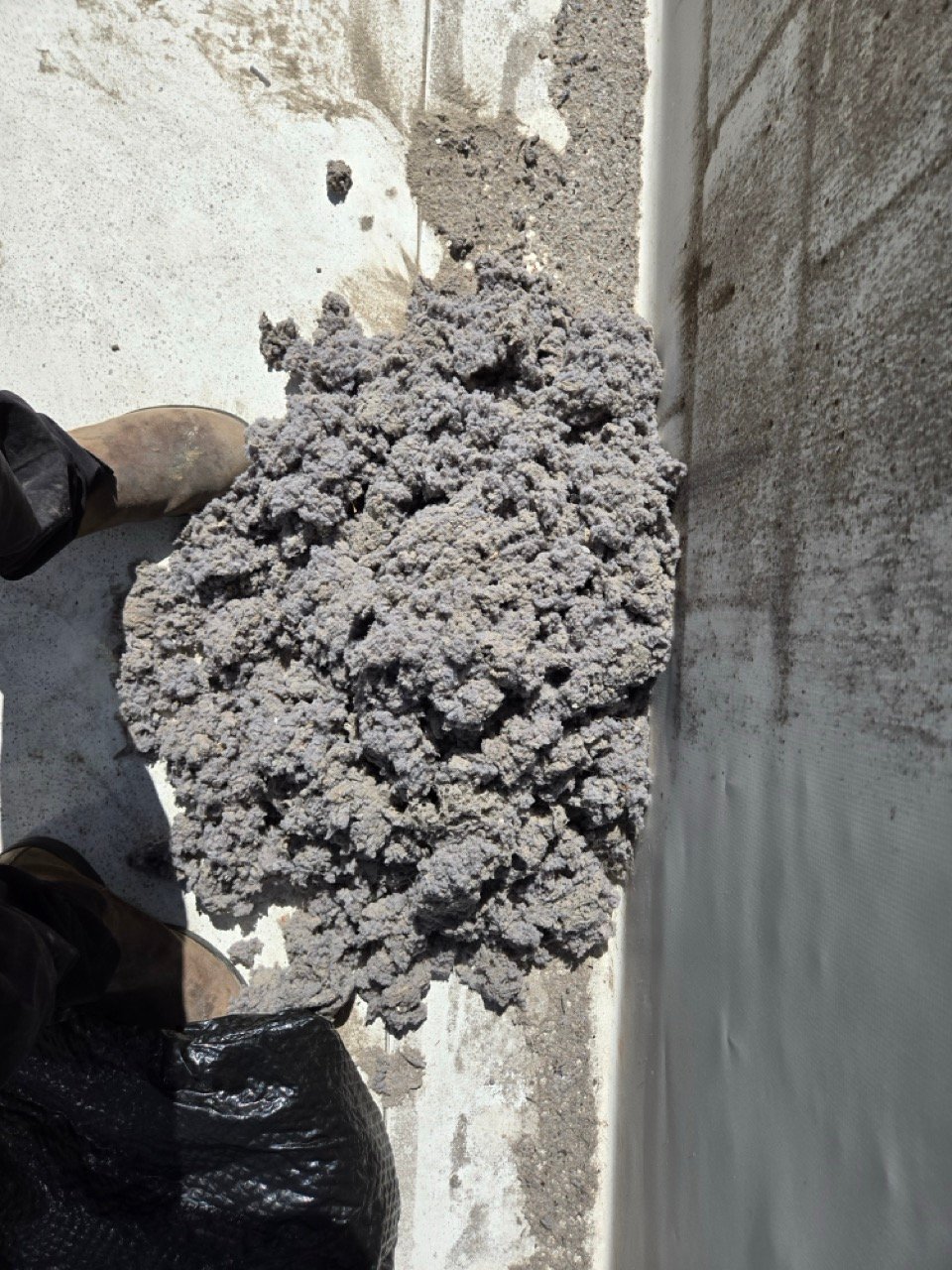
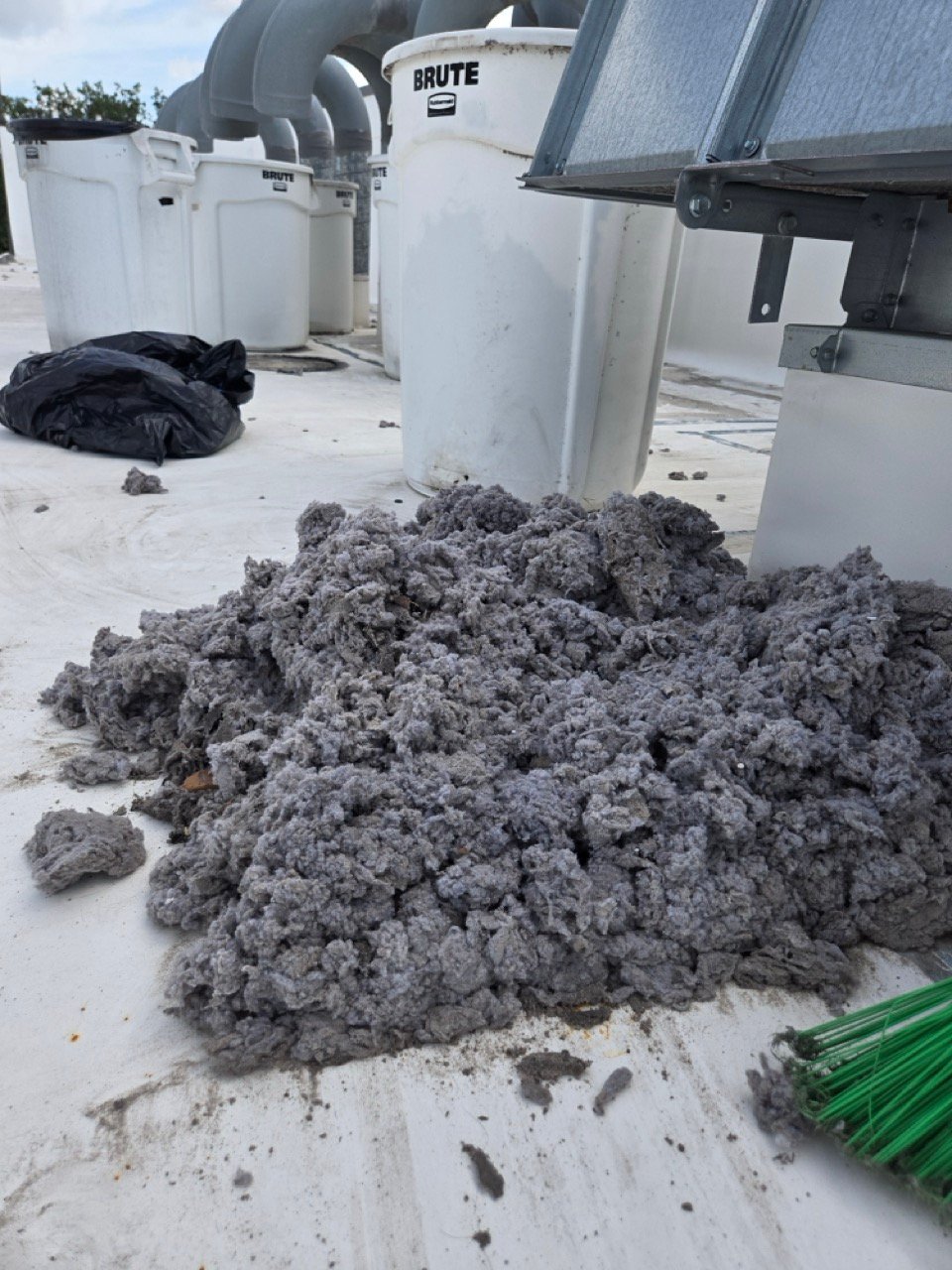
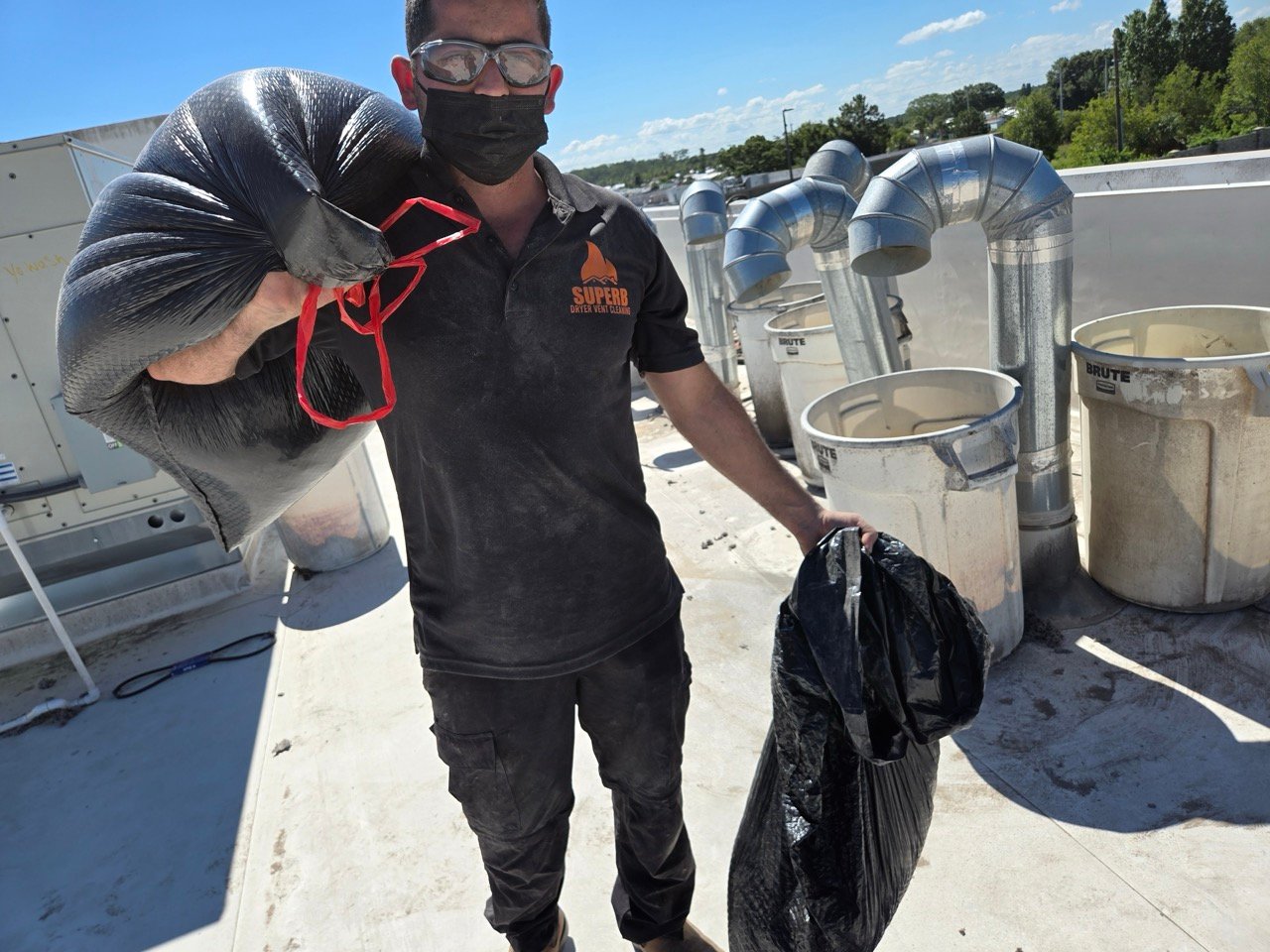
Dryer vent cleaning in Wesley Chapel after renovations can help remove accumulated lint and certain removable debris when the exhaust system has been affected by construction work. However, cleaning cannot repair damaged ductwork, correct an unsuitable vent configuration, or replace a proper post-renovation inspection.
For example, a homeowner may renovate a laundry room by installing new cabinets and replacing the flooring. After the work is completed, the dryer is pushed back into position.
The appliance appears normal, but regular laundry loads begin taking longer to dry.
The problem may not be related to lint accumulation. The transition duct could have become compressed when the appliance was repositioned, or a connection may have been disturbed during construction.
Understanding these possibilities helps homeowners avoid assuming that every post-renovation drying problem requires cleaning alone.
For homeowners experiencing changes in dryer performance after remodeling, professional residential dryer vent cleaning in Wesley Chapel can help address accumulated debris while identifying concerns that may require additional evaluation.
How Can Home Renovations Affect an Existing Dryer Vent System?
Home renovation projects can affect dryer exhaust systems in several ways, depending on the location and scope of the work.
A dryer vent typically connects the appliance to an exterior termination through a duct designed to carry warm, moisture-filled exhaust air outdoors.
When construction takes place near that duct, certain activities may disturb its condition or configuration.
Potential renovation-related concerns include:
- Dryer connections becoming loose when appliances are moved.
- Transition ducts becoming crushed when dryers are repositioned.
- Construction debris entering exposed duct openings.
- Concealed duct sections being damaged during wall or ceiling work.
- New cabinetry reducing the space available behind an appliance.
- Changes to the exhaust route following laundry room modifications.
- Exterior renovations affecting the vent termination.
Not every renovation creates these problems.
A project that does not involve the laundry area or nearby exhaust duct may have little or no effect on dryer vent performance.
However, homeowners should pay particular attention when work involves moving appliances, opening walls, installing cabinets, or changing the laundry room layout.
After renovations, residential dryer vent cleaning and evaluation may be appropriate if debris entered the duct or signs of restricted airflow develop.
Can Construction Dust and Debris Enter a Dryer Vent During Remodeling?
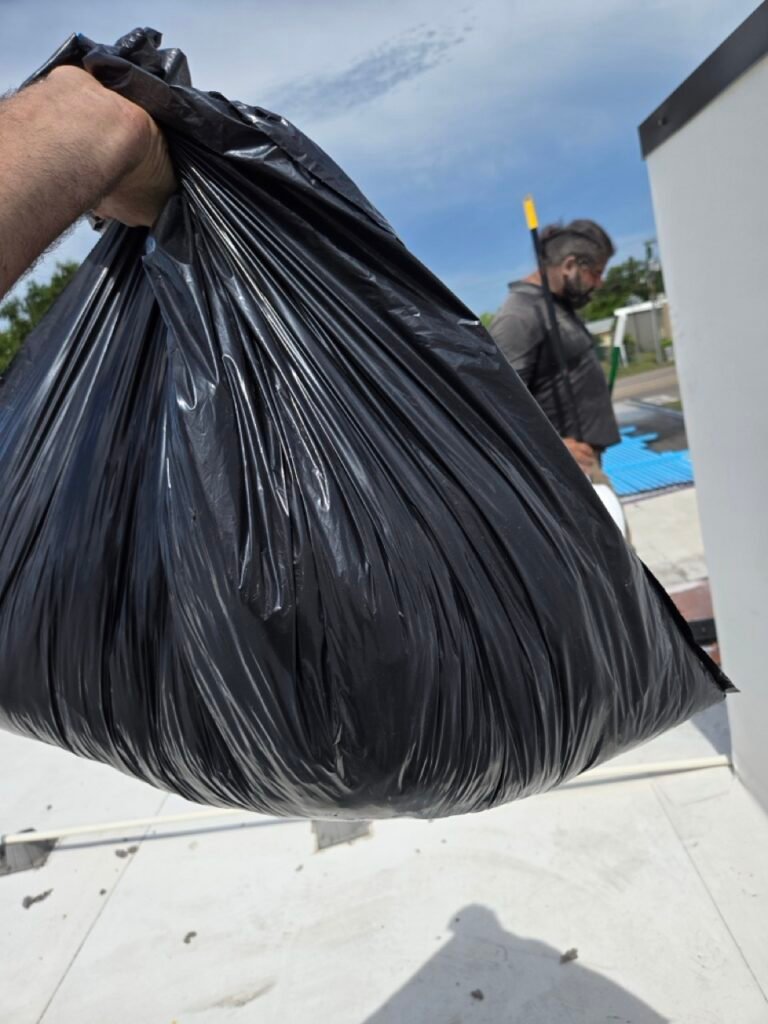
Yes, construction dust and debris can enter a dryer exhaust duct if an opening is exposed or improperly protected during renovation work.
For example, a contractor may temporarily disconnect the dryer while replacing flooring or modifying the laundry room.
If the exhaust opening remains uncovered, nearby construction activity could allow dust, drywall particles, or small debris to enter the accessible duct.
However, homeowners should not assume that ordinary construction dust automatically enters a properly connected and intact dryer exhaust system.
The likelihood depends on whether the duct was opened, damaged, or exposed during the project.
Consider a Wesley Chapel homeowner who removes an older laundry cabinet and installs a new storage system.
During the renovation, the dryer is disconnected and moved into another room. The wall exhaust opening remains exposed while drywall sanding and cleanup take place.
After the renovation, the appliance is reconnected, but the homeowner does not know whether any debris entered the duct.
In this situation, evaluating the exhaust opening and accessible ductwork before regular dryer use would be sensible.
If debris has entered the system, appropriate cleaning may help remove it. Larger objects, damaged components, or inaccessible obstructions may require additional work.
Homeowners can explore professional dryer vent cleaning services in Wesley Chapel when construction activity may have introduced debris into an exposed exhaust duct.
Why Should Homeowners Check Dryer Vent Connections After Moving Appliances?
Moving a dryer during renovation work can affect the transition connection between the appliance and the permanent exhaust duct.
This connection is important because it allows exhaust air to travel from the dryer into the home’s vent system.
If the dryer is pushed too close to the wall or positioned differently after remodeling, the transition duct may become crushed, kinked, or disconnected.
These conditions can restrict airflow or prevent exhaust air from traveling through the intended route.
For example, a homeowner may install deeper cabinets above the laundry area and reposition the dryer to create additional storage space.
The appliance still fits inside the room, but the available clearance behind it has changed.
When the dryer is pushed into place, the transition connection becomes sharply bent.
Afterward, ordinary laundry loads begin taking longer to dry.
In this situation, the problem may be caused by the connection rather than lint buildup deeper inside the exhaust system.
Cleaning alone would not correct an improperly positioned or damaged transition duct.
The connection should be evaluated and adjusted or replaced with a suitable component when necessary.
Whirlpool’s dryer vent installation guidance discusses the importance of appropriate vent connections and proper exhaust routing.
Homeowners should avoid forcing heavy appliances out of confined spaces or disconnecting gas and electrical connections without appropriate precautions and qualifications.
If drying performance changes after appliances are moved, contacting a dryer vent cleaning professional can help determine whether the exhaust system needs cleaning or further evaluation.
Can Laundry Room Remodeling Change the Dryer Vent’s Airflow?
Yes. Laundry room remodeling can affect dryer exhaust airflow when the project changes the vent route, appliance position, or available space around the connection.
A homeowner may relocate the dryer to another wall, install a stacked laundry unit, or redesign the room to accommodate additional storage.
These changes can require adjustments to the exhaust system.
A new route may contain additional bends or a longer duct run, which can increase airflow resistance.
However, a longer route does not automatically mean the system is improperly installed.
The installation must be evaluated according to applicable requirements and the dryer manufacturer’s instructions.
A properly configured exhaust system should allow the dryer to release moisture-filled air outdoors without unnecessary restrictions.
If a renovation introduces excessive duct length, unsuitable materials, damaged connections, or obstructed termination components, cleaning will not resolve those installation problems.
For homeowners planning to relocate laundry equipment, dryer vent routing should be considered before the renovation is completed rather than treated as an afterthought.
After remodeling, professional residential dryer vent cleaning may help address accumulated debris, while qualified installation professionals can evaluate whether the modified duct configuration is appropriate.
Homeowners looking for local business information can also view the Superb Dryer Vent Cleaning Wesley Chapel Google Business reference.
Can Wall and Ceiling Renovations Damage Concealed Dryer Vent Ductwork?
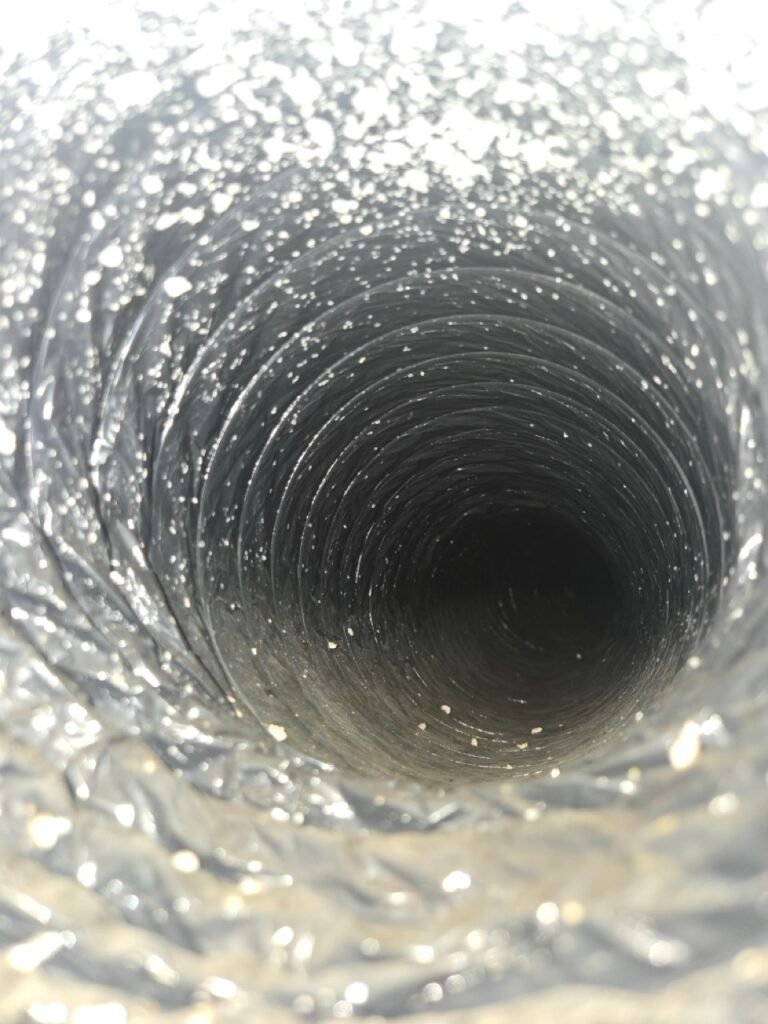
Yes. Renovations involving walls, ceilings, or structural modifications can sometimes affect concealed dryer exhaust ducts.
In some Wesley Chapel homes, the dryer vent travels through enclosed spaces before reaching an exterior termination. Because these sections are not visible during normal household activities, homeowners may not know their exact location.
Projects involving drywall removal, new electrical installations, plumbing modifications, or interior remodeling can bring construction work close to existing ductwork.
Potential problems include accidental punctures, disconnected joints, crushed sections, or changes to the duct’s original position.
However, concealed ductwork should not automatically be considered damaged simply because renovation work occurred nearby.
The concern becomes more relevant when contractors have opened surfaces containing the exhaust route or when drying performance changes after the project.
For example, a homeowner may renovate an upstairs bathroom located near the laundry room. During construction, a section of ceiling is opened to accommodate new plumbing.
If the dryer exhaust duct passes through that area, it could be disturbed while other building components are being modified.
After the renovation, the homeowner notices that normal laundry loads take longer to dry.
A damaged or disconnected duct is one possible explanation, although appliance problems or lint accumulation could also contribute.
Professional cleaning can remove accumulated lint and certain debris, but it cannot repair punctured ductwork or restore disconnected concealed joints.
If damage is suspected, the system should be evaluated by a qualified professional before relying on cleaning alone.
Homeowners can contact a residential dryer vent cleaning provider in Wesley Chapel to discuss post-renovation symptoms and determine whether cleaning or further inspection is appropriate.
How Can Exterior Home Renovations Affect Dryer Vent Terminations?
Exterior renovation projects can affect the dryer vent termination, particularly when work involves siding, exterior painting, wall repairs, or modifications near the exhaust outlet.
The termination is where warm, moisture-filled dryer exhaust air leaves the building.
If the outlet becomes obstructed or damaged, airflow may be restricted even when the duct inside the home is relatively clean.
For example, contractors may temporarily cover exterior openings to protect them during painting or other work.
If a protective covering is accidentally left in place, the dryer may no longer exhaust properly.
Similarly, new exterior materials or fixtures installed too close to the termination could interfere with its operation.
Potential concerns after exterior renovations include:
- Temporary coverings that were not removed.
- Paint or construction material interfering with a vent flap.
- Debris obstructing the exhaust opening.
- Damaged or improperly reinstalled termination components.
- New landscaping or exterior fixtures blocking airflow.
- Changes to the termination that do not meet installation requirements.
These issues are not necessarily caused by lint accumulation.
For this reason, homeowners should not assume that cleaning the interior duct will resolve every airflow problem following exterior construction.
The U.S. Fire Administration’s clothes dryer safety guidance recommends checking that the outdoor exhaust opening is not blocked and that its covering opens when the dryer operates.
Homeowners may visually inspect a termination that is safely accessible from ground level.
However, elevated outlets should not be approached using unsafe ladders, roof access, or other hazardous methods.
If the termination appears damaged or obstructed after renovation work, professional dryer vent cleaning and evaluation may help determine whether cleaning or corrective work is needed.
Why Can a Dryer Start Taking Longer After a Laundry Room Renovation?
Longer drying times after remodeling can indicate a change in the appliance, its connection, or the exhaust system.
The timing may suggest that renovation work affected the dryer, but it does not establish the cause.
A common possibility is that the transition duct became compressed when the dryer was moved back into position.
Other explanations include debris entering an exposed duct, a damaged connection, a modified exhaust route, or an exterior termination that was disturbed during construction.
Consider a homeowner who recently installed new laundry room flooring and replaced an older washer and dryer.
Before the renovation, normal clothing loads dried within their usual cycle.
After the new appliances are installed, the homeowner notices that heavier loads remain damp.
The homeowner assumes construction dust has clogged the dryer vent.
However, the actual issue could involve the new dryer’s settings, a different appliance capacity, a compressed transition connection, or a restriction elsewhere in the exhaust route.
This example illustrates why a change in drying performance should lead to evaluation rather than an automatic assumption that the vent needs cleaning.
Homeowners can begin by checking the lint screen, reviewing the selected drying cycle, and observing whether the dryer connection appears damaged or sharply bent.
If the problem continues, the appliance and exhaust system may need professional attention.
For homeowners experiencing persistent post-renovation drying problems, residential dryer vent cleaning in Wesley Chapel can help address lint-related restrictions when they are present.
Should Dryer Vents Be Cleaned Automatically After Every Renovation?
Not every renovation requires immediate dryer vent cleaning.
The need depends on whether the work affected the exhaust system, exposed a duct opening, introduced debris, or created symptoms suggesting restricted airflow.
For example, repainting a bedroom on the opposite side of the house may have no meaningful effect on the dryer vent.
By contrast, relocating a dryer, opening walls around the exhaust duct, or performing construction near an exposed vent connection creates a stronger reason to evaluate the system.
Cleaning may be appropriate when:
- Construction debris entered an exposed exhaust opening.
- The dryer vent has an unknown maintenance history.
- Lint accumulation is identified during inspection.
- Drying performance declines after renovation work.
- A professional determines that removable debris is restricting airflow.
However, if the duct is damaged, disconnected, or improperly configured, cleaning alone is not an adequate solution.
A qualified professional may need to repair or replace the affected components.
Homeowners should also remember that regular dryer vent maintenance remains important even when no renovation has occurred.
The U.S. Fire Administration recommends annual dryer vent duct cleaning as part of routine clothes dryer safety.
For homeowners uncertain whether their renovation affected the exhaust system, contacting a dryer vent cleaning provider can help clarify the next appropriate step.
How Can Homeowners Distinguish Dryer Vent Cleaning Needs From Repair Problems?
Dryer vent cleaning and dryer vent repair address different conditions.
Cleaning focuses on removing accumulated lint and removable debris from the exhaust system.
Repair or modification may be necessary when the ductwork is physically damaged, disconnected, improperly installed, or unable to provide adequate airflow because of its configuration.
For example, a homeowner may notice lint buildup inside an accessible exhaust opening after renovation work.
If the duct is otherwise intact, cleaning may be an appropriate response.
However, if a section of the exhaust duct was crushed while cabinets were installed, removing lint will not restore the damaged section to its intended shape.
Similarly, if remodeling changed the duct route and introduced excessive bends, the installation may require evaluation against the dryer’s manufacturer instructions and applicable requirements.
Warning signs that may justify further investigation include visible duct damage, loose connections, unusual heat, weak exhaust airflow, and persistent drying problems after cleaning.
Not all defects can be identified through a basic visual check, particularly when ductwork is concealed.
The appropriate solution depends on the actual condition of the system.
Homeowners can explore professional residential dryer vent cleaning services for lint-related maintenance or contact the company to discuss whether their situation may require additional inspection or repair by a qualified contractor.
What Should Homeowners Check Before Using Their Dryer After Renovations?
Before returning to normal laundry routines, homeowners should make sure renovation work has not left the dryer exhaust system visibly damaged, disconnected, or obstructed.
This is particularly important when contractors have moved the appliance, opened nearby walls, replaced flooring, or modified the laundry room layout.
Start with the areas that can be inspected safely.
Check whether the lint screen is clean and properly installed. If the transition duct behind the dryer is visible without moving heavy equipment, look for obvious crushing, sharp bends, or disconnected sections.
Homeowners should also confirm that temporary construction materials have been removed from the laundry area.
If the exterior dryer vent termination is safely accessible, check for visible obstructions, damaged components, or protective coverings left behind during construction.
When the dryer is operating normally, an accessible exterior flap should generally open to release exhaust air. Some approved termination designs function differently, so the appropriate assessment depends on the installed component.
Avoid using the dryer if the exhaust connection is visibly disconnected, damaged, or obstructed.
Homeowners should not attempt to repair concealed ductwork, disconnect gas lines, or access elevated terminations without appropriate qualifications and equipment.
If contractors modified the exhaust route, confirm that the installation was completed according to applicable requirements and the appliance manufacturer’s instructions.
These basic checks cannot establish the condition of the entire concealed duct, but they can help identify obvious concerns before regular use resumes.
For homeowners uncertain about their exhaust system after construction, professional residential dryer vent cleaning and evaluation may help identify whether accumulated debris or another condition requires attention.
Can Renovations Affect Dryer Vent Maintenance Even When the Dryer Was Not Moved?
Yes. Renovation work can sometimes affect dryer exhaust components even when the appliance remains in its original position.
For example, exterior siding replacement may involve work around the dryer vent termination. Interior wall modifications may take place near concealed ductwork, and new shelving or cabinetry may reduce access to the laundry area.
However, the possibility of an effect does not mean every renovation causes a problem.
The important question is whether the work involved or disturbed any part of the dryer exhaust system.
Consider a Wesley Chapel homeowner who remodels a kitchen located next to the laundry room.
The dryer remains connected throughout the project, but contractors open a shared interior wall to modify electrical wiring.
If the dryer exhaust duct passes through that wall, there is a possibility that construction activity could affect it.
On the other hand, if the duct is located elsewhere and remains undisturbed, the renovation may have no effect on dryer vent performance.
Homeowners should ask contractors whether any exhaust ductwork was encountered, moved, or modified during construction.
If the answer is uncertain and dryer performance changes afterward, further evaluation may be appropriate.
When renovation work takes place near concealed exhaust components, contacting a Wesley Chapel dryer vent cleaning professional can help homeowners discuss whether cleaning or additional inspection should be considered.
How Can Homeowners Protect Their Dryer Vent During Future Remodeling Projects?
Planning ahead can help reduce the likelihood of construction-related dryer vent problems.
Before remodeling begins, homeowners should identify the visible dryer connection and determine whether the planned work may affect the exhaust route or exterior termination.
If contractors will move the dryer or open nearby walls, discuss how the existing exhaust system will be protected.
Practical precautions include:
- Informing contractors about known dryer exhaust duct locations.
- Protecting disconnected duct openings from construction debris.
- Avoiding unnecessary changes to the existing exhaust route.
- Maintaining appropriate clearance for the dryer connection.
- Keeping exterior exhaust terminations free from construction coverings.
- Confirming that modified ductwork meets applicable installation requirements.
- Checking the exhaust connection before the appliance returns to service.
Any temporary protection placed over an exhaust opening must be removed before the dryer is operated.
Homeowners should also avoid allowing an exhaust duct to terminate inside an attic, wall cavity, garage, or other enclosed area instead of an appropriate outdoor termination.
If the renovation requires relocating the dryer, the new exhaust route should be planned by someone familiar with dryer installation requirements.
The Whirlpool dryer vent installation guide provides general manufacturer guidance about proper exhaust connections and routing.
For homeowners planning laundry room modifications, professional dryer vent cleaning services in Wesley Chapel can be part of the discussion about maintaining the existing system, while qualified installation professionals should handle necessary duct modifications.
When Should Wesley Chapel Homeowners Schedule Dryer Vent Cleaning After Renovations?
The appropriate timing depends on what occurred during the renovation and whether the exhaust system may have been affected.
If the dryer vent was disconnected and left exposed during construction, it may be sensible to have the duct evaluated before returning the appliance to regular use.
The same applies when debris is visible inside the exhaust opening or when the dryer develops unusual performance problems after remodeling.
If the renovation did not involve the laundry area, ductwork, or exterior termination, an additional cleaning appointment may not be necessary solely because construction occurred elsewhere in the home.
Homeowners should also consider the system’s previous maintenance history.
The U.S. Fire Administration recommends annual dryer vent duct cleaning. A homeowner whose system is already due for routine maintenance may find it practical to schedule service after relevant renovation work is completed.
However, cleaning should not be used as a substitute for repairing damaged connections or correcting an improperly modified exhaust route.
If the dryer is overheating, producing a burning smell, or showing other concerning symptoms, stop using it and arrange appropriate evaluation before continuing.
Homeowners who are unsure whether post-renovation cleaning is necessary can contact Superb Dryer Vent Cleaning Wesley Chapel to explain the project and discuss their maintenance concerns.
What Should Wesley Chapel Homeowners Do After Completing a Home Renovation?
Once renovation work is finished, homeowners should treat the dryer exhaust system as one of the household components worth checking before returning to normal routines.
The appropriate next step depends on whether the project involved the laundry area, exterior termination, or concealed ductwork.
If the dryer was moved, confirm that its transition connection has been properly reinstalled and is not visibly compressed or damaged.
If contractors opened walls or ceilings near the exhaust route, ask whether the duct was disturbed and whether any repairs or modifications were completed.
If exterior work took place near the vent termination, confirm that the outlet is unobstructed and any temporary protective coverings have been removed.
Homeowners should also pay attention to how the dryer performs after the renovation.
Normal loads that consistently require additional cycles, unusual heat, or weak exterior airflow may indicate a problem requiring further investigation.
However, these symptoms should not automatically be attributed to construction debris. Appliance problems, laundry habits, and installation issues can produce similar results.
The most effective post-renovation approach is to identify the actual condition of the dryer exhaust system before deciding whether cleaning, repair, or additional inspection is needed.
Professional cleaning can remove accumulated lint and certain construction-related debris when present. It cannot correct physical duct damage, unsuitable routing, or mechanical appliance failures.
For homeowners in Wesley Chapel, Superb Dryer Vent Cleaning Wesley Chapel provides information about local dryer vent maintenance. You can explore its residential dryer vent cleaning services or contact the company to discuss post-renovation dryer vent concerns.
By including the dryer exhaust system in post-renovation checks, homeowners can identify potential concerns early and make more informed maintenance decisions without assuming every remodeling project requires the same service.
Frequently Asked Questions About Dryer Vent Cleaning After Home Renovations
Should I clean my dryer vent after renovating my home?
Not every renovation requires immediate dryer vent cleaning. The need depends on whether construction affected the exhaust duct, exposed an opening, introduced debris, or changed dryer performance. If the dryer was moved, nearby walls were opened, or the exhaust route was modified, an inspection may be appropriate. Cleaning can help remove accumulated lint and certain construction-related debris, but damaged ductwork or improper connections require separate attention.
Can construction dust get inside a dryer vent during remodeling?
Yes, construction dust and debris can enter a dryer vent when the duct is disconnected, damaged, or left uncovered during remodeling. Drywall sanding, demolition, and nearby construction activities may introduce material into exposed openings. However, dust does not automatically enter a properly connected and intact exhaust system. If the duct was exposed during renovation work, homeowners should consider having it evaluated before returning the dryer to regular use.
Why is my dryer taking longer to dry clothes after a laundry room renovation?
Longer drying times after remodeling can result from several issues. The transition duct may have become crushed when the dryer was repositioned, debris may have entered the exhaust system, or the vent route may have changed. Appliance settings, oversized loads, and mechanical problems can also affect drying performance. Homeowners should check safely accessible components and seek professional evaluation if the problem continues rather than assuming lint buildup is the only cause.
Can moving my dryer during renovation damage the vent connection?
Yes. Moving a dryer can loosen, crush, disconnect, or sharply bend the transition duct between the appliance and the permanent exhaust system. This is especially possible when new cabinets, flooring, or storage features reduce the available space behind the dryer. A damaged connection may restrict airflow even when the remaining duct is clean. If the connection appears damaged, it should be evaluated and corrected before regular dryer use resumes.
Can dryer vent cleaning fix damage caused by home renovations?
Dryer vent cleaning can remove accumulated lint and removable debris, but it cannot repair punctured ductwork, disconnected joints, crushed sections, or an improperly configured exhaust route. If renovation work physically damaged the system, qualified repair or replacement may be necessary. Cleaning may still be appropriate after the damage is corrected, depending on the duct’s condition. Professional residential dryer vent cleaning should be considered separately from structural duct repairs.
Should I inspect my dryer vent after exterior painting or siding replacement?
Yes, particularly when exterior work occurred near the dryer exhaust termination. Contractors may temporarily cover openings, and paint or construction materials can sometimes interfere with the vent covering. Once work is completed, confirm that temporary coverings have been removed and the outlet is not visibly obstructed. Only inspect locations that are safely accessible. Elevated terminations or damaged components should be evaluated by someone with appropriate equipment and qualifications.
How soon after remodeling should I schedule dryer vent cleaning in Wesley Chapel?
If the exhaust duct was exposed to construction debris or drying performance changed after the project, evaluation may be appropriate before regular dryer use resumes. If the renovation did not affect the laundry area or exhaust system, additional cleaning may not be necessary solely because remodeling occurred. Homeowners should also consider their existing maintenance schedule. For questions about post-renovation service, contact a Wesley Chapel dryer vent cleaning provider and explain what work was completed.
Can installing new laundry cabinets affect dryer vent airflow?
Yes. New cabinets or storage features may change the available clearance around the dryer. If the appliance is pushed closer to a wall, the transition duct can become compressed or sharply bent, restricting airflow. Cabinet installation may also make the connection harder to inspect or maintain. Homeowners should ensure that the dryer and exhaust connection have adequate space according to the appliance manufacturer’s instructions. Cleaning alone will not correct an improperly positioned connection.
Is a new dryer vent required when relocating a laundry room?
Relocating a laundry room may require a new or modified exhaust route, but the appropriate installation depends on the new appliance location, existing ductwork, and applicable requirements. The route must be suitable for the dryer and terminate appropriately outdoors. Homeowners should not assume an existing duct can simply be extended without evaluating its length, fittings, and configuration. A qualified installation professional should plan necessary modifications, while dryer vent cleaning addresses maintenance rather than installation design.
How can I prevent dryer vent problems during future renovations?
Before construction begins, tell contractors about known dryer exhaust components near the work area. Protect disconnected duct openings from dust and debris, maintain adequate space behind the appliance, and avoid unnecessary changes to the exhaust route. If ductwork must be modified, have the work completed according to applicable requirements and manufacturer instructions. After renovation, confirm that connections are secure, exterior openings are unobstructed, and temporary protective coverings have been removed before operating the dryer.
Keep Your Dryer Vent in Good Condition After Renovations
Home improvements should not leave your dryer exhaust system overlooked. Checking accessible connections, confirming proper exterior airflow, and addressing construction-related concerns can help maintain reliable dryer operation.
If your renovation involved the laundry room or dryer exhaust duct, contact Superb Dryer Vent Cleaning Wesley Chapel to discuss whether professional cleaning or further evaluation is appropriate.