Townhomes offer homeowners a practical combination of private living space and a more compact residential layout. However, certain features of townhome construction can make dryer vent maintenance different from what homeowners might encounter in a detached single-family house.
In some Wesley Chapel townhomes, laundry areas are positioned away from exterior walls, located on upper floors, or connected to exhaust ducts that travel through concealed spaces before reaching the outdoors.
These configurations can affect how technicians access, evaluate, and clean the dryer exhaust system.
Dryer vent cleaning in Wesley Chapel townhomes may require additional planning because of the exhaust route, termination location, building layout, and possible community access requirements. Not every townhome has these challenges, but understanding the property’s configuration helps homeowners make informed maintenance decisions.
For example, a homeowner may have a second-floor laundry closet where the dryer connects to a duct that disappears into the wall. The exterior termination may not be visible from the laundry room, making it difficult to determine the complete exhaust route.
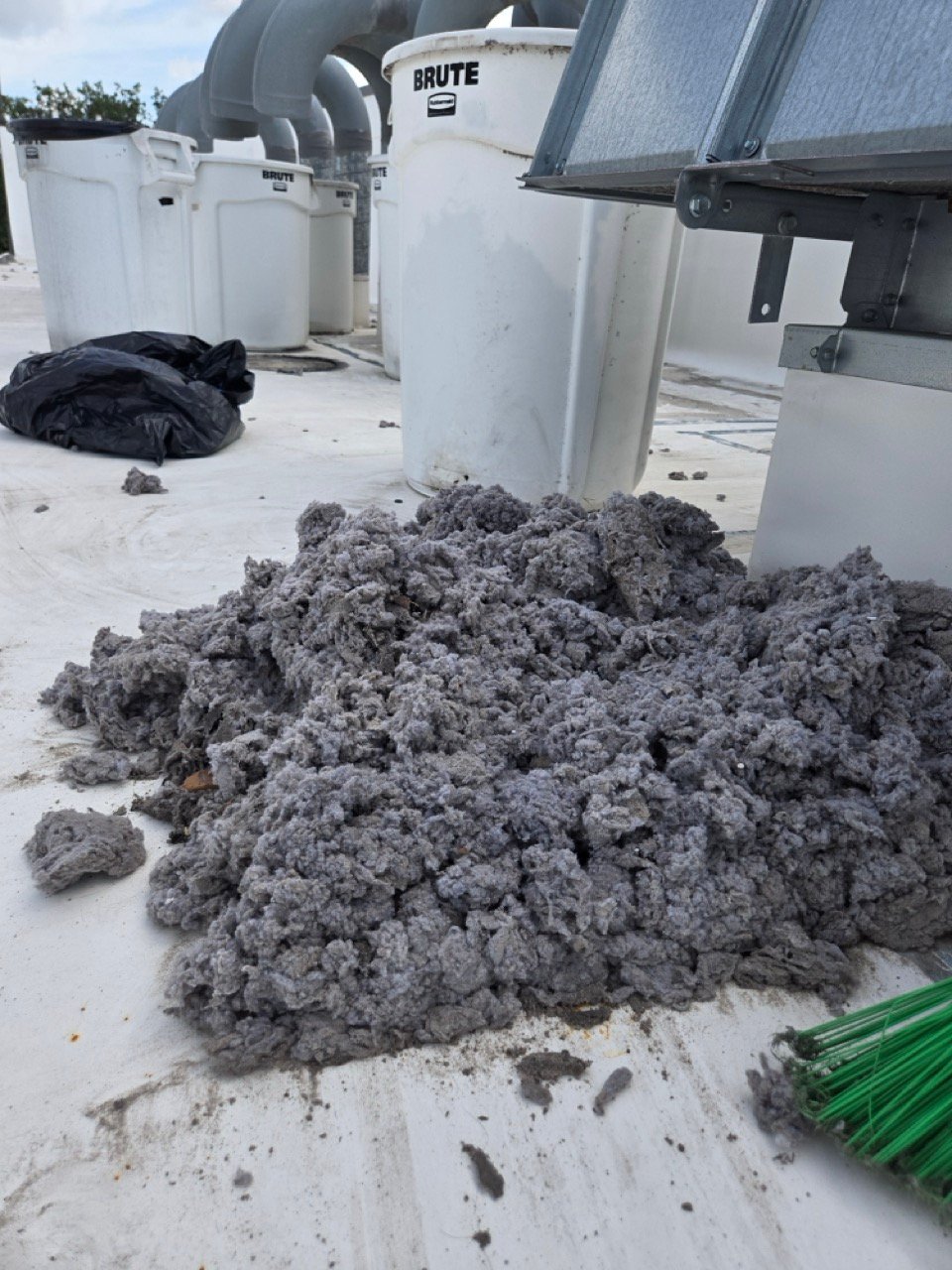
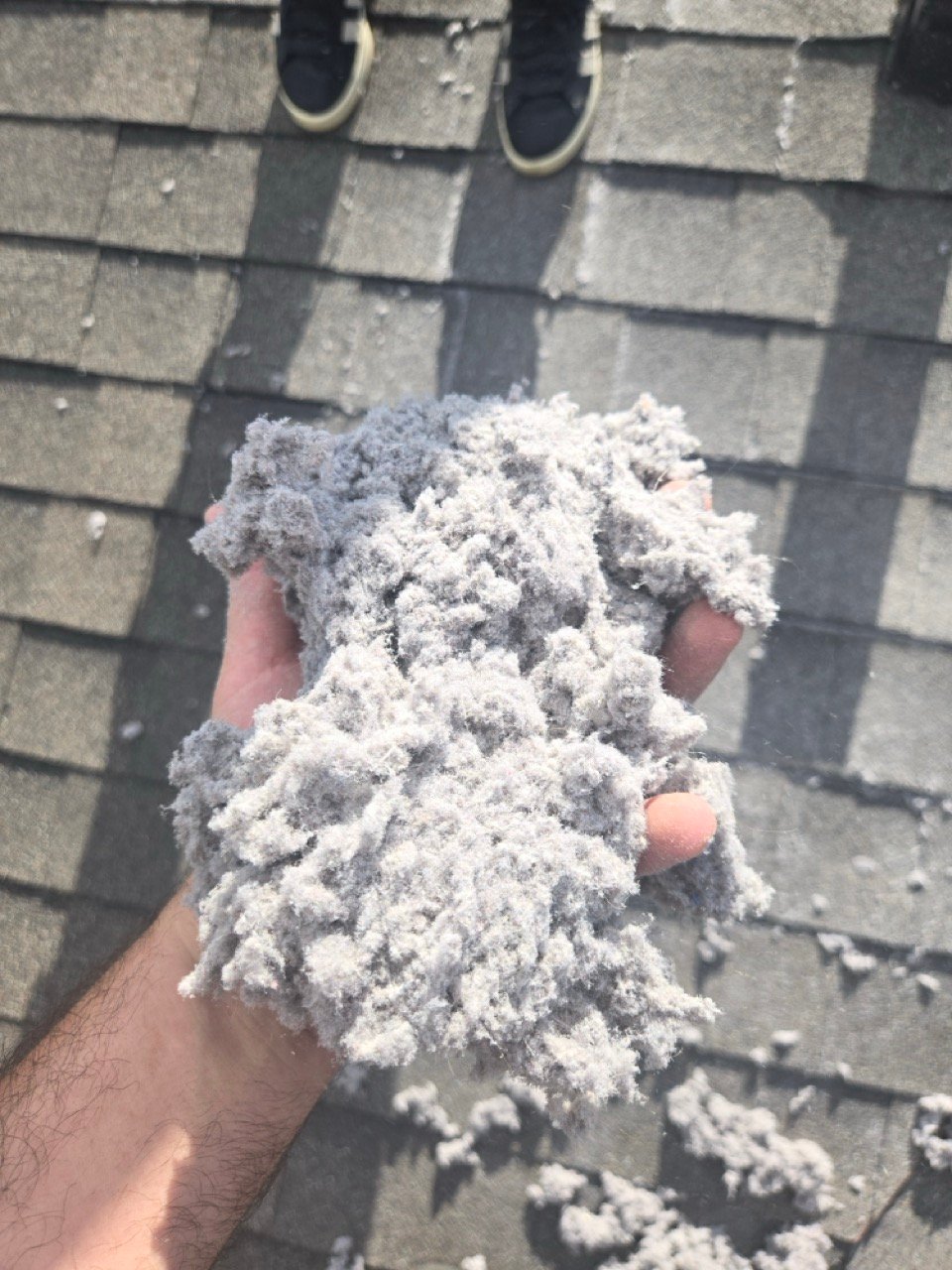
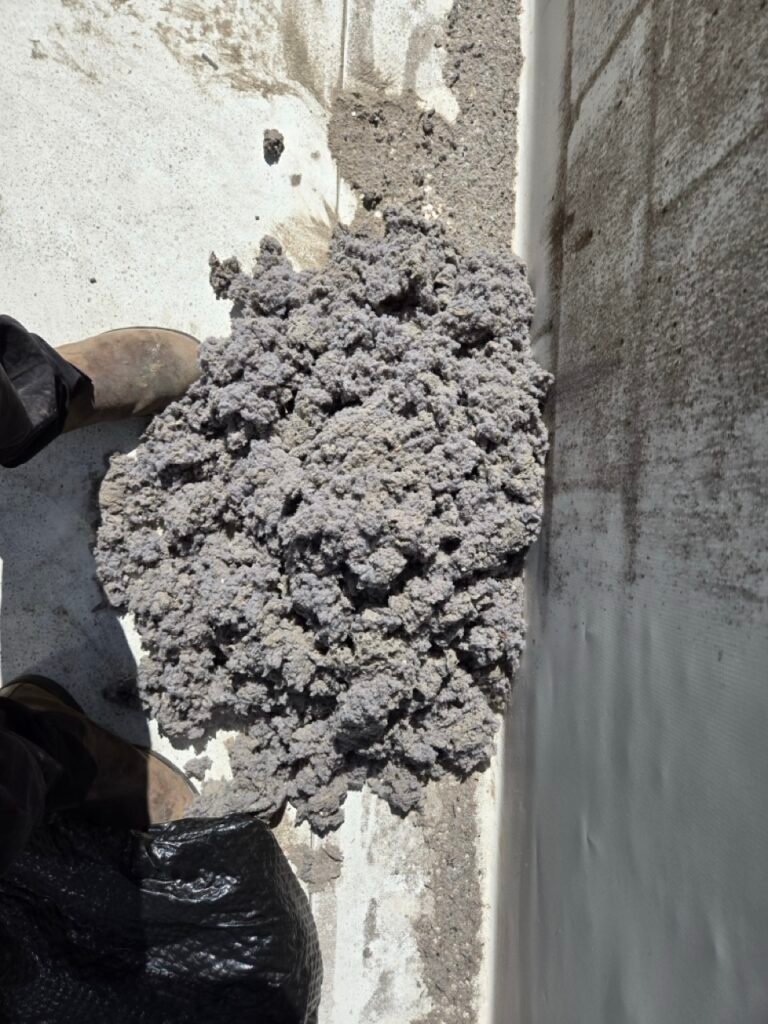
Even when the lint screen is cleaned regularly, fibers can still accumulate farther inside the ductwork.
Professional residential dryer vent cleaning in Wesley Chapel can help address accumulated debris in accessible exhaust systems while identifying conditions that may require further evaluation.
Why Can Townhome Layouts Make Dryer Vent Cleaning More Complicated?
The primary difference is not necessarily the size of the property. It is how the laundry area connects to the exterior exhaust termination.
In a detached home, a dryer may sit against an exterior wall and connect to a relatively short duct. Some townhomes have equally straightforward installations.
However, other townhomes place laundry equipment in interior closets, hallways, or upper-floor utility spaces.
Depending on the building design, the exhaust duct may travel through concealed walls or ceilings before reaching the exterior.
These arrangements can introduce several considerations:
- The exhaust route may not be visible from the laundry area.
- Access to the exterior termination may be limited.
- The duct may contain several changes in direction.
- Laundry closets may provide limited working space.
- Certain exterior areas may be subject to community maintenance or access rules.
None of these characteristics automatically means the dryer vent is clogged or improperly installed.
However, they can affect how the system should be inspected and maintained.
For homeowners who cannot easily identify their exhaust route, professional dryer vent cleaning services can provide an opportunity to discuss the layout and determine what service is appropriate.
How Do Second-Floor Laundry Rooms Affect Dryer Vent Maintenance?
A second-floor laundry room can be convenient because clothing does not need to be carried between levels. However, its location may also influence the dryer exhaust configuration.
Some upper-floor laundry areas connect to ducts that travel through ceilings, walls, or vertical spaces before terminating outdoors.
The exact route varies by property.
Consider a Wesley Chapel homeowner living in a two-story townhome with a washer and dryer inside an upstairs hallway closet.
For several months, the dryer handles ordinary loads without difficulty. Eventually, the homeowner notices that towels remain slightly damp after a normal drying cycle.
The lint screen is clean, and the dryer appears to heat normally.
Because the exhaust duct disappears behind the appliance, the homeowner cannot determine whether lint has accumulated farther along the route.
Restricted airflow is one possible explanation, but other factors, including load size, drying settings, or appliance problems, could also contribute.
In this situation, a professional evaluation can help determine whether the exhaust system needs cleaning or whether another issue should be investigated.
Homeowners should avoid attempting to access concealed ducts through ceilings or climbing onto elevated exterior areas.
When the laundry room is upstairs and the vent route is uncertain, residential dryer vent cleaning in Wesley Chapel may help address accumulated lint in portions of the system that cannot be reached through ordinary homeowner maintenance.
Why Does Exterior Vent Access Matter in Wesley Chapel Townhomes?
The exterior dryer vent termination allows warm, moisture-filled air to leave the home.
Its condition matters because an obstruction at the outlet can restrict airflow even when the duct near the dryer appears relatively clean.
In some townhomes, the termination is located on an accessible exterior wall. In others, it may be elevated or positioned where safe access requires specialized equipment.
Homeowners should not assume that every exterior vent opening belongs to their dryer, particularly in buildings with multiple utility exhaust outlets.
The U.S. Fire Administration’s clothes dryer safety guidance recommends checking that the outdoor exhaust vent is not blocked and that its covering opens when the dryer operates.
A safely accessible termination can be visually checked for obvious debris, damage, or restricted movement.
However, homeowners should not climb onto roofs, lean out of upper-story windows, or use unsafe ladders to inspect elevated terminations.
In a townhome community, certain exterior components may also fall under association maintenance rules or require permission before work is performed.
These responsibilities depend on the specific community’s governing documents rather than a universal rule for all townhomes.
Before scheduling service involving difficult exterior access, homeowners can contact a Wesley Chapel dryer vent cleaning provider to discuss the termination location and any access limitations.

Can Limited Laundry Closet Space Affect Dryer Vent Cleaning?
Yes. Compact laundry closets can make it more difficult to reach the transition connection and inspect the space behind the dryer.
A dryer may sit close to surrounding walls, shelving, doors, or other equipment, leaving little room to examine the exhaust connection.
When appliances are pushed into a tight space, flexible transition ducts can sometimes become compressed or sharply bent.
This can restrict airflow independently of lint accumulation.
For example, a townhome resident may notice longer drying times shortly after replacing an older dryer.
The new appliance may fit differently within the existing closet, causing the transition connection to become pinched when the dryer is moved into position.
In that case, cleaning the exhaust duct alone may not resolve the problem.
The connection may need to be repositioned or replaced with an appropriate component that meets the dryer’s installation instructions.
Homeowners should not force heavy appliances out of confined spaces or disconnect gas and electrical components without appropriate precautions and qualifications.
A professional can evaluate accessible connections and identify whether cleaning, adjustment, or additional repair work may be necessary.
For homeowners experiencing persistent drying problems in compact laundry areas, professional residential dryer vent cleaning and evaluation can help distinguish lint accumulation from visible connection problems.
For local business information and customer feedback, homeowners can also view the Superb Dryer Vent Cleaning Wesley Chapel Google Business reference.
How Do Concealed Dryer Vent Routes Affect Townhome Cleaning?
Concealed dryer vent routes can make maintenance more challenging because homeowners cannot easily see the condition of the entire exhaust system.
In some Wesley Chapel townhomes, the dryer exhaust duct passes through walls, ceilings, or other enclosed building spaces before reaching an exterior termination.
The duct may appear clean near the appliance while accumulated lint remains farther along the route.
This is why cleaning the lint screen and inspecting the visible transition connection cannot establish that the entire exhaust system is clear.
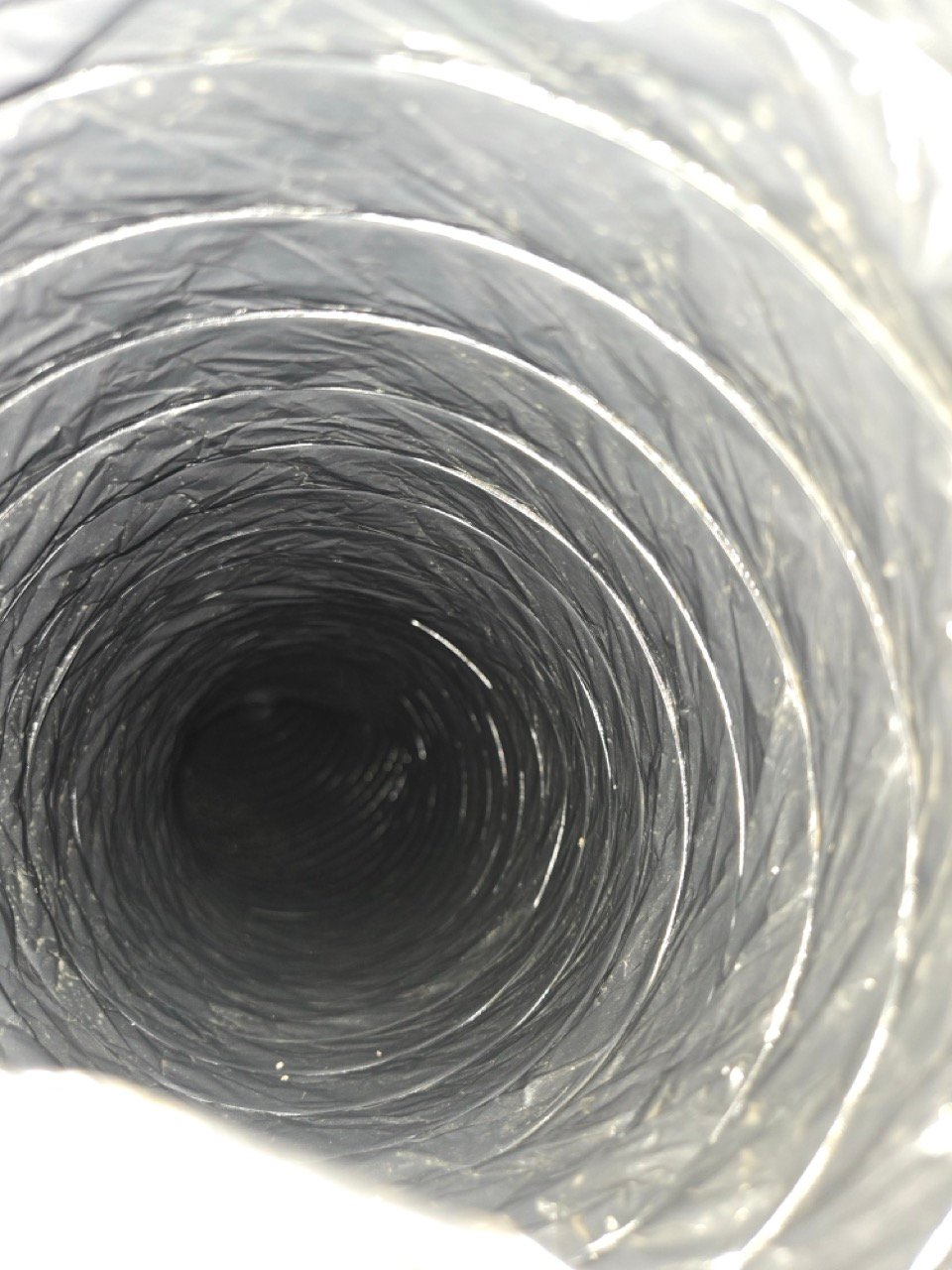
A professional cleaning approach considers the accessible exhaust path rather than focusing only on the area immediately behind the dryer.
Depending on the installation, specialized equipment may be used to remove lint from sections that cannot be reached through ordinary homeowner maintenance.
However, concealed ductwork should not be assumed to be defective simply because it is difficult to inspect.
The important considerations are whether the exhaust system is properly configured, whether airflow is adequate, and whether accumulated debris is restricting performance.
If the route cannot be fully accessed or its condition remains uncertain, additional inspection may be appropriate.
Homeowners can explore professional residential dryer vent cleaning in Wesley Chapel to discuss concealed ductwork and determine what maintenance options are available.
Do Shared Walls Mean Townhomes Have Shared Dryer Vent Systems?
Not necessarily. A townhome may share structural walls with neighboring properties while still having a separate dryer exhaust system.
In many residential configurations, individual clothes dryers are intended to exhaust directly outdoors through their own dedicated ducts.
However, homeowners should not assume the exact arrangement without reviewing the property’s installation or available building documentation.
A shared wall does not automatically mean that dryer exhaust air travels through a shared duct.
This distinction matters because maintenance responsibilities and cleaning methods depend on the actual system rather than the appearance of the building.
For example, two neighboring townhomes may have laundry rooms positioned against the same dividing wall.
Although the appliances are close together, each dryer may connect to a separate duct that terminates independently outdoors.
Alternatively, a building with an unusual or more complex exhaust arrangement may require specialized evaluation to establish whether the installation complies with applicable requirements.
Homeowners should avoid attempting to trace or modify concealed ductwork through shared walls themselves.
If the exhaust configuration is unclear, a qualified professional can help determine what information or additional inspection is needed.
For assistance with an individual residential exhaust system, homeowners can contact a local dryer vent cleaning provider and explain their townhome’s layout.
Why Might Townhome Dryer Vent Cleaning Require Coordination With Property Management?
Some townhome communities have homeowners associations or property management arrangements that establish rules for exterior maintenance, building access, or contractor activities.
These rules can affect how dryer vent cleaning is scheduled, particularly when the exterior termination is located in an area controlled or maintained by the association.
For example, a homeowner may have an accessible dryer connection inside the laundry closet, but the exterior termination could be located on an elevated wall facing a common landscaped area.
Accessing that location may require permission, coordination, or a contractor who can work safely around community property.
The exact responsibilities vary between communities.
Some associations may maintain certain exterior building components, while individual homeowners remain responsible for their appliances and associated exhaust systems. Other communities may assign responsibilities differently.
Homeowners should review their governing documents or ask the property manager before assuming that the association will arrange or pay for dryer vent cleaning.
When scheduling service, it can help to confirm whether contractor access, parking, equipment placement, or exterior work requires advance approval.
These considerations do not necessarily make the cleaning itself more complicated, but they can influence how the appointment is organized.
Homeowners who need to discuss access arrangements can contact Superb Dryer Vent Cleaning Wesley Chapel before scheduling service.
How Should Professionals Approach Dryer Vent Cleaning in Multi-Level Townhomes?
The appropriate cleaning method depends on the exhaust system’s configuration, accessibility, and condition.
A multi-level townhome may have a dryer located upstairs, downstairs, or within an interior laundry closet. Each arrangement can create different access considerations.
Before cleaning, a technician may need to identify the visible exhaust connection, determine the likely route, and establish where the duct terminates outdoors.
The technician may also examine accessible components for damage or conditions that could interfere with cleaning.
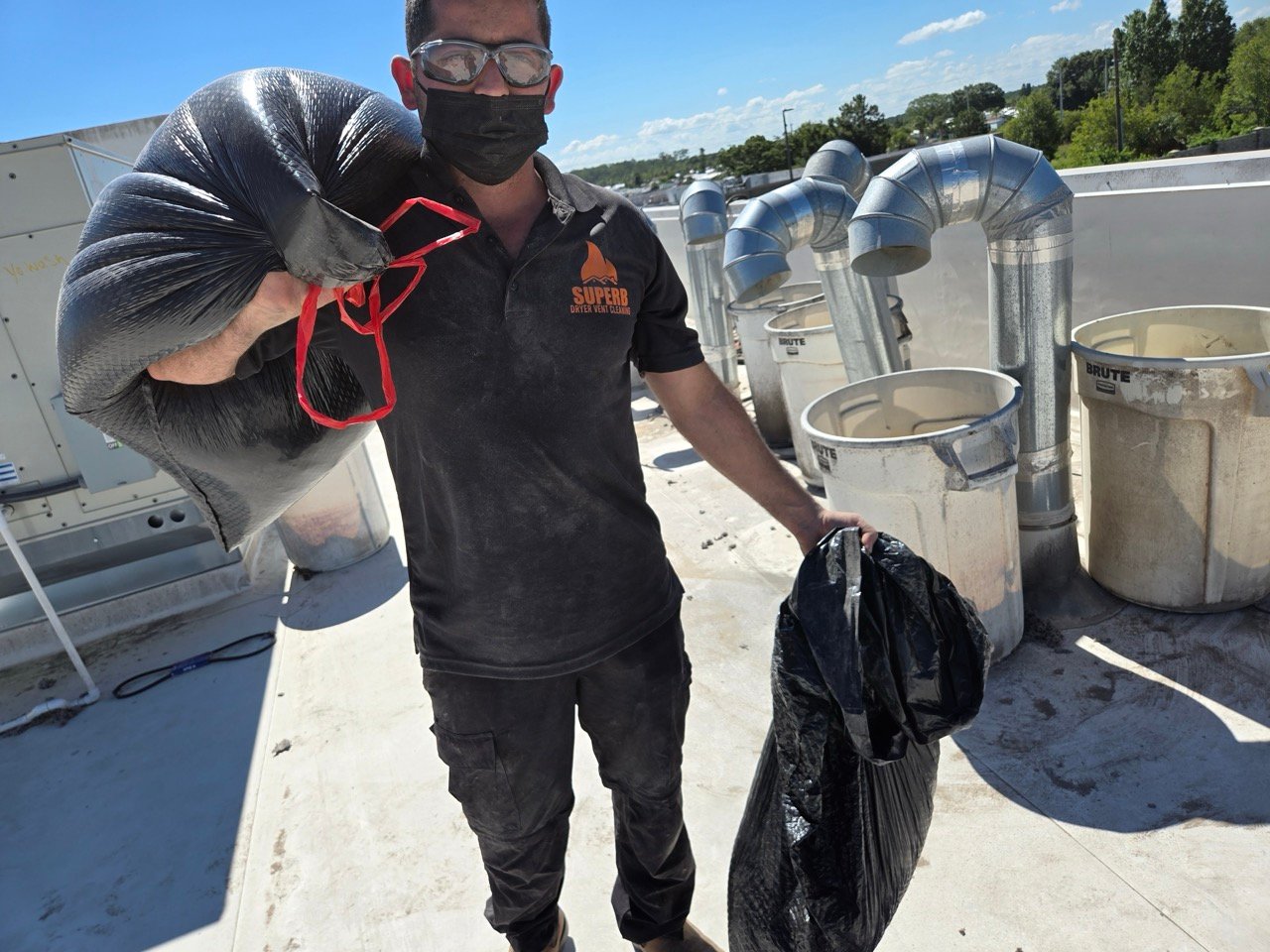
Depending on the system, appropriate brushes, flexible cleaning equipment, or vacuum collection methods may be used to remove accumulated lint.
For more complicated routes, it is important to use equipment that is suitable for the installed duct material and configuration.
The process should avoid damaging connections or forcing debris into inaccessible sections.
Professional service may involve:
- Reviewing the accessible dryer exhaust connection.
- Identifying the exterior termination when possible.
- Checking visible ductwork for damage or restrictions.
- Removing accumulated lint using suitable equipment.
- Examining accessible termination components for obstructions.
- Identifying remaining airflow concerns that may require further evaluation.
Not every service provider performs identical procedures, and some difficult installations may require additional access or specialized inspection.
The goal is to clean the accessible exhaust system appropriately while recognizing any conditions that cannot be corrected through lint removal alone.
Homeowners can learn more about residential dryer vent cleaning services in Wesley Chapel and ask what the service includes for multi-level properties.
Can Dryer Vent Cleaning Help Townhome Residents Avoid Repeated Drying Cycles?
Professional dryer vent cleaning may improve drying performance when accumulated lint is restricting the exhaust airflow.
A dryer needs to move moisture-filled air outdoors while clothing dries. When the exhaust system becomes restricted, that process may become less effective.
For example, a Wesley Chapel townhome resident may notice that everyday clothing dries normally, but heavier laundry loads increasingly require additional time.
If lint accumulation within the concealed exhaust duct is contributing to restricted airflow, removing that buildup may help restore more effective drying performance.
However, repeated cycles do not automatically mean the vent is clogged.
Other possible causes include oversized loads, inappropriate dryer settings, excessively wet clothing, appliance heating problems, or a crushed transition connection.
The Whirlpool dryer venting guidance identifies exhaust restrictions as one potential cause of longer drying times and explains the importance of proper vent configuration.
Homeowners should consider whether drying performance has changed over time and whether the problem affects ordinary loads.
If the dryer consistently requires additional cycles, professional dryer vent cleaning and evaluation can help determine whether accumulated lint is contributing to the problem.
What Dryer Vent Warning Signs Should Wesley Chapel Townhome Owners Watch For?
Townhome owners should pay attention to changes in dryer performance, especially when the exhaust duct travels through concealed areas that are difficult to inspect.
One of the most noticeable warning signs is a gradual increase in drying time. A load that previously dried during a normal cycle may begin requiring additional time.
However, longer drying cycles do not automatically confirm that the vent is clogged.
Other signs that deserve attention include:
- Clothing remaining damp after an appropriate drying cycle.
- The dryer or laundry area becoming unusually hot.
- Weak exhaust airflow at a safely accessible exterior termination.
- A visible transition duct that appears crushed or sharply bent.
- An exterior vent covering that does not open normally.
- A persistent burning smell or unusual appliance behavior.
If a burning smell, smoke, or other indication of overheating occurs, stop using the dryer and arrange appropriate professional evaluation before operating it again.
For less urgent performance changes, homeowners can begin by checking the lint screen, load size, and drying settings.
If the symptoms continue, the exhaust system and appliance may need further evaluation.
Because some townhomes have elevated or concealed exhaust routes, homeowners should avoid attempting to inspect inaccessible sections themselves.
A professional residential dryer vent cleaning service can help address accumulated lint when restricted airflow is suspected.
How Often Should Dryer Vents Be Cleaned in Wesley Chapel Townhomes?
There is no separate universal cleaning schedule that applies to every townhome simply because of its building style.
The U.S. Fire Administration recommends having dryer vent ducts cleaned annually. Homeowners should also follow applicable dryer manufacturer instructions and consider their individual laundry habits and exhaust configuration.
For example, a household that operates the dryer several times daily may notice changes in performance sooner than a household that uses it only a few times each week.
The maintenance history also matters.
A homeowner who recently moved into a townhome may not know when the dryer vent was last cleaned. In that situation, evaluating the system can help establish a maintenance baseline.
A concealed exhaust route does not automatically mean the duct requires cleaning every few months.
Instead, homeowners should consider:
- The last known professional cleaning date.
- The amount of laundry regularly dried.
- Changes in normal drying times.
- The condition of accessible exhaust components.
- Any previous airflow or installation problems.
- Manufacturer recommendations for the appliance.
Keeping a record of cleaning appointments can make future maintenance decisions easier.
For townhome residents who want to establish a routine, residential dryer vent cleaning in Wesley Chapel can be part of an organized home maintenance plan.
What Can Townhome Residents Safely Check Between Professional Cleanings?
Homeowners can perform several basic maintenance checks without opening walls, accessing elevated exterior areas, or dismantling the exhaust system.
The most important routine task is cleaning the lint screen before or after each laundry load, as recommended by the U.S. Fire Administration.
A clean lint screen helps maintain proper appliance airflow, although it does not establish that the entire exhaust duct is clear.
Residents can also observe whether normal laundry loads dry within their usual time and whether the dryer operates without unusual heat or odors.
If the transition duct behind the appliance is safely visible, look for obvious crushing, damage, or sharp bends.
However, avoid forcing a heavy dryer out of a tight laundry closet or disconnecting electrical or gas connections without appropriate qualifications.
If the exterior termination is accessible from ground level, homeowners may visually check for obvious obstructions and whether the covering functions normally during operation.
Do not climb onto roofs, lean out of upstairs windows, or enter restricted community areas to inspect the exhaust outlet.
These simple checks can help identify potential concerns, but they cannot replace professional evaluation of concealed ductwork.
When signs of restricted airflow persist, homeowners can request information about professional dryer vent cleaning rather than attempting difficult cleaning procedures themselves.
Can Townhome Dryer Vent Cleaning Help Maintain Energy Efficiency?
Professional dryer vent cleaning may support more efficient dryer operation when accumulated lint is restricting the exhaust system.
A dryer depends on adequate airflow to remove moisture from clothing. If the duct becomes obstructed, the appliance may require longer operating times to dry ordinary loads.
Removing lint-related restrictions can help restore more effective exhaust airflow.
For example, a townhome resident might notice that everyday laundry begins requiring two cycles instead of one.
If the additional drying time is caused by accumulated lint, cleaning the duct may help reduce unnecessary operation.
However, dryer vent cleaning does not guarantee lower utility bills or a particular improvement in energy consumption.
Drying performance also depends on appliance condition, load size, selected settings, and the moisture remaining in clothing after washing.
Townhome residents should avoid assuming that every increase in electricity usage is related to the dryer vent.
Instead, cleaning should be viewed as one part of proper appliance and exhaust system maintenance.
For homeowners concerned about lint-related airflow restrictions, professional dryer vent cleaning services in Wesley Chapel can help address accumulated debris within the residential exhaust system.
What Should Wesley Chapel Townhome Owners Know Before Scheduling Dryer Vent Cleaning?
Before scheduling a cleaning appointment, townhome owners should gather a few basic details about the laundry area and the property’s exhaust system.
This information can help the service provider understand potential access limitations and determine whether additional preparation may be necessary.
Start by identifying whether the dryer is located upstairs, downstairs, or inside a compact laundry closet.
If possible, determine whether the exterior termination is visible from a safely accessible location. Do not attempt to trace concealed ductwork by opening building surfaces.
Homeowners should also consider whether the property has HOA or property management requirements affecting exterior access.
Useful questions to ask before scheduling include:
- Does the provider service multi-level townhomes?
- Can the technician work with concealed or elevated exhaust routes?
- What parts of the dryer vent system are included in the cleaning?
- Will accessible exterior termination components be evaluated?
- Is additional equipment required for difficult access?
- What happens if damaged ductwork or an installation issue is discovered?
- Does the HOA require advance notice or contractor approval?
Homeowners should confirm any association requirements directly with their community management because maintenance responsibilities vary.
It is also helpful to explain any symptoms, such as longer drying times, unusual heat, or weak exterior airflow.
The most appropriate service approach depends on the actual exhaust configuration rather than the townhome label alone.
For local homeowners, Superb Dryer Vent Cleaning Wesley Chapel provides information about residential dryer vent cleaning. Residents can explore the residential dryer vent cleaning service or contact the company to discuss their townhome’s layout and access requirements.
Ultimately, townhome dryer vent maintenance is about understanding the property’s specific exhaust system.
A compact laundry closet, second-floor installation, or concealed duct route may require additional planning, but these features do not automatically indicate a problem.
By maintaining accessible components, monitoring dryer performance, and arranging appropriate professional service when needed, Wesley Chapel townhome owners can make more informed decisions about their dryer exhaust systems.
Frequently Asked Questions About Dryer Vent Cleaning in Wesley Chapel Townhomes
Do townhomes need a different dryer vent cleaning approach than single-family homes?
Sometimes. The cleaning approach depends on the dryer exhaust configuration rather than the type of home alone. Some townhomes have compact laundry closets, upper-floor appliances, concealed ducts, or elevated exterior terminations that require additional planning. Other townhomes have simple, accessible exhaust systems similar to those in detached houses. A professional should consider the duct route, accessibility, and condition before selecting an appropriate cleaning method.
How often should dryer vents be cleaned in Wesley Chapel townhomes?
The U.S. Fire Administration recommends annual dryer vent duct cleaning. Townhome owners should also follow applicable manufacturer guidance and pay attention to their laundry usage, maintenance history, and dryer performance. A concealed or longer exhaust route does not automatically require cleaning every few months. However, persistent drying problems, unusual heat, or suspected airflow restrictions may justify professional evaluation before the next scheduled maintenance appointment.
Can dryer vents in two neighboring townhomes be connected?
Shared walls do not necessarily mean neighboring dryers use a shared exhaust duct. Individual residential dryers commonly have separate exhaust routes that terminate outdoors. The actual configuration depends on the building’s design and installation. Homeowners should not assume that an exhaust outlet serves their appliance without confirming the route. If the arrangement is unclear or appears unusual, a qualified professional can determine whether further inspection is necessary.
Is dryer vent cleaning more difficult when the laundry room is upstairs?
It can be. An upstairs laundry room may connect to a concealed duct that travels through walls, ceilings, or vertical spaces before reaching the exterior. The termination may also be elevated or difficult to access safely. However, not every second-floor laundry installation is complicated. The appropriate cleaning approach depends on the actual duct configuration. Homeowners should avoid climbing onto roofs or attempting to open concealed building surfaces themselves.
Who is responsible for dryer vent cleaning in an HOA townhome community?
Responsibility depends on the community’s governing documents and the location of the exhaust components. Some associations establish rules for exterior access or maintain certain building elements, while individual homeowners may be responsible for appliances and associated exhaust systems. There is no universal rule that applies to every Wesley Chapel HOA community. Homeowners should review their association documents or contact property management before assuming who must arrange or pay for service.
Can professional dryer vent cleaning improve drying performance in a townhome?
Yes, when accumulated lint is restricting exhaust airflow. Removing that buildup may help the dryer release moisture-filled air more effectively and reduce unnecessary drying time. However, longer cycles can also result from oversized loads, incorrect settings, a crushed transition connection, or appliance problems. Professional residential dryer vent cleaning can address lint accumulation, but it cannot correct every mechanical or installation issue.
What if my townhome’s exterior dryer vent is difficult to reach?
Avoid attempting to access elevated terminations through unsafe ladders, upstairs windows, or roof climbing. Tell the service provider where the termination appears to be located and whether it can be accessed from community property. Specialized equipment or additional coordination may be required. If the exterior area is controlled by an HOA, confirm any access or contractor requirements before the appointment. You can contact a Wesley Chapel dryer vent cleaning provider to discuss these limitations.
Can a clean lint screen mean my townhome’s dryer vent is clear?
No. The lint screen captures much of the lint produced during drying, but some fibers can pass through and accumulate in the exhaust duct. This is particularly difficult to observe when the duct travels through concealed walls or ceilings. Cleaning the lint screen regularly is important, but it does not establish the condition of the entire vent. If drying performance declines or the maintenance history is unknown, further evaluation may be appropriate.
What warning signs suggest a townhome dryer vent needs attention?
Common warning signs include consistently longer drying times, clothing remaining damp, unusual heat around the appliance, weak airflow at a safely accessible exterior outlet, or a visibly damaged transition duct. These symptoms can indicate restricted airflow but do not confirm a lint blockage. Appliance problems and laundry habits can produce similar results. If the dryer develops a burning smell, smoke, or signs of overheating, stop using it and arrange appropriate professional evaluation.
What should I ask before scheduling dryer vent cleaning in Wesley Chapel?
Ask whether the provider has experience with multi-level townhomes, concealed ductwork, compact laundry areas, and difficult exterior termination access. Confirm what the service includes and whether accessible exterior components will be checked. You should also mention any HOA requirements, known drying problems, or previous repairs. If the exhaust system has damaged or inaccessible sections, ask how those conditions will be evaluated and whether a separate qualified contractor may be needed.
Keep Your Wesley Chapel Townhome’s Dryer Vent Properly Maintained
Every townhome has its own laundry room layout and exhaust configuration. Understanding those differences can help homeowners plan appropriate cleaning and maintenance without assuming that every concealed or elevated vent is problematic.
If you have questions about your townhome’s dryer exhaust system, contact Superb Dryer Vent Cleaning Wesley Chapel to discuss residential dryer vent cleaning and your property’s access requirements.