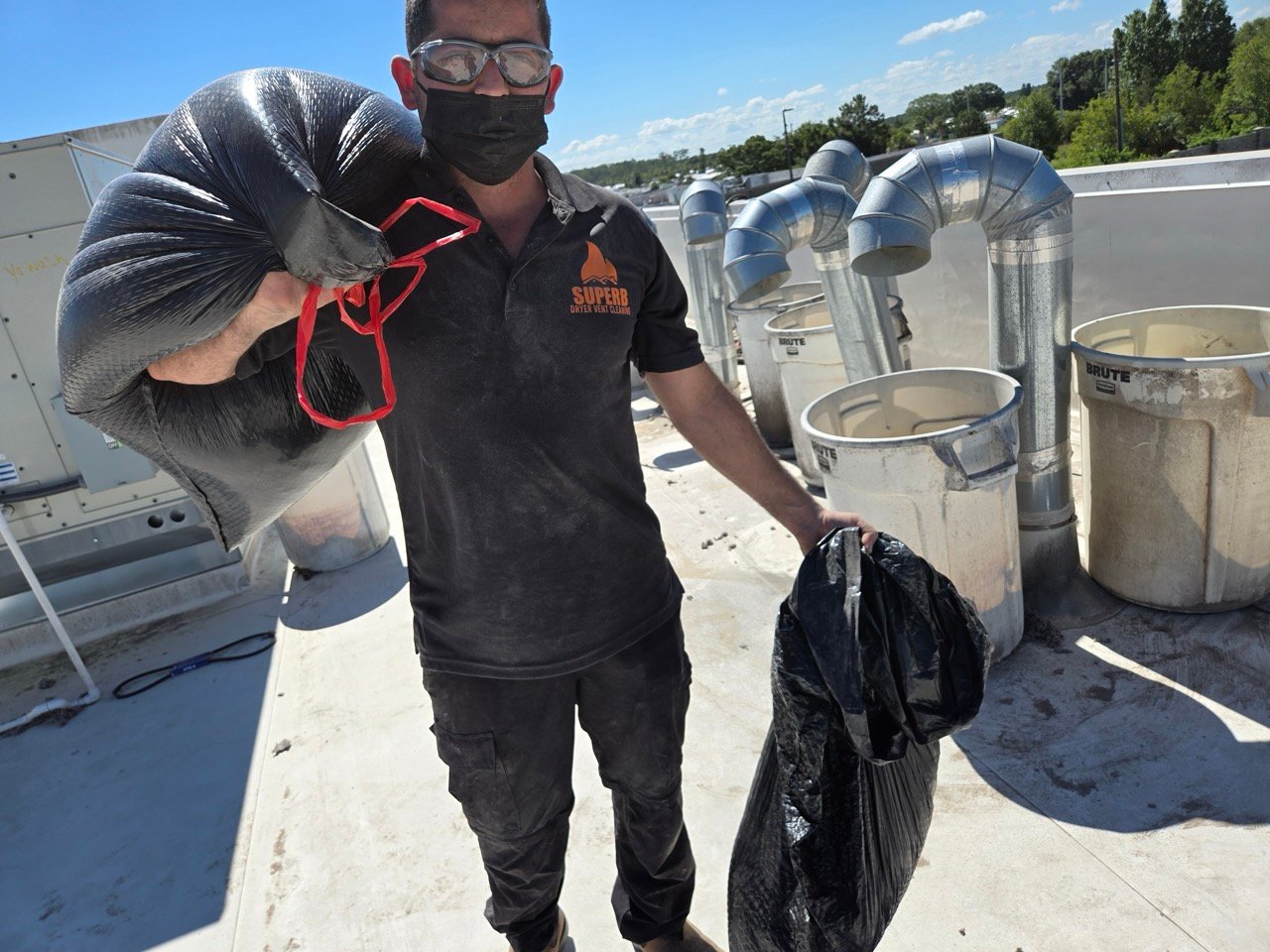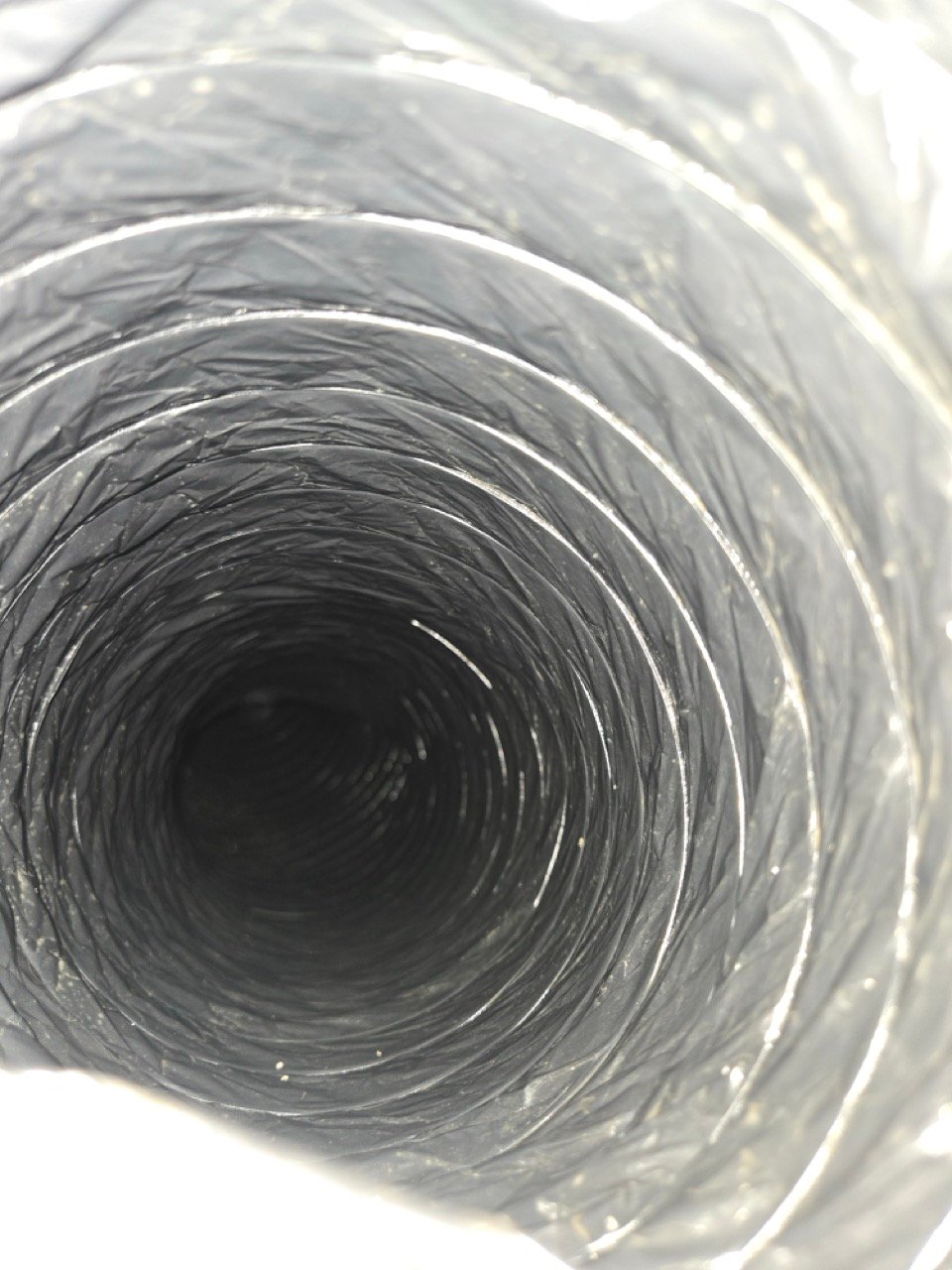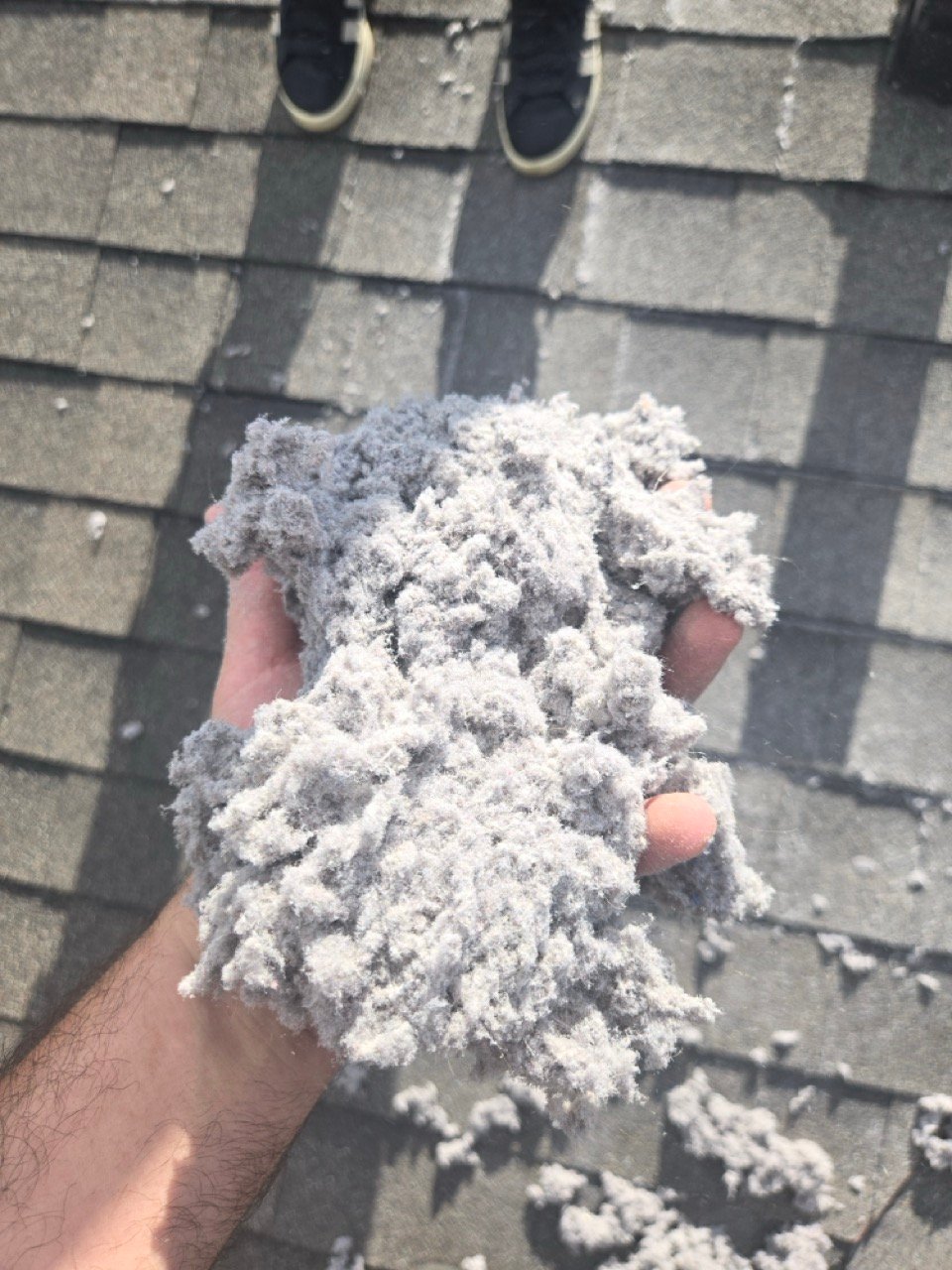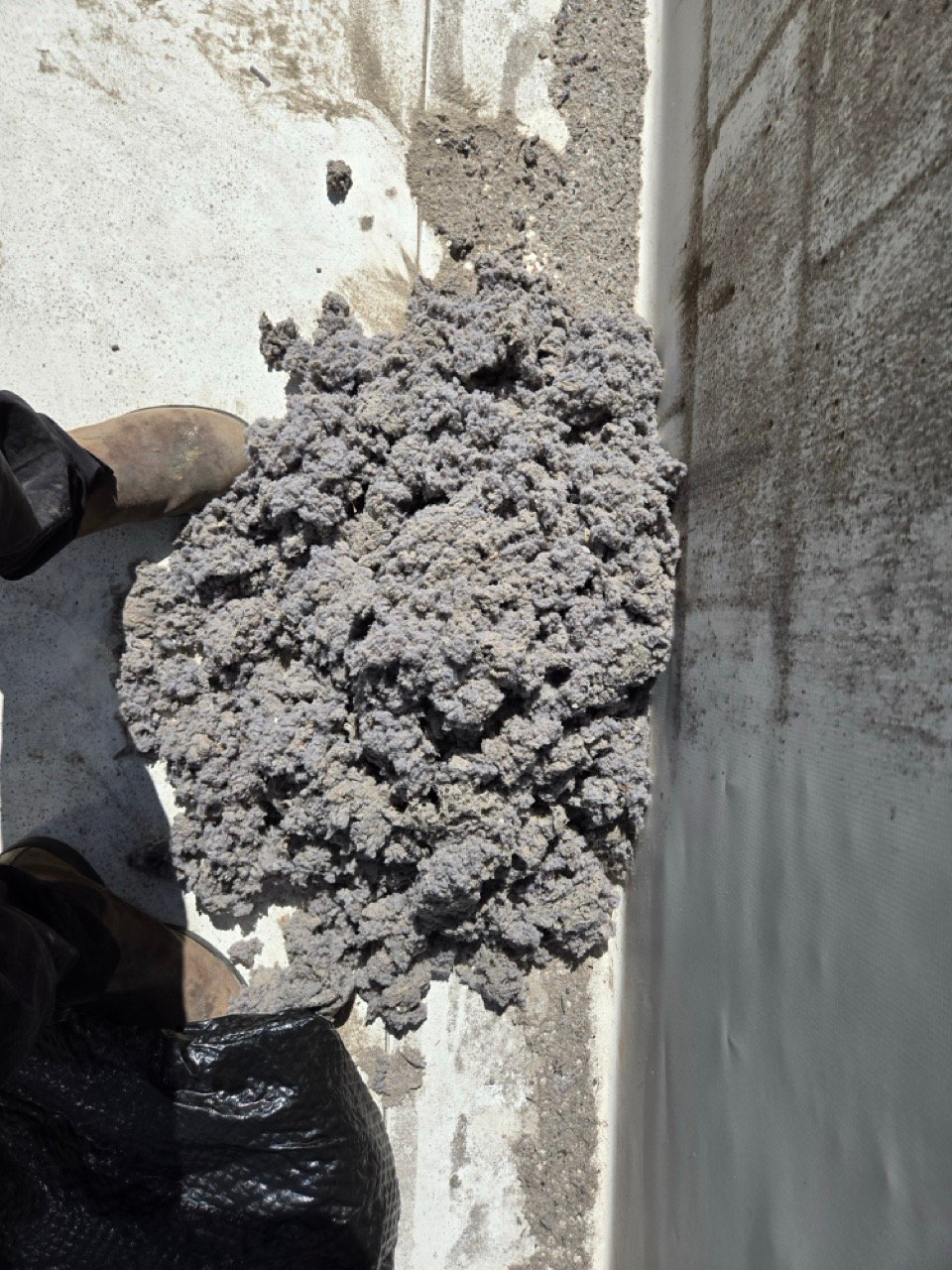
Living with dogs or cats often means more hair on clothing, blankets, bedding, towels, and other washable fabrics. Once those items enter the laundry routine, pet hair can mix with ordinary fabric lint and other debris.
The dryer’s lint screen captures much of the material released during a cycle, but it does not guarantee that everything stays out of the exhaust system. Fine fibers and debris can move beyond the filter and accumulate farther along the vent over time.
Pet ownership does not automatically mean a dryer vent is clogged or that every household with pets needs unusually frequent cleaning. Laundry volume, the amount of hair carried on fabrics, vent configuration, dryer use, and maintenance history all influence how the system performs.
Consider a household that regularly washes pet blankets, washable dog-bed covers, towels, and everyday clothing. The lint screen may fill more noticeably after those loads. Months later, normal laundry begins taking longer to dry. That change should not automatically be blamed on pet hair, but the combination of frequent laundry, lint production, and changing airflow makes the exhaust system worth evaluating.
When lint and debris may be accumulating beyond normal homeowner access, professional residential dryer vent cleaning can address the complete exhaust route rather than only the lint screen.
Does Pet Hair Actually Enter the Dryer Vent?
Pet hair can travel through the laundry process on clothing, bedding, towels, blankets, and other fabrics. During drying, tumbling and airflow separate loose material from those items.
Some debris is captured by the lint filter. However, a lint screen is not the same thing as cleaning the exhaust duct. The U.S. Fire Administration recommends cleaning the lint filter before and after each load and having dryer vent ductwork cleaned annually.
Pet hair should also be considered alongside ordinary fabric lint. Cotton towels, fleece blankets, bedding, and other textiles can release fibers during drying, so the material collected after a household load may be a mixture rather than pet hair alone.
A lint screen that becomes noticeably covered after pet bedding is dried is useful information. It shows that the load is releasing material, but it does not tell you how much, if any, has accumulated farther inside the exhaust route.
If drying performance also begins changing, having the residential dryer vent system evaluated can help determine whether airflow restriction is contributing.
Why Can Pet Bedding Produce So Much Lint and Debris?
Pet bedding can be demanding laundry. Blankets, removable bed covers, towels used after baths, and washable furniture covers may collect hair, loose fibers, dust, and other debris between washes.
Once those items are placed in a dryer, tumbling can release some of that material. Thick fabrics may also retain considerable moisture, which can make drying time naturally longer than it is for lightweight clothing.
This distinction matters when diagnosing a dryer problem.
Imagine a large dog blanket requiring more time to dry than a small load of shirts. That difference alone does not demonstrate restricted airflow. The blanket is heavier, may contain more moisture, and can reduce tumbling when the dryer is heavily loaded.
A more meaningful warning sign is when comparable loads begin taking noticeably longer than they did previously.
Pet owners who regularly wash bulky bedding should avoid assuming every slow cycle means the vent needs cleaning. Use properly sized loads first, then compare performance over time. If normal loads are also becoming slower, explore professional dryer vent cleaning services to evaluate whether lint buildup is part of the problem.
Can Pet Hair and Lint Reduce Dryer Vent Airflow?
Lint and other debris accumulating within dryer exhaust ductwork can restrict the movement of exhaust air. The dryer then has a harder time moving warm, moisture-filled air out of the appliance and through the exterior termination.
Pet hair may contribute to the material entering the laundry system, but it is more accurate to think about the combined buildup of lint, fibers, hair, and other debris rather than treating pet hair as a separate type of vent blockage.
Possible signs of restricted airflow can include longer drying cycles, clothes remaining damp, unusual heat, or weak exhaust at an accessible exterior termination.
These symptoms still require balanced diagnosis. An oversized load, excessively wet laundry from the washer, incorrect settings, a crushed transition duct, or an appliance problem can produce similar results.
If normal loads repeatedly show declining performance, schedule a dryer vent airflow evaluation rather than assuming pet hair is automatically responsible.
Does Cleaning the Lint Screen Remove the Pet Hair Problem?
Cleaning the lint screen is one of the most important routine tasks a homeowner can perform, especially when drying items that release substantial lint or hair.
However, the lint screen and exhaust vent are different parts of the system. Removing material from the filter does not remove lint that has already traveled into the exhaust duct.
Check the screen after loads such as pet blankets, bedding, towels, and washable covers. If it is heavily coated, clean it before running another cycle. Keeping the screen clear helps the dryer maintain airflow through the appliance.
A clean lint screen should not be used as proof that the complete exhaust route is clean. If drying times continue increasing despite good lint-filter habits, professional cleaning of the residential dryer vent can address buildup beyond the filter.
The Superb Dryer Vent Cleaning Wesley Chapel business authority reference provides additional verification of the company’s local presence and service information.
Do Pet Owners Need Dryer Vent Cleaning More Often?
Owning a pet does not automatically create a specific dryer vent cleaning schedule. A household with one short-haired pet and light laundry use may have very different conditions from a home with several shedding animals and frequent loads of blankets, towels, and washable covers.
The U.S. Fire Administration recommends cleaning dryer vent ductwork annually. Between routine cleanings, homeowners can pay attention to changes in drying performance rather than relying only on the calendar.
A household that frequently dries pet bedding may notice that the lint screen collects substantially more material after those loads. That does not prove the exhaust duct is filling at the same rate, but it is a useful reminder that the laundry routine is generating considerable lint and debris.
If normal loads begin taking longer or airflow at an accessible exterior termination becomes noticeably weaker, professional residential dryer vent cleaning may be appropriate before the next planned maintenance interval.
Should You Remove Pet Hair Before Washing and Drying Bedding?
Removing loose hair from heavily covered fabrics before they enter the laundry can reduce the amount of material moving through the washer and dryer.
For washable pet blankets, bed covers, or furniture throws, shaking the item outdoors or using an appropriate fabric-safe method to remove loose hair can be useful before washing. Always follow the item’s care instructions.
This is especially practical for bedding that has collected visible clumps of hair. Sending all of that loose material directly through the laundry equipment creates unnecessary debris for the washer and dryer to handle.
It is still important to clean the dryer’s lint screen as recommended. Pre-removing visible hair does not replace normal dryer maintenance, and it does not clean material already inside the exhaust system.
If you regularly process hair-covered bedding and notice declining dryer performance, review residential dryer vent cleaning options rather than relying only on pre-laundry hair removal.
Can Large Pet Bedding Make It Seem Like the Vent Is Clogged?
Yes. Bulky pet bedding can sometimes create symptoms that resemble an airflow problem even when the exhaust vent is not significantly restricted.
A large blanket or thick washable bed cover may retain more water than everyday clothing. If the dryer is packed too tightly, the item may also have insufficient room to tumble effectively. Both conditions can extend drying time.
For example, imagine that a thick pet-bed cover requires two cycles while ordinary clothing still dries normally. In that situation, the load itself deserves attention before concluding that the vent is clogged.
Try an appropriately sized load and check how wet the item is after the washer’s final spin. If only unusually bulky loads are slow, the exhaust vent may not be the primary issue.
If towels, shirts, bedding, and other normal loads all begin taking longer than before, the pattern is more meaningful. At that point, schedule a professional dryer vent airflow evaluation to investigate whether exhaust restriction is contributing.
What Warning Signs Should Pet Owners Watch For?
Pet owners should watch for the same dryer performance changes as any household, while paying particular attention when laundry volume is high.
Useful warning signs include:
- Normal loads consistently taking longer to dry
- Clothes or bedding remaining damp after an expected cycle
- Unusual heat around the dryer or laundry area
- A lint screen becoming heavily covered during certain loads
- Weak exhaust at a safely accessible exterior outlet
- An exterior vent covering that does not open normally
- Dryer vent or airflow warnings on models equipped with those features
A heavily covered lint screen by itself does not prove that the duct is clogged. It may simply reflect the type of laundry being dried.
The stronger reason to investigate is a consistent change in performance, particularly across ordinary loads.
When those symptoms persist after checking load size, settings, and the lint screen, professional dryer vent service can help determine whether lint accumulation deeper in the system needs attention.
Can Pet Hair Affect the Exterior Dryer Vent?
Material that passes through the dryer exhaust system ultimately travels toward the exterior termination. Lint and other debris can sometimes become visible around an accessible exterior vent.
The exterior outlet also needs to open properly so exhaust can leave the building. The U.S. Fire Administration recommends making sure the outdoor vent covering opens when the dryer operates.
If the outlet is safely accessible from ground level, homeowners can observe it while the dryer is running. Look for obvious lint accumulation and whether the covering operates normally.
Do not insert tools deep into the duct, remove components you are unfamiliar with, or climb onto a roof to reach a difficult termination.
If the exterior vent appears obstructed or airflow seems unusually weak, contact a dryer vent professional for further evaluation. Cleaning only the visible opening may not address buildup elsewhere in the exhaust route.
Can Pet Hair Combine With Other Debris Inside the Vent?
Yes. Material inside a dryer vent should not always be thought of as pure fabric lint. Depending on what a household washes and dries, the exhaust system may receive a mixture of textile fibers, pet hair, dust, and other small debris that passes beyond the lint screen.
For pet-owning households, this is particularly relevant when washable blankets, furniture covers, towels, and bedding regularly enter the laundry routine.
The condition of the vent also matters. A properly installed smooth metal exhaust route is different from damaged, crushed, or otherwise unsuitable venting. Cleaning can remove accumulated lint and debris, but it cannot repair a physical duct problem that continues to affect airflow.
If buildup is suspected deeper inside the system, professional residential dryer vent cleaning can address sections beyond normal homeowner access while allowing other airflow problems to be identified separately.
What Can Pet Owners Safely Check at Home?
A few simple observations can help determine whether a dryer performance change deserves further attention.
Start with the lint screen. Clean it regularly and pay attention to whether certain pet-related loads produce considerably more lint and hair than ordinary clothing.
Next, consider the load itself. Avoid packing the dryer so tightly that blankets or bedding cannot tumble normally. Check whether laundry is unusually wet when it comes out of the washer, since poor water extraction can substantially increase drying time.
If the transition connection behind the dryer is safely visible, look for an obvious crush or sharp kink. At a safely accessible exterior termination, observe whether the covering opens while the dryer operates and whether airflow seems noticeably weaker than usual.
These checks do not require opening the appliance or reaching concealed ductwork. Avoid disconnecting gas or electrical connections, inserting improvised tools deep into the vent, or climbing onto a roof.
When basic checks do not explain the problem, schedule a professional dryer vent assessment rather than attempting unsafe access.
When Might the Dryer Be the Problem Instead of the Vent?
Long drying times are not always caused by lint buildup.
If the vent is clear and airflow is adequate, the dryer itself may need attention. Heating components, temperature controls, moisture sensors, motors, or other appliance systems can affect drying performance. Incorrect settings can also extend cycle times.
The washer deserves consideration as well. Laundry entering the dryer excessively wet after an inadequate spin cycle naturally requires more time to dry.
This distinction is particularly useful for pet owners because thick blankets and bed covers can already require longer cycles. If lightweight clothing dries normally but one heavy pet blanket does not, the vent should not automatically be blamed.
If several properly sized loads consistently take longer and exterior airflow appears weaker, having the residential dryer vent evaluated is reasonable. If airflow is confirmed to be normal, qualified appliance service may be the more appropriate next step.
How Can Pet Owners Reduce the Amount of Hair Entering the Laundry?
No household with shedding pets will eliminate hair completely, but practical laundry habits can reduce the amount entering each load.
Remove obvious loose hair from heavily covered blankets and washable bedding before placing them in the washer. Avoid overloading either appliance, and follow the fabric manufacturer’s care instructions.
Cleaning the lint screen consistently is particularly important after loads that release substantial material. If the screen becomes heavily coated during one cycle, remove the accumulated lint before running another load.
These habits support normal dryer operation, but they should not be presented as a substitute for exhaust-system maintenance. Hair and lint that have already passed beyond the filter will not be removed by cleaning the screen afterward.
For buildup deeper in the exhaust route, professional dryer vent cleaning services can address areas homeowners cannot normally reach.
What Should Pet Owners Do When Dryer Airflow Starts Changing?
Start with the simplest variables. Clean the lint screen, use a normal-sized load, confirm the correct dryer setting, and check whether the washer is leaving laundry unusually wet.
Then inspect only what can be reached safely. Look for an obviously crushed transition connection and observe an accessible exterior termination while the dryer runs.
If normal loads continue taking longer, clothes remain damp, or exhaust airflow appears weaker than before, the complete vent route deserves attention.
For households that regularly wash pet bedding, blankets, towels, and hair-covered fabrics, professional residential dryer vent cleaning can address lint and debris that have traveled beyond the lint screen. Homeowners can also review available dryer vent services when the cause of poor airflow is uncertain.
If symptoms continue or the exhaust route cannot be safely evaluated, schedule a dryer vent airflow assessment rather than assuming pet hair alone is responsible.
The Superb Dryer Vent Cleaning Wesley Chapel business authority reference provides additional verification of the company’s local business presence and service information.
Frequently Asked Questions
Does pet hair clog dryer vents?
Pet hair can enter the laundry system on clothing, blankets, bedding, and towels. Some material is captured by the lint screen, while fine fibers and debris can travel farther into the exhaust system. Pet hair alone should not automatically be blamed for a clogged vent. Buildup may contain a combination of fabric lint, hair, dust, and other debris. If normal drying times increase or airflow becomes weaker, professional residential dryer vent cleaning may be appropriate.
Should pet owners clean dryer vents more often?
Pet ownership alone does not establish a special cleaning schedule. The U.S. Fire Administration recommends cleaning dryer vent ductwork annually. Between routine cleanings, consider laundry frequency, the amount of lint produced, vent configuration, and changes in dryer performance. A household frequently washing pet bedding may generate more lint and hair than one with lighter laundry use, so monitoring airflow and drying times is more useful than assuming every pet owner needs the same schedule.
Why does my lint screen fill faster after drying pet bedding?
Pet blankets, bed covers, towels, and similar fabrics can carry loose hair while also releasing their own textile fibers during drying. This combination can result in noticeably more material on the lint screen. A heavily covered filter after one load does not prove the exhaust duct is clogged. Clean the screen before the next cycle and monitor whether ordinary loads continue drying normally.
Should I remove pet hair before washing blankets?
Removing obvious loose hair before washing heavily covered pet blankets or bedding can reduce the amount of material entering the laundry equipment. Shaking appropriate items outdoors or using a fabric-safe hair-removal method can help. Always follow the item’s care instructions. This is a useful laundry habit, but it does not replace lint-screen cleaning or remove debris that has already accumulated inside the dryer exhaust duct.
Why do pet blankets take longer to dry?
Thick pet blankets can hold considerably more moisture than lightweight clothing and may require additional drying time even when dryer vent airflow is normal. Overloading can make the problem worse by preventing effective tumbling. Compare performance with appropriately sized loads. If only bulky bedding dries slowly, the load may be responsible. If ordinary clothing and towels also start taking longer, having the dryer vent airflow evaluated becomes more reasonable.
Does cleaning the lint filter clean the dryer vent too?
No. The lint screen and dryer exhaust duct are separate parts of the system. Cleaning the filter removes material captured at the dryer, but it does not remove lint, hair, or debris that has already traveled into the exhaust route. Good lint-screen maintenance supports airflow through the appliance, while professional dryer vent cleaning addresses buildup farther inside the system.
What are signs of restricted dryer vent airflow in a home with pets?
Watch for normal loads consistently taking longer, clothes remaining damp, unusual heat around the dryer, weak exhaust at an accessible exterior termination, or a vent covering that does not open normally. Some dryers may also display airflow or vent warnings. These symptoms are not proof that pet hair is responsible. Load size, washer performance, appliance problems, damaged ductwork, and lint buildup can produce similar symptoms.
Can I clean pet hair from the exterior dryer vent myself?
If the exterior termination is safely accessible, you can look for obvious lint or hair around the opening and observe whether the covering operates normally while the dryer runs. Avoid pushing improvised tools deep into the duct or dismantling components you are unfamiliar with. Never climb onto a roof simply to reach a dryer termination. Difficult-to-access or deeper buildup should be handled with appropriate equipment.
Can a washer make pet bedding take longer to dry?
Yes. Heavy blankets and bedding can enter the dryer excessively wet if the washer does not extract enough water during its final spin. That can significantly increase drying time and may resemble a dryer airflow problem. Check how wet the item feels before drying it. If the washer appears to be working normally but several types of properly sized loads consistently take longer, the dryer and exhaust system deserve further evaluation.
What if the dryer is still slow after the vent is cleaned?
If the exhaust route has been properly cleaned and airflow is adequate, another issue may be responsible. Possible causes include oversized loads, incorrect settings, poor washer spin performance, heating-system problems, sensors, or other dryer components. Cleaning cannot repair an appliance malfunction or damaged exhaust installation. Once vent restriction has been ruled out, qualified appliance diagnosis may be the appropriate next step.
For help addressing lint, pet hair, or changing airflow within a residential exhaust system, contact Superb Dryer Vent Cleaning Wesley Chapel.