Not every dryer sits directly against an exterior wall. In some Wesley Chapel homes, the laundry room’s location can require exhaust ductwork to travel through concealed walls or ceilings before reaching the outdoors. A route may also include several changes in direction or terminate at a less accessible exterior location.
A long or complex dryer vent run is not automatically defective. What matters is whether the configuration is appropriate for the dryer, allows adequate airflow, uses suitable venting materials, and remains clear of restrictions. Manufacturer guidance is particularly important because allowable vent length can change based on the appliance and number of elbows in the system. Whirlpool, for example, advises keeping the exhaust path as short and straight as practical and checking the specific dryer’s requirements for permitted vent length and elbows.
Consider a Wesley Chapel homeowner whose laundry room is positioned well inside the house rather than along an exterior wall. The dryer may appear perfectly normal from the laundry room, yet its exhaust could travel through several concealed sections before leaving the building. If drying times gradually increase, checking only the few feet of duct visible behind the dryer would not evaluate the complete system.
When much of the route is inaccessible, professional residential dryer vent cleaning can help address lint and debris farther inside the exhaust path.
What Makes a Dryer Vent Run “Long or Complex”?
There is no single vent length that should automatically be considered long for every dryer. Manufacturer requirements vary by model, which is why the appliance’s installation instructions should be the starting point.
A dryer vent becomes more complex when its route includes factors such as multiple elbows, significant vertical travel, long concealed sections, or an exterior termination far from the appliance. Each bend changes the effective exhaust path. Whirlpool’s technical venting specifications, for example, account for elbows when determining allowable vent-system length.
This means two homes with laundry rooms the same physical distance from an exterior wall could have very different exhaust configurations.
One might have a relatively direct route. Another could travel upward, turn across a ceiling area, change direction again, and then reach an exterior termination. The second system deserves additional attention when investigating airflow because more of the route is concealed and there are more changes in direction.
If you’re unsure how your dryer exhaust is routed, explore residential dryer vent services in Wesley Chapel rather than assuming the visible connection represents the complete system.
Why Do Multiple Elbows Matter for Dryer Airflow?
A dryer must push warm, moisture-filled exhaust through the duct and completely outside the home. Turns in the exhaust route create additional resistance to that airflow.
Whirlpool advises using the shortest practical vent length and as few 90-degree elbows as possible because bends and curves reduce airflow. The manufacturer’s guidance also notes that increased vent length and elbows can contribute to reduced airflow and lint accumulation.
That does not mean an elbow is inherently a problem. Properly designed systems often require changes in direction. The important issue is whether the entire configuration remains within the specifications for the dryer being used.
For example, imagine a homeowner replaces an older dryer with a newer model while keeping the home’s existing concealed exhaust route. The new appliance fits the laundry room perfectly, but that does not by itself confirm that the existing vent configuration matches the new dryer’s installation requirements.
If drying performance changes after replacing or relocating an appliance, schedule an evaluation of the dryer vent and airflow instead of immediately assuming the new dryer is defective.
Why Can Concealed Dryer Ductwork Be Harder to Evaluate?
The transition connection immediately behind a dryer may be easy to inspect, but a long exhaust route can disappear into a wall or ceiling within a few feet.
Homeowners cannot determine the condition of concealed sections simply by looking behind the appliance. A clean lint screen also does not confirm that the entire exhaust path is clear.
The U.S. Fire Administration recommends keeping dryer venting free from damage, crushing, and restrictions and making sure the outdoor vent covering opens when the dryer operates. It also advises cleaning dryer vent ductwork every year.
A homeowner can safely check accessible components, but opening walls, entering unsafe attic areas, disconnecting gas or electrical connections, or climbing onto a roof should not be treated as routine DIY inspection.
When a Wesley Chapel home’s exhaust route is largely concealed, professional dryer vent cleaning and evaluation provides a more appropriate way to address sections that cannot be checked visually.
The Superb Dryer Vent Cleaning Wesley Chapel business authority reference provides additional verification of the company’s local presence and service information.
Why Do Roof and High-Wall Dryer Vent Terminations Need Special Attention?
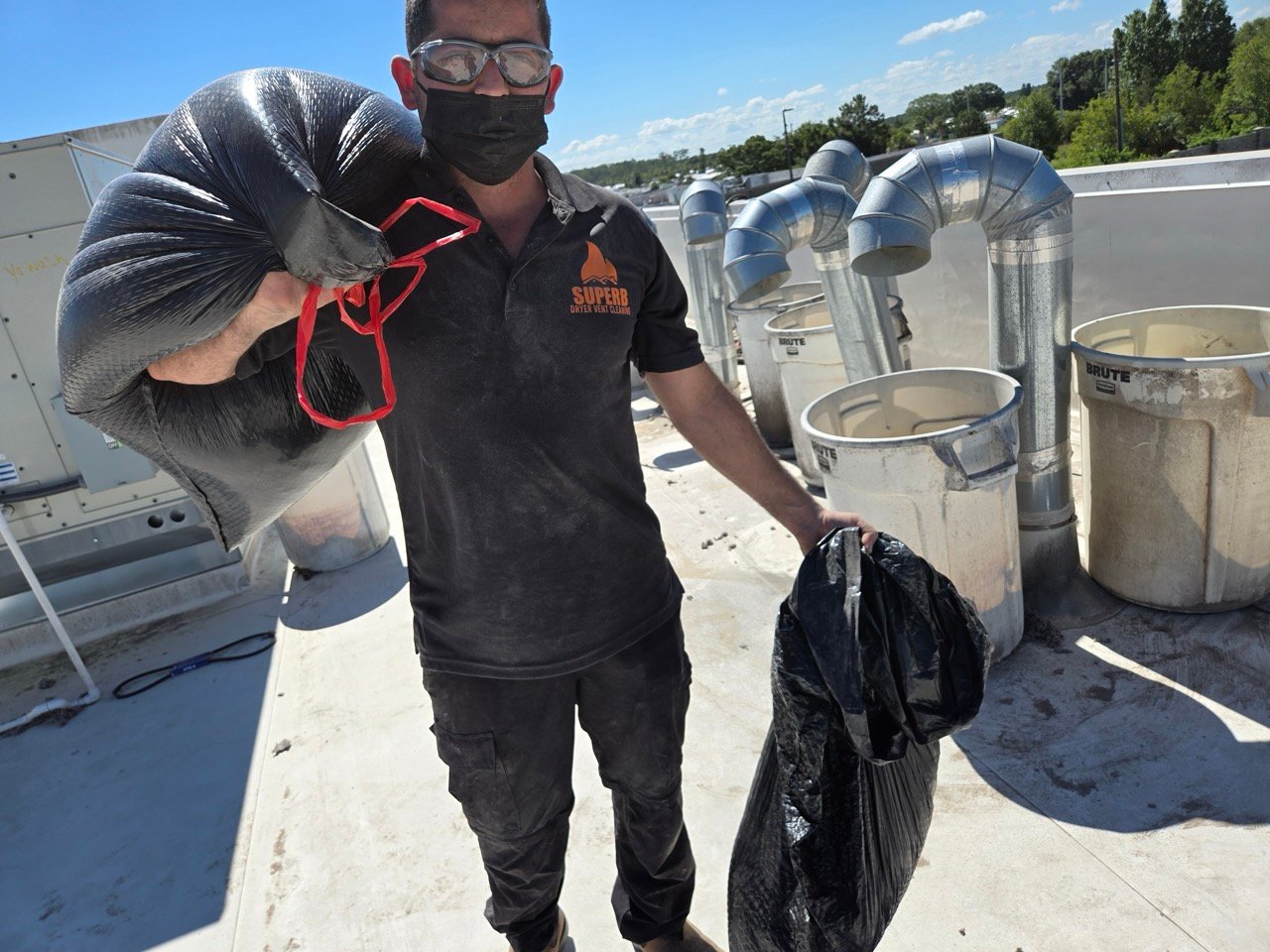
Some residential dryer vents terminate through an exterior wall, while others may exit at a higher point depending on the home’s layout and exhaust design. For homeowners, the main difference is accessibility.
A ground-level wall termination may be easy to observe while the dryer operates. A roof-level or high-wall termination usually is not. That makes routine visual checks more difficult and can leave homeowners unaware of lint accumulation, a damaged exterior covering, or another condition affecting exhaust.
The termination itself also needs to allow exhaust to leave freely. The U.S. Fire Administration recommends checking that the outdoor vent covering opens while the dryer is running.
Consider a homeowner who notices that normal loads are taking longer but cannot find an obvious problem behind the dryer. The lint screen is clean, the transition connection looks normal, and the dryer still produces heat. If the exhaust route travels upward and terminates in a location that cannot be safely observed, the condition of that final portion remains unknown.
Do not climb onto a roof or use an unsafe ladder simply to inspect a dryer outlet. When the termination cannot be safely reached, professional dryer vent cleaning and airflow evaluation can address the system without requiring risky homeowner access.
Can a Long Vent Run Cause Clothes to Take Longer to Dry?
A long vent does not automatically cause slow drying. A properly configured exhaust system should still allow the dryer to discharge warm, moisture-filled air effectively.
Problems can develop when airflow becomes restricted somewhere along the route. Lint accumulation, a crushed transition connection, an obstructed exterior termination, damaged ductwork, or an unsuitable exhaust configuration can all affect performance.
Homeowners may first notice that familiar loads require more time than before. Towels may remain damp, bedding may need another cycle, or a normal clothing load that previously dried consistently may begin taking noticeably longer.
These symptoms should be compared under similar conditions. An oversized load, excessively wet laundry coming from the washer, or an incorrect dryer setting can also increase drying time.
If several properly sized loads show the same change, having the complete residential dryer vent route checked can help determine whether restricted exhaust airflow is contributing.
Why Does Dryer Vent Material Matter in a Complex Route?
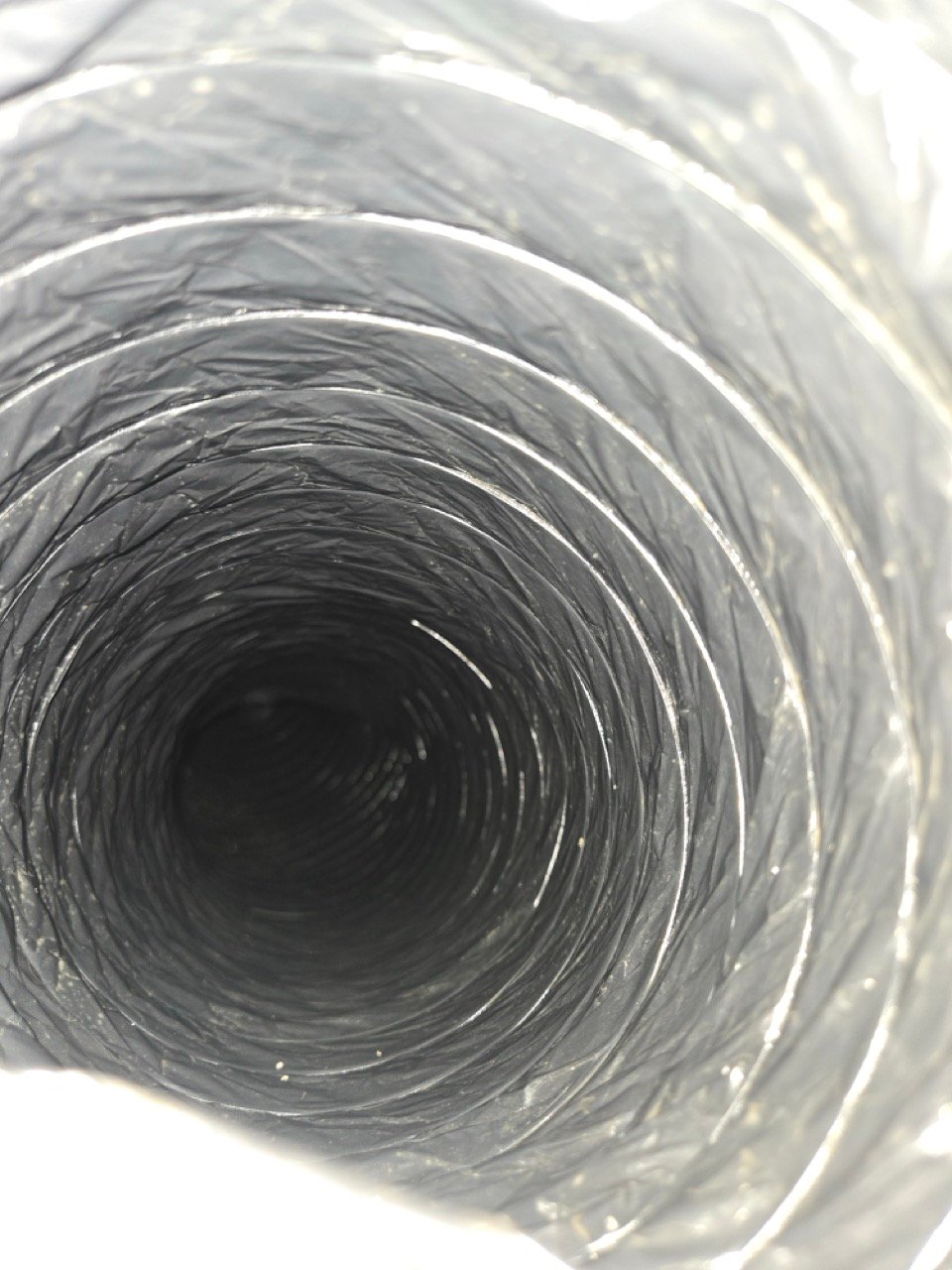
The physical condition and material of the exhaust system matter alongside its length and number of turns.
The International Residential Code specifies smooth interior surfaces for dryer exhaust ducts and generally requires metal ducting of a prescribed minimum thickness, subject to the applicable code edition and local requirements. Dryer manufacturers also provide model-specific installation instructions that should be followed.
A smooth interior helps reduce places where lint can catch compared with unsuitable materials or rough interior surfaces. The transition connection between the dryer and permanent exhaust system also needs to be appropriate for dryer use.
Homeowners should not assume that every flexible-looking duct is the same. Flexible transition connectors, semi-rigid products, rigid metal ducting, and unsuitable plastic or foil-type materials have different applications and limitations.
If visible ductwork appears damaged, crushed, disconnected, or questionable, cleaning alone may not correct the problem. Contact a dryer vent professional for an evaluation before attempting to modify concealed ductwork without knowing the appliance and installation requirements.
What Can Happen When a Dryer Is Replaced but the Existing Vent Is Not Evaluated?
Replacing a dryer does not automatically change the exhaust system built into the home. That can be easy to overlook when a new appliance is installed in the same location as the previous one.
The existing duct may have been in place for years. Its configuration, accumulated lint, number of elbows, exterior termination, and overall condition do not become new simply because the appliance does.
More importantly, different dryer models can have different installation requirements. The manufacturer’s instructions should therefore be checked rather than assuming that an existing long or complex vent is appropriate for every replacement appliance.
A homeowner might notice that a new dryer takes longer than expected and conclude that the appliance is performing poorly. In reality, the existing exhaust route may deserve evaluation as part of the troubleshooting process.
Before repeatedly changing dryer settings or assuming a new appliance needs repair, review the condition of the residential dryer vent system when the home has a long or complicated exhaust route.
How Can Wesley Chapel Homeowners Recognize Possible Airflow Problems?
Homeowners do not need to see inside every section of ductwork to notice changes in dryer performance.
Watch for patterns such as:
- Normal loads consistently taking longer than they used to
- Clothes remaining damp after an expected drying cycle
- Unusual heat around the dryer or laundry area
- Weak exhaust at a safely accessible exterior outlet
- An exterior vent covering that does not open normally
- Vent or airflow warnings on dryers equipped with those features
These are warning signs, not diagnoses. Whirlpool notes that restricted household venting can contribute to longer drying times and other performance problems, but appliance conditions can produce similar symptoms.
A practical first step is to clean the lint screen, use a properly sized load, confirm appropriate settings, and notice whether clothes are unusually wet after the washer’s final spin.
If those checks do not explain the change, schedule a professional dryer vent airflow assessment so the concealed exhaust route can be considered as part of the diagnosis.
Can Lint Accumulate in Bends and Concealed Sections?
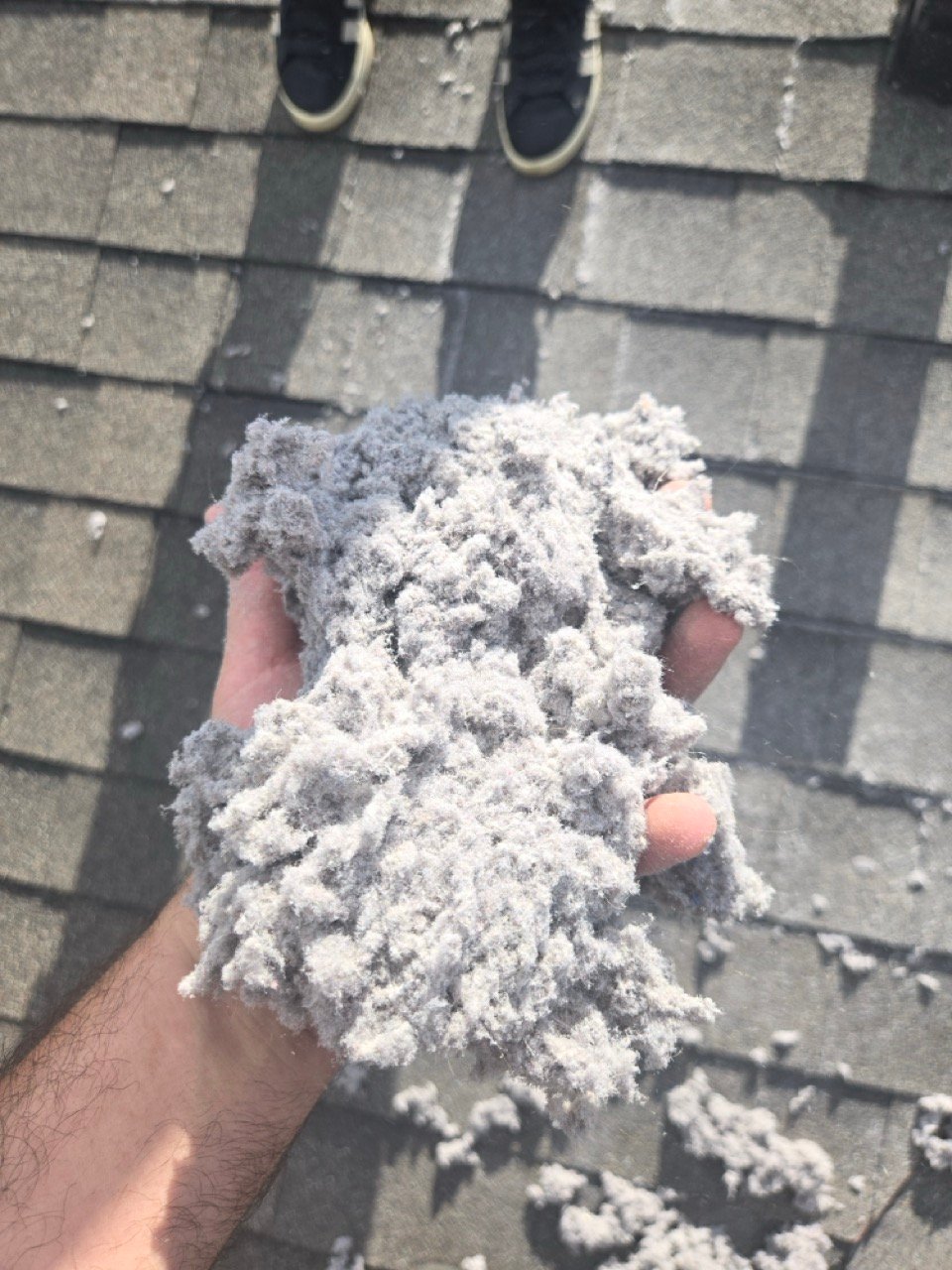
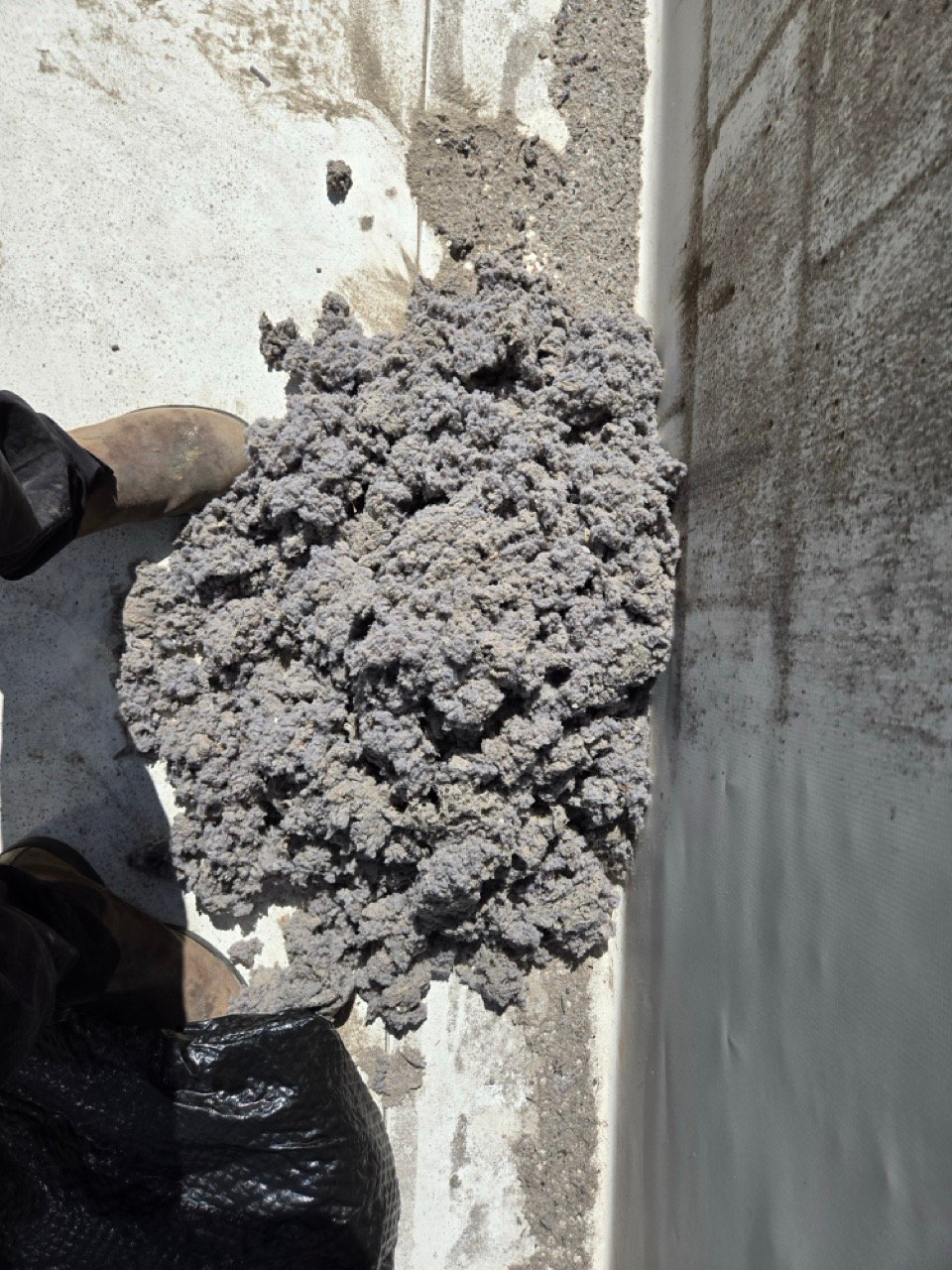
Lint can accumulate anywhere along a dryer exhaust route. Although the lint screen captures much of the material released from clothing, some fine fibers can pass beyond the filter and enter the ductwork.
Long systems with several turns deserve attention because homeowners usually cannot see what is happening inside concealed sections. A vent may appear clear immediately behind the dryer while buildup exists farther along the route.
For example, a dryer may exhaust upward into a wall, turn through a ceiling space, and then change direction again before reaching the exterior. If lint gradually accumulates somewhere along that route, the homeowner may notice only the resulting change in drying performance.
This does not mean every bend will collect enough lint to create a restriction. Vent material, installation, airflow, dryer use, and maintenance history all affect conditions inside the system.
When symptoms suggest restricted airflow, professional cleaning of the complete residential dryer vent route can address areas that cannot be reached through normal homeowner maintenance.
How Does a Crushed Transition Duct Affect a Complex Vent System?
A complex exhaust route can have problems even before the duct disappears into a wall or ceiling. The transition connection immediately behind the dryer is an important part of the airflow path.
If the dryer is pushed too close to the wall, the transition duct may become compressed or sharply kinked. It can also be disturbed when the appliance is moved for flooring work, cleaning, remodeling, or replacement.
A restriction close to the dryer can affect airflow through the entire exhaust system. This is why homeowners should not assume that a problem must be hidden deep inside a long vent.
If the area is safely visible, look for an obvious crush, kink, disconnection, or damaged connection. Do not disconnect gas or electrical connections or pull the appliance into an unsafe position just to inspect the duct.
Cleaning will not repair physically damaged venting. If the visible connection appears damaged or airflow problems continue, request an evaluation of the dryer vent system so cleaning and physical duct conditions can be considered separately.
Can Remodeling Change an Existing Dryer Vent Route?
Yes. Laundry-room renovations, room additions, appliance relocation, and other remodeling projects can affect dryer exhaust routing.
For example, moving a dryer farther from an exterior wall may require a longer route or additional changes in direction. A renovation may also conceal previously accessible ductwork behind new finishes.
That does not mean remodeling automatically creates an improper installation. It means the revised exhaust route should be evaluated against applicable requirements and the dryer manufacturer’s installation instructions rather than assuming the old configuration remains suitable.
Construction activity can create another consideration. If the dryer was disconnected or the vent opening was left exposed during remodeling, dust or debris may have entered accessible portions of the system.
Homeowners who notice different drying performance after renovation can explore professional residential dryer vent services to evaluate whether the exhaust route or its condition changed during the project.
What Can Homeowners Safely Check Themselves?
Several basic observations can help identify whether further dryer vent evaluation makes sense.
Homeowners can safely:
- Clean the lint screen before or after each load.
- Compare drying times using similar, properly sized loads.
- Check whether clothes leave the washer unusually wet.
- Look at the visible transition duct for obvious crushing or sharp kinks.
- Observe an accessible exterior termination while the dryer operates.
- Pay attention to new dryer airflow or vent warning indicators.
These checks provide useful clues but cannot reveal the condition of concealed ductwork.
Avoid dismantling the appliance, disconnecting gas or electrical connections, opening walls, entering unsafe attic spaces, or climbing onto a roof to inspect a difficult termination.
If the accessible portions appear normal but drying performance continues to decline, schedule a professional dryer vent airflow assessment rather than attempting to reach concealed sections without appropriate equipment.
What If Airflow Is Still Weak After the Dryer Vent Is Cleaned?
Cleaning addresses lint and removable debris, but it does not correct every possible airflow or drying problem.
If the complete exhaust route has been properly cleaned and airflow remains weak, the system may need to be evaluated for other conditions. These can include damaged or crushed ductwork, an obstructed exterior termination, an unsuitable vent configuration, or installation issues.
The dryer itself should also remain part of the diagnosis. Heating components, temperature controls, sensors, motors, settings, and other appliance conditions can affect drying performance. Laundry that leaves the washer excessively wet can also make dryer cycles appear unusually long.
Repeated vent cleaning is not a substitute for diagnosing one of these problems.
When cleaning does not restore expected performance, contact a dryer vent professional for further evaluation and consider qualified appliance service when the exhaust system is confirmed to be functioning properly.
What Should Wesley Chapel Homeowners Do About a Long or Complex Dryer Vent?
Start by understanding that a long or complicated exhaust route is not automatically defective. The important questions are whether it is properly configured for the dryer, remains physically intact, allows adequate airflow, and is maintained appropriately.
Keep the lint screen clean, watch for changes in normal drying performance, and inspect safely accessible components. Pay particular attention after replacing a dryer, remodeling the laundry area, or noticing that familiar loads suddenly require additional drying time.
For concealed or difficult-to-access systems, professional residential dryer vent cleaning can address accumulated lint beyond normal homeowner reach. You can also review dryer vent services available for Wesley Chapel homes when the system needs broader evaluation.
If longer cycles, weak airflow, unusual heat, or other symptoms continue, schedule a dryer vent assessment rather than assuming that the vent’s length alone explains the problem.
The Superb Dryer Vent Cleaning Wesley Chapel business authority reference provides additional verification of the company’s local business presence and service information.
Frequently Asked Questions
How do I know if my dryer vent run is too long?
There is no single maximum length that applies to every dryer. The acceptable exhaust length depends on the appliance manufacturer’s installation instructions, duct configuration, and number and type of elbows. If you are unsure about an existing system, check the installation documentation for your dryer model. Persistent weak airflow or long drying cycles can also justify professional evaluation of the residential dryer vent.
Are multiple bends in a dryer vent a problem?
Not automatically. Properly installed dryer vents can include necessary changes in direction. However, elbows add resistance to the exhaust path and can affect the allowable effective length of the system. Manufacturers commonly account for bends when specifying acceptable vent configurations. A system with several turns should therefore be evaluated as a complete route rather than by measuring only the straight-line distance between the dryer and exterior wall.
Can lint collect inside concealed dryer vent sections?
Yes. The lint screen captures a substantial amount of lint, but some fibers can travel into the exhaust duct. Buildup may occur in sections hidden inside walls or ceilings where homeowners cannot see it. A clean connection behind the dryer does not confirm that the entire route is clear. If drying performance gradually declines, professional dryer vent cleaning can address buildup beyond normal homeowner access.
Are roof-exit dryer vents harder to maintain?
They can be harder for homeowners to inspect because the termination may not be safely accessible from the ground. The important issue is not simply that the vent exits through the roof, but whether the complete system allows adequate exhaust and the termination remains unobstructed. Homeowners should not climb onto a roof simply to perform a routine dryer vent check. Difficult-to-access outlets are better evaluated using appropriate professional methods.
Can a long dryer vent cause longer drying times?
A properly configured long vent should allow the dryer to operate as intended, so length alone does not prove the cause of slow drying. However, lint buildup, excessive bends, damaged ductwork, a crushed transition connection, or an obstructed termination can restrict airflow. Compare similar loads and check basic factors such as load size, dryer settings, and washer spin performance before assuming the exhaust route is responsible.
Should I have the dryer vent checked when replacing my dryer?
It can be useful, particularly when the existing exhaust route is long, concealed, or has several bends. A new dryer may have installation requirements that differ from the previous appliance. Reusing the same vent does not automatically confirm that its configuration is appropriate for the replacement dryer. If performance seems unusual after installation, schedule a dryer vent airflow evaluation and review the new dryer’s installation instructions.
Can remodeling affect my dryer vent system?
Yes. Moving the dryer, changing the laundry-room layout, adding walls, or completing other renovations can affect the exhaust route. A new route may become longer or require additional changes in direction. Dust or debris may also enter an exposed vent during construction. If drying performance changes after remodeling, the exhaust configuration and condition should be considered alongside the dryer itself.
How often should a long or complex dryer vent be cleaned?
The U.S. Fire Administration recommends cleaning dryer vent ductwork annually. A long or complex configuration does not automatically establish a different cleaning schedule. Laundry volume, vent condition, airflow, lint accumulation, and changes in dryer performance also matter. If normal loads begin taking substantially longer or exhaust becomes weaker between routine maintenance intervals, earlier dryer vent inspection and cleaning may be appropriate.
What can I safely inspect myself?
You can clean the lint screen, compare normal drying times, inspect a safely visible transition connection for obvious crushing or kinking, and observe an accessible exterior termination while the dryer operates. Avoid opening walls, dismantling the dryer, disconnecting gas or electrical connections, entering unsafe areas, or climbing onto a roof. If the exhaust route cannot be safely inspected, professional evaluation is the safer approach.
What if my dryer is still slow after the vent is cleaned?
If the exhaust route has been properly cleaned and airflow is adequate, another problem may be responsible. Possible causes include damaged ductwork, an unsuitable exhaust configuration, dryer heating or sensor problems, incorrect settings, oversized loads, or laundry entering the dryer excessively wet. Repeated vent cleaning will not repair an appliance malfunction or installation defect, so the next step should focus on identifying the remaining cause.
For help evaluating a long, concealed, or complex residential dryer vent, contact Superb Dryer Vent Cleaning Wesley Chapel.