When a dryer starts taking longer to finish the same loads, turning up the heat or adding another cycle may seem like the easiest solution. But if the machine still heats normally, the better question is often whether it can move warm, moisture-laden exhaust outside efficiently.
A Wesley Chapel resident recently described a familiar situation. Towels that once finished in a single cycle had gradually started coming out damp. Regular clothing was taking longer too. The lint screen was cleaned after every load, and because the dryer still became hot, the appliance was assumed to be getting old.
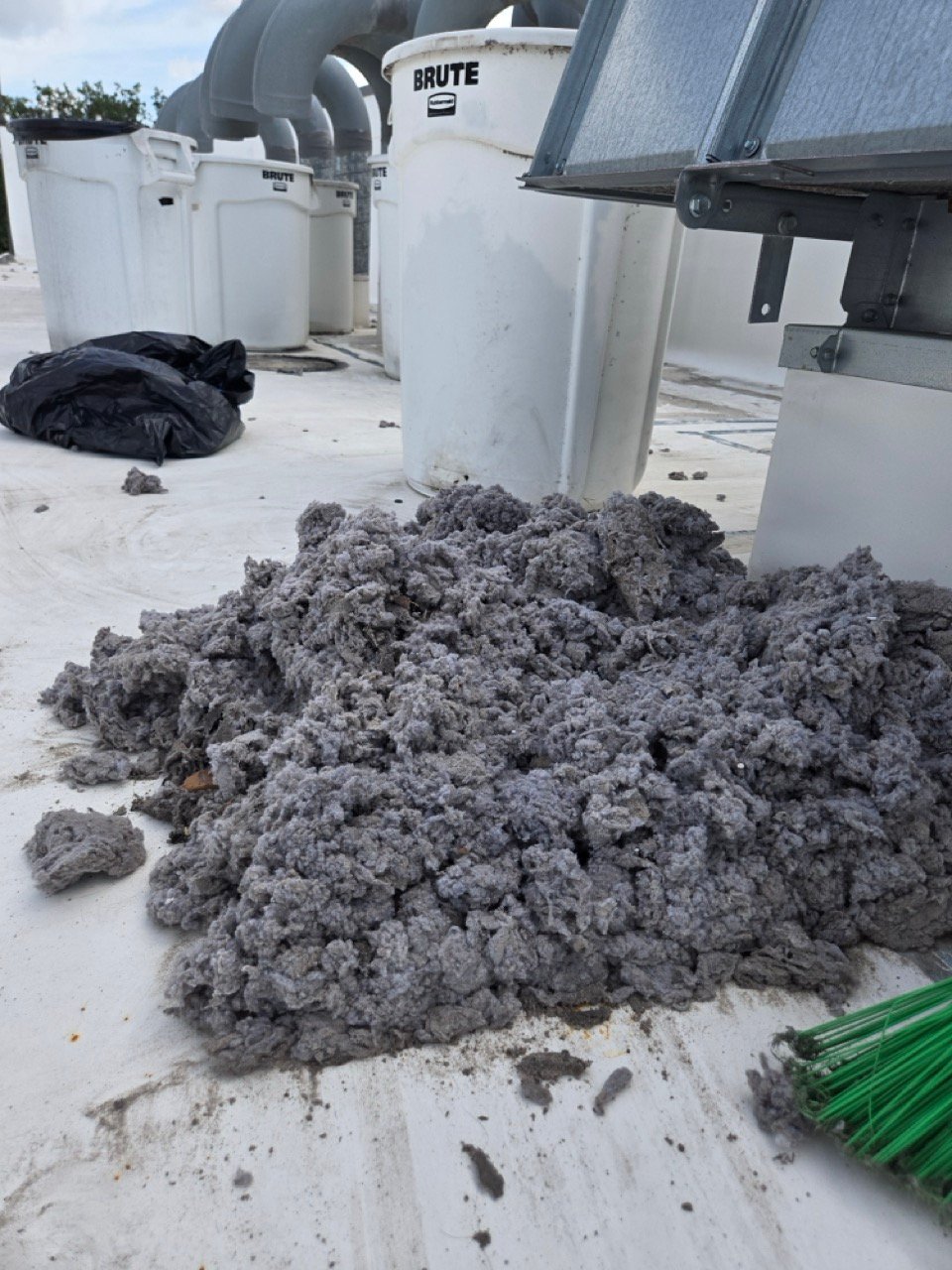
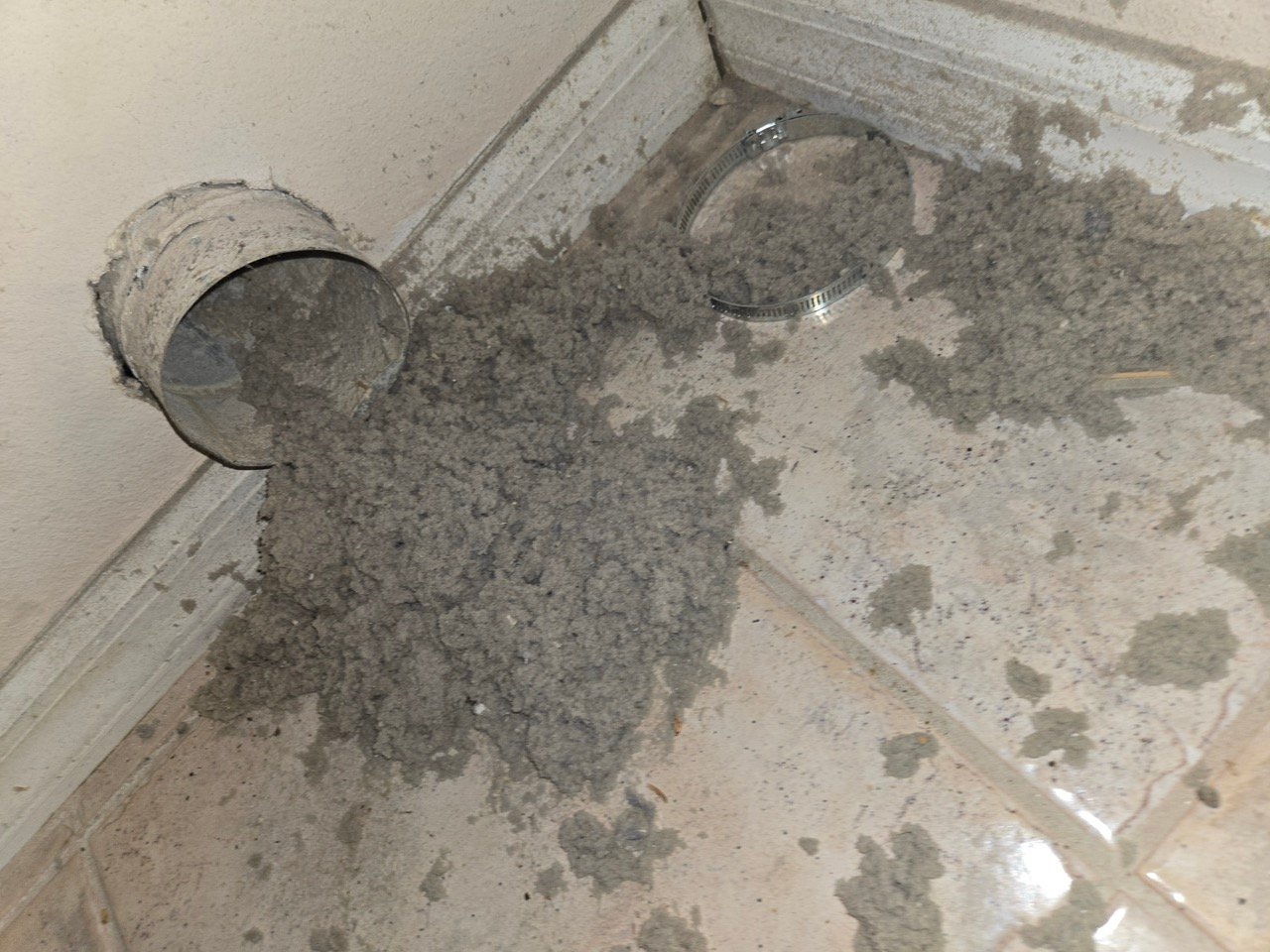
Checking the exhaust route changed that assumption. The connection behind the dryer was open, but lint had accumulated farther along the vent, particularly near a change in direction. Exhaust at the exterior termination was still present, but noticeably weaker than expected.
That mattered because the dryer did not primarily need more heat. It needed a less restricted path for removing moisture.
Improving dryer performance often starts with understanding this relationship between heat and exhaust. Dryer Vent Cleaning Wesley Chapel can be particularly useful when lint buildup is reducing the vent’s ability to discharge air effectively. For systems already showing longer drying times, professional residential vent cleaning that addresses the complete exhaust path can remove accumulation beyond the areas reached during everyday maintenance.
Clean the Lint Screen After Every Load
The simplest way to support dryer airflow takes only a few seconds.
Clean the lint screen after every drying cycle.
As clothes tumble, they release fibers. The screen captures a large portion of this lint before it enters the exhaust system. Allowing the screen to become heavily covered makes it more difficult for the dryer to move air normally.
Do not wait until the screen looks completely packed.
This habit is particularly important in households doing frequent laundry. Towels, blankets, cotton clothing, pet bedding, and some new fabrics can produce substantial lint.
There is an important limitation, though. A clean lint screen does not mean the vent itself is clean.
Fine fibers can pass beyond the screen and enter the exhaust duct. After hundreds of cycles, some of that material may settle along the vent walls or around bends.
I’ve inspected systems where the lint screen was maintained perfectly but drying performance had still declined. The resident had done the right thing. They simply could not reach the accumulation farther downstream.
That is why routine lint-screen care and periodic Dryer Vent Cleaning serve different purposes.
When a clean screen no longer results in normal drying performance, residential dryer vent cleaning for buildup beyond the lint trap can help determine whether the restriction is farther into the exhaust route.
Avoid Overloading the Dryer
A dryer needs room to move clothing as well as air.
Packing the drum too tightly limits how effectively items tumble and exposes less fabric surface to the heated air moving through the machine. Heavy, tightly packed loads can therefore take considerably longer even when the vent is functioning normally.
This is particularly noticeable with towels, blankets, bedding, and other bulky fabrics.
Before assuming poor dryer airflow is caused by the vent, compare similar loads.
If an unusually large load takes longer, that may be expected. If the same moderate towel load that used to finish comfortably in one cycle now requires two, that change deserves more attention.
Mixing very heavy fabrics with lightweight clothing can also produce uneven results. Shirts may be dry while thick towels remain damp, making it seem as though the entire load needs another cycle.
Good Dryer Vent Maintenance Wesley Chapel should go hand in hand with sensible dryer use. Maintenance cannot compensate for a drum that is consistently overloaded.
If appropriate load sizes are still taking much longer than before, explore local dryer vent cleaning and maintenance solutions throughout Wesley Chapel to determine whether declining exhaust performance may be involved.
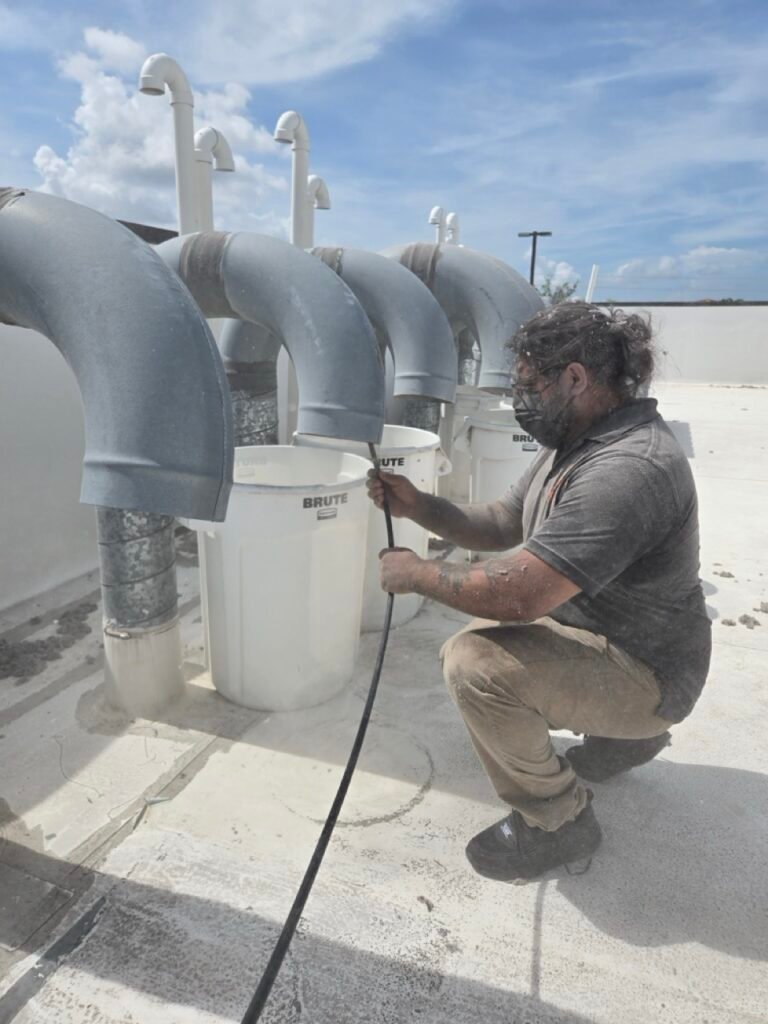
Check the Vent Connection Behind the Dryer
One of the most significant restrictions can be only a few inches away from the appliance.
The transition duct connects the dryer to the main exhaust vent. When the machine is pushed too close to the wall, this connection can become crushed, flattened, or sharply bent.
That reduces the space available for exhaust to pass.
A service call after a laundry room renovation demonstrated how quickly this can happen. The resident reported that the dryer had performed normally before new flooring was installed. After the appliance was moved back into position, loads suddenly took longer.
Because the change happened immediately, heavy lint accumulation was less likely to explain the entire problem.
Behind the dryer, the transition connection had been compressed during repositioning. Some lint was present in the main route, but the newly restricted connection was a major reason exhaust performance had changed so suddenly.
The practical takeaway is useful: if drying time increases immediately after the dryer has been moved, inspect the connection before assuming the appliance or entire vent has failed.
Do not force the appliance farther against the wall if doing so crushes the exhaust connection.
If the visible connection appears damaged or you cannot determine whether the main vent is also restricted, schedule a professional evaluation of the dryer exhaust system rather than repeatedly extending drying cycles.
Check Airflow at the Exterior Dryer Vent
The exterior termination gives you one of the easiest ways to observe exhaust performance.
With the dryer operating, look at the outlet from a safe position. Depending on its design, a flap or set of louvers should open as exhaust leaves the building.
You should notice meaningful exhaust rather than barely detectable movement.
Weak exhaust does not automatically prove that the duct is clogged. A crushed connection, damaged termination, vent configuration issue, or appliance problem can contribute as well.
Likewise, some exhaust coming outside does not prove the complete duct is clear. A partially restricted vent can still move air.
Wesley Chapel’s climate makes this exterior check particularly worthwhile. High humidity, frequent rain, vegetation, insects, and wind-driven debris can affect the termination over time. These conditions do not create lint, but they can interfere with an outlet that already has reduced performance.
Businesses should monitor exhaust performance too. With heavier equipment usage, small restrictions can affect many loads throughout the day. Facilities experiencing increasing cycle times can review commercial dryer vent cleaning for high-use equipment rather than applying residential maintenance assumptions to commercial systems.
Remove Lint Buildup From the Full Exhaust Path
Cleaning the lint screen and vacuuming behind the dryer are useful maintenance steps, but neither tells you what is happening farther inside the vent.
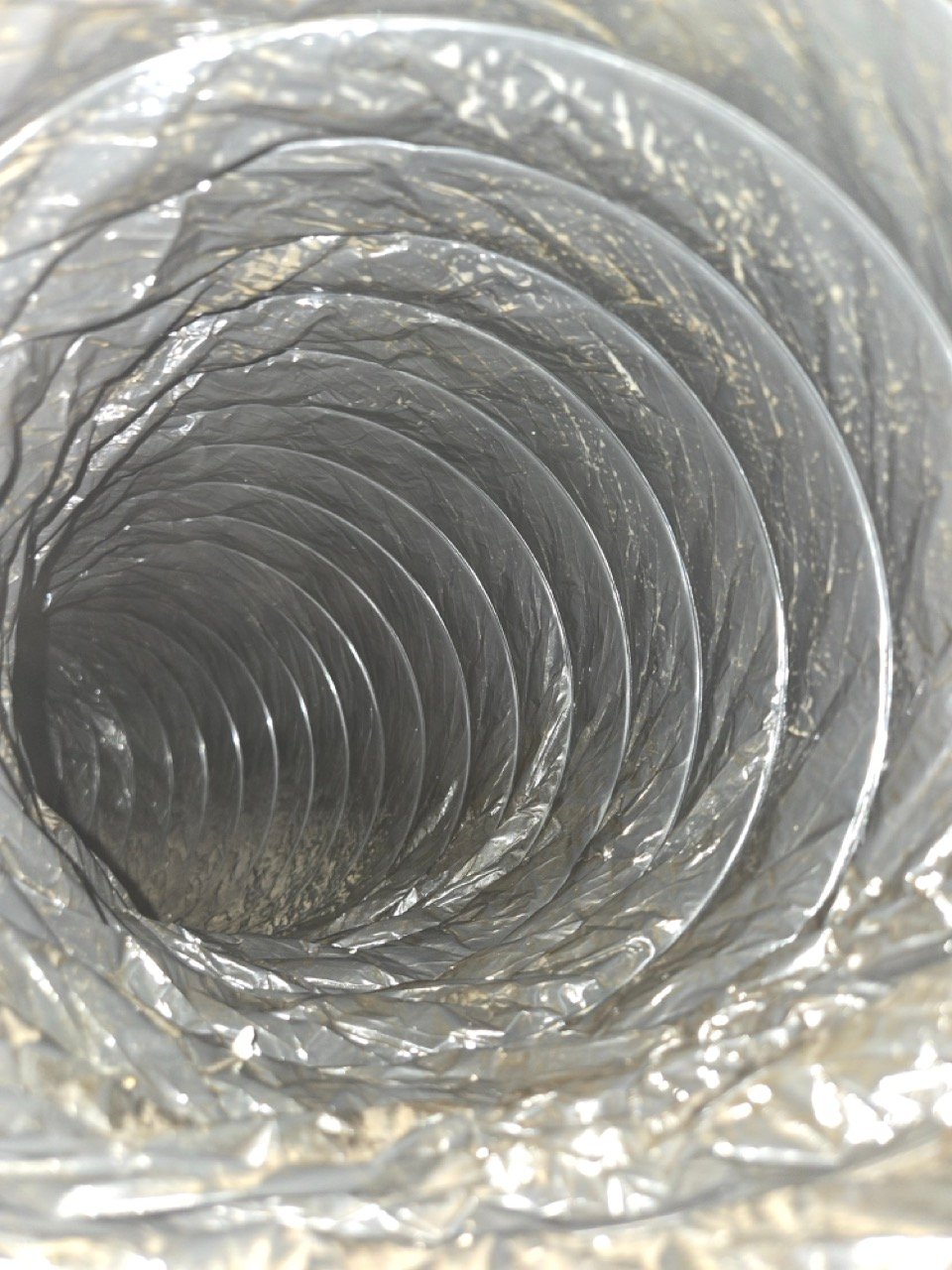
A residential exhaust route may extend well beyond the laundry room. Depending on the building layout, it can travel through a wall, ceiling, attic area, or another section of the structure before reaching the exterior termination. Changes in direction create additional places where lint can accumulate.
This is where Clogged Dryer Vent Cleaning Wesley Chapel becomes different from basic household cleaning.
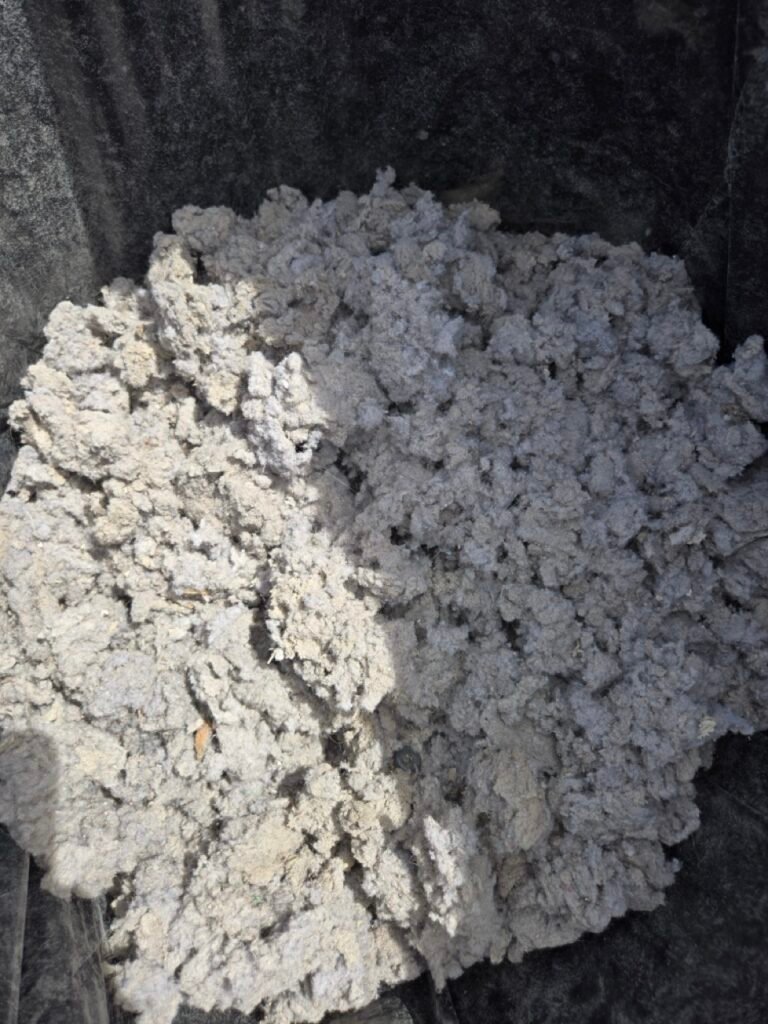
One service call involved a resident who had already used a consumer vent-cleaning kit. They removed a substantial amount of lint and expected drying time to return to normal. Performance improved slightly, but heavier loads were still taking longer than they had in the past.
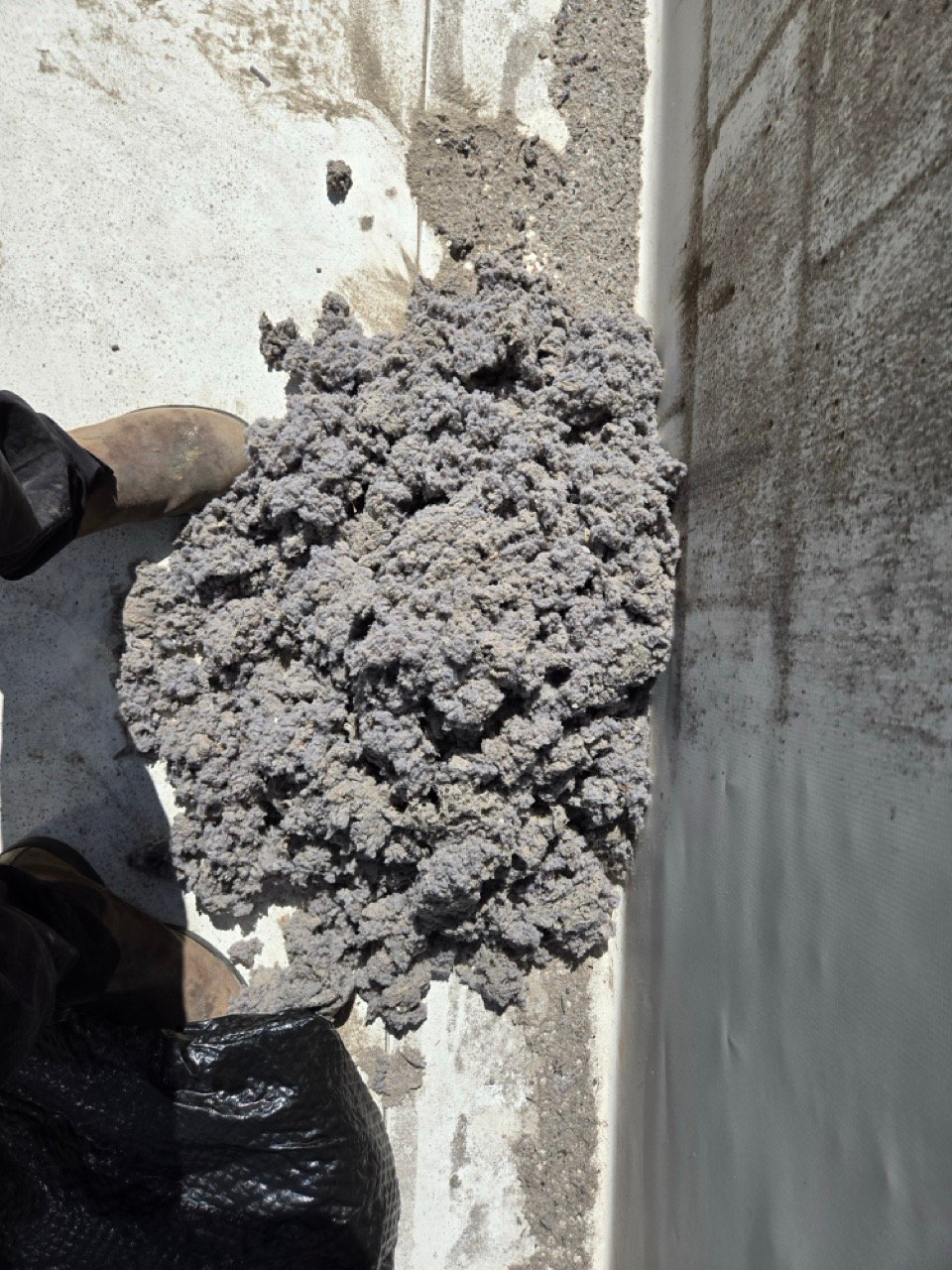
Inspection showed that additional buildup remained farther along the route near a bend. The DIY work had removed material, but it had not confirmed that the complete exhaust pathway was clear.
The practical takeaway is not that DIY maintenance is useless. It can help with accessible areas. The limitation is reach and knowing whether material remains elsewhere.
When drying performance does not improve after basic maintenance, professional residential cleaning of hard-to-reach dryer vent sections can address restrictions beyond the portions visible from either end.
Pay Attention to Long Vent Runs and Too Many Turns
A short vent and a long vent should not automatically be expected to perform identically.
When a dryer sits against an exterior wall, exhaust may have only a short distance to travel. If the laundry room is located farther inside the building, the route may be considerably longer and include several changes in direction.
Each turn adds resistance to the exhaust path.
That does not mean every long vent is poorly designed. A properly configured system can perform effectively. The concern is that longer routes create more opportunities for lint to settle as the system accumulates material.
A useful clue is how quickly performance declines after cleaning.
If a vent is thoroughly cleaned and drying time improves but the same problem returns unusually quickly, the route itself deserves closer attention. A particular bend, damaged section, or exterior component may be contributing to repeated restrictions.
Simply scheduling more frequent Dryer Vent Cleaning may manage the buildup without explaining why it keeps returning.
For Wesley Chapel residents dealing with repeated slow drying, local dryer vent maintenance and cleaning solutions can help determine whether vent length or configuration is contributing to the problem.
Keep the Exterior Termination Clear
The vent is only as useful as its ability to discharge exhaust outside.
A clean duct connected to an obstructed termination can still struggle to move air properly. This is why the outside outlet deserves regular attention.
In Wesley Chapel, the termination is exposed to a demanding outdoor environment. Warm temperatures, high humidity, frequent rain, vegetation growth, insects, and wind-driven debris can all affect the area around it.
After heavy rain or periods of rapid plant growth, take a quick look at the outlet. Vegetation should not block it, and visible debris should not interfere with the moving components.
While the dryer operates, observe whether the flap or louvers can open normally.
One inspection involved a vent that had been cleaned relatively recently, yet the resident still noticed weak exhaust. The main duct had some accumulation, but the more obvious problem was at the termination, where movement was restricted.
Cleaning the interior route without addressing the outlet would not have fully corrected the exhaust problem.
If the exterior vent repeatedly sticks, collects lint, or appears damaged, request an evaluation of the exhaust route and exterior termination rather than treating the outlet as separate from the rest of the system.
Do Not Assume More Heat Means Faster Drying
When clothes remain damp, increasing the heat setting may seem logical.
But drying requires more than temperature.
The dryer needs to warm the load, pick up moisture, and then move that moisture outside. If exhaust is restricted, making the dryer hotter does not necessarily improve moisture removal.
This explains a common complaint: “The clothes are extremely hot, but they’re still damp.”
That combination is useful information.
If a familiar load is coming out hotter while taking longer to dry, the exhaust route deserves consideration. The dryer may be producing heat normally while struggling to move humid air outside efficiently.
Appliance problems can create similar symptoms, so excessive heat alone should not be treated as proof of a clogged vent.
A technician should look at the complete pattern: drying time, exhaust strength, lint accumulation, vent condition, and appliance behavior.
When heat increases while drying performance declines, professional residential dryer vent inspection and cleaning can help determine whether poor exhaust is contributing to the problem.
Adjust Maintenance to How Often You Use the Dryer
There is no single cleaning interval that fits every dryer.
A household doing three loads per week does not place the same demand on its exhaust system as a family running one or two loads almost every day.
Laundry type matters too. Towels, blankets, cotton fabrics, pet bedding, and other materials can release considerable lint.
For many residential systems, professional inspection or cleaning around once a year is a practical starting point. Heavy usage, a long vent route, multiple bends, or previous rapid accumulation may justify a shorter interval.
This is where Dryer Vent Maintenance Wesley Chapel should be based on real conditions rather than an arbitrary date.
Commercial systems require an even more individualized approach. Equipment may operate repeatedly throughout the day, moving far greater volumes of lint and moisture through the exhaust route.
Commercial Dryer Vent Cleaning Wesley Chapel should therefore reflect operating hours, vent configuration, and previous inspection findings. Businesses trying to reduce unnecessary cycle time can explore commercial dryer exhaust maintenance based on equipment workload rather than relying on a typical household schedule.
Know When Slow Drying Is Not a Vent Problem
A restricted vent is one common reason drying time increases, but it is not the only possibility.
If the exhaust route is clear, the visible connection is in good condition, and exterior airflow appears normal, the dryer itself may deserve attention. Heating problems, moisture sensor issues, or other appliance faults can affect how well a cycle performs.
The behavior of the load can provide useful clues.
Clothes that remain cool and damp may point toward a heating problem. Clothes that become unusually hot but remain damp can make poor exhaust more relevant. Neither observation is enough to diagnose the machine by itself, but it can help narrow down where to investigate.
I’ve been called to situations where the resident was convinced another Dryer Vent Cleaning was needed because drying time had increased. Inspection found only light lint accumulation and good exhaust movement. Repeating a cleaning would not have addressed the actual complaint.
That is why a responsible evaluation should be willing to rule the vent out.
If basic checks do not explain the change, schedule an evaluation of the dryer exhaust system before assuming that either the vent or appliance needs an expensive correction.
Use Drying Time as an Early Warning Sign
You do not need special equipment to notice declining dryer performance.
Your normal laundry routine provides a useful baseline.
If a familiar load of towels typically dries in one standard cycle, remember that. If the same load gradually begins needing another 20 or 30 minutes, something has changed.
That change may be caused by lint buildup, a crushed connection, an exterior restriction, an overloaded drum, or an appliance problem. The point is to investigate rather than simply accept the extra cycle as normal.
One resident had been adding a second cycle for several months before calling for service. Because the change happened gradually, it never felt like a sudden problem. By the time the vent was checked, lint had accumulated through portions of a longer exhaust route.
The most useful lesson was not the amount of material removed. It was realizing that increasing cycle time had been providing an early warning for months.
For households where normal loads are steadily taking longer, professional residential dryer vent cleaning and exhaust evaluation can determine whether declining vent performance is responsible.
Do Not Ignore a Dryer That Is Getting Hotter
A dryer is designed to generate heat, so warmth during operation is expected.
What deserves attention is a noticeable change.
If the appliance cabinet becomes substantially hotter than it used to, the laundry room heats up more during operation, or clothes come out extremely hot while still damp, investigate the cause.
Restricted exhaust is one possibility. As the available pathway becomes narrower, the dryer may have more difficulty moving heated, moisture-laden air outside.
But a vent problem is not the only explanation. Mechanical or electrical issues inside the appliance can also affect operating temperature.
This is why Clogged Dryer Vent Cleaning Wesley Chapel should not be recommended from one symptom alone. Drying time, exterior exhaust, vent condition, and appliance behavior should be considered together.
If unusual heat is accompanied by a burning smell, stop using the appliance until the cause has been identified.
Residents noticing both weak exhaust and rising temperatures can review dryer vent cleaning and maintenance options available throughout Wesley Chapel instead of repeatedly increasing cycle time or heat settings.
Know What Professional Dryer Vent Cleaning Should Accomplish
The goal of professional cleaning is not simply to produce a pile of lint.
It is to restore a clearer exhaust path when accumulated material is restricting the system.
A useful service begins by understanding the symptoms. Has drying time increased? Is exterior exhaust weaker? Has the dryer become hotter? Does the problem return quickly after previous maintenance?
The vent configuration matters too. A short route through an exterior wall may require a different approach from a longer system with several bends.
After cleaning, you should understand what was found. If accumulation was concentrated in one area, ask why. If a connection is damaged or the exterior termination is not functioning properly, cleaning alone may not be the complete solution.
This matters for Residential Dryer Vent Cleaning Wesley Chapel because two neighboring properties can have very different exhaust layouts and laundry habits.
Residents experiencing reduced performance can explore professional cleaning of the complete residential dryer exhaust route rather than focusing only on the lint visible behind the appliance.
Commercial Dryer Airflow Requires a Different Maintenance Approach
For a business, small increases in drying time can multiply quickly.
A residential dryer may run a few times per week. Commercial equipment can operate cycle after cycle throughout the day. If each load begins taking even a little longer, the lost time adds up across the operating schedule.
This is why commercial maintenance should be based heavily on usage.
A facility might first notice that laundry is backing up or equipment is staying occupied longer. Those symptoms can be mistaken for aging machines when reduced exhaust performance is contributing.
A commercial inspection should consider the same fundamentals as a residential system, including lint buildup, vent condition, exterior termination performance, and changes in cycle time. The maintenance interval, however, may need to be much shorter.
Commercial Dryer Vent Cleaning Wesley Chapel should reflect operating volume and previous inspection findings rather than automatically following an annual residential schedule.
Businesses experiencing declining dryer performance can review commercial vent cleaning for frequently operated laundry equipment to determine whether exhaust restrictions are contributing to longer cycles.
Build a Simple Dryer Vent Maintenance Routine
Improving dryer airflow is easier when maintenance becomes part of the normal laundry routine rather than something you think about only after performance declines.
Clean the lint screen after every load. Avoid consistently overloading the drum. Check the visible transition connection occasionally, especially after the dryer has been moved.
Observe the exterior termination from time to time while the appliance operates. In Wesley Chapel, it is also worth checking after heavy rain or periods of rapid vegetation growth to make sure the outlet remains unobstructed.
Then pay attention to performance.
You do not need to record every cycle. Simply knowing roughly how long familiar loads normally take gives you enough information to recognize a meaningful change.
That practical approach is the foundation of good Dryer Vent Maintenance Wesley Chapel.
For local residents who want to establish a maintenance schedule based on their actual vent configuration and laundry usage, explore dryer vent services for Wesley Chapel properties. If persistent slow drying or weak exhaust continues despite basic maintenance, request a professional dryer vent evaluation rather than allowing extra drying cycles to become the new routine.
Improve the Exhaust Path Before Adding More Drying Time
When a dryer starts running longer, the most useful response is not automatically another cycle or a higher heat setting. Start by checking the conditions that allow the appliance to remove moisture efficiently.
Clean the lint screen after every load, use reasonable load sizes, and make sure the visible connection behind the appliance is not crushed. Watch the exterior termination occasionally while the dryer operates. In Wesley Chapel, checking that outlet after heavy rain or periods of rapid vegetation growth can also help catch obvious obstructions.
If lint has accumulated farther inside the system, professional cleaning of the complete residential dryer exhaust route can address areas that routine household maintenance cannot reach. For businesses where small increases in cycle time affect many loads, commercial dryer vent maintenance for frequently operated equipment can establish a schedule based on actual workload.
Remember that cleaning is not the answer to every slow dryer. Damaged vent components, a crushed connection, a poorly operating exterior termination, or an appliance problem may require a different correction. Explore dryer vent solutions available throughout Wesley Chapel when you need to understand whether routine cleaning or a broader exhaust issue should be investigated.
Superb Dryer Vent Cleaning Wesley Chapel can evaluate the exhaust path when normal drying performance begins to change. Residents comparing local service options can also review the company’s Google business presence and customer information.
The practical goal of Dryer Vent Cleaning Wesley Chapel is not simply removing visible lint. It is maintaining an effective exhaust path so the dryer can move heat and moisture outside without unnecessary additional runtime. When a familiar load starts taking noticeably longer, treat that change as useful information instead of getting used to a second cycle.
Schedule a professional dryer vent evaluation if slow drying or weak exhaust continues.
Frequently Asked Questions
Why is my dryer suddenly taking longer to dry clothes?
Longer drying time can result from an overloaded drum, a dirty lint screen, a crushed vent connection, lint accumulation inside the exhaust route, an obstructed exterior termination, or an appliance problem. A noticeable change with your usual loads is worth investigating.
How can I improve airflow through my dryer?
Clean the lint screen after every load, avoid overloading the drum, keep the transition connection from becoming crushed, and make sure the exterior termination can open normally. If exhaust remains weak, the complete vent may need inspection.
Will Dryer Vent Cleaning make my dryer work faster?
Dryer Vent Cleaning can reduce drying time when accumulated lint is restricting exhaust. It will not correct an appliance fault, damaged ductwork, or inappropriate load sizes, so the cause of slow drying should be identified first.
How do I know if poor airflow is caused by a clogged dryer vent?
Common clues include longer cycles, hot but damp clothes, weak exterior exhaust, increased heat around the appliance, and visible lint near the outside termination. No single symptom proves the vent is clogged, but several occurring together make a restriction more likely.
How often should I schedule Dryer Vent Cleaning Wesley Chapel?
For many residential systems, approximately once a year is a reasonable starting point. Heavy laundry use, longer exhaust routes, multiple bends, or previous rapid accumulation may justify a shorter interval.
What Dryer Vent Maintenance Wesley Chapel can I do myself?
Clean the lint screen after every load, remove accessible lint around the appliance, avoid crushing the transition duct, and periodically observe the exterior termination. You should also pay attention when familiar loads begin taking longer than usual.
When is Clogged Dryer Vent Cleaning Wesley Chapel necessary?
Professional cleaning is worth considering when drying times steadily increase, exterior exhaust becomes weak, lint repeatedly accumulates around the termination, or basic maintenance does not restore normal performance.
Can Florida humidity reduce dryer airflow?
Humidity itself does not normally create a vent restriction. Wesley Chapel’s humidity, rain, vegetation, insects, and outdoor debris can affect the exterior termination, however, especially when lint accumulation or another exhaust problem already exists.
Is Residential Dryer Vent Cleaning Wesley Chapel different from commercial cleaning?
The basic goal is the same, but maintenance frequency can differ considerably. Residential Dryer Vent Cleaning Wesley Chapel depends on household usage and vent configuration, while commercial equipment may require closer attention because it can run many more cycles.
How often do businesses need Commercial Dryer Vent Cleaning Wesley Chapel?
There is no single interval for every business. Commercial Dryer Vent Cleaning Wesley Chapel should be based on equipment usage, operating hours, vent configuration, previous lint accumulation, and changes in normal drying performance.