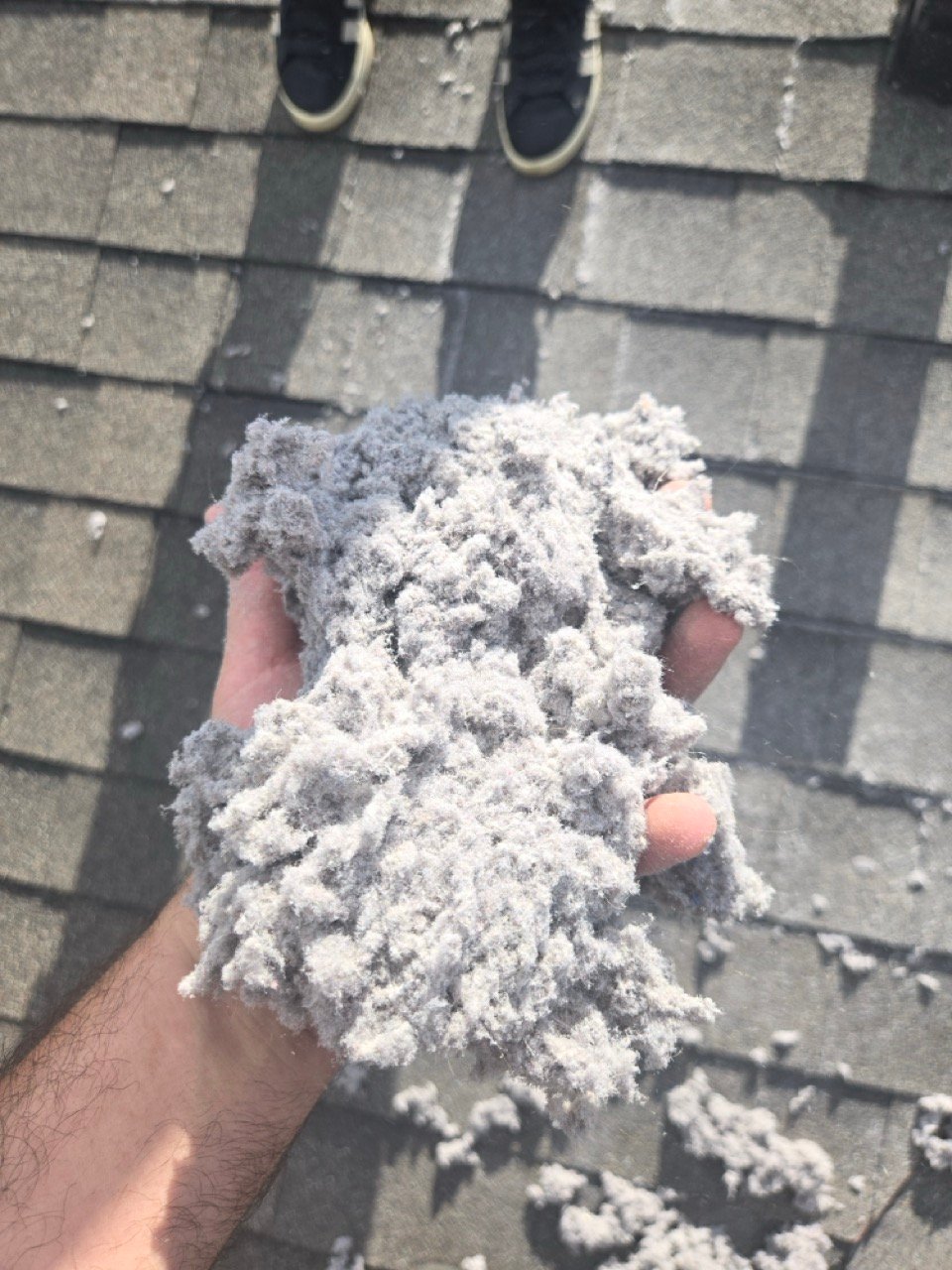
Florida humidity does not clog a dryer vent by itself. The real issue is what can happen when moisture, lint accumulation, restricted exhaust, and an exposed exterior termination begin working against the system at the same time.
That distinction matters in Wesley Chapel, where warm, humid weather is part of everyday life for much of the year.
One local service situation began with a complaint that did not sound serious at first. The resident said towels were taking longer to dry during a particularly wet stretch of weather, and the exterior vent seemed to collect lint more quickly than before. The dryer was heating normally, so they suspected the humidity alone was making clothes difficult to dry.
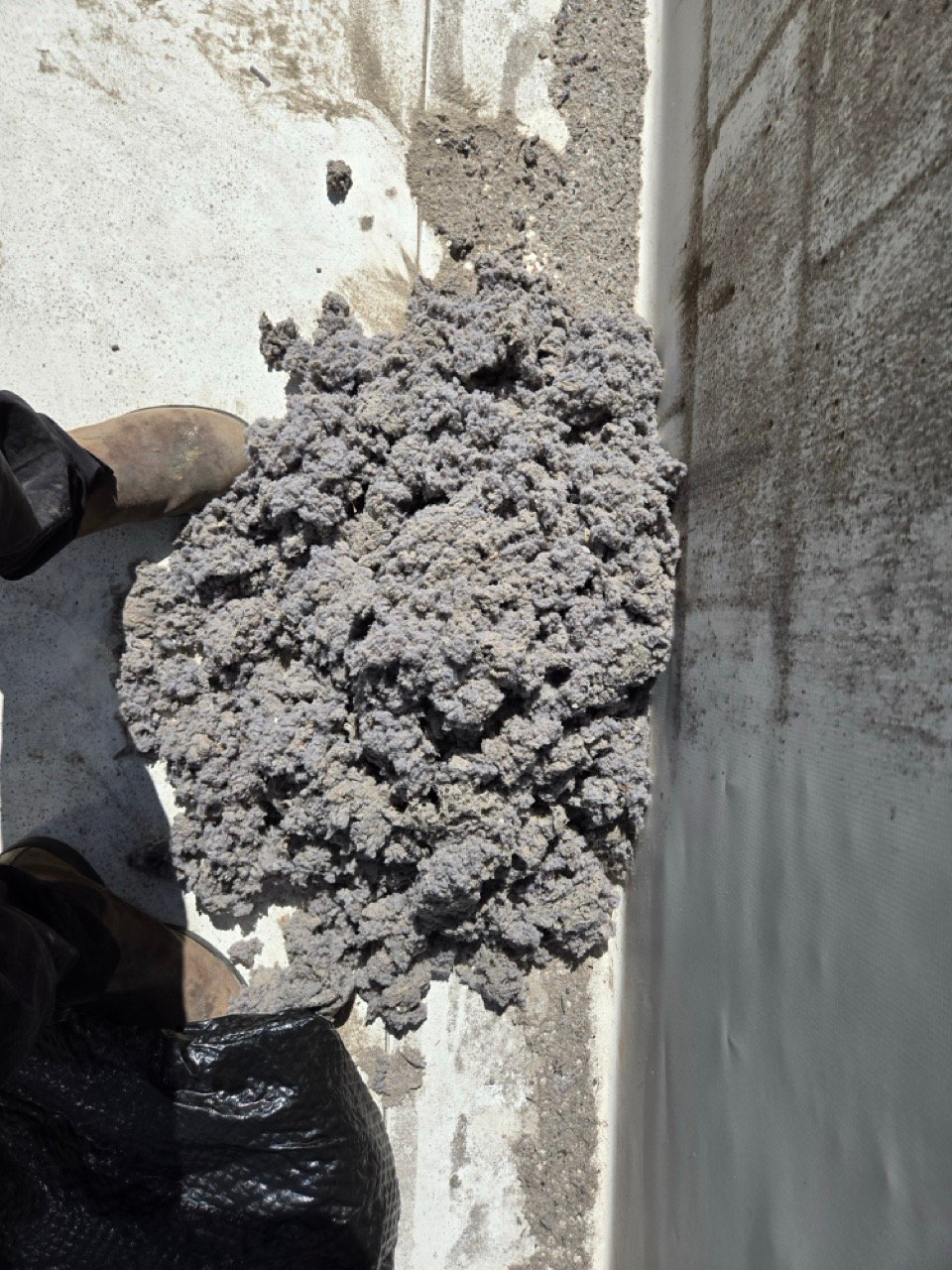
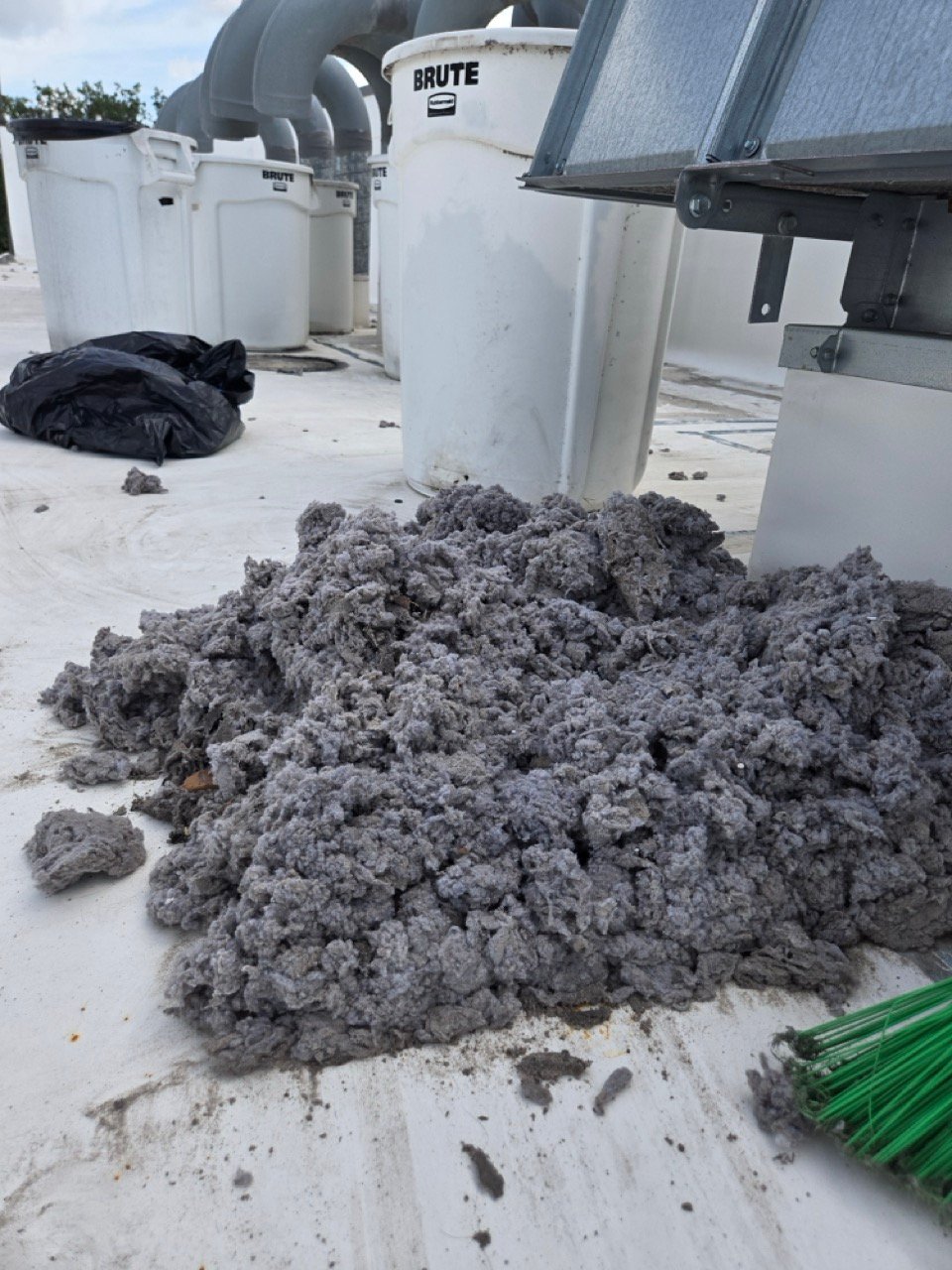
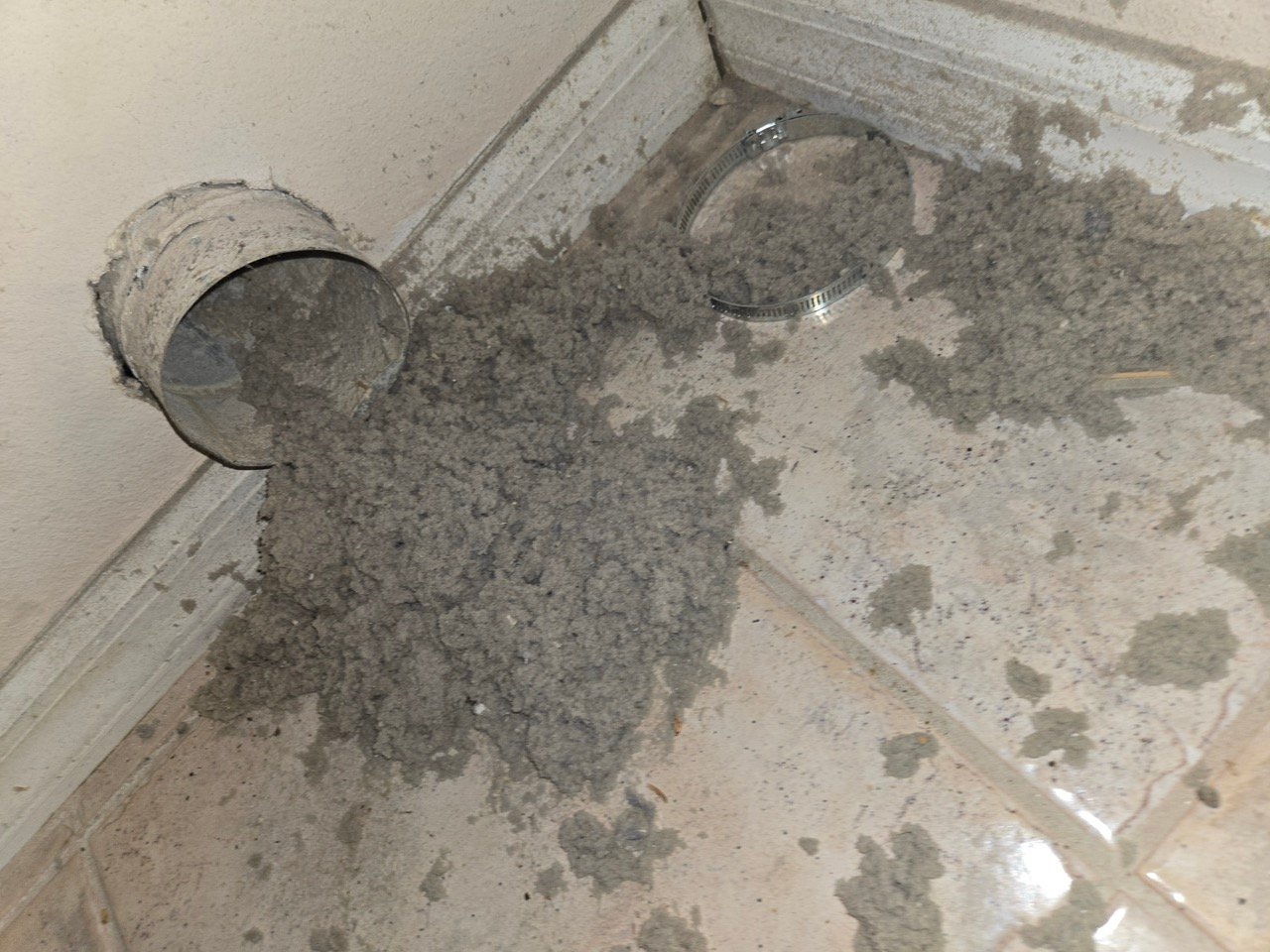
Inspection showed something more specific. Lint had accumulated along the exhaust route, with heavier material near the exterior termination. The outlet was not opening as freely as expected, and some of the lint around that area was more compacted than the loose material closer to the appliance.
The humidity had not created the lint. The dryer had. But outdoor moisture and an already restricted exhaust system had created conditions where the buildup near the termination became more troublesome.
This is why Dryer Vent Cleaning Wesley Chapel should account for local conditions without exaggerating what Florida weather actually does. If drying performance changes or lint repeatedly accumulates near the exterior outlet, professional residential dryer vent cleaning that addresses the full exhaust route can determine whether moisture is interacting with a developing restriction.
What Does Florida Humidity Actually Do to a Dryer Vent?
To understand the issue, start with what leaves the dryer.
Wet clothing contains a considerable amount of moisture. During a cycle, heated air picks up that moisture and carries it through the exhaust duct toward the outside.
A properly operating system is designed to move that warm, humid exhaust out efficiently.
Lint travels with it.
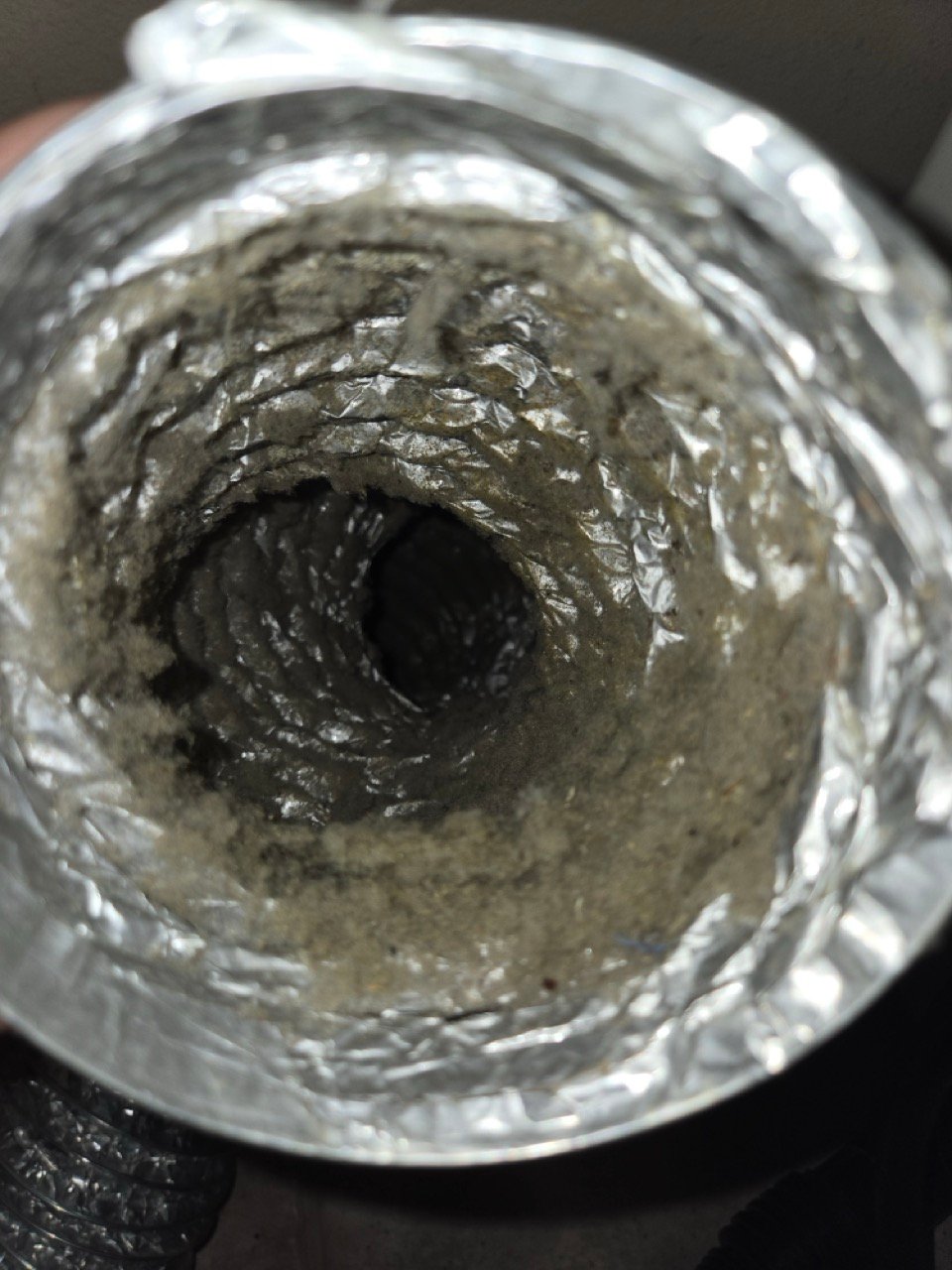
The lint screen catches a large portion of the fibers released by clothing, but fine material still enters the vent. In a clean system with good exhaust movement, much of that material continues toward the termination. As buildup develops, however, lint can begin settling along duct walls and around bends.
Florida’s humidity becomes relevant near parts of the system exposed to outdoor conditions, particularly the termination. Moisture and frequent rainfall can contribute to lint becoming damp or compacted around an already restricted outlet.
A useful way to think about it is this: humidity usually acts as a contributing condition, not the original cause of the clog.
This matters because simply blaming Florida weather can hide the real maintenance issue. A vent with significant lint accumulation still needs the buildup addressed.
Residents experiencing recurring problems can explore dryer vent cleaning and maintenance solutions for Wesley Chapel properties to determine whether the vent itself, the exterior termination, or both need attention.
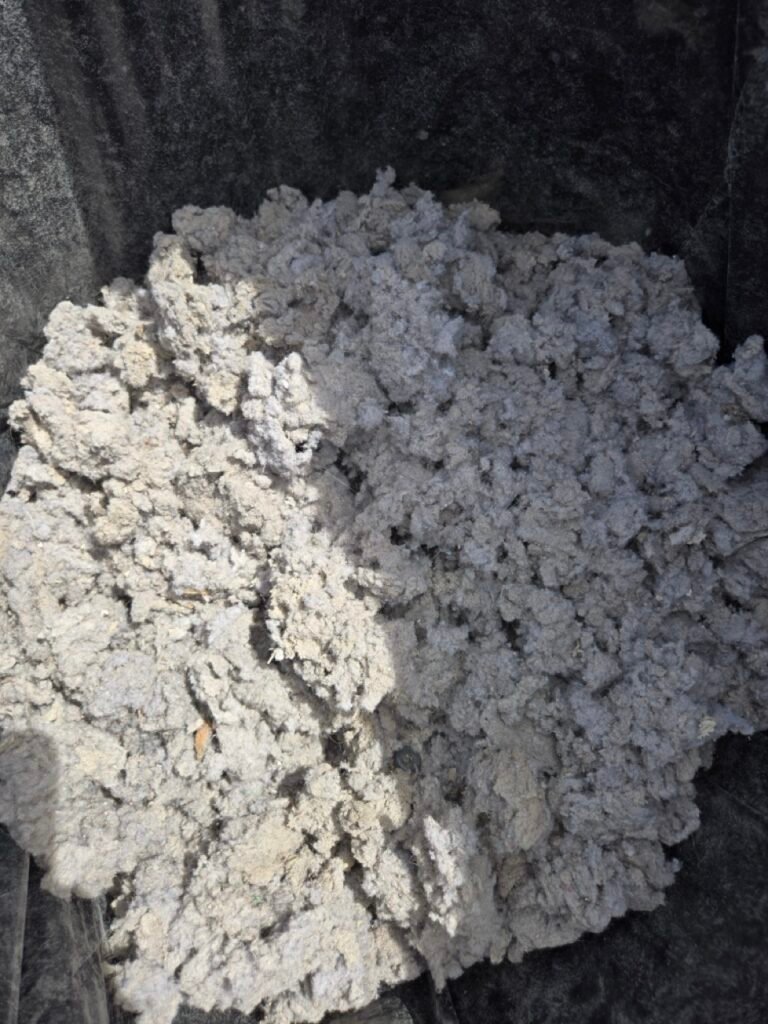
Why Damp Lint Can Be More Troublesome Than Loose, Dry Lint
Fresh dryer lint is usually light and fluffy. That is exactly what you see when you remove it from the lint screen.
Inside an exhaust system, lint does not always stay that way.
Fine fibers can catch against rough areas, bends, joints, or existing buildup. Near an exterior termination, exposure to humid outdoor conditions and moisture can contribute to material becoming more compact.
A small amount of loose lint near an outlet may not create a significant problem. But as material accumulates and becomes packed together, the opening available for exhaust can become smaller.
I’ve inspected exterior terminations where the lint visible from outside appeared minor. Once the outlet was checked more closely, buildup extended farther into the termination than expected. Material immediately exposed to outdoor conditions was denser than the lint closer to the dryer.
This is one reason cleaning only what you can see from outside may not solve the underlying problem.
Good Dryer Vent Maintenance Wesley Chapel includes paying attention to the complete route, particularly when lint repeatedly returns around the exterior opening.
If the outlet is collecting damp or compacted material, residential dryer vent cleaning for hard-to-reach lint accumulation can address buildup beyond the visible portion of the termination.
Wesley Chapel’s Rainy Season Makes the Exterior Vent Worth Checking
Humidity is only part of Central Florida’s weather pattern. Frequent rain is another reason to occasionally inspect the exterior termination.
A properly designed termination helps prevent outdoor conditions from entering the duct while allowing dryer exhaust to leave. The flap or louvers should be able to move freely when the dryer operates.
Problems develop when that opening becomes obstructed.
Lint may collect around the outlet. Vegetation can grow too close. Insects or debris can interfere with moving components. A damaged flap may not operate as intended.
After periods of heavy rain, these conditions are worth noticing because the exterior termination is one of the few parts of the dryer exhaust system you can easily observe without taking anything apart.
While the dryer is running, check whether the outlet opens normally. You should notice exhaust leaving the termination. If movement becomes noticeably weaker than before, that information is more useful than simply assuming seasonal humidity is responsible.
A partially restricted vent can still move some air, so visible exhaust does not prove the complete duct is clear.
When the exterior termination is not operating normally, schedule an evaluation of the dryer exhaust path and outside vent rather than repeatedly cleaning only the visible lint.
Why Longer Vent Runs Can Make Moisture Problems More Noticeable
Vent design has a major influence on how efficiently a dryer moves moisture outside.
A machine positioned against an exterior wall may have a short route. Another dryer located farther inside the building may need to exhaust through a longer duct with several changes in direction.
Longer does not automatically mean problematic. But additional distance and turns create more resistance and more locations where lint can settle.
When a vent already has accumulation, reduced exhaust movement can leave warm, moisture-laden air in the system longer than intended. In a humid climate, the combination deserves attention.
This is particularly important when drying times have gradually increased. The resident may blame the appliance or Florida weather, while the more significant issue is a long exhaust route that has accumulated lint over time.
Commercial properties can face the same challenge at a much higher usage level. Dryers operating repeatedly throughout the day move far more lint and moisture through their exhaust systems. Businesses can review commercial dryer vent cleaning for high-use equipment in Wesley Chapel rather than assuming a residential maintenance interval is appropriate.

How Humidity and Lint Buildup Can Affect Drying Time
When a dryer starts taking longer, Florida’s humidity often gets blamed first. Outdoor humidity can influence conditions around the exterior termination, but a properly operating dryer should still be able to remove moisture from normal loads.
The bigger question is whether the exhaust system is moving that moisture outside effectively.
As lint accumulates, the open space inside the duct can become smaller. The dryer may still produce plenty of heat, but warm, moisture-laden exhaust has a more difficult path to the outside. Clothing can stay damp longer even though it feels very warm.
A useful field clue is the combination of symptoms. Longer cycles by themselves can have several causes. Longer cycles plus weak exterior exhaust and increasing heat around the appliance make the vent more relevant to the investigation.
One Wesley Chapel resident noticed that bedding seemed especially difficult to dry during the wet summer months. They had begun extending the cycle and assumed the weather was responsible. Inspection showed that the exterior outlet was only part of the issue. Lint had accumulated around two bends farther inside the route, reducing exhaust before it ever reached the termination.
After the restriction was addressed, the practical takeaway was clear: humidity can make an existing vent problem more noticeable, but it should not become the default explanation for poor dryer performance.
When loads are consistently taking longer, professional residential vent cleaning that evaluates the full exhaust pathway can determine whether lint buildup is contributing to the problem.
Why Your Exterior Dryer Vent Matters So Much in Florida
The exterior termination has a simple but important job. It needs to allow dryer exhaust out while limiting unwanted entry from outside.
In Wesley Chapel, that component spends the year exposed to heat, high humidity, rain, insects, vegetation, and wind-driven debris. Over time, those conditions can affect how freely a flap or set of louvers operates.
Lint adds another variable.
Fine fibers traveling through the exhaust can collect around the termination. If the outlet already has limited movement, additional material can further reduce the opening.
A quick visual check can be surprisingly useful. With the dryer running, observe the exterior termination from a safe location. Does it open freely? Has lint accumulated around the edges? Is vegetation growing directly in front of it? Does the exhaust seem substantially weaker than you remember?
Do not modify the termination or remove components without understanding their purpose. The goal is simply to notice obvious changes.
For residents dealing with recurring exterior vent issues, local dryer vent maintenance solutions for Wesley Chapel properties can help determine whether the outlet needs attention as part of a larger exhaust problem.
Can Moisture Get Inside a Dryer Vent?
A dryer vent routinely carries moisture because removing water from clothing is part of the drying process. That moisture should travel outside with the heated exhaust.
What you do not want is moisture lingering unnecessarily because exhaust performance is poor.
If a vent is significantly restricted, warm humid exhaust may move more slowly through the system. Other physical issues can matter too. A damaged exterior termination or an improperly configured vent may allow conditions that deserve correction.
Visible water around a dryer vent should not automatically be blamed on Florida humidity.
I’ve encountered situations where someone assumed moisture near the vent was simply condensation caused by the climate. Closer investigation showed that poor exhaust and a physical vent issue were contributing. Treating it as “just Florida” would have missed the actual maintenance problem.
If you see recurring moisture where it does not belong, especially when combined with slow drying or weak exhaust, have the system evaluated rather than repeatedly wiping the area and moving on.
Schedule an inspection of the dryer vent and exterior termination when unexplained moisture or declining performance continues.
Why a Crushed Vent Connection Can Make Humidity-Related Symptoms Worse
Not every restriction is caused by lint.
The transition duct behind the dryer can become compressed when the appliance is pushed too close to the wall. It may also develop a sharp bend after the dryer is moved for cleaning, flooring work, or replacement.
A restricted connection reduces exhaust before air even reaches the main vent.
This can create symptoms that are easily mistaken for a clogged duct: longer drying time, excessive heat, and weak exterior exhaust.
Imagine adding lint buildup farther along the route and a humid exterior environment to that already restricted connection. There may be several small problems contributing to poor performance rather than one dramatic blockage.
This is why Clogged Dryer Vent Cleaning Wesley Chapel should involve more than removing lint and leaving. If a visible connection is crushed, cleaning cannot correct that physical restriction.
The system should make sense from the dryer to the termination.
For households experiencing recurring performance problems, residential dryer vent service that considers both buildup and vent condition can help identify whether cleaning alone is sufficient.
High Laundry Volume Can Speed Up the Problem
Climate matters, but usage often matters more.
A family running the dryer every day sends far more lint and moisture through the exhaust system than a household doing only a few loads each week. Towels, bedding, cotton fabrics, and pet-related laundry can also produce significant lint.
This is why two neighboring Wesley Chapel properties can have completely different maintenance needs even though they experience the same weather.
For Residential Dryer Vent Cleaning Wesley Chapel, household size, laundry frequency, vent length, and previous buildup should influence the cleaning schedule.
The difference becomes even greater in commercial settings. Equipment may operate repeatedly throughout the day, which means a much larger volume of lint and moisture passes through the exhaust route.
Commercial Dryer Vent Cleaning Wesley Chapel should therefore follow actual equipment usage rather than a generic annual recommendation. Businesses with frequently operated dryers can explore commercial dryer exhaust cleaning based on workload and vent conditions to establish a more appropriate maintenance interval.
Does Florida Humidity Mean You Need More Frequent Dryer Vent Cleaning?
Not automatically.
A Wesley Chapel property should not be placed on an unusually aggressive cleaning schedule simply because Florida has high humidity. Laundry volume, vent length, number of turns, previous lint accumulation, and changes in dryer performance are usually more useful factors.
For many households, professional inspection or cleaning around once a year is a reasonable starting point. A family running several loads every day may need attention sooner, while a lightly used system with a short, direct exhaust route may accumulate material more slowly.
The exterior termination deserves more frequent visual checks because it is exposed directly to local weather.
After periods of heavy rain, take a look at the outlet when conditions are safe. Check whether vegetation or debris is interfering with it. While the dryer operates, notice whether the flap or louvers open normally.
A service visit once involved a resident who assumed Florida humidity meant the vent needed professional cleaning every few months. Inspection did not support that schedule. The exhaust route had only modest buildup and was performing normally. The more useful recommendation was regular exterior observation and a maintenance interval based on the system’s actual condition.
That is what good Dryer Vent Maintenance Wesley Chapel should look like. Service frequency should respond to evidence rather than assumptions about the climate.
For residents who do not know when their vent was last serviced, professional residential dryer vent cleaning and inspection can establish a useful baseline.
What Can You Do Between Professional Cleanings?
A few simple habits can reduce the chance of a small vent issue going unnoticed.
Clean the lint screen after every load. This remains the most important routine task because it limits how much material enters the exhaust route.
Then pay attention to the dryer itself.
If the same towel load suddenly needs another 20 minutes, remember that change. If the laundry area becomes noticeably hotter during operation, do not automatically blame summer weather. If exterior exhaust becomes weaker, investigate why.
Periodically check the visible transition connection behind the appliance if it can be done safely. It should not be crushed or sharply kinked.
Outside, keep vegetation from growing directly against the termination and watch for visible lint, debris, or a flap that no longer moves freely. Wesley Chapel’s long growing season makes vegetation around exterior components worth checking throughout the year.
These observations take very little time but provide useful information.
If routine checks reveal repeated buildup or declining performance, explore local dryer vent cleaning and maintenance services available in Wesley Chapel rather than simply shortening every drying cycle or increasing the heat setting.
When Moisture Means the Vent Needs More Than Cleaning
Cleaning removes lint and debris. It does not repair damaged vent components.
This distinction becomes particularly important when moisture problems keep returning.
Suppose Clogged Dryer Vent Cleaning Wesley Chapel removes significant accumulation, but the exterior termination is damaged and allowing unwanted exposure to outdoor conditions. Cleaning the duct without correcting the damaged component leaves part of the problem unresolved.
The same applies to disconnected sections, crushed transition material, or other physical defects.
During an inspection, a technician should be looking for more than the amount of lint removed. The condition of accessible connections and the termination can help explain why the same problem keeps coming back.
A practical example is an exterior flap that sticks partially closed. Lint may repeatedly accumulate around it because exhaust cannot leave as freely as intended. Cleaning the lint provides temporary improvement, but the faulty termination still deserves attention.
When recurring moisture, weak exhaust, or repeated buildup suggests a physical problem, request a professional evaluation of the dryer exhaust configuration rather than assuming another cleaning will correct everything.
How Professional Dryer Vent Cleaning Helps in a Humid Climate
Professional Dryer Vent Cleaning cannot change Florida’s weather, and it should never be marketed as though it can.
What cleaning can do is remove accumulated lint that interferes with the exhaust system’s ability to move warm, moisture-laden air outside.
That distinction is important.
A dryer vent is designed to handle moisture generated during normal drying. Problems develop when the pathway becomes restricted or a component is no longer operating properly.
Professional service can also reveal where material tends to collect. If buildup is concentrated near a particular bend or exterior termination, that finding can help determine what should be monitored between cleanings.
After service, you should understand what was discovered and whether anything beyond lint removal deserves attention.
For Wesley Chapel residents, residential dryer vent cleaning focused on the complete accessible exhaust route can help separate ordinary lint accumulation from vent conditions that may be contributing to moisture-related problems.
Residential and Commercial Systems Need Different Maintenance Strategies
Weather may be the same across Wesley Chapel, but dryer usage is not.
A residential machine might handle a few loads each week. A commercial dryer can run repeatedly throughout the day. That difference often matters more than humidity when determining how quickly a vent needs attention.
With Residential Dryer Vent Cleaning Wesley Chapel, maintenance should reflect family size, laundry habits, vent design, and previous inspection findings.
For Commercial Dryer Vent Cleaning Wesley Chapel, operating hours become especially important. A business processing many loads can move a large volume of lint and moisture through its exhaust system in a relatively short period.
Commercial operators should also track changes in cycle time. If equipment that previously completed loads consistently begins running longer, the exhaust system should be included in the investigation.
Businesses can review commercial dryer vent maintenance for high-use equipment rather than following the same interval used for a typical household.
For either type of property, the best maintenance plan is based on what the system is actually doing. Explore dryer vent services available throughout Wesley Chapel when humidity, repeated buildup, or declining exhaust performance makes the right next step unclear.
Manage the Vent, Not the Florida Weather
You cannot change Wesley Chapel’s humidity, and you do not need to. A properly functioning dryer exhaust system is designed to carry moisture outside. The practical goal is to prevent lint buildup, damaged components, or an obstructed termination from making that job harder.
Start with what you can control. Clean the lint screen after every load. Notice when familiar loads begin taking longer. Check the visible connection behind the appliance when it is safely accessible, and occasionally observe the exterior termination while the dryer operates. After periods of heavy rain or rapid vegetation growth, make sure the outside outlet remains unobstructed.
For residential systems where lint has accumulated beyond accessible areas, professional cleaning of the complete residential dryer exhaust route can address restrictions that ordinary household maintenance cannot reach. Businesses operating dryers throughout the day should use a workload-based schedule and can explore commercial dryer vent maintenance for high-use equipment.
Humidity should also not become an explanation for every dryer problem. If clothes suddenly need two cycles, the appliance becomes unusually hot, or exterior exhaust weakens, look for the actual cause. Review the complete range of dryer vent solutions available throughout Wesley Chapel when the issue may involve cleaning, the exterior termination, or another part of the exhaust route.
Superb Dryer Vent Cleaning Wesley Chapel can evaluate how the system is performing and explain whether lint accumulation or a vent condition deserves attention. Residents comparing local service options can also review the company’s Google business presence and customer information.
The key point behind Dryer Vent Cleaning Wesley Chapel is simple. Florida’s humid climate can contribute to conditions around a dryer vent, particularly near the exterior termination, but humidity is rarely the whole problem. Keeping the exhaust route clear and responding to actual performance changes is far more useful than blaming the weather.
Frequently Asked Questions
Can Florida humidity actually clog a dryer vent?
Humidity by itself does not create dryer lint or automatically clog the duct. The concern is that moisture can interact with existing lint, particularly near an exterior termination, and contribute to material becoming damp or compacted.
Why does lint seem to collect around my outside dryer vent?
Fine fibers that pass through the lint screen travel through the exhaust system. Some can accumulate near the exterior outlet, especially if the termination does not open freely or exhaust performance has declined. Outdoor moisture and debris may make the buildup more noticeable.
Can humid weather make my clothes take longer to dry?
Outdoor humidity should not normally cause a properly operating dryer to suddenly need two cycles. If drying time has increased significantly, check the load size, lint screen, vent connection, exterior exhaust, and appliance performance rather than assuming Florida weather is solely responsible.
How often should I schedule Dryer Vent Cleaning Wesley Chapel?
For many households, around once a year is a reasonable starting point. Heavy laundry use, long vent runs, multiple turns, or previous rapid buildup may justify more frequent service. Humidity alone should not determine the cleaning schedule.
What Dryer Vent Maintenance Wesley Chapel should I do during rainy months?
Continue cleaning the lint screen after every load and periodically inspect the exterior termination. After heavy rain, check for visible debris, vegetation, lint accumulation, or a flap that is not moving freely when the dryer operates.
Can moisture inside a dryer vent cause problems?
Dryer exhaust naturally contains moisture from wet clothing. The system is designed to carry that moisture outside. Problems deserve investigation when poor exhaust, physical vent defects, or recurring moisture appear where they should not.
Will Dryer Vent Cleaning solve moisture problems?
Dryer Vent Cleaning can help when accumulated lint is restricting the exhaust route. It will not repair a damaged termination, disconnected duct, crushed connection, or appliance problem. Recurring moisture should be evaluated to identify its actual cause.
When do I need Clogged Dryer Vent Cleaning Wesley Chapel?
Consider professional cleaning when drying time increases, exterior exhaust becomes weak, lint repeatedly collects around the outlet, or basic maintenance does not restore normal performance. Long or complicated vent routes can also make professional cleaning more useful.
Does a commercial dryer need more frequent vent cleaning in Florida?
Potentially. Commercial Dryer Vent Cleaning Wesley Chapel should be based mainly on equipment usage, operating hours, vent configuration, and inspection findings. High-use dryers can move much more lint and moisture through the exhaust system than residential equipment.
Is Residential Dryer Vent Cleaning Wesley Chapel different during humid weather?
The basic cleaning goal remains the same: remove accumulated lint and maintain an effective exhaust path. In Wesley Chapel’s humid climate, it is also sensible to pay closer attention to the exterior termination, especially after heavy rain or when repeated lint buildup appears near the outlet.