Most dryer vent problems don’t begin with a sudden breakdown. In many cases, the warning signs appear gradually and are easy to dismiss as part of normal wear and tear. Clothes may take a little longer to dry, the laundry room may feel warmer than usual, or the dryer might seem to run longer than it once did. Because these changes happen slowly, many homeowners simply adjust their routine instead of investigating the cause.
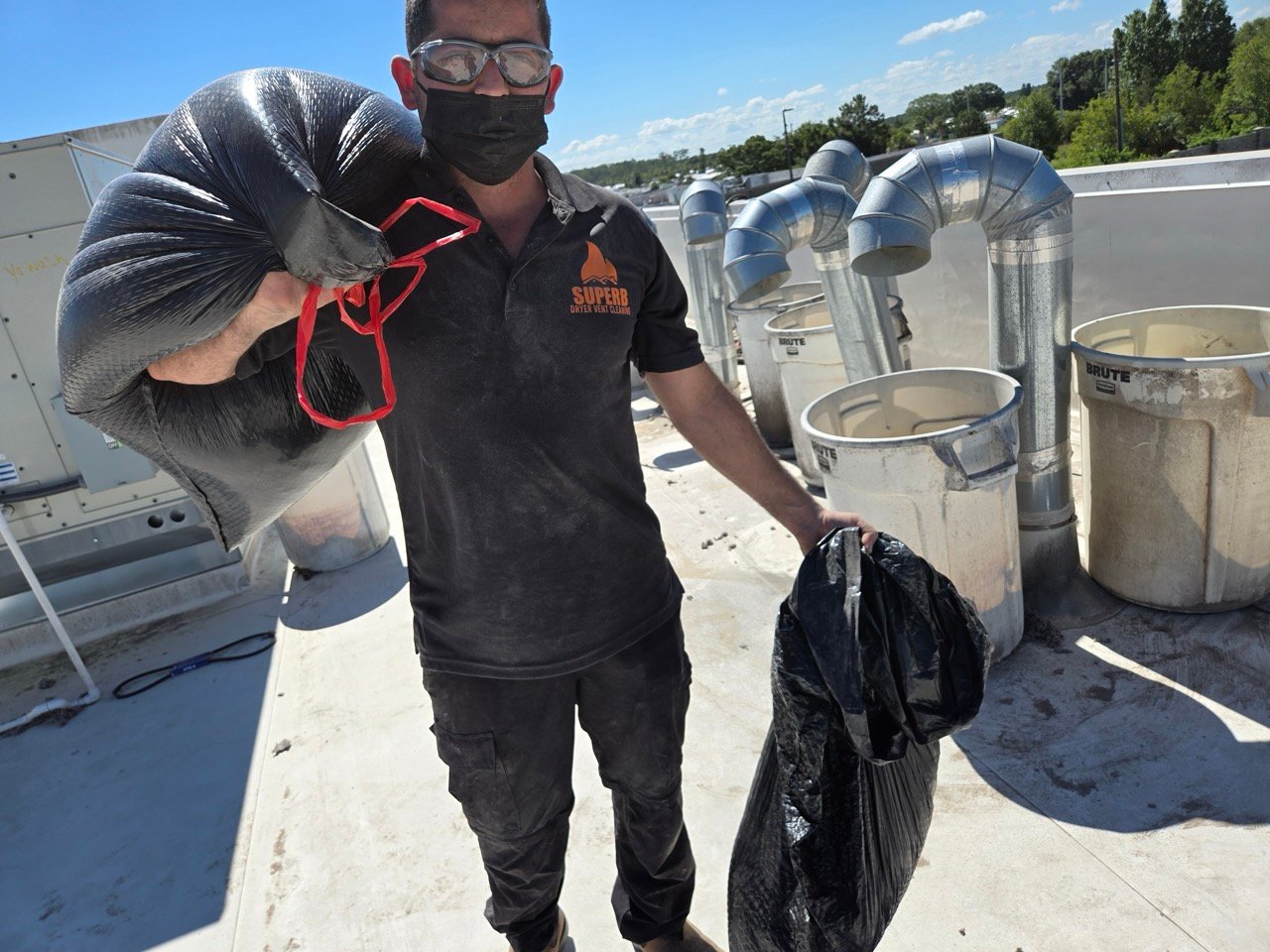
A Wesley Chapel homeowner recently scheduled an inspection after noticing that drying a normal load of towels required two complete cycles. They initially assumed the dryer was getting old and had already started shopping for a replacement. During the inspection, however, the appliance itself was working properly. The real issue was restricted airflow caused by lint buildup inside the vent system. Once the vent was professionally cleaned, drying times returned to normal, eliminating the need to replace a perfectly functional dryer.
Recognizing these early warning signs can help prevent unnecessary appliance repairs while keeping your laundry routine running smoothly. Knowing what to watch for allows homeowners to address minor airflow restrictions before they become larger maintenance concerns.
If you’d like to understand how professionals identify airflow issues before they become serious, discover what a complete dryer vent inspection includes and learn what technicians evaluate during a routine service visit.
Longer Drying Times Are Often the First Warning Sign
One of the earliest indicators of reduced dryer vent performance is a noticeable increase in drying time.
A load of clothing that once dried in forty or fifty minutes may suddenly require another cycle to finish completely. This change usually happens gradually, making it easy to blame larger loads, different fabrics, or the dryer’s age instead of the vent system itself.
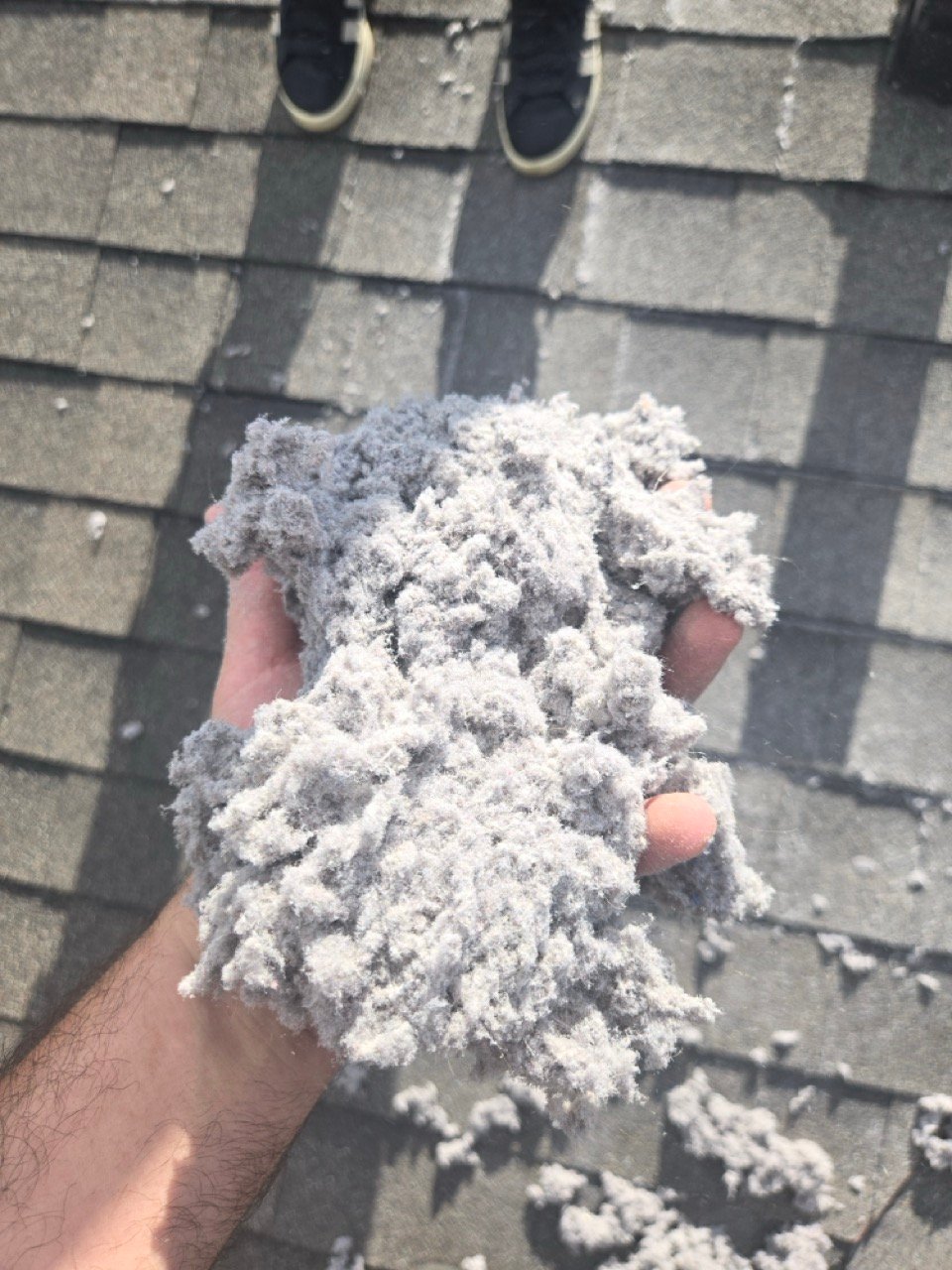
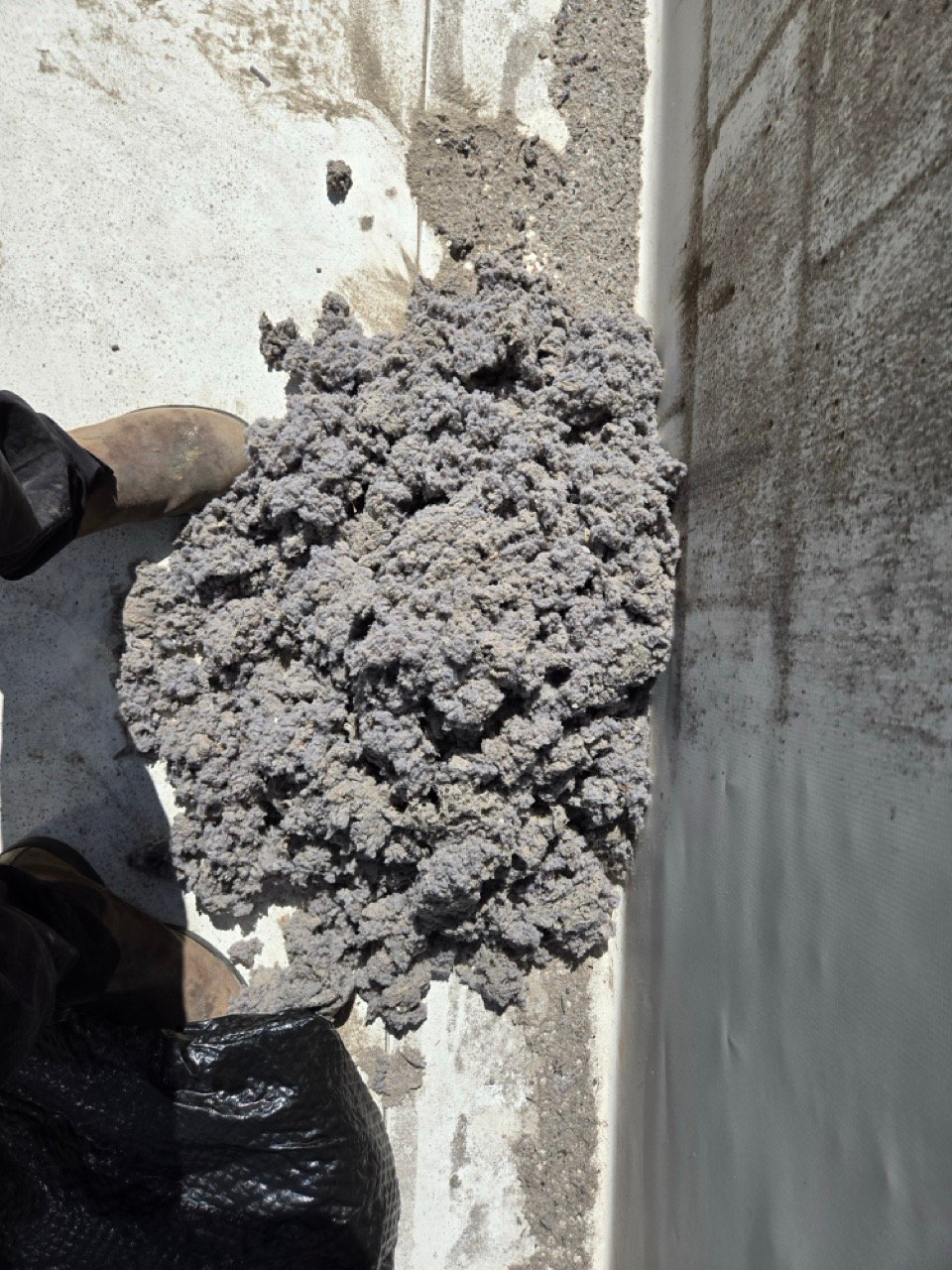
As lint slowly accumulates inside the vent, warm air cannot move through the exhaust system as efficiently. The dryer continues running, but it takes longer to remove moisture from clothing because restricted airflow limits its performance.
Paying attention to these subtle changes allows homeowners to address the underlying issue before additional strain is placed on the appliance.
To better understand how routine maintenance supports efficient airflow, explore practical dryer vent maintenance solutions for local homeowners and learn why early inspections often prevent larger problems.
An Unusually Hot Dryer Should Never Be Ignored
It’s normal for a dryer to become warm while operating, but excessive heat is often a sign that air isn’t moving through the vent as efficiently as it should.
One homeowner mentioned that the outside of the dryer felt much hotter than they remembered, especially after drying towels and bedding. During the inspection, the heating components were functioning correctly. The increased temperature was caused by restricted airflow preventing heat from leaving the system efficiently.
When warm air cannot escape properly, the appliance works harder to complete each cycle. While the dryer may continue operating, excess heat often indicates it’s time to evaluate the vent system rather than assuming the appliance itself is failing.
If your dryer feels noticeably hotter than usual, learn how a professional inspection helps identify hidden airflow restrictions before they begin affecting everyday performance.
Clothes Feel Damp Even After a Complete Drying Cycle
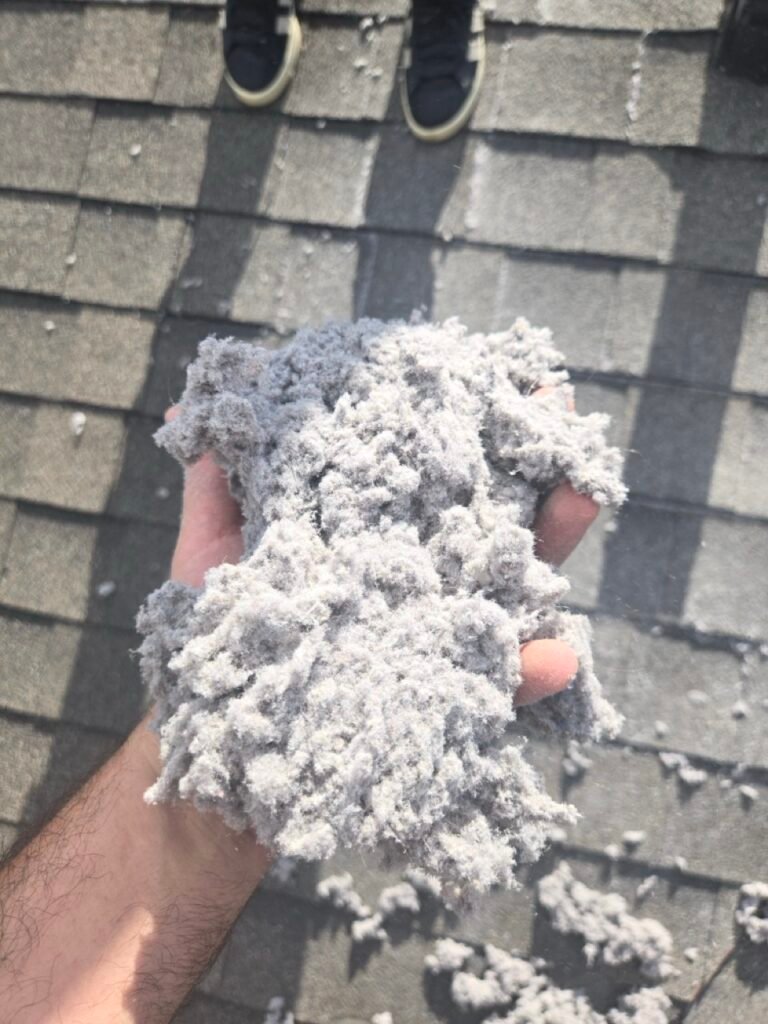
When a dryer vent isn’t moving air efficiently, moisture has a harder time leaving the dryer. As a result, clothes may still feel damp even after the cycle has finished. Many homeowners assume they’ve overloaded the dryer or selected the wrong setting, but restricted airflow is often the real cause.
One homeowner mentioned that jeans and towels were the biggest problem. Lightweight clothing dried without much trouble, but heavier fabrics almost always needed another cycle. During the inspection, the dryer itself was operating normally. The issue was a layer of lint that had gradually built up inside the vent, slowing the movement of warm, moist air. Once the vent was cleaned, heavier items dried much more consistently.
If your laundry frequently needs a second cycle, it’s worth having the vent system evaluated before assuming the appliance needs repair.
To better understand how airflow is checked during a professional visit, discover what technicians inspect during a complete dryer vent evaluation and learn how hidden restrictions are identified.
Excess Lint Around the Dryer Can Indicate an Airflow Problem
Most homeowners expect to see lint inside the lint screen, but lint collecting around the dryer or near the vent connection deserves closer attention.
During one service visit, a homeowner noticed small amounts of lint appearing behind the dryer whenever they cleaned the laundry room. They assumed it was simply escaping while emptying the lint screen. After inspecting the vent system, it became clear that a loose vent connection combined with restricted airflow was allowing lint to escape before reaching the outside.
Small amounts of visible lint don’t always indicate a serious issue, but they shouldn’t be ignored either. They may be an early sign that the vent system isn’t exhausting air as efficiently as it should.
If you’ve noticed lint collecting in places where it normally wouldn’t, schedule a professional dryer vent inspection with our local team before a minor airflow issue becomes a larger maintenance concern.
The Laundry Room Feels Warmer Than It Used To
Another warning sign that often develops gradually is excess heat inside the laundry room while the dryer is operating.
A properly functioning dryer vent carries warm air outdoors. When airflow becomes restricted, some of that heat can remain trapped around the appliance, making the room feel noticeably warmer than it once did.
One Wesley Chapel family mentioned that folding laundry in the utility room had become uncomfortable during the summer months. They assumed Florida’s heat was simply making the room warmer. During the inspection, however, reduced airflow inside the vent was preventing warm air from exhausting efficiently. Restoring proper airflow made the laundry room noticeably more comfortable during future drying cycles.
Wesley Chapel’s warm, humid climate can already make indoor spaces feel warmer, which is one reason it’s helpful to recognize changes that aren’t simply caused by the weather.
Many of the maintenance recommendations discussed in this article align with trusted dryer vent safety guidance, which encourages homeowners to keep dryer exhaust systems clean and unobstructed for safe, efficient operation.
If you’d like to better understand how professionals evaluate the complete vent system, see how a comprehensive dryer vent inspection is performed before reduced airflow begins affecting everyday performance.
Unusual Sounds or Burning Odors Should Be Investigated Promptly
A dryer should operate with a consistent sound from one load to the next. While every appliance is different, unusual noises or unexpected odors deserve attention.
Restricted airflow can sometimes cause the dryer to work harder than normal, and lint accumulation near heated components may create an unusual smell during operation. While these symptoms don’t automatically indicate a serious problem, they should never be dismissed as “normal.”
If you notice a burning odor, scraping sound, or any sudden change in the way your dryer operates, stop using the appliance until the cause has been identified. Addressing unusual symptoms early is often the safest and most practical approach.
For more homeowner guidance and seasonal maintenance recommendations, browse additional dryer vent care tips and local resources to help keep your dryer operating efficiently throughout the year.
Don’t Wait Until Small Warning Signs Become Bigger Problems
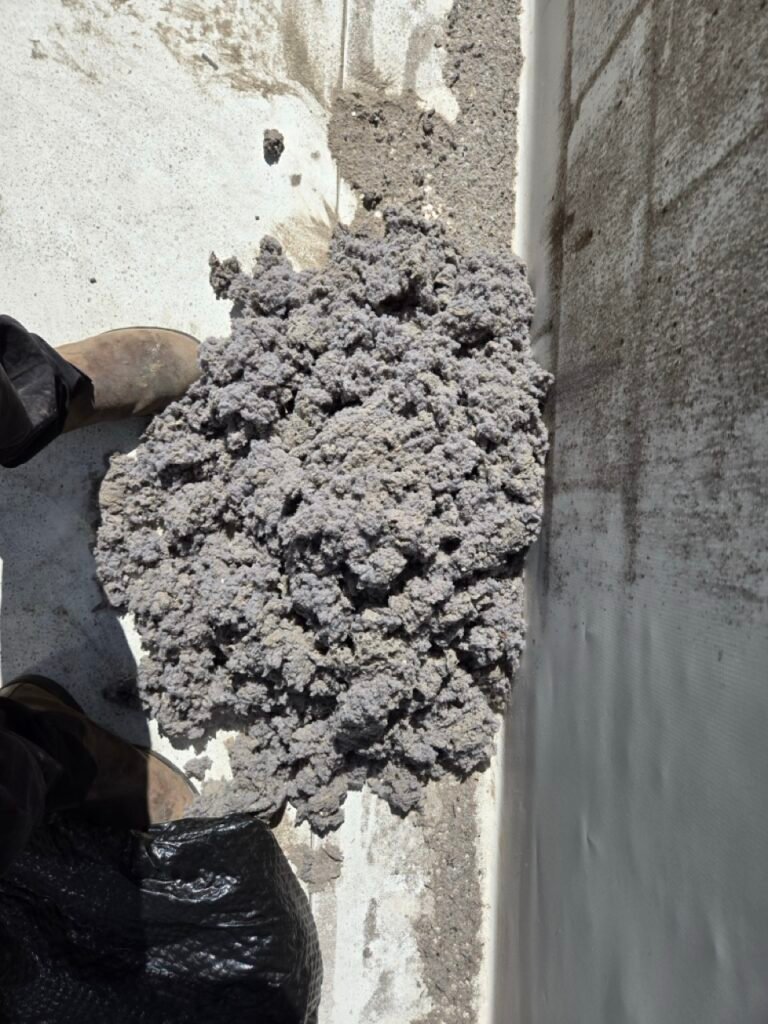
One of the biggest mistakes homeowners make is assuming the dryer will stop working completely before maintenance is needed. In reality, most dryer vent problems develop gradually. The appliance continues operating, but reduced airflow slowly affects drying performance, energy efficiency, and overall reliability.
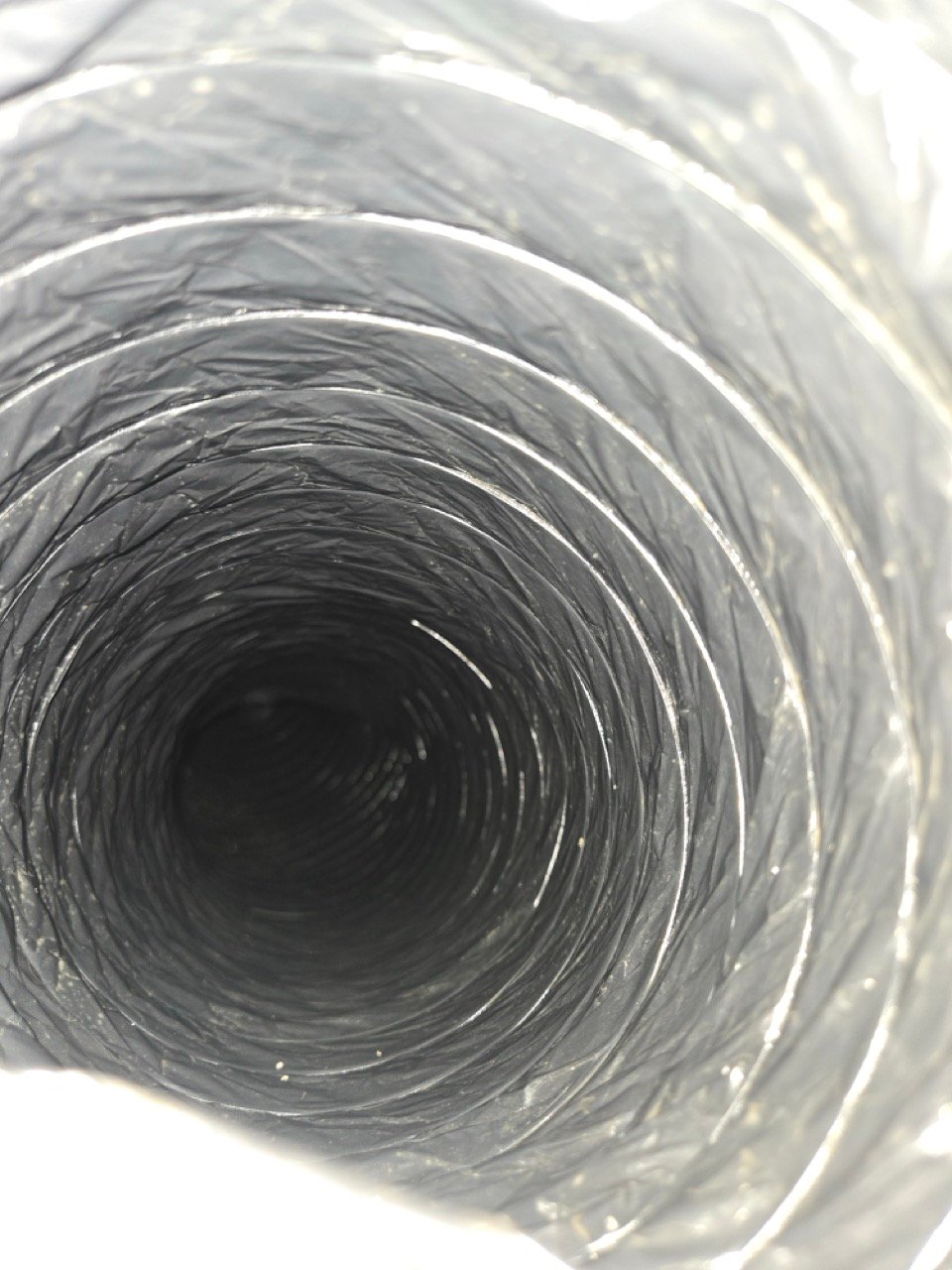
A professional inspection focuses on much more than removing lint. The entire vent system is evaluated, including airflow, vent connections, transition hoses, vent routing, and the outside vent hood. Catching small restrictions early often prevents larger maintenance concerns while helping the dryer continue operating as intended.
Every household uses the dryer differently. A family with young children may run several loads each week, while households with pets, guests, or larger families often place even greater demand on the vent system. Businesses such as salons, apartment communities, and laundromats typically operate dryers throughout the day, making routine maintenance even more important.
If your property depends on frequent dryer use, explore professional maintenance solutions for commercial laundry environments and learn how scheduled service helps maintain consistent airflow and reliable performance.
If you’ve noticed any of the warning signs discussed in this article, schedule a professional dryer vent inspection with our experienced local team before reduced airflow leads to unnecessary wear on your appliance.
Recognizing the Signs Early Helps Protect Your Dryer
The earlier you recognize changes in your dryer’s performance, the easier it is to address the underlying cause. Longer drying times, excess heat, damp clothes, visible lint around the appliance, or unusual smells are often the dryer’s way of telling you that airflow isn’t what it should be.
These warning signs don’t always mean something major is wrong, but they shouldn’t be ignored. Routine dryer vent cleaning helps restore proper airflow, improve drying efficiency, and reduce unnecessary strain on the appliance before small restrictions develop into larger maintenance concerns.
Whether your home is newer or older, paying attention to these subtle changes helps keep the entire dryer vent system performing efficiently throughout the year.
For additional seasonal maintenance advice and homeowner recommendations, browse our collection of dryer vent care tips and local resources to continue learning practical ways to improve dryer performance.
Superb Dryer Vent Cleaning Wesley Chapel proudly helps homeowners and businesses maintain clean, efficient dryer vent systems through professional inspections, thorough cleaning, and dependable maintenance services.
Keep Your Dryer Vent Performing at Its Best
Knowing what warning signs to watch for is the first step toward keeping your dryer operating efficiently. If you’d like to understand what technicians look for during a routine visit, discover how a complete residential dryer vent inspection helps identify hidden airflow restrictions before they affect your daily routine. Businesses, apartment communities, salons, and other properties with multiple dryers can explore professional dryer vent maintenance solutions for high-use facilities to help maintain reliable performance and reduce unnecessary downtime.
For more homeowner advice, seasonal maintenance recommendations, and practical dryer vent care tips, browse our collection of local resources and maintenance guidance designed to help Wesley Chapel residents keep their dryer vents operating efficiently year-round. Many of the recommendations shared throughout this article are supported by trusted dryer vent safety guidance from recognized industry experts, providing additional information about proper maintenance, airflow, and safe dryer operation. Whenever you’re ready for professional guidance, schedule a convenient appointment with our experienced local specialists and receive recommendations tailored to your home’s dryer vent system.
Frequently Asked Questions
1. What is the first sign that a dryer vent system may not be working efficiently?
One of the earliest warning signs is longer drying times. If clothes that normally dry in one cycle suddenly require two cycles, restricted airflow inside the dryer vent could be reducing the dryer’s efficiency.
2. Why does my dryer feel hotter than it used to?
A dryer naturally becomes warm during operation, but excessive heat often indicates that warm air isn’t leaving the vent system properly. Reduced airflow can cause heat to build up inside the appliance, making professional inspection worthwhile.
3. Why are my clothes still damp after the dryer finishes?
When moisture can’t move efficiently through the vent, clothes may remain damp even after a complete drying cycle. This often points to restricted airflow rather than a problem with the dryer itself.
4. Is it normal for the laundry room to become warmer while the dryer is running?
A slight increase in temperature is expected, but if the laundry room becomes noticeably hotter than usual, the dryer vent may not be exhausting warm air efficiently. This is a common sign that the vent system should be inspected.
5. Should I be concerned if I notice lint around the dryer?
Yes. Lint collecting behind or around the dryer may indicate an airflow restriction or a loose vent connection. It’s a good idea to have the vent system checked before the issue becomes more significant.
6. Can unusual smells or noises indicate a dryer vent problem?
They can. Burning odors, unusual sounds, or changes in how the dryer operates shouldn’t be ignored. While these symptoms don’t always mean there’s a serious problem, they do suggest it’s time for a professional evaluation.
7. How often should I have my dryer vent inspected?
The ideal schedule depends on your household’s laundry habits. Larger families, homes with pets, and properties where the dryer is used frequently often benefit from more regular inspections than homes with lighter usage.
8. Is professional maintenance different for commercial properties?
Yes. Commercial Dryer Vent Cleaning Wesley Chapel is generally based on how often dryers operate rather than a fixed schedule. Apartment communities, salons, laundromats, and other businesses usually require more frequent maintenance because of heavier daily use.
9. Can routine dryer vent maintenance improve dryer efficiency?
Yes. Removing accumulated lint and confirming proper airflow helps the dryer operate more efficiently, often reducing drying times while placing less strain on the appliance.
10. When should I schedule a professional dryer vent inspection?
If you’ve noticed longer drying cycles, increased heat, damp clothes, visible lint around the dryer, unusual odors, or it’s been a long time since your last inspection, scheduling Dryer Vent Maintenance Wesley Chapel is a practical way to help restore proper airflow and maintain reliable dryer performance.