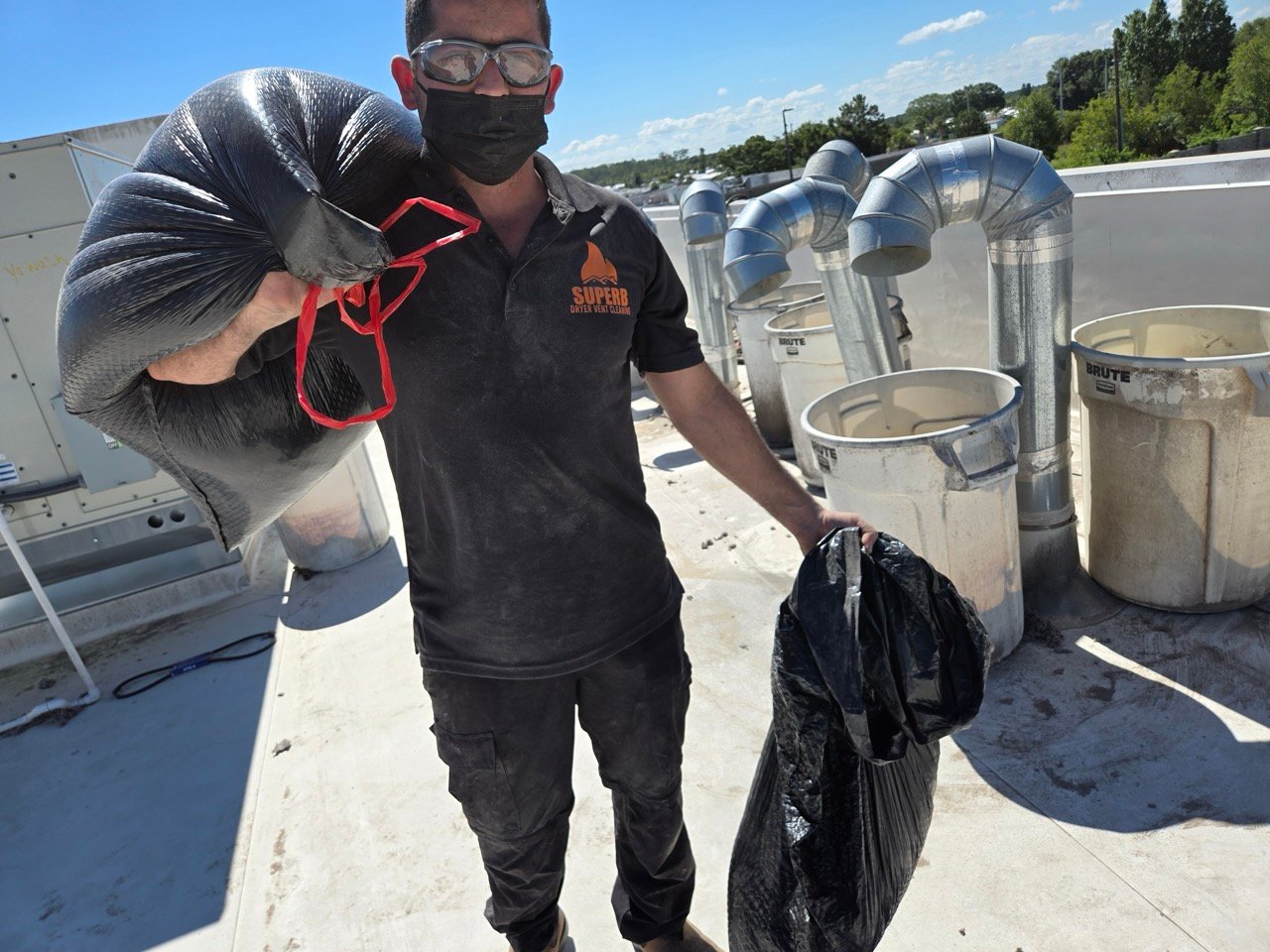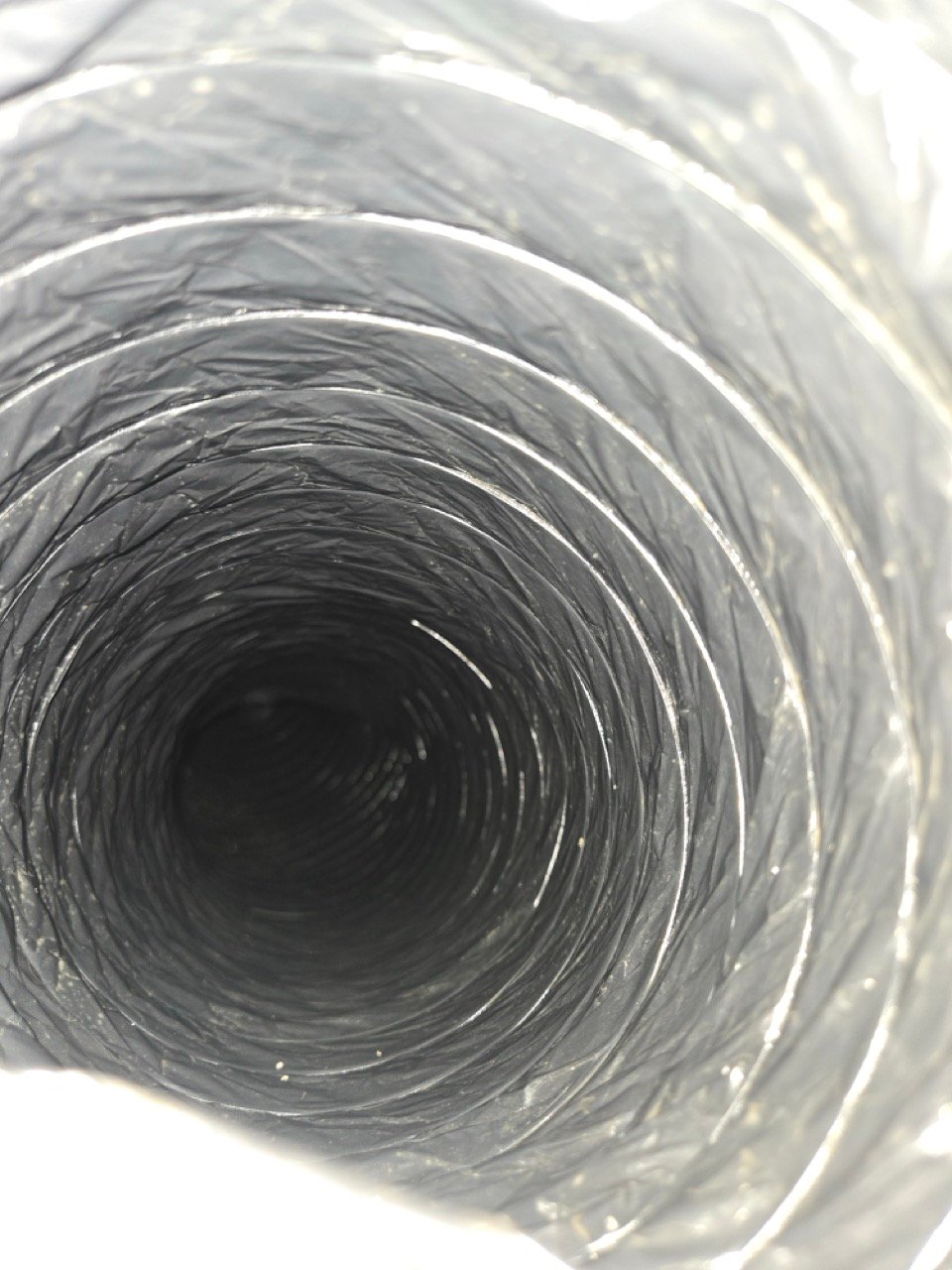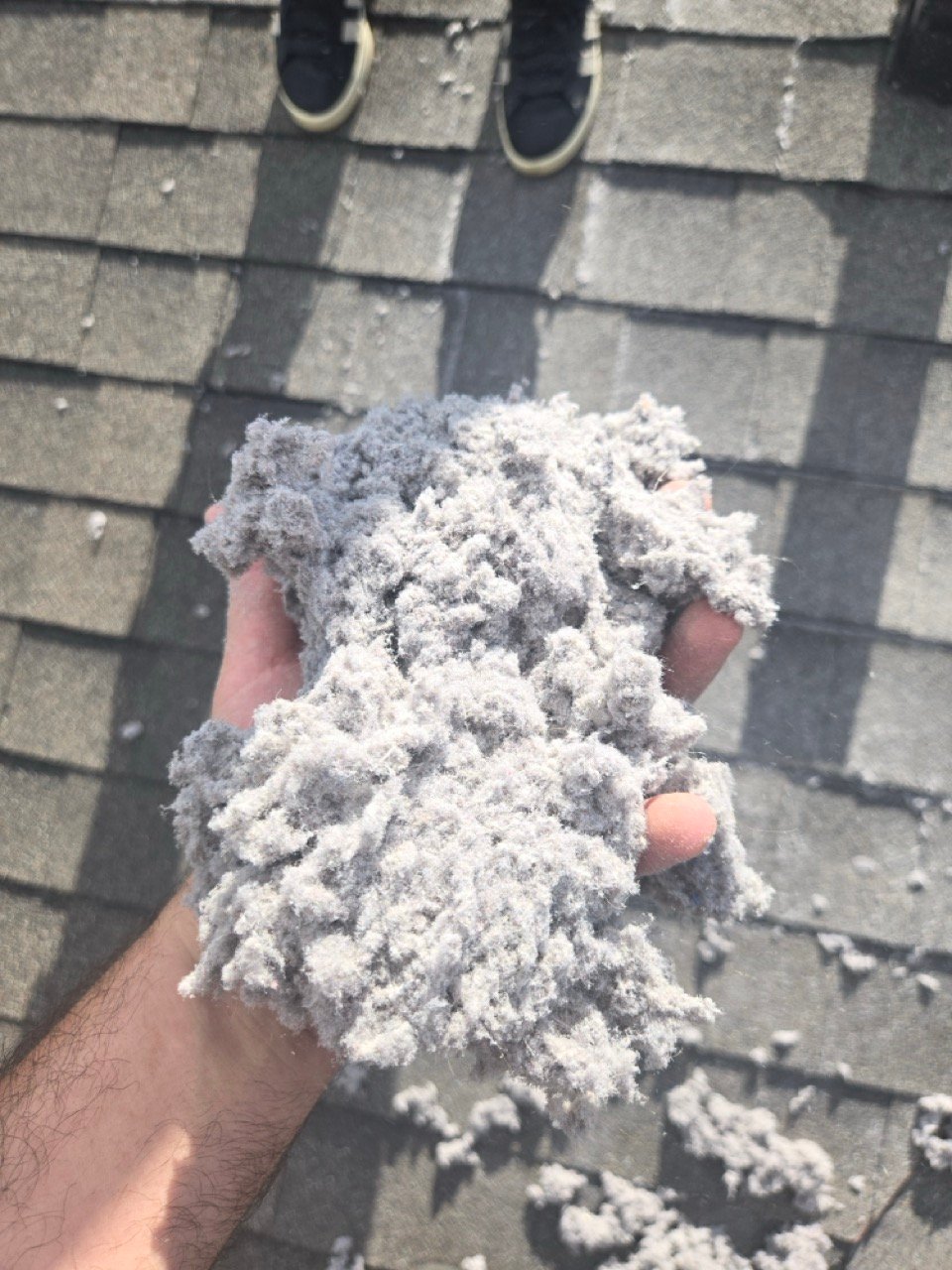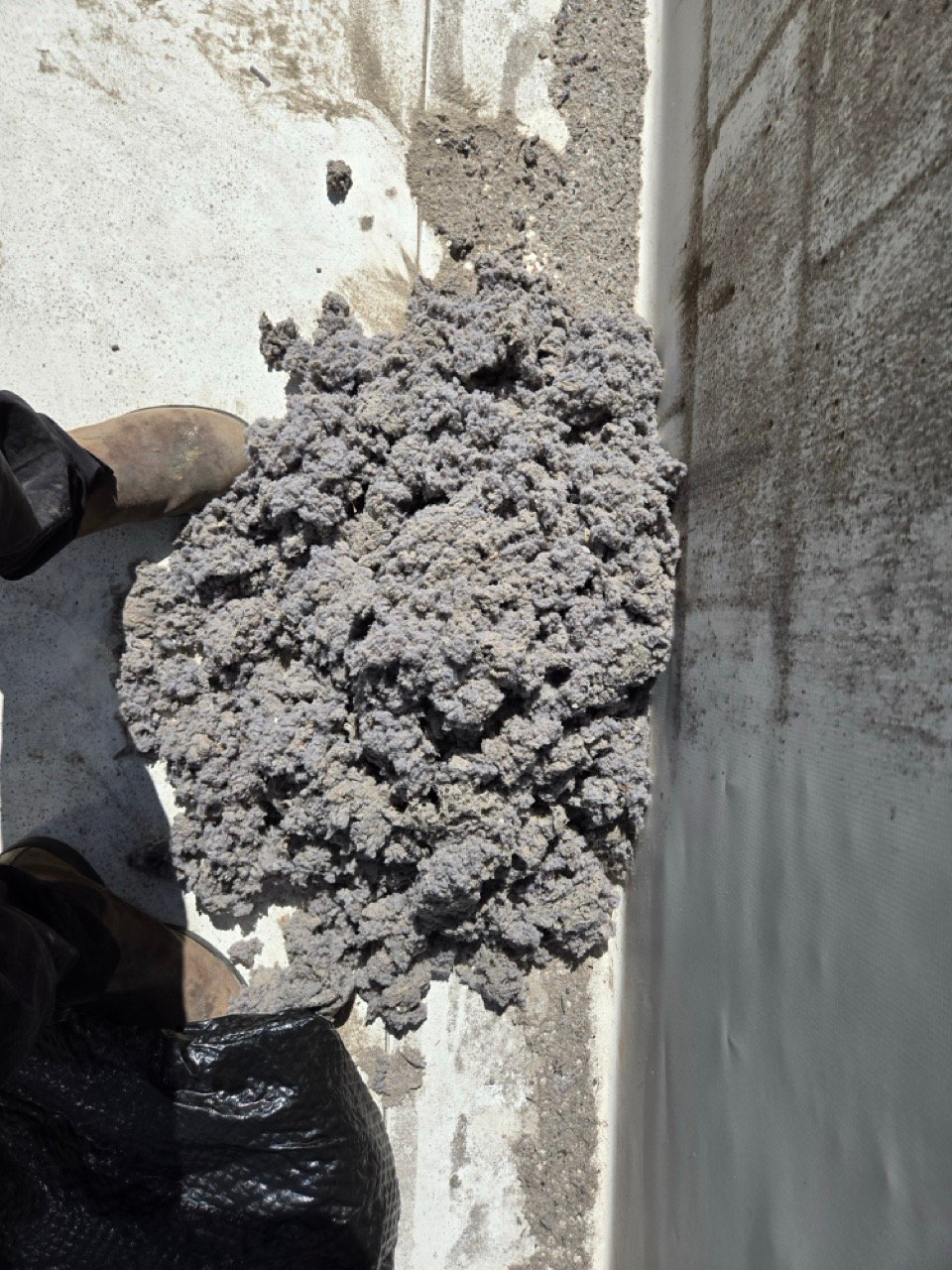
Dryer vent problems rarely appear overnight. Most start with small changes that are easy to dismiss. A load takes a little longer. The dryer feels warmer. Towels come out slightly damp. Because the machine still runs, it is tempting to assume everything is fine.
One Wesley Chapel service situation started exactly that way. The resident’s main complaint was that heavier loads had recently begun needing a second cycle. They initially suspected the dryer because it was several years old. The lint screen was being cleaned after every load, so a clogged exhaust did not seem likely.
Checking the vent told a different story. Lint had accumulated farther along the exhaust route, where normal cleaning around the appliance could not reach it. The exterior exhaust was noticeably weaker than expected. The dryer was still producing heat, but it was having trouble moving moisture-laden air outside efficiently.
That distinction matters. A dryer can turn, heat, and appear to work while the vent is becoming increasingly restricted.
Knowing the early warning signs can help you recognize when Dryer Vent Cleaning Wesley Chapel deserves attention before poor performance becomes part of your normal laundry routine. If several of the symptoms below are already happening, a complete residential dryer vent inspection and cleaning can help determine whether lint buildup is actually responsible.
Your Clothes Are Taking Longer to Dry
Longer drying time is usually one of the first changes people notice.
A dryer works by heating clothing while moving moist exhaust out of the drum. When lint begins restricting the vent, that moisture cannot leave as efficiently. The dryer may continue operating normally from the user’s perspective, but the load takes longer to reach the same level of dryness.
The important thing is to compare similar loads.
If a normal load of shirts once dried comfortably in one cycle and now regularly needs another 20 or 30 minutes, something has changed. Heavy towels and bedding tend to make the problem easier to notice because they hold more moisture.
Not every slow dryer has a clogged vent. An overloaded drum, incorrect cycle setting, heating problem, or appliance fault can also increase drying time. But the exhaust system should be included in the diagnosis.
A useful field check is to observe the exterior termination while the dryer is running. Weak exhaust combined with increasing drying times provides a stronger reason to investigate the vent.
For households noticing this change, professional cleaning of the complete residential exhaust route can address lint that may be sitting well beyond the short connection behind the dryer.
Clothes or the Dryer Feel Unusually Hot
Some warmth is completely normal. Excessive heat is different.
When a dryer cannot exhaust properly, heat can remain around the appliance and laundry longer than intended. You may notice clothes feeling unusually hot at the end of a cycle or the exterior of the dryer becoming warmer than you remember.
A customer may describe this as, “The dryer has always been warm, but lately the laundry room gets hot too.” That extra detail is useful because it suggests the change is not limited to the clothing.
Restricted exhaust is one possible explanation, but it is not the only one. Appliance problems can also produce excessive heat, so this symptom should not be used to diagnose a clogged vent by itself.
The combination matters. Excessive heat plus longer drying time and weak exterior exhaust deserves more attention than any one symptom alone.
For Wesley Chapel residents, local dryer vent services for evaluating exhaust performance can help separate a ventilation problem from symptoms that may require appliance repair.
The Exterior Vent Has Weak Exhaust
The exterior termination is one of the most useful places to check because it gives you a simple indication of what is happening at the end of the exhaust path.
With the dryer running, locate the exterior vent and observe it from a safe position. Depending on the design, a flap or set of louvers should open as exhaust leaves the building.
If there is barely any movement, the flap does not open properly, or the exhaust feels much weaker than it used to, the system may be restricted.
I’ve inspected vents where the resident assumed everything was clear because some warm air was still coming outside. Once the duct was checked more thoroughly, substantial lint accumulation was discovered farther upstream. A partially clogged vent can still move some exhaust, which is why “air is coming out” does not necessarily mean the duct is clear.
Exterior conditions matter in Wesley Chapel as well. Florida’s warm, humid climate, frequent rain, vegetation, insects, and wind-driven debris can affect the termination area. Those conditions do not automatically clog a dryer vent, but an obstructed or damaged exterior outlet can make an existing exhaust problem worse.
This is one reason good Dryer Vent Maintenance Wesley Chapel should include periodic checks of both the indoor connection and exterior termination.
If the outside vent is no longer operating as expected, request a professional evaluation of the dryer exhaust path rather than assuming the restriction is located where you can see it.
You Notice Lint Around the Dryer or Exterior Vent
Lint belongs on the lint screen. When it starts appearing in unusual places, pay attention.
A small amount of lint around a laundry area is not automatically evidence of a blocked vent. Laundry rooms naturally collect fibers and dust. The concern is a noticeable increase, especially around the connection behind the dryer or at the exterior termination.
Lint collecting outside can indicate that material is moving through the system but accumulating near the outlet. Behind the dryer, excessive lint may also justify checking whether the transition connection is loose, damaged, crushed, or poorly positioned.
A frequent misconception is that cleaning the lint screen after every cycle prevents all lint from entering the duct. It does not. The screen captures a large portion, but fine fibers can continue downstream with the exhaust.
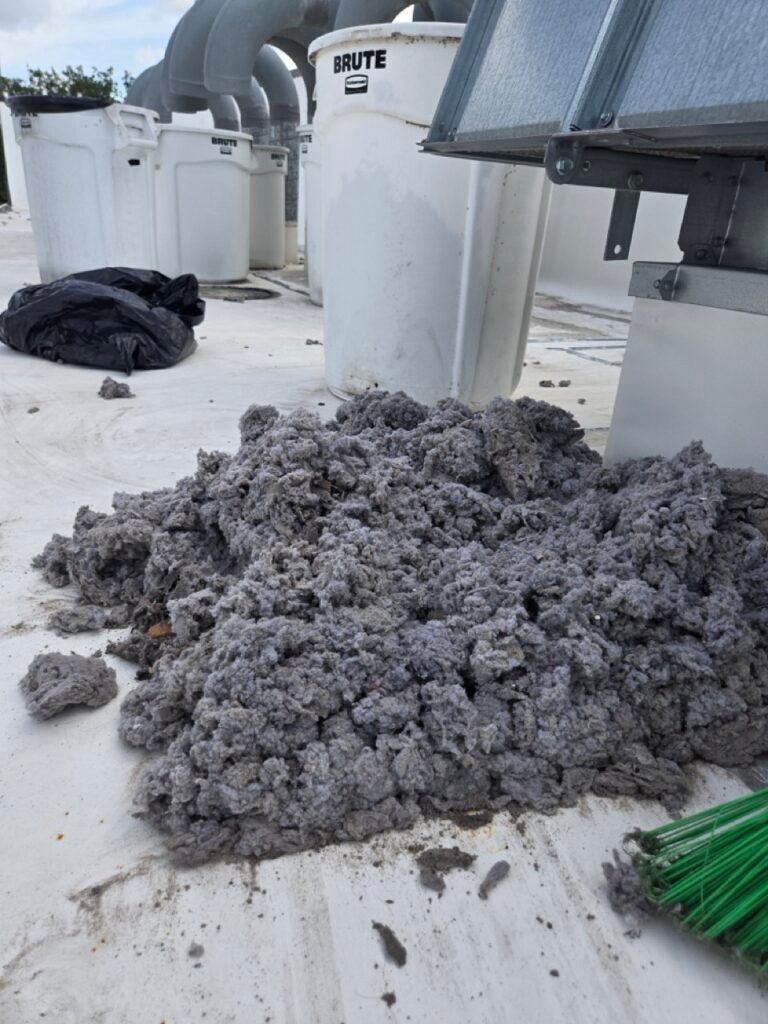
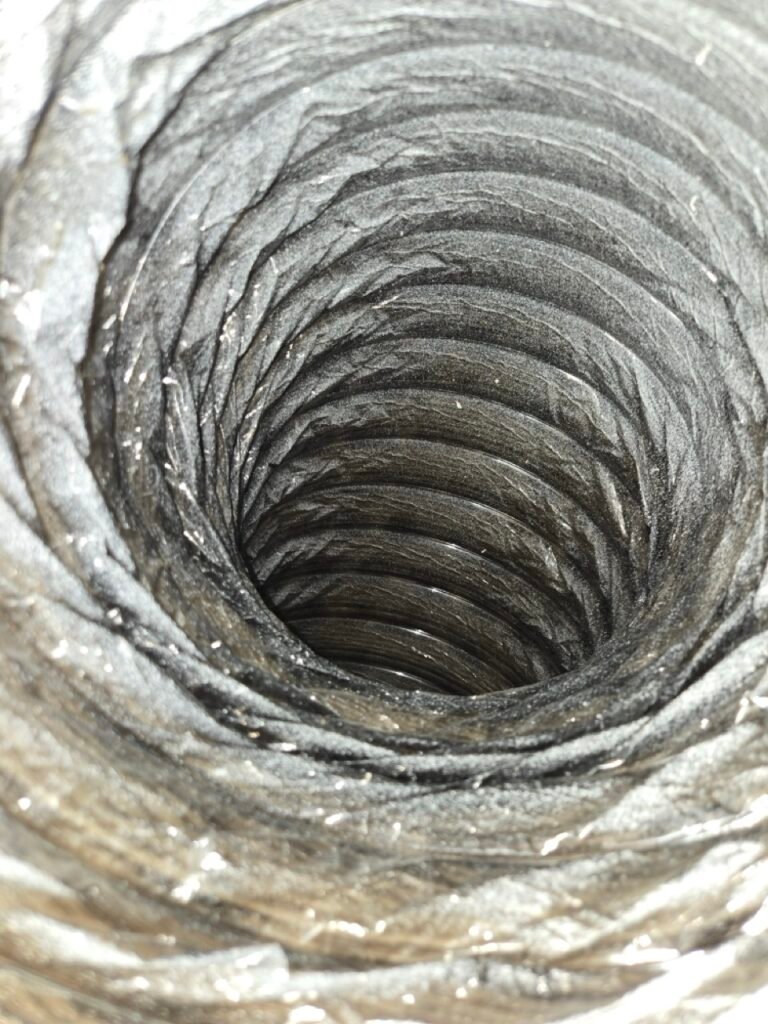
Over hundreds of cycles, those fibers can accumulate on the duct walls, around bends, and near termination points.
That is why Dryer Vent Cleaning involves more than vacuuming visible lint from behind the appliance. The condition of the entire exhaust route matters.
High-use businesses should take visible lint seriously as well. Repeated dryer operation changes how quickly material can accumulate, which is why commercial dryer exhaust cleaning for frequently used equipment should be based on workload and inspection findings rather than a typical residential schedule.
Your Laundry Room Gets Hotter While the Dryer Runs
A laundry room becoming noticeably warmer during a drying cycle deserves attention, especially when that change is new.
The dryer is designed to move heated, moisture-laden air through the exhaust duct and outside. If that path becomes restricted, heat may not leave as efficiently. The appliance can continue running, but the area around it may feel warmer than it did when the system was operating normally.
This sometimes becomes obvious in smaller laundry rooms or enclosed utility spaces. Someone may notice that opening the laundry room door suddenly releases a wave of heat, even though the same dryer and cycle settings never created that much warmth before.
One Wesley Chapel inspection began after a resident noticed both a warmer laundry room and slower drying. The dryer had been moved slightly during work around the laundry area several months earlier, and the homeowner thought the machine itself might be failing. Inspection showed lint buildup inside the vent, but there was another problem too. The transition duct behind the appliance had been pushed into a tighter bend, reducing the available exhaust path.
Cleaning removed the accumulated material, while correcting the connection addressed the restriction behind the machine. The practical lesson was important: not every vent problem is caused by lint alone. Vent position, damaged connections, and duct configuration can contribute to the same symptoms.
If excessive room heat appears along with longer cycles or weak exterior exhaust, having the residential dryer exhaust system checked from the appliance to the termination is more useful than assuming another cleaning cycle will solve the problem.
The Dryer Stops Before Clothes Are Fully Dry
Unexpected shutdowns can be frustrating because the dryer may appear normal when you restart it.
Some dryers have protective controls designed to respond when operating conditions become excessive. A restricted exhaust path can contribute to heat buildup, although an appliance malfunction can cause similar behavior.
This is why a dryer that repeatedly stops should not automatically be diagnosed as having a clogged vent.
Start by looking at the full pattern. Are clothes also taking longer? Does the machine seem unusually hot? Is exterior exhaust weak? Did the problem develop gradually rather than beginning immediately after an appliance repair or electrical issue?
When several of these symptoms appear together, checking the vent becomes a sensible part of troubleshooting.
A technician may discover heavy lint accumulation, but the inspection can also uncover a crushed transition hose or another physical restriction. Clogged Dryer Vent Cleaning Wesley Chapel is useful when buildup is responsible, but cleaning cannot repair damaged ductwork or fix an internal appliance problem.
If your dryer is repeatedly stopping and the cause is unclear, schedule an evaluation of the vent and its visible connections so you can determine whether exhaust restriction should be addressed before pursuing other repairs.
You Smell an Unusual Hot or Burning Odor
An unusual burning or overheated smell while the dryer is operating should never be treated as a normal part of doing laundry.
The source is not always the vent. An electrical component, drive belt, foreign object, appliance malfunction, or other mechanical issue can produce an odor. Still, lint accumulation and poor exhaust conditions should be considered because lint is combustible and dryers generate heat during normal operation.
If you notice a strong burning smell, stop using the dryer until the cause has been identified.
In practice, odor complaints are especially important when they appear alongside other changes. A resident who reports a hot smell plus two-cycle drying and an unusually warm appliance gives us a much clearer picture than someone reporting an odor alone.
This is also where routine maintenance becomes more important than waiting for an obvious blockage. Removing lint accumulation and maintaining an unobstructed exhaust route are sensible preventive measures even when the dryer seems to be operating normally.
For residents concerned about the condition of their system, professional dryer vent cleaning for Wesley Chapel residences can address accessible lint buildup throughout the exhaust route and identify visible conditions that may require separate correction.
Why Several Warning Signs Together Matter More Than One
No single symptom proves that a dryer vent needs cleaning.
That point matters because slow drying is sometimes blamed on the vent when the real problem is the appliance, and every warm dryer should not be treated as evidence of a serious blockage.
Look for patterns instead.
Suppose your towels need two cycles, the laundry room has recently become hotter, and the exterior flap barely opens while the dryer runs. Taken together, those observations provide a much stronger reason to investigate the exhaust system.
The same principle applies in the opposite direction. If drying time suddenly increases but exterior exhaust remains strong and there are no other signs of restriction, an appliance problem may deserve closer attention.
Professional inspection is useful because it can separate ordinary lint accumulation from physical vent problems. A long exhaust route, multiple bends, a damaged termination, or a crushed transition connection may explain why Dryer Vent Maintenance Wesley Chapel is needed more frequently at one property than another.
Residents can explore local dryer vent cleaning and maintenance solutions in Wesley Chapel when multiple warning signs suggest that the exhaust system deserves a closer look.
Why Cleaning the Lint Screen Does Not Eliminate Vent Buildup
Cleaning the lint screen after every load is one of the best habits you can develop, but it does not keep the entire exhaust duct permanently clean.
Fine fibers still pass through.
Over time, those particles can settle inside the vent, particularly where the duct changes direction or exhaust performance is already reduced. A long vent route gives lint more opportunities to accumulate than a short, straight connection through an exterior wall.
Fabric type also affects how much lint a load produces. Towels, blankets, cotton clothing, pet bedding, and some new fabrics can release considerable material during drying.
The lint screen itself should be checked too. If it is damaged, improperly seated, or heavily coated with residue, its performance may be affected.
Commercial equipment magnifies these considerations because the number of cycles can be much higher. Commercial Dryer Vent Cleaning Wesley Chapel should therefore be planned according to actual equipment usage. Businesses operating dryers throughout the day can review commercial vent cleaning options for high-use laundry equipment rather than relying on the same maintenance schedule as a typical household.
For residential systems, consistent lint-screen cleaning combined with periodic professional cleaning of areas that routine household maintenance cannot reach provides a more complete approach.
Why Dryer Vent Problems Can Develop Faster in Some Wesley Chapel Properties
Two dryers can be used the same number of times each week and still develop very different amounts of buildup. The reason is often the exhaust route.
A dryer positioned against an exterior wall may have a relatively short, direct path outside. Another unit might sit near the center of the building, requiring a longer duct with several turns before reaching an exterior wall or roof. Each bend creates another location where lint can settle, especially as exhaust performance begins to decline.
Vent condition matters too. A crushed transition connection behind the appliance reduces the available pathway. Damaged ductwork, a poorly operating exterior termination, or an unnecessarily complicated route can create similar problems.
Wesley Chapel’s climate adds another consideration. Warm, humid weather and frequent summer rain make the condition of the exterior termination worth checking throughout the year. Moisture, vegetation, insects, and outdoor debris can interfere with an outlet that is already struggling to exhaust properly. Humidity itself does not automatically clog a dryer vent, but damp lint can be more stubborn than dry, loose material.
I’ve inspected properties where the laundry room connection looked reasonably clean while the more significant restriction was much farther downstream. That is why looking behind the dryer alone does not tell you whether the complete vent is clear.
If warning signs return sooner than expected, residential vent cleaning that addresses the complete exhaust route can help determine whether the system’s layout or condition is contributing to repeated buildup.
What You Can Safely Check Before Scheduling Service
You do not need specialized equipment to make a few useful observations.
Start with the lint screen. Clean it after every load and inspect it for damage. Next, look behind the dryer without moving or disconnecting anything you cannot safely access. If the transition duct is visibly crushed, sharply kinked, or disconnected, that information can help explain poor performance.
Then check the exterior outlet while the machine is running. The flap or louvers should be able to open, and you should notice exhaust leaving the vent.
Also think about what has changed recently.
Did drying time increase after the dryer was moved? Did the problem start after installing a new appliance? Has your family begun doing significantly more laundry? Are you now drying more towels, bedding, or pet-related items?
These details can help separate routine buildup from another issue.
What you should not do is continue operating a dryer that has a strong burning smell or another symptom that suggests an immediate problem. Stop using it until the source can be identified.
For less urgent concerns, requesting a professional dryer vent evaluation can provide a clearer answer when basic visual checks do not explain the change in performance.
When DIY Dryer Vent Cleaning May Not Be Enough
Basic maintenance has real value. Keeping the lint screen clean, removing visible lint around the appliance, and checking the exterior termination can all help.
The challenge begins when a homeowner assumes that cleaning the first few feet means the entire duct is clear.
A DIY brush can remove a surprising amount of lint while leaving material farther along the route. This is especially possible with long vents, multiple turns, or terminations that are difficult to access.
One inspection followed a homeowner’s attempt to solve slow drying with a consumer vent-cleaning kit. A substantial amount of lint came out, and drying improved slightly, but towels still required more time than they had previously. A closer evaluation showed additional accumulation around a bend farther along the exhaust path.
The homeowner had not done anything unreasonable. The limitation was simply reach. Removing visible lint did not confirm that the full route had been cleared.
This is where Clogged Dryer Vent Cleaning Wesley Chapel should focus on the entire exhaust path rather than only the section closest to the appliance. If performance remains poor after basic maintenance, professional residential exhaust cleaning and inspection can help identify what is happening beyond the easily accessible areas.
Residential and Commercial Warning Signs Should Be Treated Differently
The seven warning signs apply to both residential and commercial dryers, but the speed at which problems develop can be very different.
A typical household may run several loads per week. A commercial operation can run dryers repeatedly throughout the day. That difference changes how quickly lint moves through the exhaust system and how disruptive slower drying becomes.
For Residential Dryer Vent Cleaning Wesley Chapel, families should pay particular attention to changes from their normal routine. If a familiar load suddenly needs significantly longer, that change is useful information.
With Commercial Dryer Vent Cleaning Wesley Chapel, operators should look at equipment performance across repeated cycles. Gradually increasing cycle times, excessive heat, visible lint near terminations, or declining exhaust can affect productivity long before a machine stops working.
A business should not automatically follow a once-a-year residential maintenance schedule. Usage, vent design, previous inspection findings, and the type of materials being dried should guide the interval.
Businesses with high-use laundry equipment can review professional commercial dryer vent cleaning options to establish maintenance around their actual workload.
What Professional Dryer Vent Cleaning Should Accomplish
Professional Dryer Vent Cleaning should do more than remove a handful of lint from behind the dryer.
The goal is to address accumulated material through the accessible exhaust path and evaluate conditions that could be contributing to poor performance. Depending on the system, this includes considering the transition connection, duct route, bends, and exterior termination.
Just as important, cleaning should not be presented as the answer to every dryer problem.
If the transition duct is crushed, cleaning lint will not repair it. If the exterior termination is damaged, that may require correction. If the exhaust route is clear but the appliance still does not dry properly, the dryer itself may need diagnosis.
An experienced technician should be able to explain what was discovered without turning every finding into a sales pitch. You should come away understanding whether lint accumulation was significant, whether the vent configuration contributed to the problem, and what maintenance makes sense afterward.
For Wesley Chapel residents comparing their symptoms with the services available locally, explore professional dryer vent solutions for the Wesley Chapel area to understand when cleaning, inspection, or another vent-related correction may be appropriate.
When the warning signs point toward an exhaust restriction but the source is not obvious, schedule an evaluation of your dryer vent system rather than continuing to compensate with longer drying cycles.
Do Not Wait for All Seven Warning Signs
A dryer vent does not need to show every symptom on this list before it deserves attention. In practice, the most useful clue is often a change from the dryer’s normal performance.
If the same towels suddenly need longer to dry, the laundry room becomes noticeably warmer, and exterior exhaust feels weaker than it did several months ago, those changes are worth investigating. Waiting until the vent is severely restricted can mean spending months compensating with longer cycles without addressing the underlying problem.
A sensible approach is to keep the lint screen clean after every load, occasionally inspect the exterior termination, and remember roughly how long familiar loads normally take. Those simple habits make developing problems much easier to recognize.
For households already experiencing warning signs, professional residential dryer vent cleaning that addresses the full exhaust path can determine whether accumulated lint is contributing to the problem. Businesses with frequent dryer use should follow a different maintenance strategy and can explore commercial dryer exhaust cleaning based on equipment workload.
You can also review the complete range of dryer vent solutions available throughout Wesley Chapel when the symptoms suggest that cleaning may not be the only issue. For an additional independent reference when evaluating local service options, you can view the company’s local Google business presence.
The key is not to assume every slow or hot dryer has a clogged vent. Look at the pattern, check what you can safely observe, and have unexplained changes investigated. That is a more practical approach to Dryer Vent Cleaning Wesley Chapel than waiting for the dryer to perform poorly enough that the problem becomes impossible to ignore. Superb Dryer Vent Cleaning Wesley Chapel can evaluate the vent when the cause of declining performance is unclear. Schedule a professional dryer vent inspection when warning signs begin appearing.
Frequently Asked Questions
How can I tell if my dryer vent is starting to clog?
Longer drying times, unusually hot clothing, weak exterior exhaust, visible lint near the outlet, and increasing heat around the laundry area are useful warning signs. One symptom alone does not confirm a blockage, but several changes occurring together make the exhaust system worth checking.
Why does my dryer suddenly need two cycles to dry clothes?
Restricted exhaust is one possible cause because the dryer has difficulty removing moisture when air cannot move efficiently through the vent. Overloading, heating problems, incorrect settings, or other appliance issues can cause similar symptoms, so the vent should be evaluated rather than automatically blamed.
Is it normal for my dryer and clothes to feel very hot?
Warmth is normal, but a noticeable increase in temperature deserves attention. If excessive heat occurs together with longer drying times or weak exhaust outside, the dryer vent should be included in the troubleshooting process.
Should air be coming strongly from my outside dryer vent?
You should notice exhaust leaving the termination while the dryer operates, and the flap or louvers should generally be able to open properly. Very weak exhaust compared with normal performance can indicate a restriction somewhere along the route.
Why is lint collecting around my outside dryer vent?
Some lint passes through the dryer’s lint screen and travels into the exhaust duct. Visible accumulation around the termination may indicate that material is collecting near the outlet. If buildup returns quickly or exhaust seems weak, the complete vent deserves closer inspection.
Can I keep using my dryer if I smell something burning?
A strong burning or overheated odor should not be ignored. Stop using the dryer until the source has been identified. The problem may involve lint and restricted exhaust, but electrical or mechanical appliance problems can produce odors as well.
Does cleaning the lint trap mean I do not need dryer vent cleaning?
No. Cleaning the lint screen after every load is excellent maintenance, but it cannot capture every fine fiber. Some material continues into the exhaust duct and can accumulate over time. Periodic Dryer Vent Cleaning addresses areas that routine lint-screen maintenance cannot reach.
How often should I schedule Dryer Vent Cleaning Wesley Chapel?
Annual cleaning is a reasonable starting point for many households, but there is no universal interval. Heavy laundry use, long vent routes, multiple bends, and previous buildup may justify more frequent Dryer Vent Maintenance Wesley Chapel. Changes in drying performance should also be considered instead of relying only on the calendar.
Are clogged dryer vents more common with long vent runs?
Longer routes and multiple bends can create more opportunities for lint to settle, particularly when exhaust performance begins declining. A short, straight vent and a long route through several parts of a building should not automatically follow identical maintenance schedules.
When should I call for Clogged Dryer Vent Cleaning Wesley Chapel?
Consider professional service when drying time keeps increasing, exterior exhaust becomes weak, excessive heat develops, lint accumulates in unusual areas, or basic maintenance does not correct the problem. Residential Dryer Vent Cleaning Wesley Chapel should evaluate the full exhaust route, while Commercial Dryer Vent Cleaning Wesley Chapel should account for heavier equipment usage and the specific vent configuration.